Retail Media In-Store Screen Advertising Strategy
Retail Media In-store Screen Advertising Strategy 2026 Guide
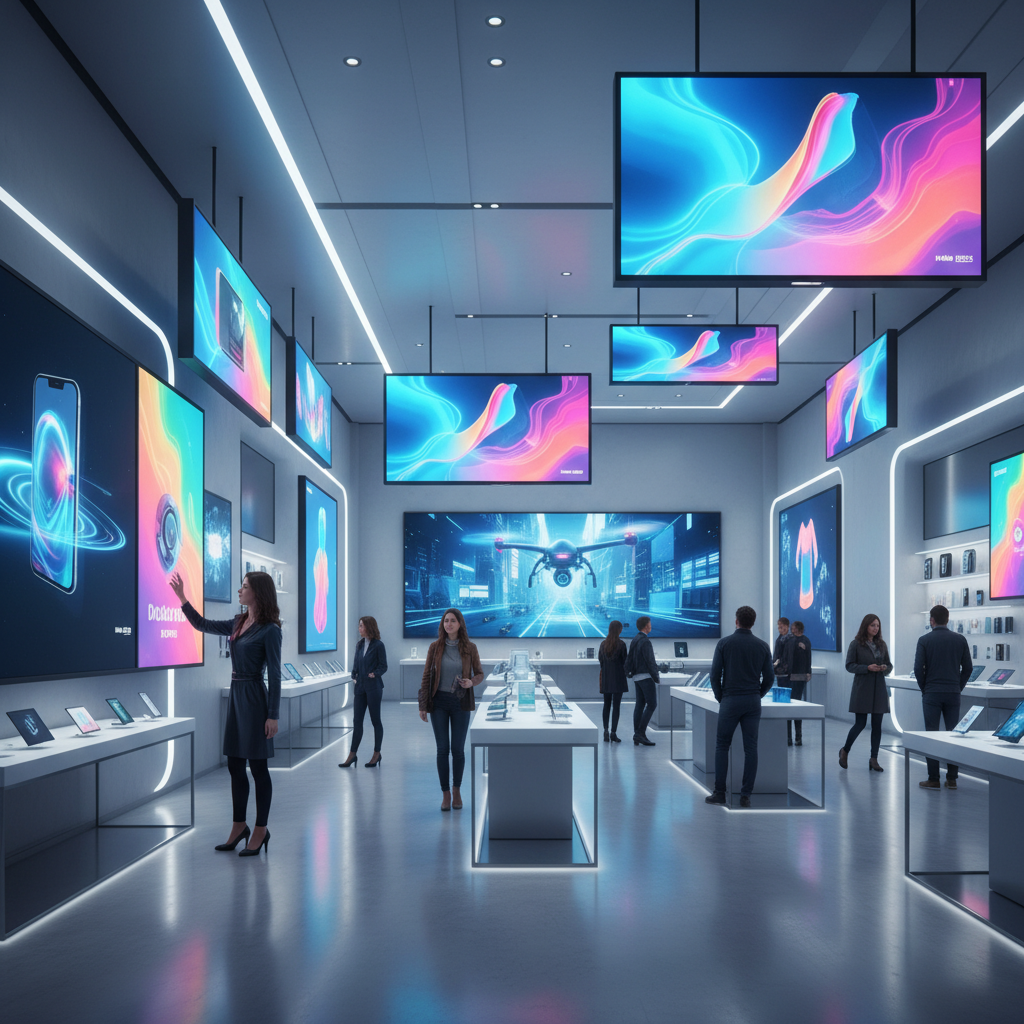
Retail media in-store screen advertising strategy is the deliberate planning and execution of digital display campaigns within physical retail environments to engage shoppers and drive sales. This advanced approach leverages screens located throughout a store to deliver targeted advertisements, promotions, and brand messages directly to consumers at the point of purchase. Effective strategies integrate data, technology, and compelling content to create a seamless and impactful shopping experience, moving beyond traditional static signage to dynamic, measurable advertising.
The Power of In-Store Digital Screens for Retail Media Ads
In-store digital screens are powerful tools for retail media advertising, offering dynamic content delivery and enhanced shopper engagement that static signage cannot match. These screens allow brands to capture attention, influence purchasing decisions, and provide valuable information directly at the point of sale.
How to Use In-Store Digital Screens for Retail Media Ads Effectively
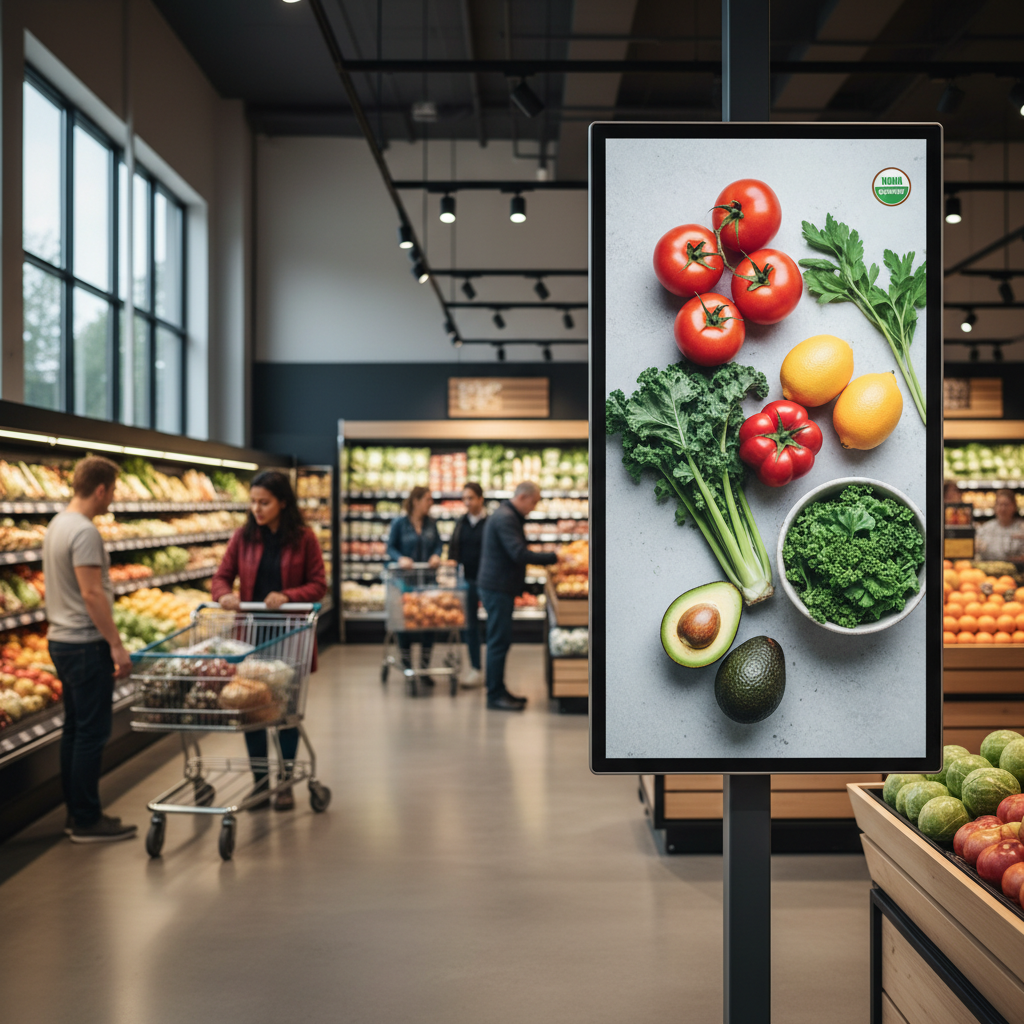
To effectively use in-store digital screens for retail media ads, brands should focus on strategic placement, compelling content, and audience targeting. Screens positioned at high-traffic areas, such as store entrances, checkout lanes, and category aisles, maximize visibility and impact. Content must be visually appealing, concise, and relevant to the immediate shopping context, often featuring product benefits, promotions, or usage ideas.
* Strategic Placement: Place screens where shoppers naturally pause or congregate. This includes end-caps, deli counters, produce sections, and waiting areas.
* Dynamic Content: Utilize video, animations, and interactive elements to tell a brand story or highlight product features. Update content frequently to maintain freshness and relevance.
* Contextual Relevance: Tailor ads to the specific store section or time of day. For example, breakfast ads near cereals in the morning.
Maximizing Shopper Engagement with Digital Signage
Maximizing shopper engagement with digital signage involves creating experiences that are both informative and entertaining. This can include interactive touchscreens, QR codes linking to extended content, or augmented reality filters. The goal is to move beyond passive viewing to active participation, making the advertising experience more memorable and impactful. Brands can also leverage real-time data to adjust messages based on inventory levels or current promotions. For instance, a screen near a beverage cooler could display a limited-time offer on a specific drink when stock is high.
* Interactive Elements: Implement touchscreens for product exploration or recipe ideas.
* QR Code Integration: Link to landing pages, loyalty programs, or product reviews.
* Personalized Messaging: Use anonymized data to deliver more relevant ads to specific shopper segments.
Measuring the Impact of In-Store Digital Advertising
Measuring the impact of in-store digital advertising is crucial for optimizing campaigns and demonstrating ROI. This involves tracking metrics such as foot traffic near screens, dwell time, sales uplift for advertised products, and redemption rates for on-screen promotions. Integrating digital screen data with point-of-sale systems provides a comprehensive view of campaign effectiveness. Advanced analytics can even track eye movements or facial expressions to gauge ad engagement. Understanding these metrics helps brands refine their retail media in-store screen advertising strategy.
Building a Connected Store Media Network Strategy for CPG Brands
A connected store media network strategy for CPG brands integrates various in-store digital touchpoints into a cohesive advertising ecosystem. This strategy allows CPG brands to deliver consistent, targeted messages across multiple screens and devices within a retail environment, enhancing the overall shopper journey.

Designing an Integrated In-Store Digital Ecosystem
Designing an integrated in-store digital ecosystem requires a holistic view of the customer journey and the available digital assets. This includes not just large screens, but also smaller shelf-edge displays, interactive kiosks, and even mobile integrations via QR codes or NFC. The goal is to create a seamless flow of information and engagement points that guide shoppers through the store and towards purchase. A well-designed ecosystem ensures that all digital elements work together to amplify brand messages and promotions.
* Centralized Content Management: Use a single platform to deploy and manage content across all screens.
* API Integrations: Connect screens with inventory systems, loyalty programs, and weather data for dynamic content.
* Scalable Infrastructure: Build a network that can easily expand to new stores or additional screens.
Optimizing Content for a Multi-Screen Retail Environment
Optimizing content for a multi-screen retail environment means developing adaptable creative that looks good and performs well on different screen sizes and types. Content should be designed with flexibility in mind, allowing for easy resizing, reformatting, and personalization. Short, impactful video clips are often more effective than long-form content, as shoppers have limited attention spans in a busy store. Consistency in branding and messaging across all screens reinforces brand identity. This is a key component of an effective retail media in-store screen advertising strategy.
* Modular Content Creation: Design ad components that can be reassembled for various screen dimensions.
* A/B Testing: Experiment with different ad creatives and calls-to-action to see what resonates best.
* Accessibility Considerations: Ensure content is clear and readable for all shoppers, including those with visual impairments.
Collaboration Between Retailers and CPGs for Network Success
Collaboration between retailers and CPGs is fundamental for the success of a connected store media network. Retailers provide the physical infrastructure, shopper data, and in-store context, while CPG brands bring compelling content, campaign budgets, and product expertise. A strong partnership ensures that campaigns are mutually beneficial, driving sales for CPGs and enhancing the shopping experience for the retailer’s customers. This synergy can lead to more innovative and effective advertising solutions. Many brands seek expert guidance for these complex integrations, often turning to Digital Marketing Services that specialize in retail media.
* Shared Goals & KPIs: Align on objectives and how success will be measured.
* Data Sharing Agreements: Establish clear protocols for sharing anonymized shopper data.
* Joint Content Planning: Collaborate on campaign calendars and creative development.
Leveraging the Physical Retail Advertising Data Loop to Digital Strategy
Leveraging the physical retail advertising data loop to digital strategy involves using insights gathered from in-store interactions and advertising performance to inform and optimize both physical and digital campaigns. This continuous feedback loop ensures that advertising efforts are data-driven and highly effective across all channels.
Understanding the In-Store Data Collection Ecosystem
Understanding the in-store data collection ecosystem is the first step in creating a robust data loop. This ecosystem includes various technologies that capture shopper behavior, such as Wi-Fi tracking, camera analytics (anonymized), point-of-sale (POS) data, and interactions with digital screens. These data points provide a rich picture of how shoppers move through a store, what they engage with, and ultimately what they purchase. By analyzing this information, brands can gain valuable insights into campaign effectiveness and shopper preferences.
* Sensor Technology: Utilize foot traffic sensors and shelf sensors to track product engagement.
* POS System Integration: Connect sales data directly to advertising campaign performance.
* Audience Measurement: Employ anonymous facial recognition or eye-tracking to understand ad viewership.
Connecting Physical Retail Advertising Data to Online Campaigns
Connecting physical retail advertising data to online campaigns allows for a truly omnichannel approach, where insights from the store inform digital targeting and vice-versa. For instance, if an in-store screen ad for a specific product leads to a sales uplift, that insight can be used to retarget those specific shoppers online with complementary products or follow-up promotions. This creates a seamless customer journey that spans both the physical and digital worlds. This integration is vital for a comprehensive retail media in-store screen advertising strategy.
* Customer Journey Mapping: Track customer touchpoints across both physical and digital channels.
* Audience Segmentation: Create segments based on in-store behavior for targeted online ads.
* Retargeting Strategies: Use in-store interactions to inform online retargeting efforts.
Enhancing Digital Strategy with In-Store Insights
Enhancing digital strategy with in-store insights provides a competitive edge by making online campaigns more relevant and impactful. Data on popular in-store products, peak shopping times, or effective in-store promotions can directly inform digital content creation, ad scheduling, and audience targeting. For example, if a particular in-store display drives significant engagement, elements of that display can be replicated in online ads. This ensures that digital efforts are grounded in real-world shopper behavior.
* Content Personalization: Tailor digital ad content based on observed in-store preferences.
* Campaign Optimization: Adjust digital campaign timing and budget based on physical store performance.
* Product Discovery: Identify trending in-store products to feature prominently in online campaigns.
Crafting a Retail Media Phygital Attribution Strategy for Brands
Crafting a retail media phygital attribution strategy for brands is essential for understanding the true impact of advertising across both physical and digital touchpoints. This strategy aims to accurately measure how various media exposures contribute to a sale, regardless of where the interaction or purchase occurs.
Defining Phygital Attribution in Retail Media
Phygital attribution in retail media is the process of assigning credit to different marketing touchpoints, both physical (in-store screens, displays) and digital (online ads, social media), that lead to a customer conversion. It recognizes that a shopper’s journey often involves a blend of online research and in-store experiences. A robust phygital attribution model helps brands understand the interconnectedness of their marketing efforts and optimize their spending for maximum impact. This is a critical element of any sophisticated retail media in-store screen advertising strategy.
* Multi-Touchpoint Analysis: Evaluate the influence of every interaction on the path to purchase.
* Cross-Channel Measurement: Track customer behavior across physical stores, e-commerce sites, and mobile apps.
* Unified Customer View: Create a single profile for each customer, consolidating all interaction data.
Models for Measuring Cross-Channel Impact
Several models exist for measuring cross-channel impact, each with its own strengths and weaknesses. Common attribution models include first-touch, last-touch, linear, time decay, and position-based. More advanced approaches like data-driven attribution use machine learning to assign credit based on actual conversion paths. The choice of model depends on the brand’s specific goals and the complexity of their customer journey. It’s often beneficial to test multiple models to gain a comprehensive understanding.
Here’s a comparison of common attribution models:
| Attribution Model | Description | Best Use Case |
|---|---|---|
| First-Touch | Gives 100% credit to the first interaction a customer had with your brand. | Brand awareness campaigns. |
| Last-Touch | Gives 100% credit to the final interaction before conversion. | Direct response campaigns, understanding conversion drivers. |
| Linear | Distributes credit equally across all touchpoints in the customer journey. | Understanding the entire customer journey’s impact. |
| Time Decay | Gives more credit to touchpoints closer to the conversion time. | Campaigns with a shorter sales cycle. |
| Position-Based | Assigns 40% credit to the first and last interactions, with the remaining 20% distributed evenly to middle interactions. | When both initial awareness and final conversion touchpoints are important. |
Integrating Online and Offline Sales Data for Holistic Views
Integrating online and offline sales data for holistic views is crucial for accurate phygital attribution. This involves matching in-store purchases (via loyalty programs, payment data, or unique codes) with digital interactions (website visits, ad clicks). By linking these disparate datasets, brands can see how an in-store screen ad might have influenced an online purchase, or how a digital ad led to an in-store visit and subsequent sale. This unified data approach provides a much clearer picture of ROI.
* CRM Integration: Centralize customer data from all channels.
* Unique Identifiers: Use loyalty program IDs or hashed email addresses to link customer profiles.
* Geo-Fencing & Beacons: Track store visits influenced by digital ads.
Optimizing In-Store Retail Media Performance and ROI
Optimizing in-store retail media performance and ROI requires continuous analysis, testing, and refinement of advertising strategies. This iterative process ensures that campaigns are not only engaging but also deliver measurable business results and a strong return on investment.
Key Performance Indicators for In-Store Screen Advertising
Key Performance Indicators (KPIs) for in-store screen advertising extend beyond simple impressions to include metrics that directly reflect shopper behavior and sales impact. Important KPIs include foot traffic lift around screens, dwell time, engagement rates (for interactive screens), product search queries on kiosks, and, most critically, sales uplift for advertised products. Tracking these metrics allows brands to understand what content and placements are most effective.
* Sales Uplift: Percentage increase in sales for products advertised on screens.
* Dwell Time: Average time shoppers spend in front of a screen or in an advertised zone.
* Conversion Rate: Percentage of viewers who perform a desired action (e.g., pick up a product).
* Cost Per Impression (CPM): The cost of 1,000 views of an ad.
A/B Testing and Iterative Optimization Strategies
A/B testing and iterative optimization strategies are fundamental to improving in-store retail media performance. By testing different ad creatives, calls-to-action, screen placements, or even times of day, brands can identify what resonates most with their target audience. Each test provides valuable data that can be used to refine subsequent campaigns, leading to continuous improvement in engagement and ROI. This systematic approach allows for data-driven decision-making.
1. Hypothesis Formulation: Define what you expect to happen with a specific change.
2. Test Setup: Implement the change on a subset of screens or stores.
3. Data Collection: Monitor relevant KPIs during the test period.
4. Analysis: Compare results between the control and test groups.
5. Implementation/Iteration: Apply successful changes or formulate new hypotheses for further testing.
Maximizing Return on Investment in Retail Media
Maximizing return on investment in retail media involves a combination of strategic planning, efficient execution, and rigorous measurement. Brands should focus on targeting high-value customer segments, creating highly relevant and compelling content, and leveraging data to optimize campaign spend. It also means integrating in-store media with other marketing channels to create a synergistic effect. A clear understanding of the customer journey helps allocate resources effectively, ensuring every dollar spent contributes to the bottom line.
* Targeted Campaigns: Focus ads on specific demographics or purchase intent.
* Content Relevance: Ensure ads are timely and contextually appropriate.
* Synergy with Digital: Coordinate in-store ads with online promotions for amplified impact.
Future Trends and Innovations in Retail Media Screen Advertising
Future trends and innovations in retail media screen advertising point towards more personalized, interactive, and data-driven experiences within physical stores. Advancements in technology will continue to blur the lines between online and offline retail, creating richer engagement opportunities for brands.
The Rise of AI and Machine Learning in Content Delivery
The rise of AI and machine learning in content delivery will revolutionize how ads are displayed on in-store screens. AI algorithms can analyze real-time data, such as foot traffic, weather, inventory levels, and even anonymized shopper demographics, to dynamically adjust ad content. This means screens can display the most relevant product or promotion to the specific audience present at any given moment, significantly increasing engagement and conversion rates. Machine learning will enable predictive analytics, anticipating shopper needs before they even arise.
* Dynamic Content Optimization: AI automatically selects the best ad creative based on real-time conditions.
* Personalized Recommendations: Screens suggest products tailored to individual shopper profiles (anonymized).
* Predictive Analytics: AI anticipates peak shopping times and product demand to optimize ad scheduling.
Interactive and Experiential Screen Technologies
Interactive and experiential screen technologies are transforming passive viewing into active participation for shoppers. This includes advanced touchscreens with gesture control, augmented reality (AR) mirrors that allow virtual try-ons, and immersive video walls that create captivating brand experiences. These technologies not only entertain but also provide valuable data on shopper preferences and engagement, further enhancing the retail media in-store screen advertising strategy. The goal is to make the in-store ad experience as engaging as the best digital platforms.
* Gesture-Controlled Displays: Shoppers can interact with content without touching the screen.
* Augmented Reality Mirrors: Virtual try-on experiences for clothing, makeup, or accessories.
* Immersive Video Walls: Large-scale displays that create captivating brand environments.
Seamless Integration with Mobile and Wearable Devices
Seamless integration with mobile and wearable devices will further enhance the power of in-store screen advertising. Shoppers’ smartphones can become extensions of the in-store media network, allowing them to scan QR codes for more information, receive personalized offers based on their proximity to a screen, or even control screen content. This creates a truly connected “phygital” experience where the physical store and digital devices work in harmony to deliver highly relevant and convenient interactions. This integration is key to a truly connected store media network strategy for CPG brands.
* Proximity Marketing: Deliver targeted offers to shoppers’ phones near specific screens.
* QR Code Enhancements: Link screens to mobile apps for extended product details or reviews.
* Mobile Control: Allow shoppers to interact with screens using their personal devices.
What is retail media in-store screen advertising?
Retail media in-store screen advertising refers to the use of digital displays within physical retail stores to show advertisements, promotions, and brand content. It’s a dynamic form of advertising designed to engage shoppers at the point of purchase and influence their buying decisions through targeted and timely messages. This approach leverages technology to create a more interactive shopping experience.
How can CPG brands benefit from a connected store media network?
CPG brands benefit from a connected store media network by gaining a unified platform to deliver consistent and personalized messages across various in-store digital touchpoints. This allows for better brand storytelling, increased product visibility, and the ability to drive impulse purchases through dynamic promotions. It also provides valuable data for optimizing future campaigns.
What is a physical retail advertising data loop to digital strategy?
A physical retail advertising data loop to digital strategy involves collecting data from in-store advertising interactions and shopper behavior, then using those insights to inform and optimize digital marketing campaigns. This creates a continuous feedback loop, ensuring that both physical and digital strategies are aligned and data-driven for maximum effectiveness and relevance to the customer.
How does phygital attribution work for retail media?
Phygital attribution for retail media measures the combined impact of both physical (in-store screens) and digital (online ads) touchpoints on a customer’s purchasing decision. It uses data from various sources to assign credit to each interaction, helping brands understand how different channels contribute to a sale, whether the final purchase happens online or in the store.
Why is content optimization important for in-store digital screens?
Content optimization is crucial for in-store digital screens because shoppers have limited attention spans in a busy retail environment. Optimized content is concise, visually engaging, and relevant to the shopper’s immediate context. It ensures that messages are easily digestible and impactful, leading to higher engagement rates and better conversion outcomes for advertised products.
What role does AI play in future retail media screen advertising?
AI will play a transformative role in future retail media screen advertising by enabling dynamic content delivery and hyper-personalization. AI algorithms can analyze real-time data to automatically adjust ad content, timing, and targeting based on factors like shopper demographics, weather, and inventory. This ensures the most relevant message is shown at the optimal moment, maximizing impact.
The evolution of retail media in-store screen advertising strategy is rapidly transforming the physical retail landscape, creating dynamic and highly effective engagement opportunities for brands. By embracing integrated networks, leveraging comprehensive data loops, and implementing sophisticated attribution models, brands can unlock unprecedented insights into shopper behavior and campaign performance. The future promises even greater personalization and interactivity, driven by AI and seamless mobile integration.
Key takeaways for brands:
* In-store digital screens offer dynamic content and enhanced shopper engagement beyond traditional advertising.
* A connected store media network strategy for CPG brands unifies messaging across multiple in-store digital touchpoints.
* Leveraging a physical retail advertising data loop to digital strategy provides critical insights for omnichannel optimization.
* Phygital attribution is essential for accurately measuring the cross-channel impact of retail media investments.
* Continuous optimization through A/B testing and KPI monitoring is vital for maximizing ROI.
* Future innovations like AI-driven content and interactive screens will further enhance retail media effectiveness.
Brands that strategically invest in a robust retail media in-store screen advertising strategy will be well-positioned to capture shopper attention, drive sales, and build lasting customer relationships in an increasingly competitive market.