
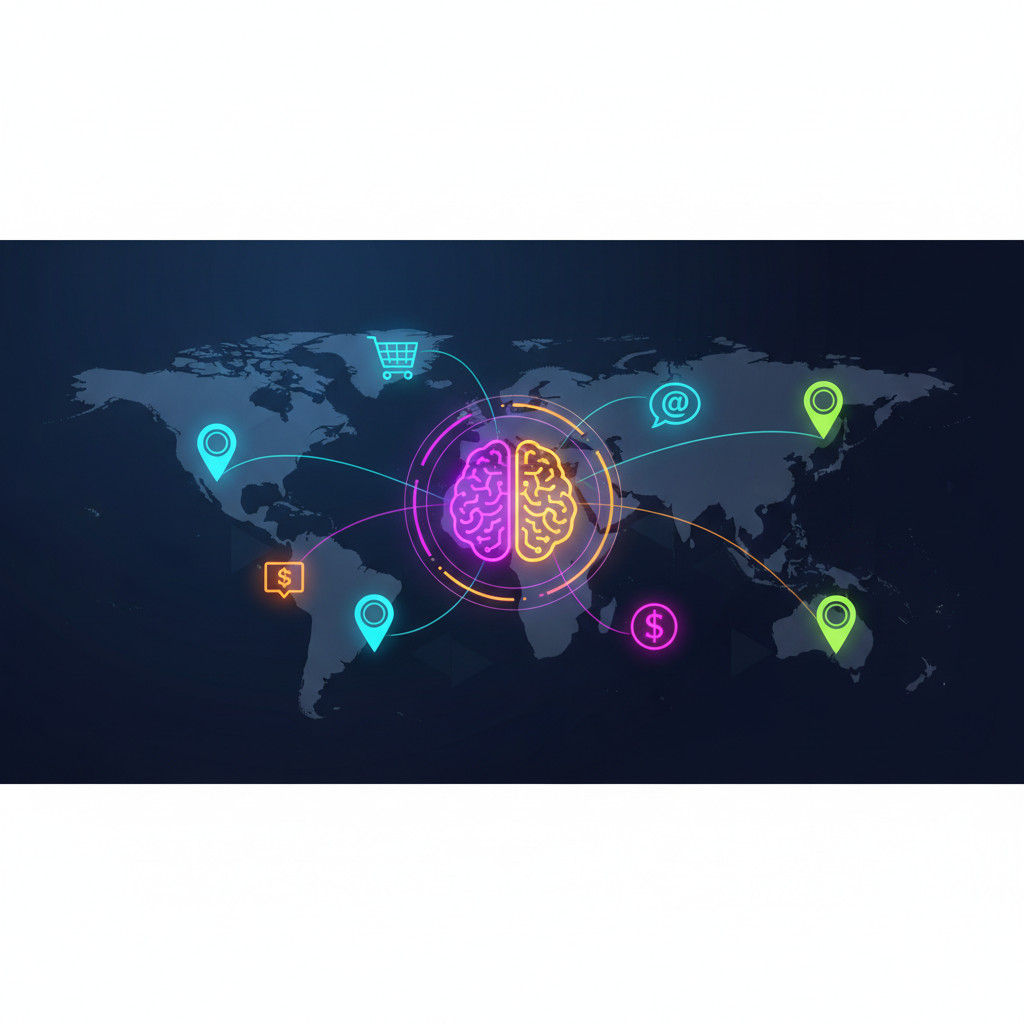
Mastering Location-Based AI Marketing Personalization Strategy
The location-based AI marketing personalization strategy is revolutionizing how businesses connect with their audience, delivering hyper-relevant experiences based on a user’s physical whereabouts and behavioral patterns. This advanced approach leverages artificial intelligence to analyze location data, enabling marketers to craft highly targeted messages, offers, and content. By understanding where customers are and what they are doing, companies can significantly enhance engagement and drive conversions. This strategy moves beyond traditional segmentation, offering dynamic and real-time personalization that resonates deeply with individual consumers.
How to Use Real-Time Location Data for AI Personalization?
Real-time location data fuels AI personalization by providing immediate insights into a customer’s current physical context, allowing for instant, relevant marketing actions. This data includes GPS coordinates, Wi-Fi triangulation, beacon signals, and IP addresses, which AI algorithms process to understand a user’s presence in a specific area. The goal is to deliver timely and contextually appropriate content or offers, enhancing the customer journey. For example, a coffee shop can send a coupon to a customer passing by their store.
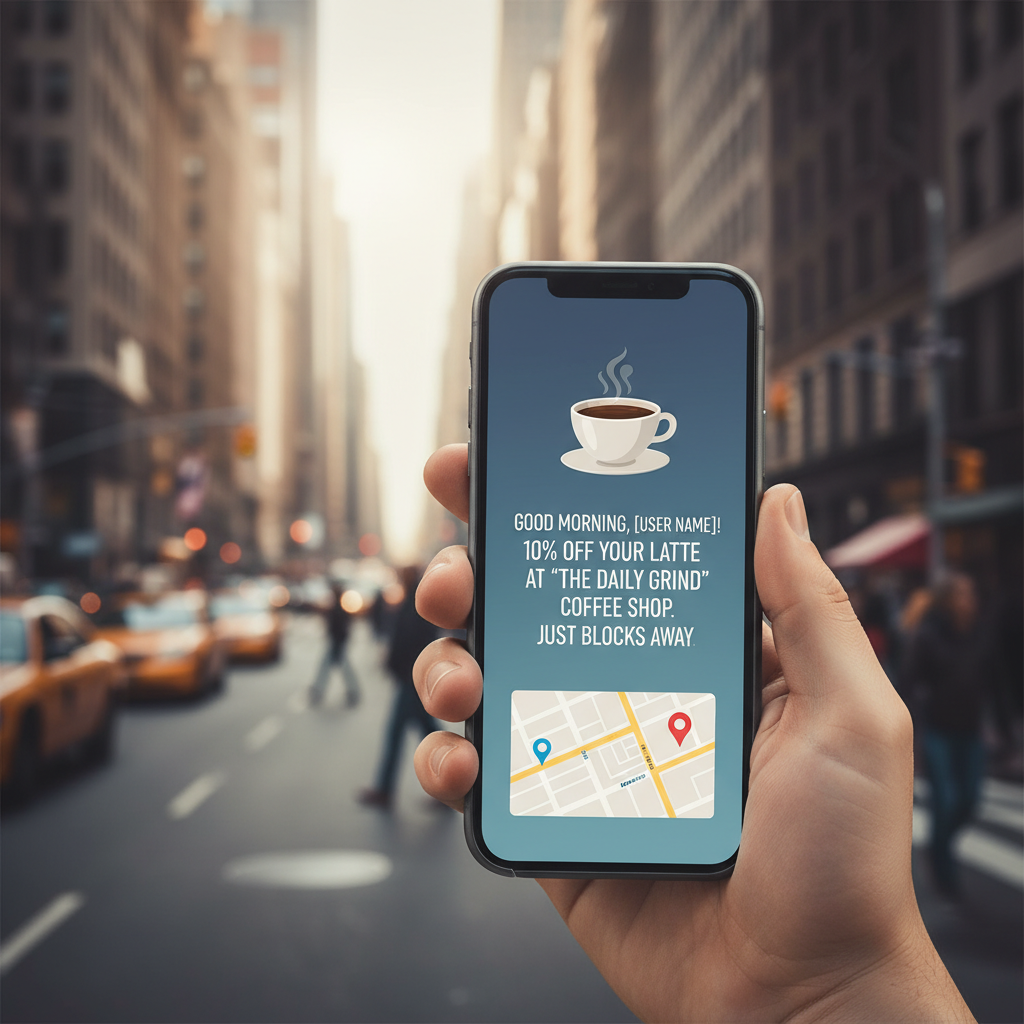
Capturing and Processing Real-Time Location Data
Capturing real-time location data involves various technologies and methods that collect geographical information from mobile devices and other sources. Mobile apps, for instance, often request location permissions to provide enhanced services. Wi-Fi and Bluetooth beacons offer precise indoor location tracking. AI systems then ingest this raw data, cleaning, structuring, and analyzing it at lightning speed. They identify patterns, infer intent, and segment users based on their current and historical movements. This processing is crucial for transforming raw data into actionable insights for personalization.
AI Algorithms for Contextual Relevance
AI algorithms are essential for translating location data into meaningful personalization. These algorithms go beyond simple proximity, considering factors like time of day, historical visits, and user preferences. Machine learning models can predict a customer’s needs or interests based on their current location and past behavior. For example, if a customer frequently visits sporting goods stores, AI might infer an interest in sports. When that customer is near a stadium, the AI could trigger a personalized ad for game tickets or local sports events. This intelligent processing ensures that personalization is not just location-aware but also contextually relevant.
Leveraging Weather and Event Signals for Marketing Automation?
Integrating weather and event signals into marketing automation significantly enhances personalization by allowing businesses to deliver highly relevant messages based on immediate environmental and situational contexts. This strategy moves beyond static customer profiles, adapting campaigns dynamically to real-world conditions. For instance, an apparel brand can promote raincoats during a sudden downpour or offer discounts on ice cream during a heatwave. This responsiveness creates a stronger connection with consumers.
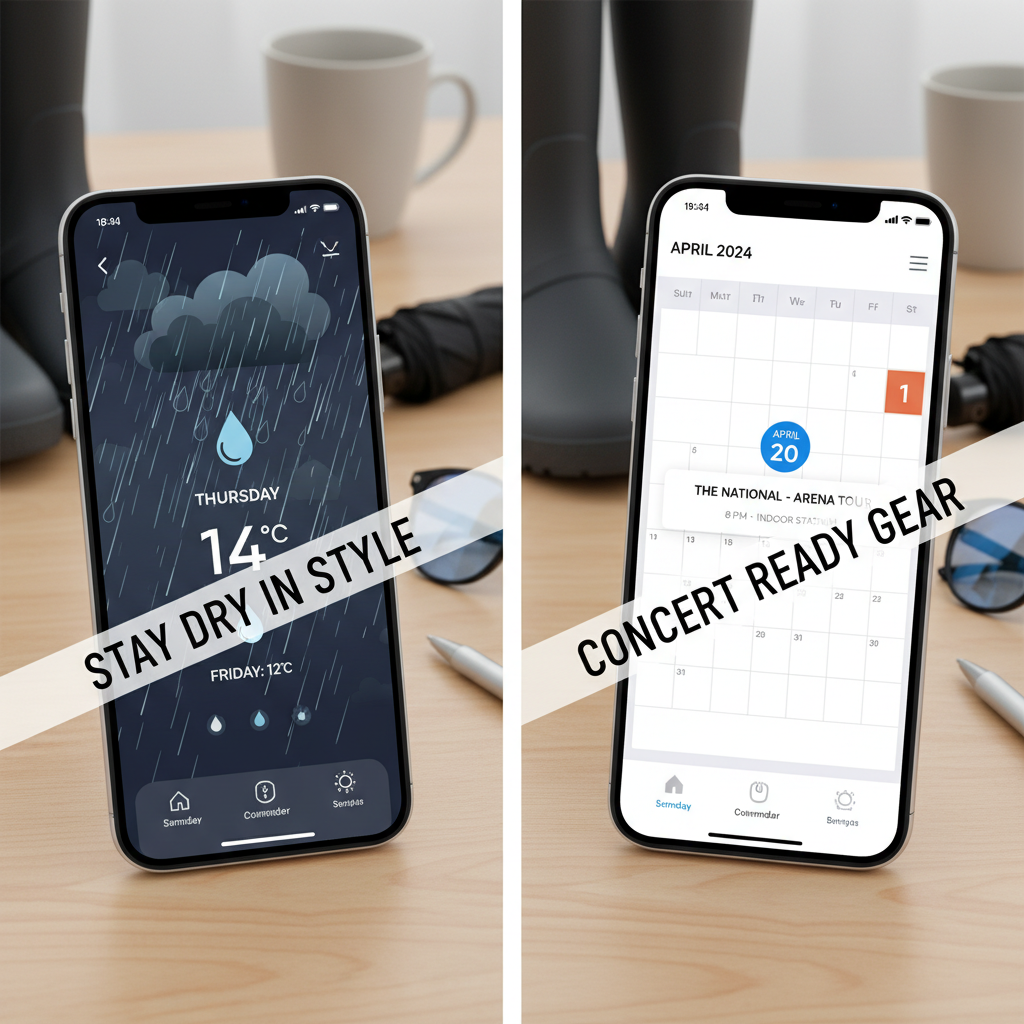
Dynamic Content Based on Weather Conditions
Dynamic content based on weather conditions allows marketers to automatically adjust their messaging and offers in response to local forecasts or current weather. AI-powered platforms can monitor weather APIs and trigger specific campaigns when certain conditions are met. This could involve promoting hot beverages on cold days or sunscreen when it’s sunny. Retailers can update their website banners, email campaigns, and in-app notifications to reflect the prevailing weather. This level of adaptability ensures that promotions are always timely and useful to the consumer. For example, a car dealership might advertise all-wheel-drive vehicles when snow is predicted.
Event-Triggered Personalization Strategies
Event-triggered personalization strategies leverage upcoming local events, such as concerts, festivals, or sports games, to deliver targeted marketing messages. AI systems can identify users who are likely to attend or be interested in these events based on their location history and demographic data. Marketers can then create campaigns that offer relevant products or services. A restaurant near a concert venue, for example, could send dinner promotions to ticket holders a few hours before the show. This approach capitalizes on specific moments of high consumer engagement. It also allows for collaboration with event organizers, creating unique cross-promotional opportunities.
What is Predictive Location-Based Offer Delivery Strategy?
A predictive location-based offer delivery strategy uses artificial intelligence and machine learning to anticipate customer needs and preferences based on their historical and real-time location data, delivering personalized offers before they are explicitly sought. This proactive approach aims to intercept customers at the optimal moment and location, maximizing the likelihood of conversion. It moves beyond reactive marketing, focusing on foresight to create highly effective engagement. By analyzing vast datasets, AI can identify patterns that indicate future behavior.
AI-Powered Behavioral Prediction from Location Data
AI-powered behavioral prediction analyzes extensive location data, alongside other customer information, to forecast future actions and interests. Machine learning models examine patterns in movement, frequency of visits to certain locations, dwell times, and transitions between different types of places. For example, if a customer regularly visits gyms and then a smoothie bar, AI might predict an interest in health and wellness products. This allows businesses to tailor offers that align with anticipated needs. Such predictions are crucial for a truly personalized customer experience, making marketing feel less intrusive and more helpful. The more data available, the more accurate these predictions become, refining the predictive location-based offer delivery strategy 2026.
Optimizing Offer Delivery Timing and Location
Optimizing offer delivery timing and location is critical for the success of a predictive strategy. AI determines the most effective moment to present an offer, considering factors like a customer’s typical routine, current activity, and proximity to a point of interest. For instance, an AI might learn that a customer often buys lunch at 1 PM. If that customer is near a partner restaurant around 12:45 PM, a personalized lunch offer could be delivered. This precise timing prevents offer fatigue and increases relevance. Location-based AI ensures that offers are not only personalized in content but also in their contextual delivery, making them far more impactful. This strategic placement of offers is a cornerstone of effective marketing.
How Retail Geofencing with AI Personalization Boosts Conversions?
Retail geofencing with AI personalization for conversions creates virtual boundaries around physical locations, triggering highly targeted marketing messages and offers when customers enter or exit these defined areas. When combined with AI, this strategy becomes incredibly powerful, moving beyond simple proximity alerts to deliver content that is deeply personalized based on individual preferences and behaviors. This intelligent approach significantly increases the likelihood of a customer engaging with a brand and making a purchase.
Implementing Smart Geofencing for Retailers
Implementing smart geofencing for retailers involves setting up virtual perimeters around stores, competitor locations, or relevant points of interest. Unlike basic geofencing, smart geofencing integrates AI to understand the context of a customer’s presence within a geofenced area. For example, if a customer frequently browses running shoes online and then enters a geofence around a sports store, AI can trigger a personalized discount on running shoes. This contextual intelligence prevents generic, irrelevant messages. Retailers can define various geofence sizes, from a few meters around a store entrance to larger zones covering shopping districts. This precision helps in crafting highly effective campaigns.
AI-Driven Personalization within Geofenced Zones
AI-driven personalization within geofenced zones uses machine learning to analyze customer data and deliver tailored content in real-time. When a customer crosses a geofence, the AI system quickly evaluates their past purchases, browsing history, loyalty program status, and even current weather conditions. This allows for dynamic offer generation. For instance, a customer who frequently buys organic produce might receive a coupon for fresh vegetables upon entering a grocery store’s produce section. This level of personalization makes offers feel less like advertisements and more like helpful suggestions, fostering stronger customer relationships and driving conversions. Many businesses are enhancing their Digital Marketing Services with these advanced capabilities to stay competitive.
| Feature | Basic Geofencing | AI-Personalized Geofencing |
|---|---|---|
| Trigger | Proximity to a location | Proximity + User behavior + Context |
| Message Content | Generic, pre-set offers | Dynamic, tailored offers based on AI insights |
| Conversion Rate | Moderate | Significantly higher due to relevance |
| Customer Experience | Can be intrusive | Highly relevant, perceived as helpful |
| Data Utilization | Limited to location entry/exit | Extensive analysis of behavioral and contextual data |
Navigating Ethical Considerations in Location-Based AI Marketing?
Navigating ethical considerations in location-based AI marketing personalization strategy is paramount to building and maintaining customer trust while ensuring compliance with privacy regulations. The power of location data and AI comes with a significant responsibility to use it transparently, respectfully, and securely. Businesses must prioritize consumer privacy and data protection to avoid backlash and legal issues. Ethical practices foster a positive brand image and long-term customer loyalty.
Ensuring Data Privacy and Transparency
Ensuring data privacy and transparency is the cornerstone of ethical location-based marketing. Companies must clearly communicate to users what data is being collected, why it’s being collected, and how it will be used. Obtaining explicit consent, particularly for location tracking, is non-negotiable. Providing easy-to-understand privacy policies and offering clear opt-out mechanisms empowers consumers. Anonymization and aggregation of data, where possible, can also mitigate privacy risks. Businesses should regularly audit their data handling practices to ensure they align with evolving privacy standards like GDPR and CCPA. Transparency builds trust, which is invaluable in the digital age.
Building Trust Through Opt-In and Value Exchange
Building trust through opt-in and value exchange means that customers willingly share their location data because they understand and appreciate the benefits they receive in return. Instead of simply requesting access, marketers should articulate the clear value proposition. For instance, explaining that location data enables personalized discounts or helpful navigational aids encourages opt-in. This creates a reciprocal relationship where the customer feels they are getting something tangible for their data. Providing granular control over data sharing permissions further empowers users. When customers feel in control and see the direct benefits, they are more likely to trust the brand and continue engaging with its personalized marketing efforts.
Measuring ROI in Location-Based AI Personalization Campaigns?
Measuring ROI in location-based AI marketing personalization strategy campaigns requires a sophisticated approach that tracks not only direct conversions but also the broader impact on customer engagement, brand loyalty, and lifetime value. Traditional marketing metrics alone may not capture the full picture of value generated by highly personalized, context-aware campaigns. Businesses need to establish clear KPIs and utilize advanced analytics tools to attribute success accurately. This ensures that investments in AI and location technology are justified and optimized.
Key Performance Indicators for Location-Based Personalization
Key Performance Indicators (KPIs) for location-based personalization extend beyond typical marketing metrics to include specific measurements related to proximity and contextual relevance. Important KPIs include:
* Geofence Entry-to-Conversion Rate: The percentage of customers who enter a geofenced area and then complete a desired action (e.g., make a purchase).
* Offer Redemption Rate: How many personalized, location-triggered offers are actually used by customers.
* Dwell Time Increase: Measuring if personalized prompts lead to customers spending more time in a physical location.
* Foot Traffic Attribution: Quantifying how digital campaigns drive visits to physical stores.
* Customer Lifetime Value (CLTV): Assessing if personalized location-based marketing contributes to higher long-term value from customers.
These metrics help evaluate the direct impact of location-based strategies.
Attributing Conversions and Long-Term Value
Attributing conversions and long-term value in location-based AI campaigns involves connecting specific location-triggered interactions to sales and ongoing customer relationships. Multi-touch attribution models are often necessary, as a customer’s journey might involve several digital and physical touchpoints. AI analytics can help identify which location-based prompts or offers played a significant role in a conversion. Furthermore, tracking changes in customer loyalty, repeat purchase rates, and average order value for segments exposed to location-based personalization can reveal the long-term impact. Understanding this attribution helps optimize future campaigns and allocate resources effectively, ensuring that the location-based AI marketing personalization strategy delivers sustainable growth.
What is location-based AI marketing personalization?
Location-based AI marketing personalization uses artificial intelligence to deliver highly relevant marketing messages and offers to individuals based on their real-time and historical geographical data. It aims to provide contextually aware experiences, enhancing customer engagement and driving conversions.
How does real-time location data enhance AI personalization?
Real-time location data provides immediate insights into a customer’s current physical context. AI algorithms process this data to understand where a user is, allowing for instant, hyper-relevant marketing actions like sending a coupon when they are near a store.
Can weather conditions influence personalized marketing?
Yes, weather conditions are a powerful signal for marketing automation. AI can trigger dynamic content and offers based on local weather, such as promoting umbrellas during rain or cold drinks during a heatwave, making campaigns highly relevant.
What is predictive location-based offer delivery?
Predictive location-based offer delivery uses AI to anticipate customer needs and preferences based on location data, delivering personalized offers proactively. It aims to reach customers at the optimal moment and location before they even explicitly search for a product or service.
How does retail geofencing work with AI personalization?
Retail geofencing with AI personalization sets virtual boundaries around physical locations. When a customer enters or exits, AI analyzes their profile and behavior to trigger highly targeted messages or offers, significantly boosting the likelihood of a conversion.
Is location-based AI marketing ethical?
Ethical location-based AI marketing prioritizes data privacy, transparency, and user consent. Businesses must clearly communicate data usage, offer opt-out options, and ensure a clear value exchange for customers, building trust and compliance with regulations.
What are key metrics for location-based AI campaigns?
Key metrics include geofence entry-to-conversion rates, offer redemption rates, dwell time increase, foot traffic attribution, and customer lifetime value. These help measure the direct and long-term impact of location-based personalization strategies.
The location-based AI marketing personalization strategy stands as a transformative force in modern marketing, offering unparalleled opportunities for engaging customers with precision and relevance. By harnessing the power of real-time location data, weather signals, event triggers, and advanced geofencing, businesses can create truly dynamic and impactful campaigns.
Key takeaways for implementing this strategy include:
* Leverage AI for deeper insights: Move beyond basic location tracking to predictive analytics and contextual understanding.
* Prioritize customer value: Ensure personalized offers are genuinely helpful and timely, not just intrusive.
* Embrace ethical practices: Maintain transparency, secure data, and always obtain explicit consent for location tracking.
* Measure comprehensively: Track a wide range of KPIs to understand both immediate conversions and long-term customer value.
As technology continues to evolve, the ability to deliver hyper-personalized experiences will become increasingly critical for competitive advantage. By strategically adopting and refining a location-based AI marketing personalization strategy, businesses can forge stronger customer relationships and drive significant growth.