
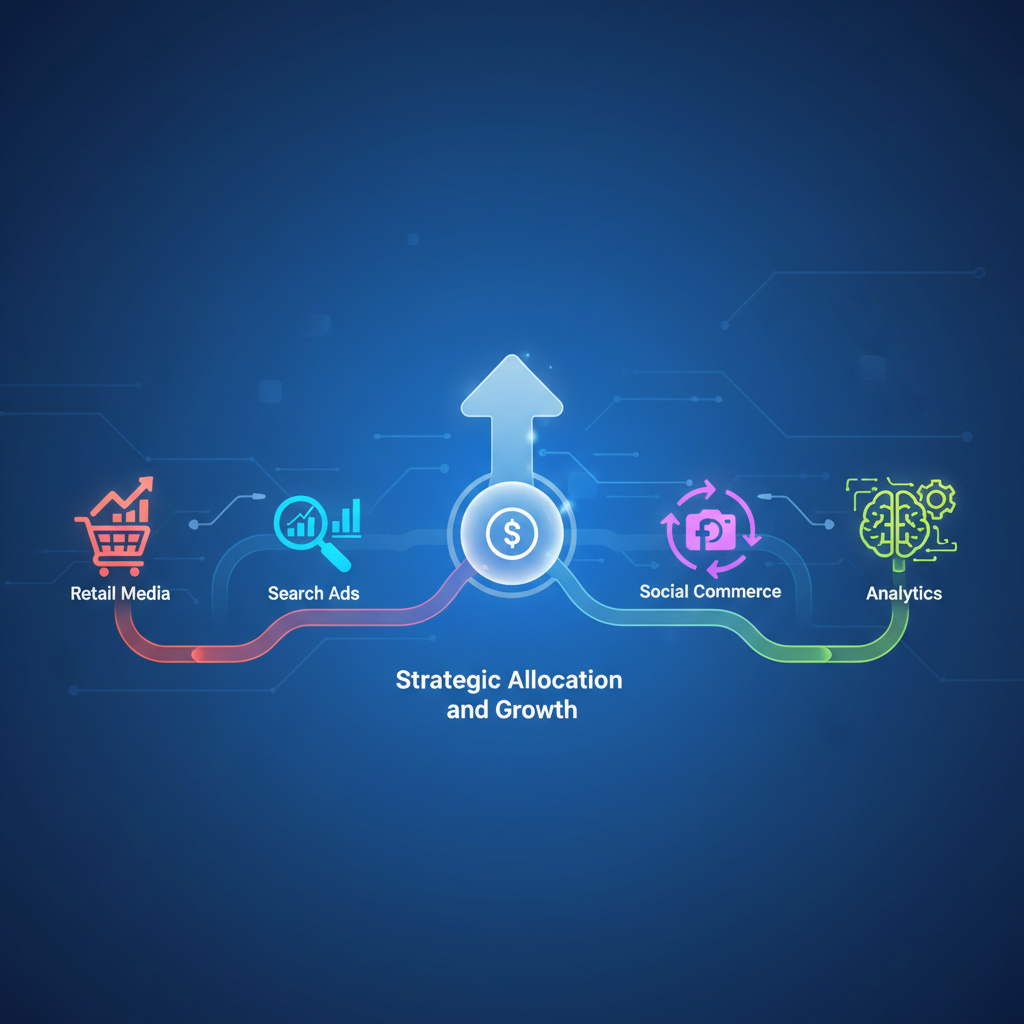
Optimizing Your Commerce Media Budget Allocation for Growth
Commerce media budget allocation is the strategic distribution of marketing spend across various retail and e-commerce platforms to drive sales, enhance brand visibility, and achieve specific business objectives. In today’s competitive digital landscape, understanding where and how to invest your advertising dollars is paramount for maximizing return on investment (ROI). This article will explore the critical aspects of effective commerce media budget planning, providing insights into navigating the evolving ecosystem and making informed decisions for sustained growth. We’ll delve into the nuances of different media types and offer a comprehensive guide to developing a robust strategy.
Understanding the Evolving Landscape of Commerce Media
Commerce media encompasses all advertising efforts placed directly on or within retail platforms and marketplaces, alongside traditional digital advertising channels, to influence purchasing decisions at the point of sale. This dynamic environment requires a nuanced approach to commerce media budget allocation, as brands increasingly recognize the power of reaching consumers closer to conversion. The landscape is continuously shifting, with new ad formats and platforms emerging regularly.
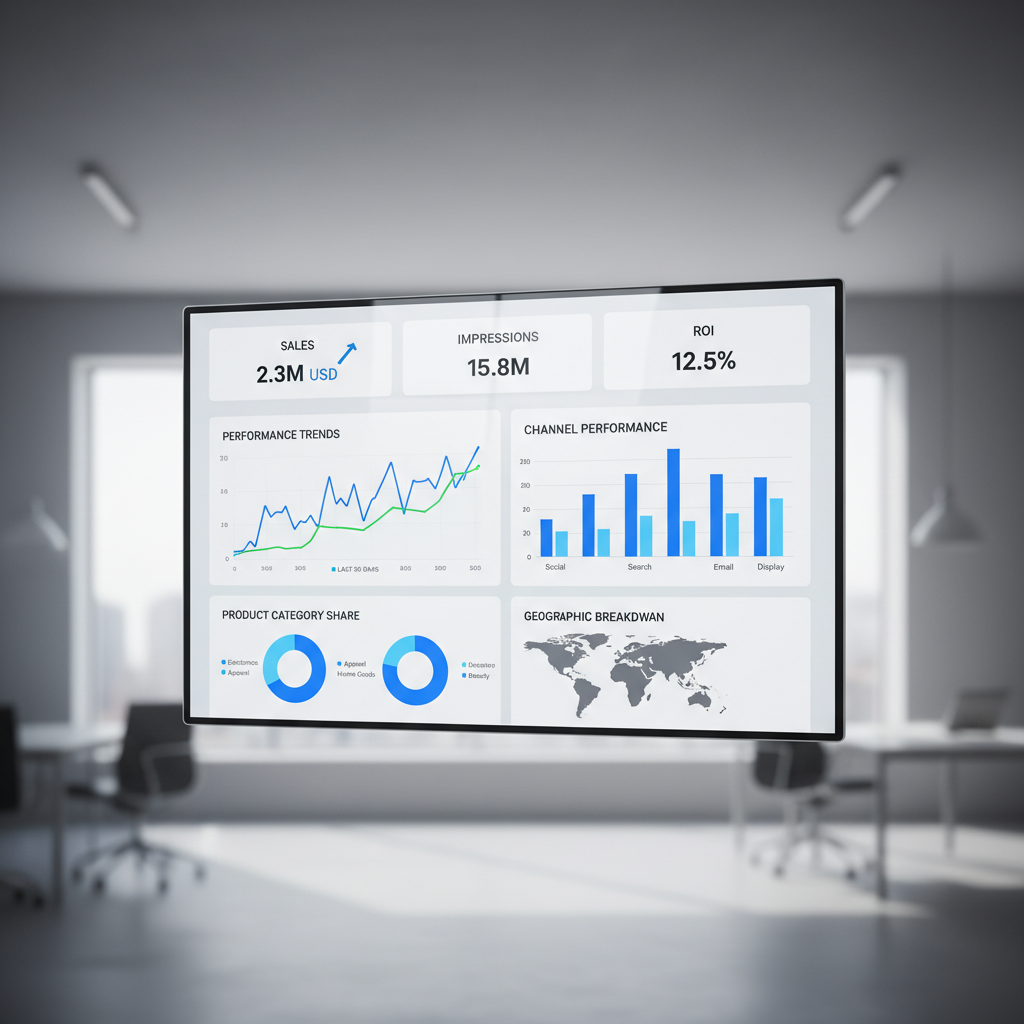
Brands must adapt their strategies to leverage these opportunities effectively. This involves not only understanding the technical aspects of each platform but also the consumer journey within them. A well-informed allocation ensures that marketing spend targets the most impactful touchpoints, from discovery to purchase.
What Defines Commerce Media and Its Importance for Brands?
Commerce media refers to advertising placed directly on retail websites, apps, and other commerce-enabled platforms, allowing brands to promote products directly where consumers shop. Its importance lies in its ability to influence purchasing decisions at a critical stage, often leading to higher conversion rates compared to traditional top-of-funnel advertising. By appearing directly alongside products, brands can capture intent and drive immediate sales. This direct connection to transactional data also provides rich insights for future optimization.
How Has the Commerce Media Ecosystem Changed in Recent Years?
The commerce media ecosystem has significantly expanded beyond traditional search and social advertising, with major retailers like Amazon, Walmart, and Target building robust advertising platforms. This shift has introduced a powerful “third pillar” of digital advertising, offering brands direct access to shoppers with high purchase intent. The rise of first-party data within these retail environments also enables highly targeted and personalized ad experiences, moving beyond reliance on third-party cookies. This evolution demands a more integrated and sophisticated approach to commerce media budget allocation.
Retail Media vs. Search Ads: Strategic Performance Media Allocation
When considering performance media allocation, brands often weigh the benefits of retail media vs search ads, each offering distinct advantages for reaching consumers. Retail media places advertisements directly on e-commerce platforms where transactions occur, while search ads appear on search engines like Google, guiding users to various websites. Both are crucial for driving sales, but their strategic deployment depends on specific campaign goals and the consumer’s stage in the buying journey. For more insights, check out our guide on Digital Marketing Services.
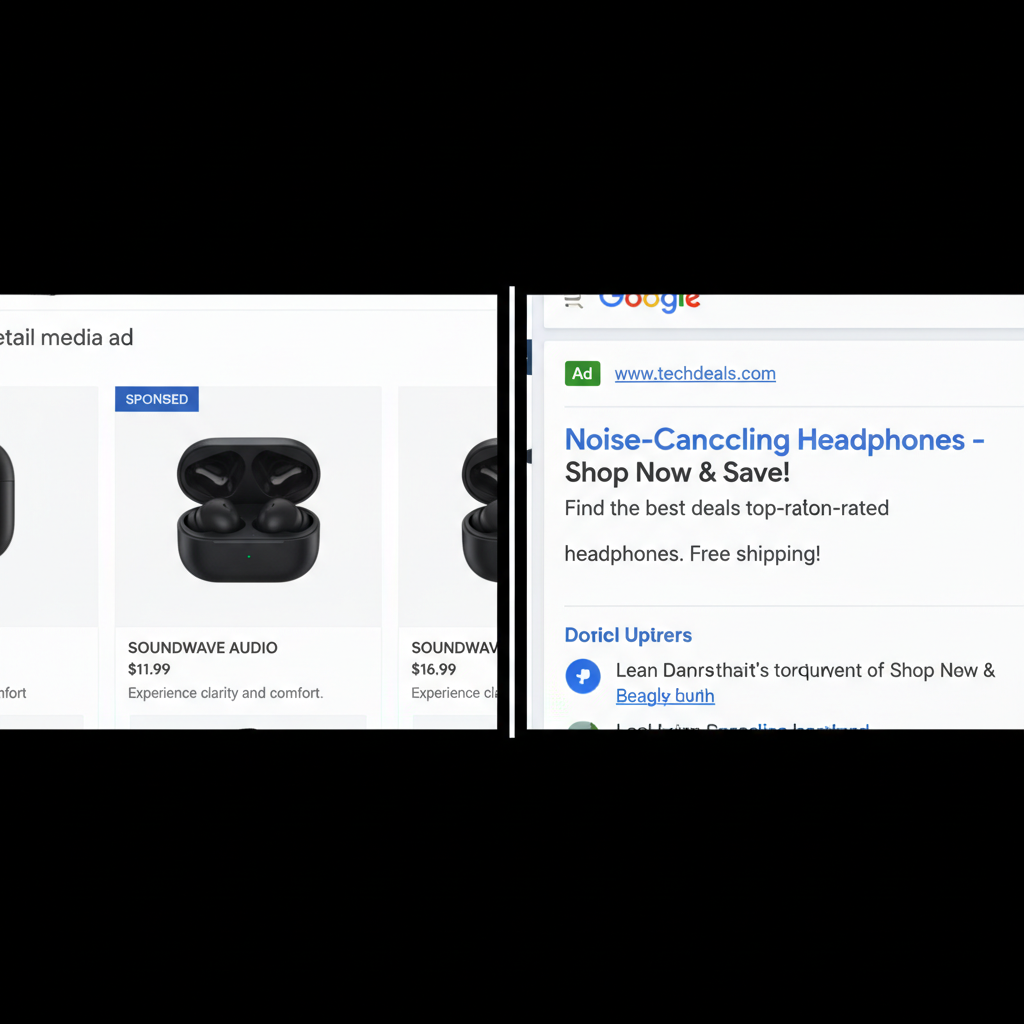
Effective commerce media budget allocation requires a clear understanding of when to prioritize one over the other, or how to integrate both for a synergistic effect. For instance, retail media excels at capturing late-stage intent, while search ads are powerful for discovery and consideration.
Comparing Reach and Intent: Retail Media’s Edge
Retail media platforms offer unparalleled access to consumers who are actively shopping and have high purchase intent. Ads appear directly on product pages, search results within the retailer’s site, or category pages, putting products in front of buyers at the moment of decision. This proximity to conversion often results in higher click-through rates and return on ad spend for specific products. While traditional search ads cast a wider net, retail media provides a more concentrated audience with immediate buying signals. This makes it a powerful channel for driving bottom-funnel conversions and increasing market share within specific retail environments.
When to Prioritize Search Ads for Discovery and Consideration
Search ads remain indispensable for brand discovery and driving traffic during earlier stages of the consumer journey. When consumers are researching products, comparing options, or seeking solutions to problems, they often turn to search engines. Investing in search ads allows brands to capture this initial interest and guide potential customers to their own websites or specific product listings on various retail sites. For new product launches or building brand awareness outside of specific retail ecosystems, search ads are a critical component of a balanced performance media allocation. They help establish brand presence and educate consumers before they even enter a retail environment.
Crafting Your Retail Media Budget Planning: Key Considerations
Effective retail media budget planning is not a one-size-fits-all endeavor; it requires a strategic approach tailored to specific business objectives, product categories, and target audiences. Brands must consider a multitude of factors, including platform capabilities, competitive intensity, and expected return on investment. A well-structured plan ensures that resources are allocated efficiently to maximize visibility and sales within the increasingly competitive retail media landscape. This planning process is central to successful commerce media budget allocation. For more insights, check out our guide on Digital Marketing Services.
Success hinges on continuous optimization and a willingness to adapt as market conditions evolve. Without careful planning, ad spend can quickly become inefficient, yielding suboptimal results.
Key Factors Influencing Your Retail Media Spend
Several critical factors should guide your retail media budget planning. First, consider the specific retail platform (e.g., Amazon, Walmart Connect, Instacart Ads) and its audience demographics, ad formats, and competitive environment. Second, evaluate your product’s category and its competitive density; highly competitive categories often require larger budgets to gain visibility. Third, assess your overall business goals, whether it’s driving sales volume, increasing market share, or launching a new product. Finally, analyze historical performance data and projected ROI for different campaigns and ad types to inform future allocations.
Here’s a breakdown of key considerations:
* Platform Specifics: Each retail media platform has unique algorithms, ad types, and audience behaviors.
* Product Category Competition: Highly saturated categories demand more aggressive bidding and budget.
* Campaign Objectives: Sales, awareness, market share – each goal dictates different budget levels.
* Historical Performance Data: Leverage past campaign data to forecast future success and optimize spend.
* Seasonality and Promotions: Allocate more budget during peak shopping seasons or promotional periods.
Allocating Budget Across Different Retail Media Ad Formats
Retail media budget planning also involves strategically distributing funds across various ad formats offered by platforms. These typically include sponsored product ads, sponsored brand ads, display ads, and video ads. Sponsored product ads are excellent for driving immediate sales for specific items, appearing directly in search results and product pages. Sponsored brand ads help build brand awareness and drive traffic to a brand’s store page. Display and video ads offer broader reach and storytelling capabilities, often used for upper-funnel initiatives. A balanced approach often combines these formats, with a larger portion typically dedicated to performance-driven sponsored products to ensure direct sales impact.
Optimizing Performance Media Allocation Across Diverse Commerce Channels
Optimizing performance media allocation across diverse commerce channels is essential for brands seeking to maximize their reach and conversion potential in a fragmented digital landscape. This involves not only distributing budgets across different retail media platforms but also integrating these efforts with other digital marketing channels. A holistic approach ensures that every dollar spent contributes to a cohesive customer journey, from initial discovery to final purchase. Effective optimization requires continuous monitoring, analysis, and adaptation based on real-time performance data.
Brands that excel at this integration often see significant improvements in overall campaign effectiveness and ROI. Understanding the interplay between channels is key to unlocking full potential. For insights into how to achieve this, exploring Digital Marketing Services can provide valuable guidance on next-gen strategies.
Strategies for Cross-Channel Performance Media Allocation
Cross-channel performance media allocation demands a strategy that considers the unique role of each channel in the customer journey. For example, social media ads might drive initial awareness, while search ads capture consideration, and retail media closes the sale. Brands should develop a unified attribution model to understand how different touchpoints contribute to conversions, avoiding siloed budget decisions. Experimentation with budget shifts between channels, based on performance metrics like ROAS (Return on Ad Spend) and CPA (Cost Per Acquisition), is crucial. This iterative process allows for dynamic reallocation to channels delivering the best results.
Leveraging Data and Analytics for Smarter Budget Decisions
Data and analytics are the bedrock of smart performance media allocation. Brands must collect and analyze data from all their commerce media campaigns, including impressions, clicks, conversions, and sales. Utilizing advanced analytics tools can help identify trends, pinpoint underperforming campaigns, and uncover opportunities for optimization. Predictive analytics can even forecast future performance based on historical data, enabling proactive budget adjustments. Regular A/B testing of ad creatives, targeting parameters, and bidding strategies provides actionable insights, ensuring that budget decisions are data-driven rather than speculative. This continuous feedback loop is vital for sustained campaign success.
Developing a Robust Commerce Media Strategy for Future Success
Developing a robust commerce media strategy 2026 requires looking beyond immediate campaign performance and building a framework that can adapt to future market shifts and technological advancements. This forward-thinking approach ensures sustained competitive advantage and long-term growth. Brands must integrate their commerce media efforts into their broader marketing and business objectives, creating a unified vision that drives both brand building and direct sales. A well-defined strategy anticipates evolving consumer behaviors and platform changes, positioning the brand for resilience and innovation.
This strategic foresight is particularly important as the commerce media landscape continues its rapid evolution. Brands that plan proactively will be better equipped to capitalize on emerging opportunities.
Key Pillars of an Effective Commerce Media Strategy
An effective commerce media strategy 2026 rests on several key pillars. First, a deep understanding of the target audience and their shopping behaviors across different platforms is paramount. Second, clear, measurable objectives must be established for each campaign, whether it’s increasing market share, driving new customer acquisition, or boosting specific product sales. Third, a flexible budget allocation model that allows for agile adjustments based on performance and market trends is crucial. Finally, continuous testing, learning, and optimization across all channels will ensure campaigns remain effective and efficient. These pillars provide a solid foundation for any brand’s commerce media efforts.
Integrating Commerce Media with Overall Marketing Objectives
Integrating commerce media with overall marketing objectives is vital for a cohesive and impactful brand presence. Instead of viewing commerce media in isolation, brands should align it with their broader brand awareness, customer loyalty, and content marketing initiatives. For instance, campaigns designed to build brand equity can leverage commerce media to drive direct sales once awareness is established. Similarly, insights gained from commerce media performance can inform product development and merchandising strategies. This synergy creates a powerful ecosystem where each marketing effort reinforces the others, leading to a more efficient use of resources and a stronger connection with consumers.
| Aspect | Retail Media | Search Ads (General) |
|---|---|---|
| Primary Goal | Direct sales, market share on specific platforms | Discovery, consideration, traffic generation |
| Consumer Intent | High purchase intent (active shoppers) | Research, problem-solving, broad interest |
| Ad Placement | Within retail sites/apps (product pages, search results) | Search engine results pages (SERPs) |
| Data Leverage | First-party retail shopper data | Search query data, third-party audience data |
| Attribution | Often direct, last-click within platform | Multi-touch attribution often required |
| Best For | Bottom-funnel conversions, product visibility | Top-to-mid funnel awareness, brand building |
What is commerce media budget allocation?
Commerce media budget allocation is the strategic process of distributing marketing funds across various retail and e-commerce advertising platforms. Its purpose is to maximize sales, improve brand visibility, and achieve specific business goals by targeting consumers directly at their point of purchase. This involves careful consideration of different ad formats and platforms to ensure optimal return on investment.
How does retail media differ from traditional search ads?
Retail media places ads directly on e-commerce platforms like Amazon or Walmart, targeting consumers with high purchase intent as they shop. Traditional search ads, conversely, appear on search engines and aim to capture user interest earlier in the buying journey. Retail media focuses on conversion at the point of sale, while search ads often drive discovery and consideration across the wider web.
Why is a dedicated retail media budget planning important?
Dedicated retail media budget planning is crucial because it ensures that marketing spend is strategically aligned with specific retail platform dynamics and consumer behaviors. It helps brands navigate competitive environments, allocate funds efficiently across various ad formats, and optimize for direct sales and market share within specific retail ecosystems. Without it, budgets can be misspent, leading to suboptimal results.
What are the key components of a commerce media strategy?
A comprehensive commerce media strategy involves understanding your target audience, setting clear and measurable objectives, implementing a flexible budget allocation model, and committing to continuous testing and optimization. It also includes integrating these efforts with broader marketing goals to create a unified and impactful brand presence across all channels. This holistic approach drives long-term success.
How can brands optimize performance media allocation?
Brands can optimize performance media allocation by leveraging robust data and analytics to inform decisions. This includes analyzing campaign performance across all channels, employing cross-channel attribution models, and conducting regular A/B testing. Dynamic budget reallocation based on real-time ROAS and CPA metrics ensures that funds are continuously shifted towards the most effective campaigns and platforms, maximizing overall efficiency.
Navigating the complexities of commerce media budget allocation is vital for brands aiming to thrive in today’s digital marketplace. By understanding the distinct advantages of various channels, from the direct conversion power of retail media to the discovery capabilities of search ads, businesses can craft a more effective and profitable marketing strategy. Strategic retail media budget planning, informed by data and a clear vision, empowers brands to make intelligent investment decisions.
Key takeaways for optimizing your commerce media spend include:
* Prioritize understanding the unique strengths of each commerce media channel.
* Develop a flexible and data-driven approach to budget allocation.
* Integrate retail media efforts with your broader digital marketing strategy for synergistic results.
* Continuously analyze performance metrics to inform and refine future spending.
* Embrace a forward-thinking commerce media strategy 2026 to adapt to evolving trends.
By adopting these principles, brands can ensure their marketing dollars are working harder, driving both immediate sales and sustained growth.