
Progressive Web App PWA Marketing Strategy for User Engagement
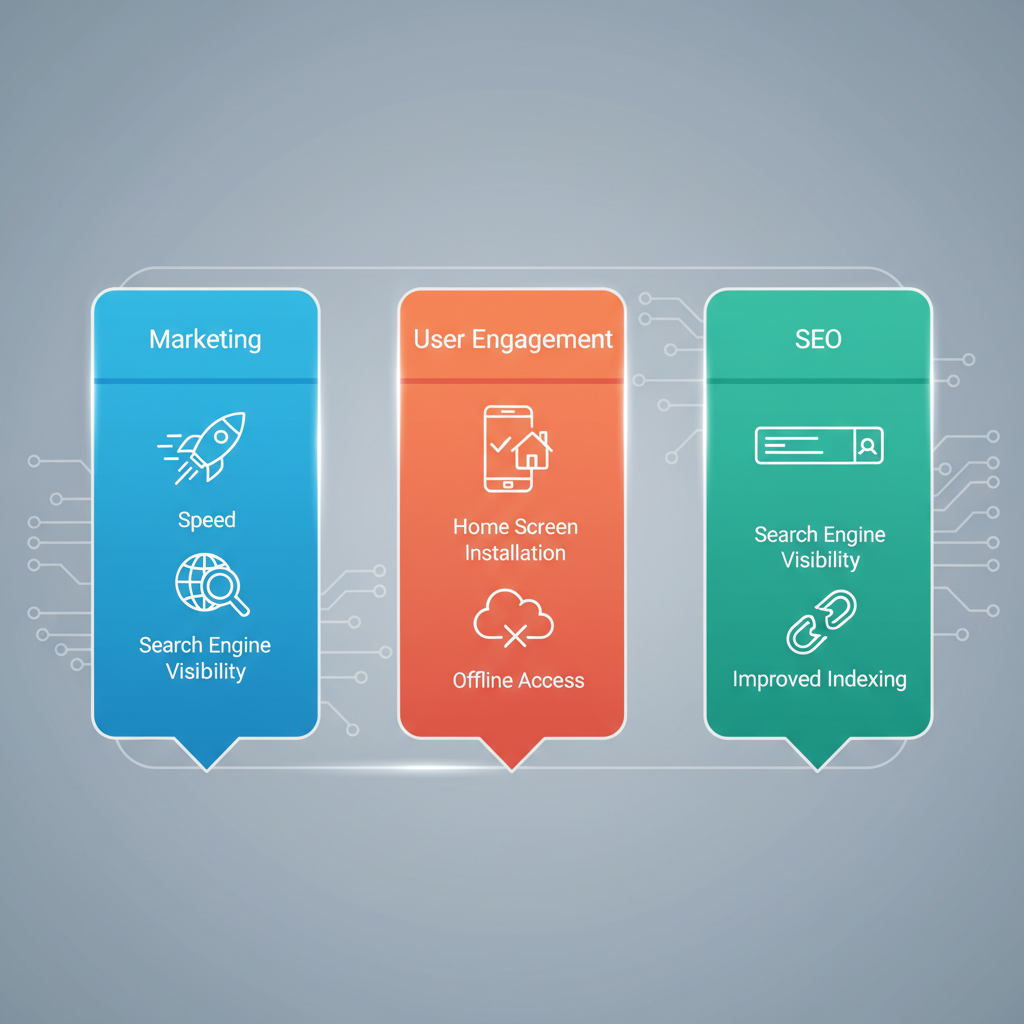
A progressive web app PWA marketing strategy for user engagement is vital for businesses aiming to connect with their audience effectively across devices. PWAs offer a unique blend of web accessibility and native app features, providing a fast, reliable, and engaging user experience. Implementing a robust PWA marketing strategy can significantly boost customer interaction, improve retention, and drive conversions. This approach leverages modern web capabilities to deliver app-like experiences directly through a browser, reducing friction and enhancing overall digital presence. Understanding how to harness these capabilities is key to unlocking new levels of engagement and achieving marketing success.
Optimizing PWA Features for Enhanced Mobile Marketing and Push Notifications
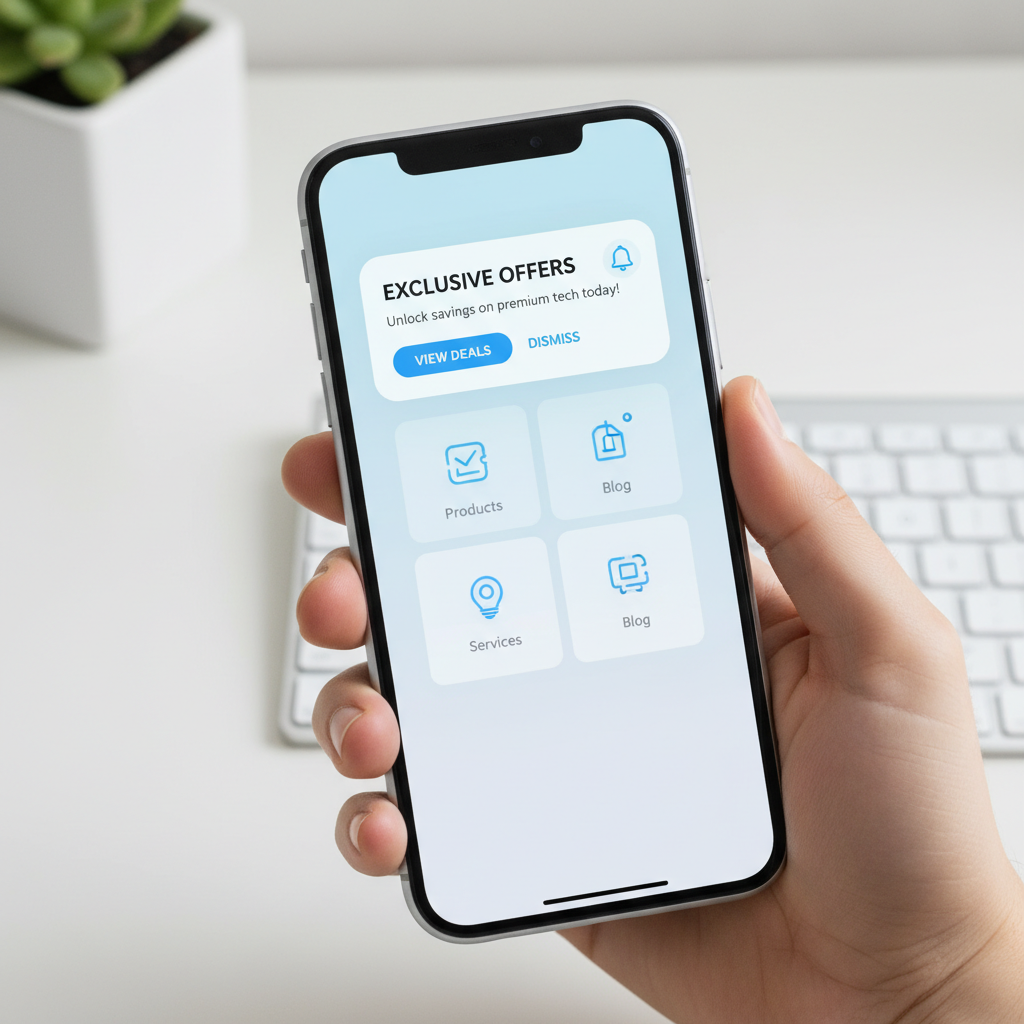
Optimizing PWA features for push notifications and mobile marketing is crucial for direct and effective communication with users. Progressive Web Apps offer a powerful channel to re-engage visitors and drive conversions through timely and relevant messages. These notifications bypass traditional email marketing limitations, appearing directly on a user’s device screen.
How to Implement Effective PWA Push Notification Campaigns
Implementing effective PWA push notification campaigns requires strategic planning and personalization. Businesses should segment their audience based on behavior, preferences, and past interactions to deliver highly relevant content. For instance, an e-commerce brand can send notifications about abandoned carts, new product arrivals, or personalized discounts. This targeted approach significantly increases the likelihood of user interaction.
Key considerations for PWA push notification campaigns include:
* Opt-in Prompts: Design clear and compelling opt-in prompts that explain the value users will receive. Avoid immediate requests; instead, trigger prompts after a user has shown initial engagement.
* Personalization: Tailor messages to individual user behavior. Referencing past purchases or browsing history makes notifications more appealing.
* Timing: Send notifications at optimal times when users are most likely to engage. Analyze user data to determine peak activity hours.
* Frequency: Balance notification frequency to avoid overwhelming users, which can lead to unsubscribes. A consistent, non-intrusive schedule is best.
* Rich Media: Utilize rich media elements like images and action buttons to make notifications more visually appealing and actionable.
Integrating PWAs into a Comprehensive Mobile Marketing Strategy
Integrating PWAs into a comprehensive mobile marketing strategy extends beyond just push notifications. PWAs enhance the entire mobile user journey, providing a fast, reliable, and engaging experience. This integration allows for a seamless transition from initial discovery through search engines to repeated engagement. Mobile marketing efforts can leverage the PWA’s installability, making it easily accessible from the home screen, much like a native app.
Furthermore, PWA capabilities like offline access and fast loading times contribute to a superior user experience, which is a core component of successful mobile marketing. Businesses can promote their PWA across various channels, including social media, email campaigns, and paid advertising, highlighting its benefits such as no app store download, instant access, and data saving. This holistic approach ensures that the PWA acts as a central hub for mobile engagement.
PWA Versus Native App: Comparing Marketing Performance and User Preference
When considering PWA vs native app which is better for marketing performance, it’s essential to analyze their distinct advantages and disadvantages in terms of reach, cost, and user experience. While native apps offer deep device integration and app store visibility, PWAs provide broader accessibility, lower development costs, and faster deployment. The choice often depends on specific business goals and target audience behavior.

Key Differences in Marketing Reach and Accessibility
PWAs generally offer superior marketing reach due to their web-first nature. They are discoverable through search engines, shareable via URLs, and accessible on any device with a browser. This eliminates the barrier of app store downloads, making initial engagement much easier for users. Native apps, conversely, rely heavily on app store optimization (ASO) and user willingness to download an application, which can be a significant hurdle. A PWA’s ability to be instantly available means a user can engage with content or make a purchase immediately upon discovering it.
Here’s a comparison of key marketing performance indicators:
| Feature | Progressive Web App (PWA) | Native App |
|---|---|---|
| Discovery | Search engines, URLs, social media | App stores (Google Play, Apple App Store) |
| Installation | “Add to Home Screen” prompt, instant | Requires app store download, multi-step process |
| Development Cost | Generally lower (single codebase) | Higher (platform-specific codebases) |
| Update Process | Automatic updates upon page refresh | Manual user updates via app stores |
| Offline Capabilities | Yes (via service workers) | Yes |
| Device Features Access | Limited but growing (e.g., camera, GPS, push notifications) | Full access (e.g., contacts, advanced sensors) |
| SEO Potential | High (indexable by search engines) | Low (not directly indexed by web search engines) |
Understanding User Preference and Engagement Models
User preference often dictates the success of a digital marketing channel. Many users prefer PWAs for their convenience and speed, avoiding the commitment of a full app download. For businesses, this translates to lower acquisition costs and higher initial engagement rates. Users can experience the app-like functionality without occupying significant device storage. However, native apps might be preferred for highly complex applications requiring extensive device hardware integration or for users who value the curated experience of app stores. For tasks like quick browsing, content consumption, or e-commerce transactions, PWAs often provide a more frictionless experience, leading to better short-term engagement. The choice between PWA and native app should align with the user’s typical interaction patterns and the specific functionalities required.
Strategies for Maximizing PWA Installation Rates in Ecommerce
Maximizing the PWA installation rate optimization strategy for ecommerce brands is critical for fostering repeat visits and deeper user engagement. An installed PWA provides a direct access point from the user’s home screen, bypassing browser navigation and increasing brand visibility. This “add to home screen” functionality transforms a website into an app-like experience, driving loyalty and convenience for shoppers.
Designing Compelling PWA Installation Prompts
The key to encouraging PWA installations lies in designing clear, timely, and value-driven installation prompts. Instead of immediately asking users to install, ecommerce brands should wait until a user has demonstrated engagement, such as browsing multiple product pages, adding items to a cart, or completing a purchase. This indicates a higher intent and willingness to commit. The prompt itself should clearly articulate the benefits of installation. For example, highlighting features like faster loading, offline access, exclusive deals, or direct access to their account can motivate users.
Effective prompt strategies include:
* Contextual Triggers: Display the prompt after a positive user interaction, like a second visit or adding an item to a wishlist.
* Benefit-Oriented Messaging: Clearly state what the user gains by installing the PWA (e.g., “Install for faster shopping & exclusive offers!”).
* Non-Intrusive Design: Use banners or subtle pop-ups that don’t disrupt the user experience excessively.
* Educational Content: Briefly explain what a PWA is and why it’s beneficial if the user isn’t familiar.
* A/B Testing: Continuously test different prompt designs, timings, and messaging to identify what resonates best with your audience.
Leveraging PWA for Enhanced Ecommerce User Experience
A PWA naturally enhances the ecommerce user experience, which in turn drives higher installation rates. Its speed and reliability, even on unstable networks, reduce bounce rates and improve conversion funnels. Offline capabilities mean users can browse products or review their cart without an internet connection, resuming their session once online. This seamless experience builds trust and encourages users to make the PWA their preferred shopping channel. Brands can also integrate PWA features like push notifications to inform users about order status, sales, or personalized recommendations, further cementing the PWA’s value. The ability to load instantly and navigate smoothly mimics a native app, providing a premium feel without the download hassle. This superior performance is a strong incentive for users to keep the PWA readily accessible on their device. For businesses looking to optimize their digital marketing efforts and deliver next-gen experiences, exploring Digital Marketing Services can provide valuable insights into integrating such advanced technologies.
Leveraging Progressive Web App SEO Benefits for Google Search Visibility
Leveraging progressive web app SEO benefits and strategy for Google search is crucial for enhancing online visibility and driving organic traffic. Unlike traditional native apps, PWAs are inherently web-based, making them fully indexable by search engines. This means that all the content within a PWA can be discovered, crawled, and ranked, providing a significant advantage in terms of search engine optimization.
Understanding PWA Indexability and Ranking Factors
PWAs are essentially websites built with enhanced capabilities, meaning they adhere to standard web SEO best practices. Google treats PWAs as regular websites for indexing purposes, allowing their content to appear in search results. Key ranking factors for PWAs include speed, mobile-friendliness, security (HTTPS), and user experience. Because PWAs are designed for speed and responsiveness, they naturally perform well on metrics that Google prioritizes. Fast loading times, especially on mobile devices, contribute to lower bounce rates and improved user engagement, both positive signals for search engines. Ensuring the PWA has a robust internal linking structure, high-quality content, and proper meta tags is just as important as for any other website.
Key SEO considerations for PWAs:
* HTTPS: All PWAs must be served over HTTPS, which is a ranking factor and essential for security.
* Mobile-First Indexing: Google primarily uses the mobile version of content for indexing and ranking. PWAs are inherently mobile-friendly, aligning perfectly with this.
* Page Speed: PWAs are built for speed, using service workers to cache assets and provide instant loading. This significantly impacts SEO performance.
* Structured Data: Implementing schema markup helps search engines understand the content better, leading to richer snippets in search results.
* Crawlability: Ensure `robots.txt` and meta robots tags allow search engine crawlers to access all relevant PWA content.
* Responsive Design: A PWA must adapt seamlessly to various screen sizes, providing an optimal experience across devices.
Strategies for Optimizing PWA Content for Search Engines
Optimizing PWA content for search engines involves a combination of technical SEO and content marketing strategies. Start by conducting thorough keyword research to identify relevant terms your target audience uses. Integrate these keywords naturally into headings, body text, and meta descriptions. Focus on creating high-quality, valuable content that answers user queries and provides solutions. For ecommerce PWAs, optimize product pages with detailed descriptions, high-resolution images, and customer reviews. Ensure that all URLs are clean, descriptive, and SEO-friendly. Regular content updates and the acquisition of high-quality backlinks also play a crucial role in improving search rankings. By treating your PWA as a powerful website and applying comprehensive SEO tactics, you can significantly boost its visibility in Google search results and attract more organic users.
Measuring and Improving PWA User Engagement Metrics
Measuring and improving PWA user engagement metrics is fundamental for understanding the effectiveness of your marketing strategy and optimizing the user experience. Unlike traditional websites, PWAs offer a richer set of interactions, including offline access and push notifications, which require a tailored approach to analytics. By tracking key performance indicators, businesses can identify areas for improvement and refine their PWA to better serve their audience.
Key Metrics for PWA Engagement Tracking
Tracking specific metrics provides insights into how users interact with your PWA. Beyond standard website analytics like page views and bounce rate, PWAs offer unique data points. The “Add to Home Screen” event is a crucial indicator of user commitment and satisfaction. Engagement with push notifications, including open rates and click-through rates, reveals the effectiveness of your mobile marketing efforts. Offline usage statistics can highlight the value of your service worker implementation. Session duration, frequency of visits, and conversion rates (e.g., purchases, form submissions) remain vital for assessing overall business impact. Monitoring these metrics helps paint a comprehensive picture of user behavior within the PWA environment.
Important PWA engagement metrics include:
* PWA Installation Rate: The percentage of unique visitors who add the PWA to their home screen.
* Push Notification Opt-in Rate: The percentage of users who agree to receive push notifications.
* Push Notification Engagement: Open rates and click-through rates for sent notifications.
* Offline Usage: The number of users accessing the PWA without an internet connection.
* Time Spent in PWA: Average session duration, indicating how long users actively engage.
* Repeat Visits: Frequency of users returning to the PWA.
* Conversion Rate: The percentage of users completing a desired action (e.g., purchase, lead generation).
* Loading Speed: Core Web Vitals (LCP, FID, CLS) are crucial for user experience and SEO.
Strategies for Enhancing PWA User Retention and Interaction
Enhancing PWA user retention and interaction involves continuous optimization based on collected data. Personalization is a powerful tool; tailor content, offers, and notifications to individual user preferences and behaviors. For example, an ecommerce PWA can suggest products based on past browsing history or purchase patterns. Optimizing the PWA’s performance, particularly loading speed and responsiveness, is paramount. A slow or buggy experience will quickly deter users. Regular updates with new features, content, and security enhancements keep the PWA fresh and valuable. Implementing interactive elements, such as quizzes, polls, or user-generated content sections, can also boost engagement. Furthermore, soliciting user feedback through in-app surveys or reviews provides direct insights for improvement. By consistently refining the PWA based on these strategies and metrics, businesses can significantly improve user loyalty and drive sustained interaction.
What is a Progressive Web App (PWA)?
A Progressive Web App (PWA) is a type of application software delivered through the web, built using common web technologies including HTML, CSS, and JavaScript. It is intended to work on any platform that uses a standards-compliant browser, combining the features of a mobile app with the broad reach of the web. PWAs offer app-like experiences, including offline capabilities, push notifications, and home screen installation, without requiring an app store download.
How do PWAs improve user engagement?
PWAs improve user engagement through several key features. Their fast loading times and reliable performance reduce friction, encouraging longer sessions. Push notifications allow for direct and timely communication, re-engaging users with personalized content. The “Add to Home Screen” feature provides easy access, making repeat visits more likely. Offline capabilities ensure continuous access to content, even without an internet connection, enhancing user convenience.
Are PWAs good for SEO?
Yes, PWAs are excellent for SEO because they are essentially websites that are fully indexable by search engines. They benefit from fast loading speeds, mobile-friendliness, and secure HTTPS connections, all of which are important Google ranking factors. By adhering to standard SEO best practices, such as keyword optimization and structured data, PWAs can achieve high visibility in search results, driving organic traffic.
Can PWAs send push notifications?
Yes, PWAs can send push notifications, a core feature that significantly enhances mobile marketing. These notifications appear directly on a user’s device, even when the browser is closed, similar to native app notifications. Users must first opt-in to receive them, allowing businesses to send timely updates, personalized offers, and re-engagement messages, fostering direct communication with their audience.
What is the PWA installation rate?
The PWA installation rate refers to the percentage of unique users who choose to “Add to Home Screen” and install a Progressive Web App on their device. This metric is crucial for ecommerce brands and other businesses, as it indicates user commitment and the PWA’s perceived value. A higher installation rate typically leads to increased repeat visits and deeper engagement with the brand.
What is the main difference between a PWA and a native app for marketing?
The main difference for marketing lies in accessibility and distribution. PWAs are web-based, instantly accessible via a URL, and discoverable through search engines, offering broader reach without app store hurdles. Native apps require downloading from an app store, offering deeper device integration but often facing higher acquisition barriers. PWAs generally have lower development costs and faster deployment, making them agile for marketing campaigns.
A progressive web app PWA marketing strategy for user engagement offers a powerful and future-proof approach for businesses seeking to thrive in the digital landscape. By embracing the unique capabilities of PWAs, companies can deliver exceptional user experiences that drive measurable results. The ability to combine the reach of the web with the functionality of native apps presents an unparalleled opportunity for engagement.
Key takeaways for a successful PWA marketing strategy include:
* Leverage PWA features like push notifications for direct and personalized mobile marketing.
* Understand the benefits of PWAs over native apps for broader reach and lower development costs.
* Optimize PWA installation rates through compelling prompts and enhanced user experiences, especially for ecommerce.
* Harness PWA SEO benefits to improve Google search visibility and attract organic traffic.
* Continuously measure and improve engagement metrics to refine your strategy and maximize user retention.
By focusing on these strategic pillars, businesses can unlock the full potential of progressive web apps, fostering deeper connections with their audience and achieving sustainable growth in an increasingly competitive market.