
Deep Linking Strategy for Mobile App Marketing & Re-engagement
Deep Linking Strategy For Mobile App Marketing And Re-engagement
In today’s competitive digital landscape, a robust deep linking strategy for mobile app marketing and re-engagement is crucial for driving user acquisition, improving retention, and maximizing return on investment. Deep links are powerful tools that guide users directly to specific content within an app, bypassing the need for manual navigation. This seamless user experience significantly enhances engagement and conversion rates, making them indispensable for any successful mobile app campaign. By understanding and implementing various types of deep links, marketers can create highly personalized and effective pathways for their audience, from initial acquisition to ongoing re-engagement efforts.
Understanding Mobile Deep Links: Types and Core Concepts
Mobile deep links are specialized URLs that direct users to specific content or screens within a mobile application, rather than just opening the app to its home screen. This technology significantly improves user experience by eliminating unnecessary navigation steps. Deep links act as direct shortcuts, guiding users precisely where they intend to go, whether it’s a product page, a specific article, or a user profile. For more insights, check out our guide on Digital Marketing Services.
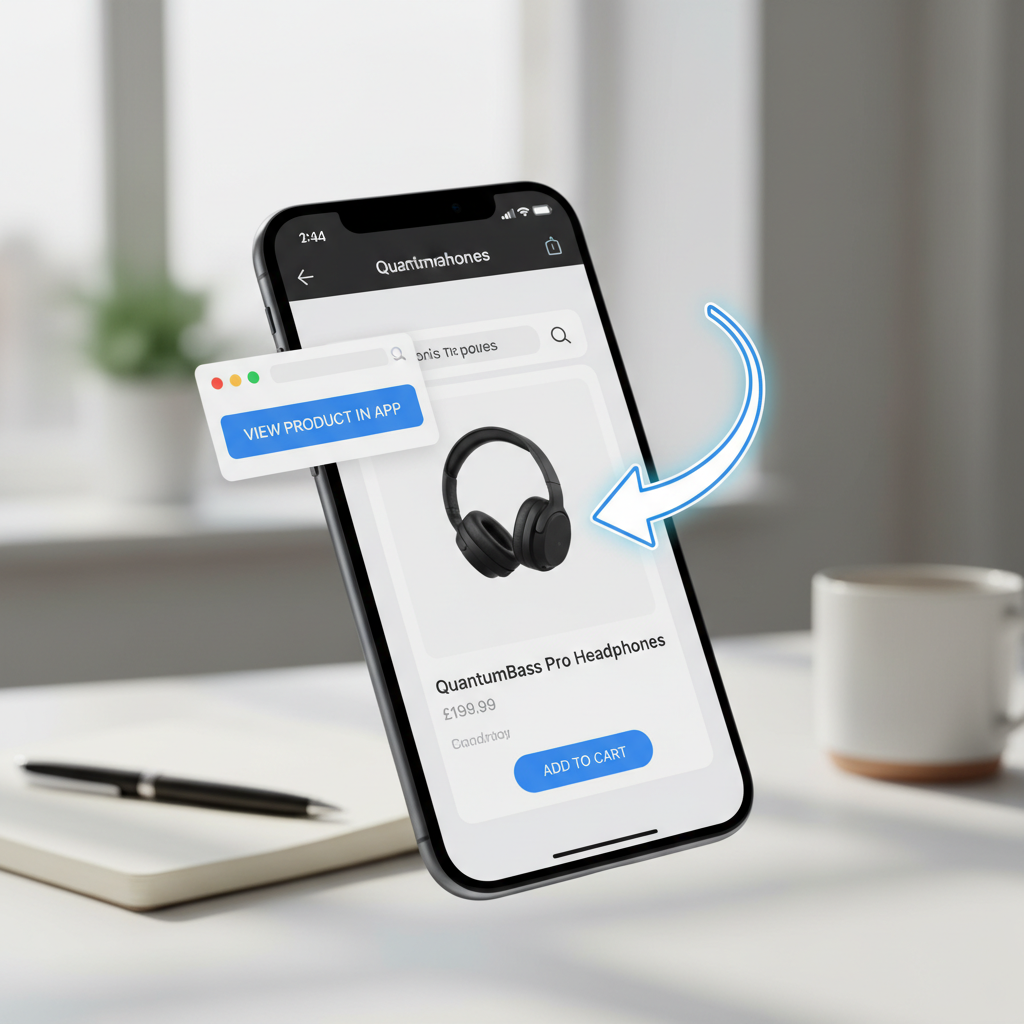
What are the fundamental types of deep links for app marketers?
The fundamental types of deep links for app marketers include standard deep links, deferred deep links, and universal links (for iOS) or App Links (for Android). Each type serves a distinct purpose in guiding users to in-app content. Understanding these variations is critical for a comprehensive deep linking strategy for mobile app marketing and re-engagement.
* Standard Deep Links: These links work only if the app is already installed on the user’s device. If the app is not present, the link typically fails, leading to a poor user experience. They are essentially custom URL schemes (e.g., `myapp://product/123`).
* Deferred Deep Links: These are more sophisticated. If the app is not installed, the user is first redirected to the app store to download it. After installation, the app remembers the original deep link and directs the user to the intended content. This provides a seamless experience for new users.
* Universal Links (iOS) and App Links (Android): These are the most advanced and user-friendly deep links. They are standard HTTP/HTTPS links that function as both web URLs and deep links. If the app is installed, they open the app to the specified content. If not, they open the corresponding content on the mobile website or redirect to the app store. This provides a consistent experience across all scenarios.
How do universal links and deferred deep links strategy for app marketing differ?
Universal Links and deferred deep links strategy for app marketing differ primarily in their handling of app installation status and underlying technology. Universal Links (and Android App Links) are standard web URLs that iOS and Android can recognize as belonging to an app, offering a smooth fallback to a mobile website or app store. Deferred deep links, on the other hand, are designed specifically to “defer” the deep linking action until after a new user has installed the app, ensuring they land on the correct content post-installation. This makes deferred deep links invaluable for new user acquisition campaigns.
How to Use Mobile Deep Links for Better App Campaign Performance
Utilizing mobile deep links for better app campaign performance involves integrating them strategically across various marketing channels to create personalized user journeys. By directing users precisely to the content they are interested in, deep links reduce friction, enhance engagement, and ultimately boost conversion rates. This approach transforms generic app installs into meaningful user interactions, directly contributing to campaign success.

What are key strategies for integrating deep links into acquisition campaigns?
Key strategies for integrating deep links into acquisition campaigns focus on providing a direct path to valuable content, even for first-time users. This significantly improves the initial user experience and conversion rates. For instance, an ad promoting a specific product should deep link directly to that product page within the app, rather than the app’s home screen.
* Paid Advertising: Use deep links in search ads, social media ads, and display ads. If a user clicks an ad for a specific sale item, the deep link should take them directly to that item within your app. This dramatically improves the likelihood of a purchase.
* Email Marketing: When sending promotional emails, ensure all call-to-action buttons deep link to relevant sections of your app. For example, a “Shop New Arrivals” button should open the app’s new arrivals section.
* Social Media Posts: Share deep links on social platforms to promote specific content, events, or features within your app. This makes it easy for followers to engage directly with your offerings.
* QR Codes: Generate QR codes that embed deep links. When scanned, these codes can instantly transport users to specific in-app experiences, useful for offline marketing efforts.
How can deep links enhance the user experience and conversion funnels?
Deep links enhance the user experience and conversion funnels by removing barriers and personalizing the journey. Instead of forcing users to navigate through multiple screens, deep links provide instant access to desired content, reducing drop-off rates. This streamlined process leads to higher conversion rates for actions like purchases, subscriptions, or content consumption. For example, if a user clicks a link about a specific article from a newsletter, the deep link takes them directly to that article in the app, rather than the app’s general news feed. This direct access makes the user’s interaction more efficient and satisfying.
Implementing a Robust Deep Link Attribution Strategy for Mobile App Advertising Campaigns
A robust deep link attribution strategy for mobile app advertising campaigns is essential for accurately measuring the effectiveness of your marketing efforts and optimizing your spend. Attribution helps you understand which channels, campaigns, and creative assets are driving app installs and in-app actions. Without proper attribution, it’s challenging to justify marketing investments and identify areas for improvement.
Why is deep link attribution crucial for measuring campaign ROI?
Deep link attribution is crucial for measuring campaign ROI because it connects specific user actions within the app back to the initial marketing touchpoint that led to the app install or re-engagement. This allows marketers to understand the true value generated by each campaign, rather than just tracking installs. It helps in identifying which campaigns are most effective at driving high-value users and in-app conversions, enabling data-driven budget allocation. For example, knowing that users who clicked a specific ad and deep-linked to a product page have a 30% higher purchase rate allows you to optimize future ad spend.
What are the key components of a comprehensive deep link attribution setup?
The key components of a comprehensive deep link attribution setup include a Mobile Measurement Partner (MMP) SDK, accurate parameter passing, and robust analytics dashboards. An MMP (e.g., AppsFlyer, Adjust, Branch) is vital for tracking installs, in-app events, and attributing them to the correct source.
* Mobile Measurement Partner (MMP) SDK Integration: This is the foundation. The MMP’s SDK is integrated into your app to track installs and in-app events. It captures data related to clicks, impressions, and post-install activity.
* Attribution Parameters: Deep links must include specific parameters (e.g., campaign ID, source, creative name) that the MMP can read to attribute the install or event correctly. These parameters are appended to the deep link URL.
* Deferred Deep Linking Logic: For new users, the attribution system must correctly identify the original deep link parameters after the app is installed, ensuring they land on the intended content.
* Analytics and Reporting: A robust dashboard provided by the MMP or an integrated analytics platform allows you to visualize attribution data, track key performance indicators (KPIs), and generate reports. This helps in understanding campaign performance and user behavior.
App Re-engagement Campaign Strategy with Deep Links and Push Notifications
An effective app re-engagement campaign strategy with deep links and push notifications is vital for retaining users, increasing lifetime value, and reducing churn. Many users download an app but then become inactive over time. Deep links, combined with targeted push notifications, provide a powerful mechanism to bring these users back into the app and guide them to relevant content or offers, reigniting their interest and activity.
How do deep links and push notifications work together for re-engagement?
Deep links and push notifications work together for re-engagement by creating a direct and personalized path back into the app for inactive users. A push notification can alert a user to a new feature, a personalized discount, or an item left in their cart. When the user taps this notification, a deep link embedded within it immediately takes them to that specific content within the app, eliminating friction and making the re-engagement process seamless. This direct access significantly increases the likelihood of the user completing the desired action.
What are effective deep linking tactics for bringing back dormant users?
Effective deep linking tactics for bringing back dormant users involve highly personalized and timely messaging that addresses their specific needs or interests. The goal is to remind users of the app’s value and provide an immediate reason to return.
Here are some examples:
1. Abandoned Cart Reminders: Send a push notification with a deep link directly to a user’s abandoned shopping cart, prompting them to complete their purchase.
2. Personalized Recommendations: If a user previously browsed certain products or content, send a notification with a deep link to new, similar items or articles within the app.
3. Special Offers and Discounts: Announce limited-time promotions via push notifications, deep linking users directly to the sale section or a specific discounted item.
4. New Content Alerts: For content-heavy apps (e.g., news, streaming), notify users about new episodes, articles, or features they might be interested in, using deep links to take them directly to the content.
5. Milestone Achievements: For gaming or fitness apps, celebrate user milestones with a notification and a deep link to their profile or a reward screen.
By combining these tactics, marketers can craft compelling re-engagement campaigns that effectively leverage deep links to reactivate dormant users. This also ties into broader Digital Marketing Services that aim to optimize user journeys across all touchpoints.
Best Practices for Optimizing Your Deep Linking Strategy and Performance
Optimizing your deep linking strategy for mobile app marketing and re-engagement requires adherence to several best practices that ensure reliability, a positive user experience, and accurate data collection. A well-optimized deep linking strategy maximizes user engagement and provides valuable insights into campaign performance. This includes consistent testing, careful implementation, and continuous monitoring.
How can you ensure a seamless user experience with deep links?
You can ensure a seamless user experience with deep links by implementing universal links/app links, providing graceful fallbacks, and thoroughly testing all deep link paths. A seamless experience means users are always directed to the correct content, regardless of whether they have the app installed or which device they are using. This minimizes frustration and maximizes the likelihood of engagement.
* Prioritize Universal Links/App Links: These provide the best user experience by opening the app directly if installed or falling back to the mobile web or app store if not.
* Implement Robust Fallbacks: For all deep links, ensure there’s a clear fallback mechanism. If the app isn’t installed or the deep link fails for any reason, users should be directed to a relevant page (e.g., app store, mobile website, or a custom landing page) rather than an error.
* Contextual Deep Linking: Ensure the content a user is deep-linked to is highly relevant to the link they clicked. Misleading deep links can quickly lead to user frustration and uninstalls.
* Test Extensively: Regularly test all deep links across various devices, operating systems, and app installation states (app installed, app not installed) to catch any issues before they impact users.
What are the key considerations for deep link implementation and maintenance?
Key considerations for deep link implementation and maintenance involve technical setup, ongoing monitoring, and strategic alignment with marketing goals. Proper implementation ensures deep links function correctly, while maintenance guarantees their continued effectiveness and relevance.
| Consideration | Description | Impact on Strategy |
|---|---|---|
| Technical Setup | Correctly configure Universal Links/App Links files (e.g., `apple-app-site-association`, `assetlinks.json`) and integrate MMP SDKs. | Ensures reliable deep link functionality and accurate attribution. |
| Schema Management | Maintain a clear and consistent deep link URL scheme across all platforms and content types. | Prevents broken links and simplifies content mapping for marketers. |
| Versioning | Plan for how deep links will behave with future app updates and new content. | Ensures deep links remain functional even as the app evolves. |
| Security | Protect against malicious deep linking or data exposure. | Safeguards user privacy and app integrity. |
| Monitoring & Analytics | Regularly track deep link performance, click-through rates, and conversion paths. | Identifies underperforming links and opportunities for optimization. |
Common Challenges and Effective Solutions in Deep Linking Implementation
Implementing a comprehensive deep linking strategy for mobile app marketing and re-engagement can present several technical and strategic challenges. These often include issues with cross-platform compatibility, accurate attribution, and ensuring a smooth user journey. Addressing these challenges proactively is crucial for maximizing the effectiveness of your deep linking efforts and achieving your marketing objectives.
What are the typical technical hurdles in deep link setup?
Typical technical hurdles in deep link setup often revolve around ensuring consistent functionality across different operating systems and managing the complexities of app-to-web transitions. These challenges require careful configuration and ongoing attention from development teams.
* Platform-Specific Implementations: iOS Universal Links and Android App Links require distinct configurations (e.g., `apple-app-site-association` file for iOS, `assetlinks.json` for Android). Misconfigurations can lead to deep links failing or opening the mobile web instead of the app.
* Fragmented Android Ecosystem: The vast array of Android devices and versions can sometimes lead to inconsistent deep link behavior, requiring extensive testing.
* Handling Non-Installed Apps: Implementing reliable deferred deep linking logic, which directs new users to the app store and then to specific content post-installation, can be technically complex.
* Deep Link Parameter Parsing: Correctly extracting and utilizing parameters from deep links within the app to display the right content requires robust in-app logic.
* Conflicts with Web Content: Ensuring that deep links prioritize the app over the mobile website when the app is installed, and vice-versa, can be tricky to manage without proper setup.
How can marketers overcome deep link attribution and user experience challenges?
Marketers can overcome deep link attribution and user experience challenges by leveraging Mobile Measurement Partners (MMPs), implementing robust fallback mechanisms, and continuously monitoring performance. These solutions help ensure that every user interaction is tracked accurately and that users always have a positive experience, regardless of the app’s installation status.
1. Utilize a Reliable Mobile Measurement Partner (MMP): An MMP is indispensable for accurate deep link attribution. It helps track clicks, installs, and in-app events, linking them back to the correct source, even with deferred deep links.
2. Implement Comprehensive Fallback Strategies: For every deep link, design a clear path for users if the app isn’t installed or the deep link fails. This could be directing them to the app store, a mobile web page, or a custom landing page that explains the situation.
3. Regular Testing Across Platforms: Consistently test deep links on various devices, operating systems, and app versions (both installed and uninstalled states) to identify and fix issues promptly.
4. Clear Communication with Development Teams: Foster strong collaboration with your development team to ensure deep link implementation aligns with marketing goals and technical capabilities.
5. Monitor Deep Link Performance Metrics: Track key metrics like click-through rates, conversion rates, and user retention associated with deep-linked campaigns. Use these insights to iterate and optimize your strategy.
What is the primary benefit of a deep linking strategy?
The primary benefit of a deep linking strategy is the creation of a seamless and personalized user experience. It directs users directly to specific content within an app, reducing friction and improving engagement. This leads to higher conversion rates for app installs, purchases, and re-engagement campaigns, ultimately boosting overall app campaign performance.
How do deep links impact mobile app re-engagement?
Deep links significantly impact mobile app re-engagement by enabling targeted communication. When combined with push notifications or email campaigns, deep links can direct inactive users back to specific products, offers, or content they previously showed interest in. This personalized approach effectively reminds users of the app’s value and encourages renewed activity.
Can deep links work for users who haven’t installed the app yet?
Yes, deferred deep links are specifically designed for users who haven’t installed the app yet. When a user clicks a deferred deep link, they are first taken to the app store. After installing and opening the app, they are then directed to the specific content that was intended by the original deep link. This ensures a smooth onboarding experience for new users.
What is the difference between Universal Links and standard deep links?
Universal Links (iOS) and App Links (Android) are standard HTTP/HTTPS web links that also function as deep links, offering a graceful fallback to a mobile website if the app isn’t installed. Standard deep links, conversely, use custom URL schemes (e.g., `myapp://`) and typically fail if the app is not already present on the device, providing a less robust user experience.
Why is deep link attribution important for app marketing?
Deep link attribution is important for app marketing because it allows marketers to accurately measure which campaigns and channels are driving app installs and valuable in-app actions. By linking user behavior back to specific marketing touchpoints, businesses can optimize their ad spend, identify effective strategies, and calculate the true return on investment for their mobile app advertising campaigns.
How can I test my deep links effectively?
To test deep links effectively, you should use a combination of manual testing and dedicated deep link testing tools. Verify functionality across various devices, operating systems (iOS and Android), and app installation states (app installed, app not installed). Pay close attention to fallbacks and ensure all parameters are correctly passed and processed within the app to deliver the intended content.
A well-executed deep linking strategy for mobile app marketing and re-engagement is no longer a luxury but a necessity for any app looking to thrive in today’s competitive landscape. By leveraging the power of deep links, marketers can craft seamless user journeys that drive acquisition, enhance retention, and significantly boost overall app campaign performance.
Key takeaways for a successful deep linking strategy include:
* Prioritize Universal Links and App Links for the most robust user experience.
* Implement deferred deep links to onboard new users effectively and guide them to specific content post-install.
* Integrate deep links across all marketing channels, from paid ads to email and social media.
* Establish a strong deep link attribution strategy using an MMP to accurately measure ROI.
* Combine deep links with push notifications for powerful app re-engagement campaigns.
* Always ensure graceful fallbacks and rigorous testing to maintain a flawless user experience.
Embrace deep linking to transform your mobile app marketing efforts, creating more personalized, efficient, and ultimately more successful interactions with your audience.