
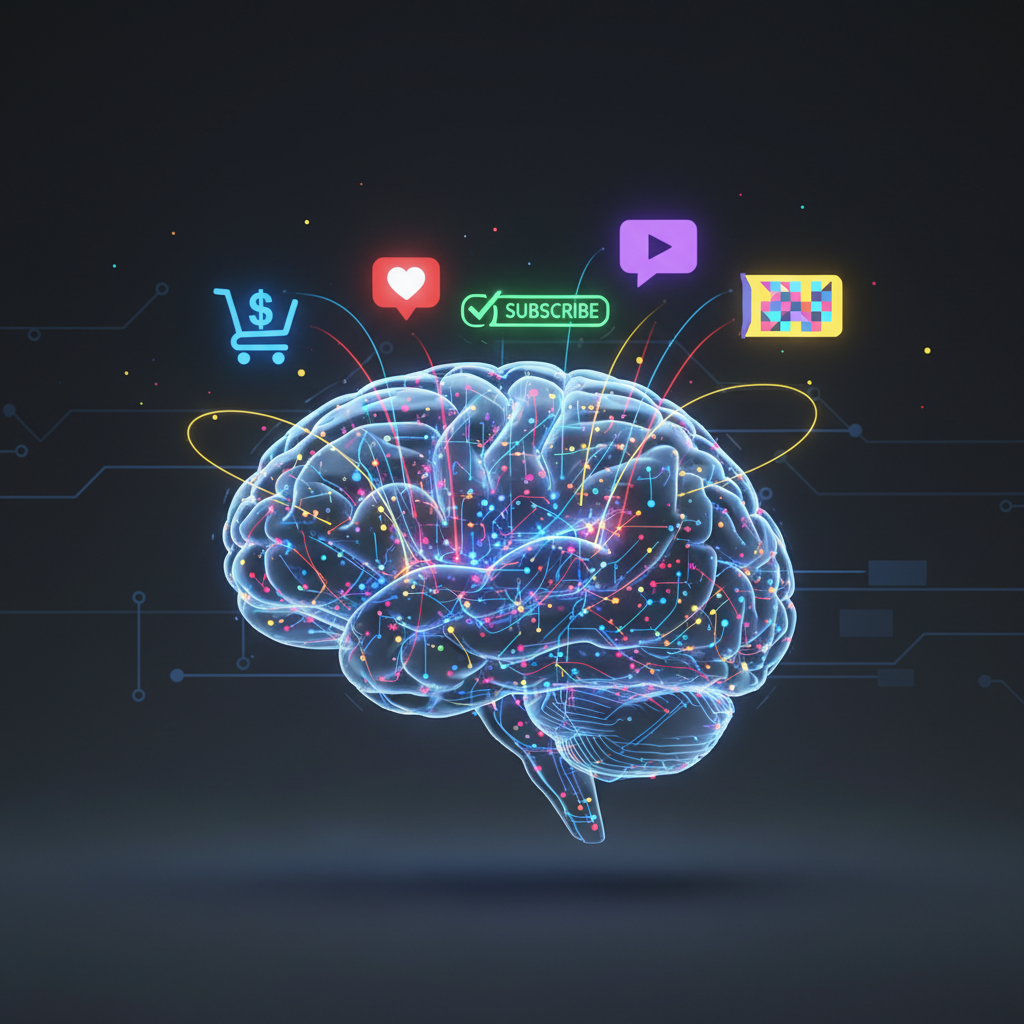
DATE: 2026-04-25 | CATEGORY: General | TOPIC: “neuromarketing and behavioral psychology strategy for digital ads 2026”
Neuromarketing And Behavioral Psychology Strategy For Digital Ads
In the competitive landscape of online advertising, a robust neuromarketing and behavioral psychology strategy for digital ads is crucial for cutting through the noise and achieving superior results. This advanced approach leverages insights into how the human brain processes information, makes decisions, and reacts to stimuli, directly influencing consumer behavior. By understanding the subconscious drivers behind purchasing decisions, marketers can craft highly effective digital campaigns that resonate deeply with their target audience. This article explores key strategies derived from neuroscience and behavioral economics, providing actionable insights for optimizing digital advertising performance.
How Cognitive Biases Improve Marketing Conversion Rate Optimization for Digital Ads
Cognitive biases are systematic errors in thinking that influence judgments and decisions, offering powerful levers for improving marketing conversion rate optimization in digital ads. By understanding and strategically applying these biases, marketers can subtly guide consumers toward desired actions. These mental shortcuts, while often unconscious, play a significant role in how individuals perceive value, urgency, and trustworthiness in advertising messages.

Leveraging Anchoring Bias in Pricing Strategies
Anchoring bias occurs when individuals rely too heavily on an initial piece of information (the “anchor”) when making decisions. In digital advertising, this can be effectively used in pricing strategies by presenting a higher original price before revealing a discounted one. Consumers perceive the discounted price as a better deal relative to the initial, higher anchor, even if they would not have considered the original price. This technique makes the current offer seem more attractive and increases the perceived value of the product or service.
Applying the Framing Effect to Ad Messaging
The framing effect demonstrates that people react to a particular choice in different ways depending on how it is presented or “framed.” For instance, presenting a product as “90% fat-free” is often more appealing than “contains 10% fat,” even though the objective information is identical. For digital ads, framing benefits in terms of gains versus losses can significantly impact user engagement. Highlighting what a customer stands to gain (e.g., “Save $100 annually”) or avoid losing (e.g., “Don’t miss out on these savings”) can alter their perception and drive clicks.
Understanding Loss Aversion in Customer Decisions
Loss aversion describes people’s tendency to prefer avoiding losses to acquiring equivalent gains. The psychological impact of losing something is generally stronger than the pleasure of gaining the same thing. Digital ads can tap into loss aversion by emphasizing what potential customers might miss out on if they don’t act. Free trials that expire, limited-time offers, or warnings about stock running out are all examples of leveraging loss aversion to encourage immediate conversion. This powerful bias motivates users to take action to prevent a perceived negative outcome.
Scarcity and Urgency Marketing Strategy for Higher Ecommerce Sales
A well-executed scarcity and urgency marketing strategy for higher ecommerce sales directly taps into human psychology, creating a powerful impetus for immediate action. These tactics leverage the fear of missing out (FOMO) and the perceived increased value of limited availability, compelling potential customers to convert quickly. By signaling that an opportunity is fleeting, businesses can significantly accelerate the purchasing decision process.

Implementing Time-Sensitive Offers in Digital Campaigns
Time-sensitive offers are a classic application of urgency, creating a deadline for a special price, discount, or bonus. Digital ads can prominently feature countdown timers, “offer ends soon” banners, or specific expiration dates to motivate immediate clicks and purchases. This strategy is particularly effective for flash sales or seasonal promotions, where the limited window adds significant pressure. The clear deadline pushes consumers past deliberation into action, preventing them from delaying their purchase.
Creating Limited Stock Alerts for Product Pages
Scarcity is effectively communicated through limited stock alerts, indicating that only a few items remain. This tactic can be displayed on product pages, in ad copy, or even within retargeting campaigns. Phrases like “Only 3 left in stock!” or “Selling fast!” trigger a psychological response that enhances the product’s desirability and encourages prompt acquisition. When consumers perceive a product as scarce, its perceived value often increases, making them more likely to buy before it’s gone.
The Psychology Behind Fear of Missing Out (FOMO)
FOMO is a pervasive social anxiety characterized by the desire to stay continually connected with what others are doing. Scarcity and urgency marketing directly exploit FOMO by suggesting that if a customer doesn’t act now, they will miss out on a valuable opportunity or a desirable product that others are enjoying. This psychological trigger is extremely potent in the digital realm, where social media constantly highlights what peers are experiencing. Digital ads that showcase popular items selling out or limited-time deals disappearing effectively leverage FOMO to drive quick conversions.
Color Psychology and Design Strategy for Digital Marketing Campaigns
Color psychology and design strategy for digital marketing campaigns play a critical, often subconscious, role in influencing user perception, emotion, and behavior. Colors evoke specific feelings and associations, while thoughtful design guides the user’s eye and reinforces brand messaging. A well-executed visual strategy can significantly impact conversion rates and brand recall by creating a harmonious and persuasive user experience. Businesses seeking to optimize their digital presence often explore Digital Marketing Services that specialize in visual branding and ad creative.
Choosing Effective Colors for Call-to-Action Buttons
The color of a call-to-action (CTA) button can dramatically affect its click-through rate. While there’s no single “best” color, contrast is key: the CTA should stand out from the surrounding design elements. Warm colors like red, orange, and yellow often convey urgency and excitement, making them popular choices for driving immediate action. Green can suggest growth, freshness, or “go,” while blue might imply trustworthiness. Testing different colors against your specific audience and website design is crucial to identify the most effective option.
Visual Hierarchy and Attention-Grabbing Ad Layouts
Visual hierarchy is the arrangement of elements in a way that implies importance, guiding the viewer’s eye through the ad. In digital marketing, effective ad layouts use size, color, contrast, and spacing to draw attention to the most critical information first. Larger, bolder headlines, prominent product images, and strategically placed CTA buttons ensure that the ad’s core message and desired action are immediately clear. A cluttered or confusing layout, conversely, can overwhelm users and lead to disengagement.
Brand Perception Through Color Association
Colors are deeply intertwined with brand perception and can communicate values, personality, and industry. For example, blue often conveys trust, professionalism, and stability, making it common in financial or tech industries. Green is associated with nature, health, and sustainability, while red can signify passion, energy, or danger. Consistent use of a brand’s color palette across all digital marketing campaigns reinforces brand identity and builds recognition. Understanding these associations helps marketers select colors that align with their brand’s message and resonate with their target audience.
Social Proof and Authority Bias Strategy in Performance Ad Creative
Implementing a social proof and authority bias strategy in performance ad creative is a highly effective method for building trust and encouraging conversions in digital marketing. People are inherently influenced by the actions and opinions of others, especially those perceived as experts or part of a large group. By showcasing positive external validation, advertisers can significantly reduce perceived risk and accelerate the decision-making process for potential customers.
Utilizing Customer Testimonials and Reviews in Ads
Customer testimonials and reviews are powerful forms of social proof, demonstrating that real people have used and benefited from a product or service. Integrating compelling quotes, star ratings, or short video testimonials directly into digital ad creative can dramatically increase credibility. When potential buyers see authentic endorsements from satisfied customers, they are more likely to trust the brand and believe in the product’s value. These personal stories resonate more deeply than generic marketing claims.
Influencer Marketing and Expert Endorsements
Influencer marketing leverages the authority bias by featuring individuals who have established credibility and trust within a specific niche. When an influencer or an recognized expert endorses a product in a digital ad, their followers and the wider audience are more inclined to view the product favorably. This is because people tend to defer to the judgment of those they perceive as knowledgeable or influential. The endorsement acts as a powerful signal of quality and reliability, making the ad more persuasive.
Displaying Popularity and User-Generated Content
Highlighting a product’s popularity, such as “X thousand units sold” or “Y people bought this today,” provides strong social proof by suggesting widespread acceptance and desirability. User-generated content (UGC), like customer photos or videos featuring the product, further amplifies this effect. UGC feels more authentic and relatable than professionally produced ads, making it highly effective in building community and trust. Displaying these elements in performance ad creatives can create a sense of belonging and assure new customers that they are making a popular choice.
Emotional Resonance and Narrative in Digital Ad Campaigns
Creating emotional resonance and a compelling narrative in digital ad campaigns is paramount for forging deeper connections with audiences and driving lasting engagement. Ads that evoke strong emotions—whether joy, empathy, or inspiration—are more memorable and more likely to influence behavior than purely factual ones. Storytelling provides a powerful framework for delivering these emotional messages, making the ad experience more relatable and impactful.
Crafting Story-Driven Ad Copy for Engagement
Story-driven ad copy transcends simple product features by weaving a narrative that customers can connect with on a personal level. This involves presenting a problem, introducing the product as a solution, and showing the positive transformation or outcome for the user. For example, instead of just listing features of a fitness tracker, an ad might tell the story of someone who achieved their health goals with its help. Such narratives make the product’s benefits tangible and emotionally resonant, fostering greater engagement and recall.
Evoking Specific Emotions to Drive Action
Different emotions can drive different actions, and strategically evoking them in digital ads is key. Joy and aspiration can motivate purchases that promise a better future or lifestyle. Fear or anxiety (often subtly used in loss aversion) can prompt immediate action to avoid a negative outcome. Empathy can encourage support for a cause or a brand that aligns with shared values. By understanding the emotional triggers of their target audience, marketers can tailor their ad content to elicit the precise feelings that lead to desired conversions.
The Role of Empathy in Ad Personalization
Empathy in advertising involves understanding and reflecting the customer’s feelings, challenges, and aspirations. When digital ads demonstrate empathy, they create a sense of connection and understanding, making the customer feel seen and valued. This is particularly effective in personalized advertising, where messages are tailored to individual user data. An ad that acknowledges a customer’s specific pain point or celebrates their recent achievement, for example, shows empathy and builds rapport, making the brand more appealing and trustworthy.
Personalization and Predictive Analytics in Behavioral Marketing
Personalization and predictive analytics are at the forefront of behavioral marketing, enabling digital advertisers to deliver highly relevant and impactful campaigns. By leveraging vast amounts of user data, these strategies allow for the creation of tailored experiences that resonate deeply with individual preferences and anticipated needs. This advanced approach moves beyond broad targeting to deliver truly individualized ad content, significantly boosting engagement and conversion rates.
Segmenting Audiences for Hyper-Targeted Ads
Audience segmentation involves dividing a broad target market into smaller, more defined groups based on shared characteristics, behaviors, or demographics. Hyper-targeted ads then use these segments to deliver messages that are extremely relevant to each specific group. For example, an ad for running shoes might be shown only to users who have recently searched for fitness equipment or visited sports apparel websites. This precision ensures that ad spend is optimized and that the message reaches those most likely to convert, maximizing ROI.
Using AI to Predict Customer Behavior and Preferences
Artificial intelligence (AI) and machine learning are revolutionizing behavioral marketing by enabling predictive analytics. AI algorithms can analyze historical data, browsing patterns, purchase history, and even real-time interactions to forecast future customer behavior and preferences. This allows advertisers to anticipate what products or services a user might be interested in next, or what type of ad creative they might respond to best. Predictive models can identify customers at risk of churn or those most likely to make a high-value purchase, allowing for proactive and highly effective ad targeting.
Dynamic Content Optimization Based on User Data
Dynamic content optimization (DCO) utilizes user data to automatically adjust elements of a digital ad in real-time, delivering a personalized experience. This means different users might see different headlines, images, calls-to-action, or even product recommendations within the same ad unit, all based on their individual profiles and behaviors. For instance, an ad for a travel website might show images of beaches to a user who frequently searches for tropical destinations, while another user interested in hiking might see mountain landscapes. DCO ensures maximum relevance and engagement, making each ad impression as effective as possible.
What is neuromarketing in digital advertising?
Neuromarketing in digital advertising applies neuroscience principles to understand consumer responses to ads, measuring brain activity and physiological signals. This helps optimize ad creative, messaging, and placement for maximum subconscious impact and effectiveness, moving beyond traditional surveys.
How do cognitive biases impact ad effectiveness?
Cognitive biases are mental shortcuts that influence decision-making, often subconsciously. In advertising, they can make ads more effective by leveraging tendencies like loss aversion (fear of missing out), anchoring (perceiving value based on an initial price), or social proof (following the crowd) to drive conversions.
Why is scarcity important for ecommerce sales?
Scarcity creates a sense of urgency and increased perceived value, compelling customers to act quickly before an opportunity is gone. Limited stock alerts or time-sensitive offers trigger the fear of missing out (FOMO), accelerating purchasing decisions and boosting ecommerce sales.
How does color psychology influence digital marketing?
Color psychology influences digital marketing by evoking specific emotions and associations, impacting brand perception and user behavior. Different colors can make CTAs stand out, convey brand values (e.g., trust with blue, urgency with red), and guide the user’s eye through an ad.
What is the role of social proof in performance ads?
Social proof in performance ads builds trust and credibility by showing that others approve of or use a product. This includes customer testimonials, reviews, influencer endorsements, and displaying popularity metrics. It reduces perceived risk and encourages new customers to convert, leveraging the human tendency to follow the crowd.
How can personalization improve digital ad campaigns?
Personalization improves digital ad campaigns by tailoring content to individual user data, preferences, and behaviors. This increases relevance, engagement, and conversion rates by making ads feel more specific and valuable to each viewer. It moves beyond generic messaging to a more individualized approach.
Harnessing neuromarketing and behavioral psychology is no longer optional but essential for success in digital advertising. By understanding the subconscious drivers of consumer behavior, marketers can craft campaigns that are not only seen but truly felt and acted upon. The strategic application of cognitive biases, scarcity, urgency, color psychology, social proof, and personalized content creates a powerful synergy that optimizes every aspect of the digital ad funnel.
Key takeaways for your 2026 digital ad strategy include:
* Leverage cognitive biases like anchoring and loss aversion to frame offers persuasively.
* Implement scarcity and urgency tactics to create immediate demand and accelerate sales.
* Utilize color psychology and thoughtful design to guide attention and evoke desired emotions.
* Integrate social proof and authority bias through testimonials, influencers, and popularity indicators.
* Craft emotionally resonant narratives to build deeper connections and enhance ad recall.
* Employ personalization and predictive analytics for hyper-targeted and dynamically optimized ad experiences.
Embrace these scientifically-backed strategies to elevate your digital advertising efforts and achieve unparalleled conversion rate optimization.