
Paid Search Landing Page Personalization Guide
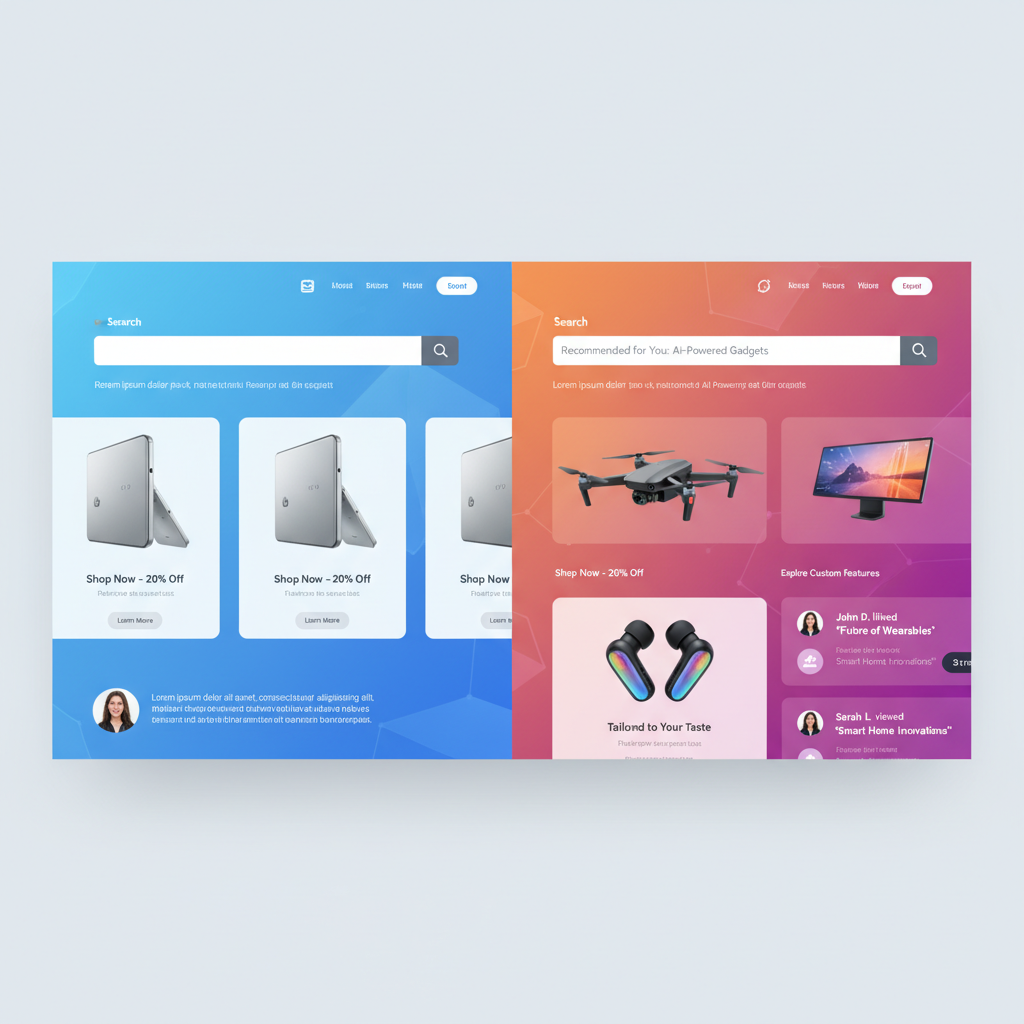
Paid search landing page personalization is a strategic approach that tailors the content and experience of a landing page to individual users based on their specific search query, demographics, or behavior. This technique significantly enhances the relevance of ad campaigns, leading to improved engagement and conversion rates. By delivering a more pertinent message, businesses can effectively meet user expectations directly after they click on a paid advertisement. This targeted approach transforms generic landing pages into highly relevant, conversion-focused destinations.
Why is Paid Search Landing Page Personalization Crucial for Conversions?
Paid search landing page personalization is crucial for conversions because it directly addresses user intent, creating a seamless and highly relevant post-click experience that generic pages cannot match. When a user clicks a paid ad, they expect the subsequent page to directly reflect their search query and the ad’s promise. Failing to meet this expectation often leads to immediate bounces and wasted ad spend. Personalization bridges this gap, making the user feel understood and valued from the moment they land on your site. For more insights, check out our guide on Digital Marketing Services.

Personalization goes beyond simply matching keywords. It involves understanding the user’s journey, their pain points, and what they hope to achieve. For instance, if a user searches for “red running shoes for women size 7,” a personalized landing page would immediately display those specific shoes, rather than a general category page for all running shoes. This immediate relevance builds trust and reduces friction in the conversion funnel. It also allows businesses to segment their audience more effectively, delivering tailored offers that resonate deeply with specific groups. This targeted approach significantly improves the likelihood of a desired action, whether it’s a purchase, a form submission, or a download. Ultimately, personalization transforms a casual click into a focused journey towards conversion, maximizing the return on investment for paid search campaigns.
Understanding User Intent for Enhanced Relevance
Understanding user intent is the foundational step for effective paid search landing page personalization. It involves deciphering the underlying need or goal behind a user’s search query. A user searching for “best CRM software for small business” has a different intent than someone searching for “CRM software pricing.” Recognizing these nuances allows marketers to present highly specific content, offers, and calls to action. This deep understanding ensures the landing page directly answers the user’s unstated questions and provides the most valuable information.
The Impact of Relevance on User Experience and Trust
Relevance profoundly impacts user experience and builds trust. When a landing page perfectly aligns with a user’s expectations, it creates a positive and efficient interaction. Users feel that their time is respected and that the advertiser genuinely understands their needs. This positive experience reduces frustration and cognitive load, making it easier for users to navigate the page and find what they are looking for. High relevance also signals credibility, fostering trust in the brand and encouraging users to proceed further down the conversion path. Conversely, a mismatch can quickly erode trust and lead to a high bounce rate.
How Does AI Landing Page Personalization Enhance User Experience?
AI landing page personalization significantly enhances user experience by leveraging advanced algorithms and machine learning to deliver hyper-relevant content and offers in real-time. This sophisticated approach moves beyond basic keyword matching, allowing pages to adapt dynamically to individual user behaviors, preferences, and implicit signals. AI analyzes vast amounts of data, including past interactions, demographic information, and real-time browsing patterns, to predict what content will be most engaging and persuasive for each visitor.
For example, an e-commerce landing page powered by AI might automatically reorder product recommendations, adjust promotional banners, or even alter the copy based on whether a user has previously viewed certain categories or responded to specific offers. This level of dynamic adaptation ensures that every element on the page is optimized to resonate with the individual, making their journey more intuitive and satisfying. AI can also identify and mitigate potential friction points, such as confusing navigation or irrelevant calls to action, by testing and adapting page elements on the fly. The result is a highly engaging, efficient, and ultimately more successful user experience that feels tailor-made for each visitor. This capability is rapidly becoming a cornerstone of advanced digital marketing strategies.
Leveraging Machine Learning for Dynamic Content Adaptation
Machine learning is the engine behind dynamic content adaptation in AI landing page personalization. It processes historical and real-time data to identify patterns and predict optimal content variations. This means headlines, images, calls-to-action, and even entire sections of a landing page can change automatically based on factors like user location, device, time of day, referral source, or previous interactions. The system learns from each interaction, continuously refining its personalization strategies to improve performance over time. This iterative learning process ensures that the landing page is always evolving to meet the most current user needs.
Predictive Analytics for Proactive Personalization
Predictive analytics enables proactive personalization, allowing landing pages to anticipate user needs before they explicitly state them. By analyzing behavioral data, AI models can forecast what a user is likely interested in or what action they might take next. For instance, if a user frequently browses high-end electronics, the landing page might proactively display premium product bundles or financing options. This foresight creates an incredibly smooth and intuitive experience, as users are presented with relevant information and offers without having to search for them, significantly reducing friction in their conversion journey.
What Are the Best Strategies for Google Ads Landing Page Optimization?
The best strategies for Google Ads landing page optimization center on creating highly relevant, fast-loading, and user-friendly pages that directly align with the ad copy and user intent. Optimizing these pages is crucial because Google Ads heavily considers landing page experience in its Quality Score algorithm, which directly impacts ad ranking and cost-per-click. A high Quality Score translates to better ad positions and lower advertising costs, making optimization a direct path to improved ROI. Key strategies include ensuring strong message match, optimizing for mobile devices, and prioritizing page speed.
One effective strategy involves implementing clear and concise calls to action (CTAs) that guide the user towards the desired conversion goal. The CTA should be prominent, easy to understand, and provide a clear benefit. Another vital aspect is optimizing for mobile responsiveness, as a significant portion of paid search traffic originates from mobile devices. Pages must load quickly and display correctly on all screen sizes to prevent users from abandoning them prematurely. Furthermore, A/B testing various elements like headlines, images, and form layouts can provide valuable insights into what resonates best with your target audience. Continuously analyzing user behavior through heatmaps and session recordings can also uncover areas for improvement, helping to refine the user journey and boost conversion rates. These combined efforts create a powerful foundation for successful Google Ads campaigns, ensuring every click is maximized for its conversion potential.
Enhancing Page Speed and Mobile Responsiveness
Enhancing page speed and mobile responsiveness are critical components of Google Ads landing page optimization. Slow-loading pages frustrate users and lead to high bounce rates, directly impacting ad performance and Quality Score. Tools like Google’s PageSpeed Insights can identify areas for improvement, such as image compression, lazy loading, and minimizing code. Similarly, ensuring a seamless experience across all devices, especially smartphones, is non-negotiable. A mobile-responsive design adapts fluidly, making content readable and interactive without requiring zooming or excessive scrolling. This focus on speed and mobile usability provides a superior user experience, encouraging engagement and conversions.
Crafting Clear and Compelling Calls to Action
Crafting clear and compelling calls to action (CTAs) is paramount for guiding users towards conversion on any optimized landing page. A CTA should be direct, action-oriented, and stand out visually. Instead of generic phrases like “Click Here,” use specific language that highlights the value proposition, such as “Get Your Free Quote,” “Download the Ebook Now,” or “Start Your 30-Day Trial.” The placement, color, and size of the CTA button also play a significant role in its effectiveness. Strategic placement above the fold and using contrasting colors can draw immediate attention. Effective CTAs reduce ambiguity and clearly communicate the next step, making the conversion path intuitive. For businesses looking to refine their digital presence, exploring comprehensive Digital Marketing Services can provide expert guidance on optimizing these crucial elements.
Achieving PPC Landing Page Message Match for Higher Relevance
Achieving PPC landing page message match is fundamental for higher relevance, ensuring that the content on your landing page perfectly mirrors the messaging of the paid advertisement a user clicked. This consistency is vital because it validates the user’s initial interest and reinforces the promise made in the ad. When the ad copy, headlines, and key selling points on the landing page are in harmony, users feel they’ve arrived at the correct destination, reducing confusion and increasing trust. A strong message match directly contributes to a lower bounce rate and a higher conversion rate, making your PPC campaigns far more efficient.
Without a strong message match, users might feel misled or confused, leading them to quickly abandon the page. Imagine clicking an ad for “discounted blue widgets” only to land on a page about general office supplies. This disconnect creates a poor user experience and wastes ad spend. Effective message match involves using the same keywords, value propositions, and even visual cues from the ad on the landing page. Dynamic text replacement, where landing page elements automatically pull keywords from the user’s search query or ad, is a powerful technique for achieving this. By meticulously aligning every aspect of your ad and landing page, you create a cohesive and persuasive journey for the user, guiding them smoothly from interest to conversion.
Dynamic Text Replacement for Instant Alignment
Dynamic text replacement (DTR) is a powerful technique for achieving instant PPC landing page message match. DTR automatically inserts the exact keyword a user searched for, or the specific text from the ad they clicked, directly into the landing page’s headline or body copy. This creates an immediate and undeniable sense of relevance for the user. For instance, if a user searches for “best vegan protein powder” and clicks an ad, the landing page headline might dynamically change to “Discover the Best Vegan Protein Powder.” This immediate visual confirmation reinforces the user’s intent and significantly boosts engagement and trust, making the page feel custom-made for their specific query.
Creating Consistent Visual and Brand Experiences
Creating consistent visual and brand experiences is another critical aspect of PPC landing page message match. The visual elements of your landing page should align seamlessly with your ad creative and overall brand identity. This includes consistent use of logos, brand colors, fonts, and imagery. If your ad features a specific product image, that same image (or a related one) should appear prominently on the landing page. A consistent visual aesthetic reinforces brand recognition and professionalism, making the user feel secure and confident in their interaction. Discrepancies can create a jarring experience, leading to distrust and a higher likelihood of abandonment.
| Aspect | Generic Landing Page | Personalized Landing Page |
|---|---|---|
| Relevance | One-size-fits-all content. | Content tailored to user query/segment. |
| User Experience | Potentially confusing or irrelevant. | Seamless, intuitive, and highly engaging. |
| Conversion Rate | Lower due to disconnect. | Higher due to strong message match. |
| Ad Spend Efficiency | Wasted clicks on irrelevant traffic. | Maximized ROI through targeted conversions. |
| Quality Score | Likely lower. | Likely higher. |
Implementing Dynamic Landing Pages for Ads to Boost Performance
Implementing dynamic landing pages for ads is a powerful strategy to boost performance by creating highly adaptable and personalized user experiences in real-time. Unlike static pages, dynamic landing pages can change their content, layout, and offers based on various user attributes, such as their search query, geographic location, device, previous browsing history, or even the specific ad they clicked. This adaptability ensures that each visitor sees the most relevant version of the page, significantly increasing engagement and conversion probabilities. By responding instantly to user context, these pages eliminate the “one-size-fits-all” approach, making every impression count.
The core benefit of dynamic landing pages lies in their ability to maintain perfect message match and relevance at scale. Instead of building hundreds of individual landing pages for different ad variations, a single dynamic template can serve countless personalized experiences. This not only saves significant time and resources but also ensures consistency across campaigns. For example, a travel company could use a dynamic landing page to display specific hotel deals in Paris when a user searches for “Paris hotels,” and then automatically switch to New York deals for a user searching “New York hotels,” all from the same base page. This level of granular personalization directly translates to higher Quality Scores in ad platforms, lower costs, and ultimately, a much stronger return on ad spend.
Utilizing Data Points for Real-Time Customization
Utilizing data points for real-time customization is the essence of dynamic landing pages for ads. These pages draw on a wealth of information to tailor the user experience instantly. Data points can include URL parameters (e.g., `?keyword=`), CRM data, geographic location, device type, time of day, and even weather conditions. For example, a clothing retailer could display winter coats to users in colder climates and swimwear to those in warmer regions, all from the same landing page. This immediate adaptation based on available data ensures maximum relevance and a highly personalized interaction.
Streamlining A/B Testing and Optimization Processes
Streamlining A/B testing and optimization processes is a significant advantage of dynamic landing pages for ads. Instead of manually creating multiple versions of static pages for testing, dynamic pages allow for easy experimentation with different headlines, images, calls-to-action, or even entire content blocks. Marketers can set up rules for displaying variations to different audience segments or based on specific triggers. This automated testing provides faster insights into what works best for various user groups, allowing for quicker iteration and continuous improvement. The ability to rapidly test and optimize ensures that landing pages are always performing at their peak, maximizing conversion rates and overall campaign effectiveness.
What is paid search landing page personalization?
Paid search landing page personalization involves tailoring the content and elements of a landing page to individual users based on their specific search query, ad clicked, or other data points. This creates a highly relevant experience immediately after they click a paid advertisement, aiming to increase engagement and conversions.
How does AI improve landing page personalization?
AI improves landing page personalization by using machine learning and predictive analytics to analyze user data in real-time. It dynamically adjusts content, offers, and layouts to match individual user preferences and behaviors, creating hyper-relevant experiences that are difficult to achieve manually.
Why is Google Ads landing page optimization important for Quality Score?
Google Ads landing page optimization is crucial for Quality Score because Google evaluates the relevance and user experience of your landing page. A well-optimized, relevant, and fast-loading page contributes to a higher Quality Score, which can lead to better ad positions and lower cost-per-click.
What is PPC landing page message match?
PPC landing page message match is the consistency between the messaging in your paid advertisement and the content on the landing page. It ensures that the headlines, offers, and keywords on the landing page directly reflect what the user saw in the ad, reducing confusion and building trust.
What are dynamic landing pages for ads?
Dynamic landing pages for ads are web pages that automatically adapt their content, layout, or offers based on specific user attributes or campaign parameters. They provide a personalized experience to each visitor in real-time, eliminating the need for creating numerous static landing pages.
Can personalization increase conversion rates?
Yes, personalization can significantly increase conversion rates. By presenting users with content that is highly relevant to their needs and interests, personalized landing pages reduce friction, build trust, and guide users more effectively towards the desired conversion action, leading to better campaign performance.
Is personalization only for large businesses?
No, personalization is not only for large businesses. While larger enterprises may have more resources for advanced AI solutions, even small and medium-sized businesses can implement basic personalization strategies using tools like dynamic text replacement or audience segmentation within their existing platforms.
The evolution of paid search demands more than just well-crafted ads; it requires a sophisticated approach to the post-click experience. Paid search landing page personalization is no longer a luxury but a necessity for maximizing advertising ROI. By embracing techniques like AI landing page personalization and focusing on Google Ads landing page optimization, businesses can create highly engaging and effective user journeys.
Key takeaways for optimizing your paid search efforts include:
* Prioritize strong PPC landing page message match to build immediate trust and relevance.
* Leverage data and automation to implement dynamic landing pages for ads, adapting content in real-time.
* Continuously test and refine your personalized experiences to discover what resonates most with your audience.
* Focus on page speed and mobile responsiveness to ensure a seamless user experience across all devices.
By integrating these strategies, you can transform generic clicks into valuable conversions, ensuring your advertising budget works harder and smarter for your business.