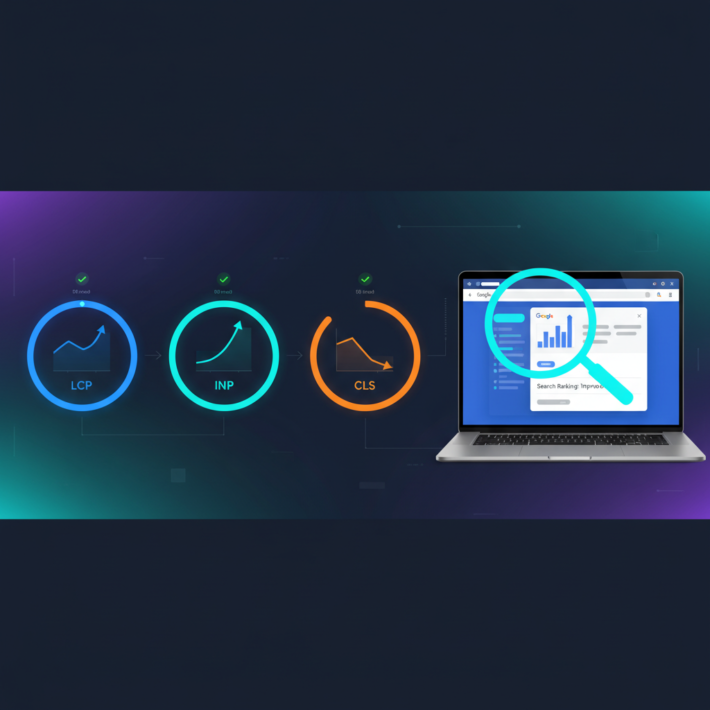
Ecommerce Collection Page SEO: The Complete Guide to Rankings
Ecommerce Collection Page SEO: The Complete Guide to Rankings
Ecommerce collection page SEO is the practice of optimizing category and product listing pages to rank higher in search engine results and drive qualified traffic. These pages—often called category pages, collection pages, or product listing pages (PLPs)—serve as the bridge between your homepage and individual product pages. When optimized correctly, they capture high-intent shoppers searching for broad product types like “men’s running shoes” or “organic skincare sets.” This guide covers every tactical element, from technical structure to content strategy, so you can turn your collections into conversion engines.
Why Collection Pages Matter for SEO and Revenue
Category page SEO ecommerce is critical because these pages often rank for high-volume, mid-funnel keywords that indicate purchase intent. Unlike product pages, which target specific model numbers or SKUs, collection pages capture searches like “leather crossbody bags” or “wireless noise-canceling headphones.” When a user lands on a well-optimized collection page, they see a curated set of options, which increases the likelihood of clicking through to a product and completing a purchase.
A single collection page can drive 20–40% of a store’s organic traffic if properly optimized. The key is to treat each collection as a unique landing page—not just a dumping ground for products. Google evaluates these pages for relevance, authority, and user experience. If your collection page has thin content, slow load times, or duplicate meta tags, it will struggle to rank. Prioritizing product category page optimization ensures that your best traffic sources are also your best conversion paths. For more insights, check out our guide on Digital Marketing Services.
How Collection Pages Differ from Product Pages
Product pages target long-tail, high-intent keywords (e.g., “Nike Air Max 270 size 10”). Collection pages target broader category terms (e.g., “men’s running shoes”). This means collection pages often have higher search volume but also more competition. You need to differentiate your page with unique content, strong internal links, and clear navigation.
The Revenue Impact of Ranking Collection Pages
Ranking a collection page for a high-volume keyword can generate steady, passive traffic. For example, a collection page for “organic baby clothes” that ranks in the top 3 can bring thousands of monthly visitors. These visitors are comparison shoppers—they want to see multiple options before buying. A well-optimized collection page reduces bounce rate and increases average session duration, both of which signal quality to search engines.
Technical Foundation for Shopify Collection Page SEO
Shopify collection page SEO requires a solid technical base. Without proper indexing, meta tags, and URL structure, even the best content will remain invisible. Start by ensuring each collection has a unique, keyword-rich title tag and meta description. Avoid generic titles like “Shop All” or “Collection 1.” Instead, use a format that includes your primary keyword: “Men’s Running Shoes | [Brand Name].” The meta description should include a secondary keyword and a clear value proposition, such as “Shop our curated selection of lightweight, cushioned running shoes for men. Free shipping on orders over $50.”
URL Structure and Canonicalization
Your collection page URLs should be clean and descriptive. Use hyphens to separate words and avoid parameters like “?sort=price.” For example, use “/collections/mens-running-shoes” instead of “/collections/12345.” Set a self-referencing canonical tag on each collection page to prevent duplicate content issues, especially if you have multiple sorting or filtering options. Google’s John Mueller has confirmed that canonical tags are the strongest signal for consolidation.
Indexing and Crawl Budget Management
Not every collection page needs to be indexed. If you have seasonal collections, out-of-stock collections, or thin pages with fewer than 5 products, use a “noindex” tag to prevent them from wasting your crawl budget. For high-value collections, ensure they are linked from your main navigation or sitemap. Use Google Search Console to monitor which collection pages are indexed and which have crawl errors. A common mistake is leaving paginated subpages (e.g., “/collections/shoes?page=2″) indexable. Use rel=”next” and rel=”prev” tags or, better yet, implement infinite scroll with proper URL updates.
For more on this topic, see our guide on Digital Marketing Services.
Category Page Content: Writing Descriptions That Rank
Ecommerce category content is the text you place above or below the product grid. Many store owners skip this step, leaving the page with zero unique copy. That is a missed opportunity. Google needs textual context to understand what the page is about. A 150–300 word description that includes your primary and secondary keywords can dramatically improve rankings. Write for humans first—describe the category, its benefits, and what makes your selection unique.
Where to Place Category Descriptions
Place your main description above the product grid for desktop users, but ensure it is collapsible on mobile to avoid pushing products below the fold. Some SEOs argue that descriptions below the grid are ignored by crawlers, but Google has stated it can index content anywhere on the page. However, above-the-fold placement gives you a better chance of the description being read by users and bots. Use a “read more” toggle for long descriptions.
Keyword Research for Collection Pages
Use tools like Ahrefs, SEMrush, or Google Keyword Planner to find keywords with high search volume and moderate competition. Focus on “category + modifier” combinations, such as “affordable leather handbags” or “waterproof hiking boots for women.” Include these keywords naturally in your H1, H2, and body text. Avoid keyword stuffing—a 1–2% density is ideal. Also, consider adding a short bullet list of key features or subcategories within the description to improve scannability.
| Element | Best Practice | Common Mistake |
|---|---|---|
| H1 Tag | Unique, includes primary keyword (e.g., “Men’s Running Shoes”) | Same H1 on multiple collection pages |
| Meta Description | 150–160 chars, includes keyword and CTA | Auto-generated or missing description |
| Body Content | 150–300 words, natural keyword usage | Zero content or duplicate from other pages |
| Alt Text | Descriptive, includes keyword where relevant | Blank or generic alt text like “product image” |
For more on this topic, see our guide on Digital Marketing Services.
Internal Linking Strategy for Product Category Page Optimization
Product category page optimization relies heavily on internal links to distribute authority and guide users. Each collection page should be linked from your main navigation, footer, or a “shop by category” section on your homepage. Additionally, link from relevant blog posts or buying guides. For example, if you have a blog post titled “How to Choose the Best Running Shoes,” link to your “men’s running shoes” collection within the text. This passes link equity and provides contextual relevance.
Linking from Product Pages to Collections
Every product page should include breadcrumb navigation that links back to its parent collection. This creates a clear hierarchy and helps users (and crawlers) understand the site structure. You can also add a “Shop Similar Products” section at the bottom of product pages that links to related collections. For instance, on a product page for “Nike Air Max,” include a link to the “Men’s Running Shoes” collection. This improves dwell time and reduces bounce rate.
Using Anchor Text Effectively
When linking to collection pages, use descriptive anchor text that includes the target keyword. Instead of “click here,” use “browse our collection of organic baby clothes.” This gives Google clear signals about the linked page’s topic. If you need professional help with this strategy, consider exploring Digital Marketing Services that specialize in ecommerce SEO and content architecture. Avoid over-optimizing—mix branded, generic, and exact-match anchor texts naturally.
User Experience Signals That Boost Ecommerce Category Content
Google uses user experience signals like click-through rate (CTR), bounce rate, and time on page to rank content. For ecommerce category content, a high bounce rate often indicates that the page did not match the user’s intent. To improve this, ensure your collection page loads in under 2 seconds, uses high-quality images, and provides clear filtering options. Mobile optimization is non-negotiable—over 60% of ecommerce traffic comes from mobile devices. For more insights, check out our guide on Digital Marketing Services.
Image Optimization and Load Speed
Compress all product images using WebP format and lazy loading. Use descriptive file names like “mens-running-shoes-nike.jpg” instead of “IMG_1234.jpg.” Add alt text that includes your primary keyword where natural. A slow collection page can kill rankings—use Google PageSpeed Insights to identify issues like render-blocking resources or oversized images. Consider using a CDN for faster global delivery.
Filtering, Sorting, and Faceted Navigation
Faceted navigation (e.g., filtering by size, color, price) can create thousands of duplicate URLs. Use “noindex, follow” tags on filter pages that do not add unique value. Alternatively, implement AJAX-based filtering that updates the URL without creating new pages. Ensure that the default sort order (e.g., “Best Match”) is the canonical version. Also, add a “clear filters” button to help users reset their search quickly.
Advanced Tactics: Schema, Pagination, and Canonical Tags
For serious category page SEO ecommerce efforts, advanced technical tactics can give you an edge. Implement structured data (schema markup) for your collection pages. Use “ItemList” schema to tell Google exactly what products are on the page. This can enable rich results like carousels in search, increasing your visibility. You can also add “BreadcrumbList” schema to improve navigation in SERPs.
Handling Pagination Correctly
If your collection has more than 50 products, you will likely need pagination. Use rel=”next” and rel=”prev” tags to indicate the sequence of pages. Alternatively, implement “view all” pages if the total product count is under 200. For infinite scroll, ensure that the URL updates as the user loads more products, and that all products are crawlable. Avoid using JavaScript-based loading that hides content from Googlebot.
Canonical Tags for Filtered Views
Each filtered view (e.g., “shoes sorted by price low to high”) should have a canonical tag pointing to the main collection URL. This consolidates ranking signals and prevents dilution. Also, use “hreflang” tags if you have multilingual collections. For example, a French version of your “men’s shoes” collection should have a canonical pointing to itself and an hreflang pointing to the English version. This prevents international duplicate content issues.
Frequently Asked Questions
What is the difference between collection page SEO and product page SEO?
Collection page SEO focuses on optimizing category-level pages that list multiple products, targeting broader keywords like “women’s dresses.” Product page SEO targets specific items, such as “blue floral maxi dress size 8.” Both require unique meta tags, content, and internal links, but collection pages often have higher search volume and require careful handling of faceted navigation.
How long should a collection page description be?
Aim for 150–300 words of unique, keyword-rich content. This provides enough context for search engines without overwhelming users. Place the description above the product grid but make it collapsible on mobile. Avoid thin content (under 50 words) as it signals low value to Google.
Should I index all my Shopify collection pages?
No. Only index collection pages with at least 5–10 products and unique content. Use “noindex” tags on seasonal, out-of-stock, or thin collections to preserve crawl budget. Focus indexing on your top 20–30 collections that drive the most traffic and revenue.
How do I optimize collection pages for mobile users?
Use a responsive design, compress images, and enable lazy loading. Ensure filter buttons are tappable and the product grid displays in a single column. Test load speed with Google’s Mobile-Friendly Test. A fast, clean mobile experience reduces bounce rate and improves rankings.
What is the best URL structure for collection pages?
Use a clean, descriptive structure like “/collections/mens-running-shoes” or “/category/women-dresses.” Avoid parameters like “?sort=price” in the canonical URL. Use hyphens between words and keep URLs short (under 60 characters) for better readability and sharing.
Can I use the same H1 on multiple collection pages?
No. Each collection page must have a unique H1 tag that includes its primary keyword. Duplicate H1s confuse search engines and dilute ranking signals. For example, use “Men’s Running Shoes” for one collection and “Women’s Running Shoes” for another.
How often should I update collection page content?
Update collection page content every 3–6 months to keep it fresh. Add new products, update descriptions with seasonal keywords, and refresh internal links. Google favors pages that show recent activity, especially in competitive ecommerce niches.
Takeaways for Ecommerce Collection Page SEO Success
Optimizing your ecommerce collection pages is a continuous process that combines technical precision with quality content. By implementing the strategies above, you can turn these pages into powerful traffic and revenue drivers. Here are the key points to remember:
- Treat each collection page as a unique landing page with its own keyword strategy, meta tags, and content.
- Prioritize technical SEO: clean URLs, canonical tags, proper pagination, and fast load speeds.
- Write 150–300 words of unique category content that includes primary and secondary keywords naturally.
- Use internal links from navigation, blog posts, and product pages to distribute authority to your collections.
- Monitor user experience signals like bounce rate and CTR, and adjust filtering and mobile design accordingly.
Start auditing your top collection pages today—update their meta tags, add descriptions, and check for technical issues. Even small improvements can lead to significant ranking gains. If you need expert guidance, consider partnering with a team that understands the nuances of ecommerce collection page SEO and can tailor a strategy to your store’s unique needs.