
AI Virtual Influencer Marketing Strategy For Brand Campaigns 2026
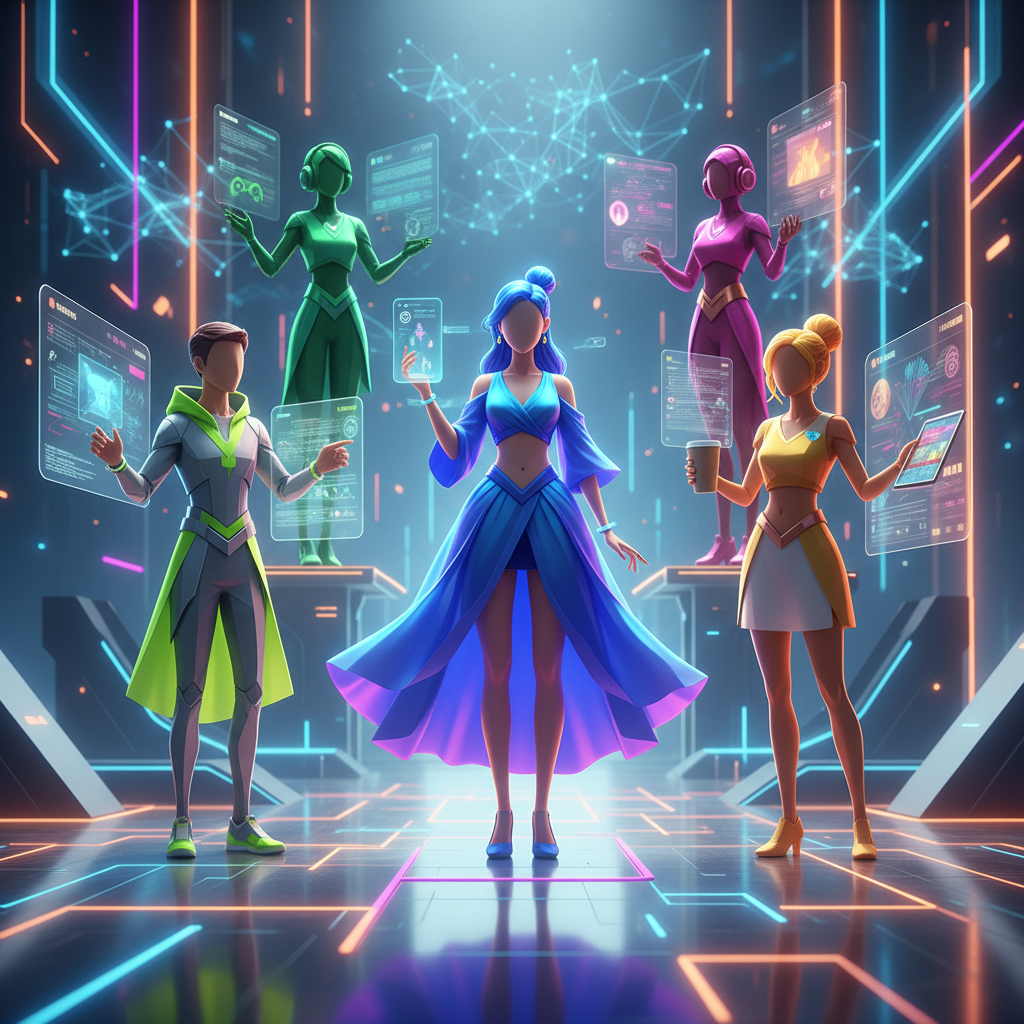
AI virtual influencer marketing strategy is revolutionizing how brands connect with their audiences, offering innovative avenues for engagement and brand storytelling. This approach involves leveraging computer-generated characters, powered by artificial intelligence, to promote products and services across various digital platforms. Brands are increasingly exploring this dynamic field to enhance their campaign reach and impact. The strategic integration of these digital personas presents unique opportunities for creativity and targeted messaging.
What is AI Virtual Influencer Marketing and How Do Brands Use It?
AI virtual influencer marketing involves collaborating with computer-generated characters that possess human-like characteristics, personalities, and often backstories, to promote products or services. Brands use these digital entities to create engaging content, build strong community connections, and execute highly targeted campaigns. This strategy allows for unparalleled creative control and consistency in brand messaging.
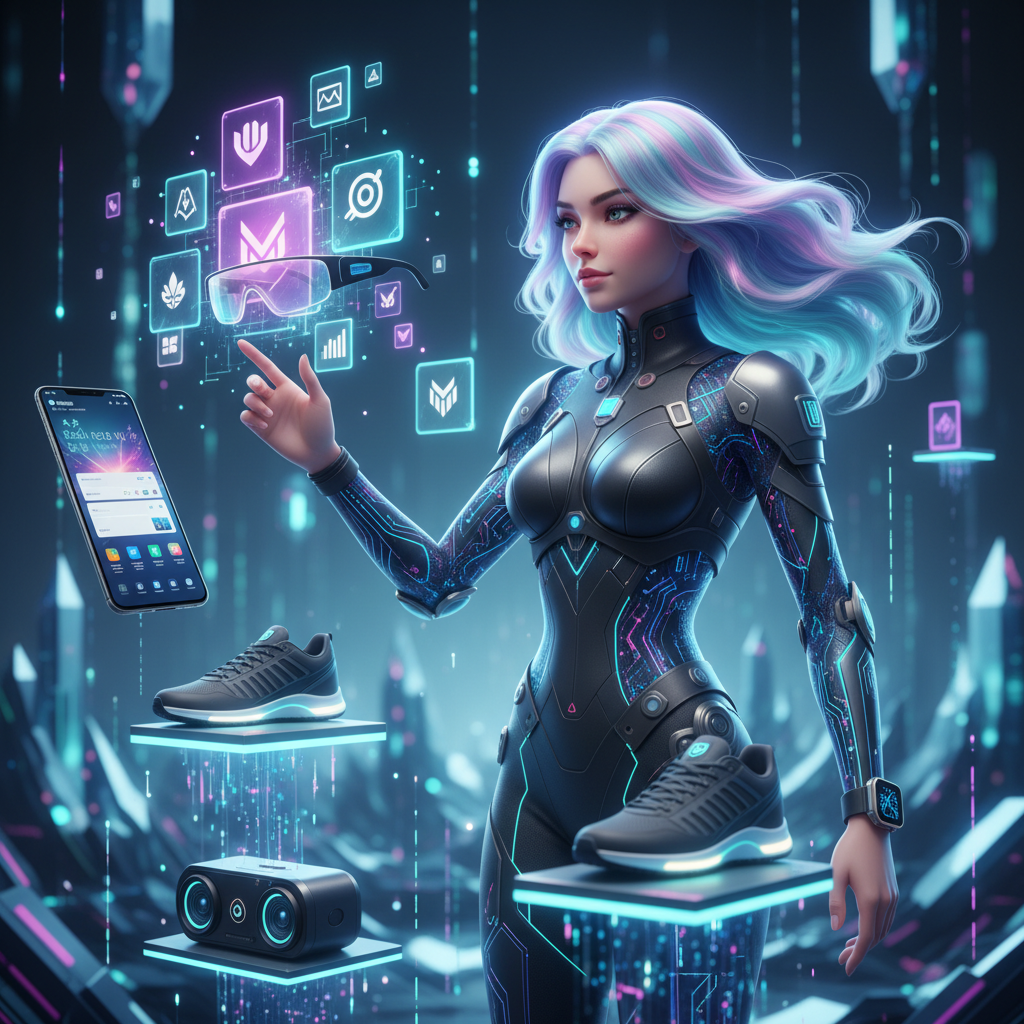
Virtual influencers are digital characters created using advanced computer graphics and artificial intelligence. They are designed to mimic human influencers, engaging with followers, posting content, and representing brands. The primary advantage for brands lies in their complete control over the influencer’s image, narrative, and behavior. This eliminates many risks associated with human celebrity endorsements. Brands can tailor every aspect of a virtual influencer’s persona to perfectly align with their marketing objectives. This ensures consistent brand representation across all campaigns.
Understanding the Core Components of AI-Generated Virtual Influencers
How brands use AI-generated virtual influencers for marketing hinges on several key technological and creative components. These digital personas are built using sophisticated 3D modeling software, often incorporating motion capture data. Their “intelligence” comes from AI algorithms that can process language, generate responses, and even learn from interactions. This allows for dynamic and evolving personalities. Brands invest in these technologies to ensure their virtual influencers feel authentic and relatable. The development process is meticulous, aiming to create a digital being that resonates deeply with target demographics.
The Strategic Advantages of Deploying AI Virtual Influencers
Deploying AI virtual influencers offers numerous strategic advantages over traditional methods. Brands gain full creative control, ensuring message consistency and avoiding potential human influencer controversies. They can also operate 24/7, engaging global audiences across different time zones. Furthermore, virtual influencers offer unique data collection opportunities. This data can inform future marketing decisions and optimize campaign performance. The ability to customize appearances and narratives makes them incredibly versatile for diverse brand campaigns. This flexibility is a significant draw for innovative marketing teams.
How Brands Leverage AI-Generated Virtual Influencers for Marketing Campaigns?
Brands leverage AI-generated virtual influencers for marketing campaigns by integrating them into various digital strategies, including social media content creation, product launches, and immersive brand experiences. These digital personas can tell compelling stories, showcase products in unique ways, and foster deep community engagement. Their adaptability makes them ideal for diverse campaign goals.

The utility of virtual influencers extends beyond simple product promotion. They can host virtual events, participate in interactive online challenges, and even co-create content with followers. This allows for a multi-faceted approach to marketing. For instance, a virtual influencer might “attend” a fashion show virtually, providing commentary and behind-the-scenes glimpses. This creates a sense of exclusivity and innovation around the brand. Brands are discovering new ways to make these digital entities integral to their overall marketing ecosystem.
Diverse Applications: How Brands Use AI-Generated Virtual Influencers for Marketing
How brands use AI-generated virtual influencers for marketing spans a wide array of applications. They are frequently employed for product endorsements, where they can model clothing, demonstrate cosmetics, or review tech gadgets. Beyond direct promotion, virtual influencers are powerful tools for storytelling and building brand narratives. They can embody specific brand values and engage in social causes, enhancing brand perception. Many brands also use them for market research, gathering insights from follower interactions. This broad applicability highlights their versatility in modern marketing.
Crafting Engaging Content with Virtual Influencers
Creating engaging content with virtual influencers requires a blend of creativity and technological prowess. Brands develop rich backstories and evolving personalities for their virtual ambassadors. This helps to make them more relatable and human-like. Content typically includes high-quality images and videos, often featuring the virtual influencer in aspirational settings. Interactive elements, such as Q&A sessions or polls, further boost engagement. The goal is to build a loyal following that genuinely connects with the virtual persona. This connection translates into stronger brand affinity and recall.
Analyzing Virtual Influencer ROI vs. Human Influencer Comparison for Brands
Analyzing virtual influencer ROI vs human influencer comparison for brands reveals distinct advantages for digital entities in terms of cost-efficiency, creative control, and consistent brand messaging. While human influencers offer authentic human connection, virtual influencers often provide a more predictable and scalable marketing asset. Brands must weigh these factors carefully.
The return on investment (ROI) for virtual influencer campaigns can be highly favorable due to reduced production costs and increased control. Brands avoid travel expenses, talent fees, and the unpredictable nature of human personalities. Virtual influencers can also be deployed across multiple campaigns simultaneously without scheduling conflicts. This efficiency contributes significantly to a stronger ROI. However, initial setup costs for creating a high-quality virtual influencer can be substantial, requiring a long-term strategic view.
Cost-Effectiveness and Scalability of Virtual Influencers
The cost-effectiveness of virtual influencers often surpasses that of their human counterparts in the long run. Once created, a virtual influencer can be utilized repeatedly across numerous campaigns without additional talent fees. This offers significant scalability. Brands can easily modify their appearance or messaging to suit different target audiences or product lines. This flexibility allows for rapid adaptation to market trends. The ability to scale content production without human limitations is a major financial benefit.
Engagement Metrics and Audience Perception
Engagement metrics for virtual influencers often rival, and sometimes exceed, those of human influencers. Their novelty and unique aesthetic can capture significant attention. Audiences are often intrigued by their digital nature, leading to high interaction rates. However, the nature of this engagement can differ. While human influencers might foster a more personal, peer-to-peer connection, virtual influencers often generate curiosity and admiration for their sophisticated design. Brands monitor metrics like likes, comments, shares, and sentiment analysis to gauge effectiveness.
| Feature | AI Virtual Influencer | Human Influencer |
|---|---|---|
| Creative Control | Complete control over appearance, personality, and messaging. | Limited control, subject to individual’s brand and ethics. |
| Cost Structure | High initial creation, lower ongoing campaign costs. No talent fees per campaign. | Variable talent fees, travel, and production costs per campaign. |
| Consistency | Guaranteed consistent brand representation and messaging. | Potential for inconsistencies or controversies. |
| Scalability | Highly scalable, can be used across multiple campaigns simultaneously. | Limited by individual’s time and availability. |
| Authenticity | Perceived authenticity based on narrative and design. | Inherent human authenticity and relatability. |
| Risk Factors | Technological glitches, audience skepticism regarding AI. | Personal controversies, inconsistent performance, brand misalignment. |
What Are the Ethical Considerations and Disclosure Requirements for AI Virtual Influencer Campaigns?
Ethical considerations and disclosure for AI virtual influencer campaigns are paramount to maintaining consumer trust and ensuring transparency in marketing practices. Brands must address issues of authenticity, potential for misrepresentation, and clear identification of virtual entities. Transparent disclosure is not just a best practice but increasingly a regulatory requirement.
The primary ethical concern revolves around the potential for consumers to mistake a virtual influencer for a real person. This can lead to a sense of deception if not properly managed. Brands have a responsibility to clearly communicate the nature of their digital spokespersons. Furthermore, the development of increasingly realistic virtual influencers raises questions about societal impacts and the blurring lines between reality and simulation. Thoughtful consideration of these issues is crucial for sustainable success.
Ensuring Transparency and Clear Disclosure
Transparency is the cornerstone of ethical AI virtual influencer marketing. Brands should clearly disclose that an influencer is AI-generated or virtual. This can be done through prominent labels, disclaimers in bios, or clear messaging within the content itself. For example, a virtual influencer’s social media profile might state “AI-generated influencer” or “Digital Creator.” This ensures that audiences are fully aware of who they are interacting with. Clear disclosure builds trust and avoids accusations of misleading consumers.
Navigating Authenticity and Consumer Trust
Navigating authenticity with virtual influencers is a delicate balance. While they are not “real” in the human sense, their narratives and interactions can still evoke genuine emotional responses. The challenge is to build a connection that feels authentic despite their digital nature. This requires consistent storytelling, relatable personalities, and genuine engagement with followers. Brands must also consider the potential for “deepfake” technology and its implications. Maintaining consumer trust means always prioritizing honesty and ethical content creation. This approach helps brands avoid backlash and maintain a positive public image.
Creating a Brand-Owned AI Virtual Influencer Strategy Guide for Success
Creating a brand-owned AI virtual influencer strategy guide involves a meticulous process of defining character, developing narrative, and integrating the virtual persona seamlessly into overall marketing efforts. This comprehensive approach ensures the virtual influencer effectively represents brand values and achieves campaign objectives. A well-defined strategy is essential for long-term success.
A robust strategy begins with a clear understanding of the brand’s identity and target audience. The virtual influencer must embody these elements to resonate effectively. This guide outlines the steps from conception to deployment and ongoing management. It emphasizes consistency, authenticity, and ethical considerations at every stage. Brands can leverage this strategic framework to build a powerful and enduring digital asset.
Defining Your Virtual Influencer’s Persona and Purpose
The first step in creating a brand-owned AI virtual influencer strategy guide is defining the virtual influencer’s persona and purpose. This includes their name, appearance, personality traits, backstory, and unique voice. What values do they represent? What kind of content will they create? For example, a sustainable fashion brand might create an eco-conscious virtual influencer who advocates for ethical consumption. Their purpose should directly align with brand goals. This foundational work ensures the virtual influencer is a cohesive extension of the brand.
Developing Content and Engagement Strategies
Once the persona is established, developing compelling content and engagement strategies is crucial. This involves planning content calendars, identifying key themes, and determining interaction styles. Will the virtual influencer primarily post static images, short videos, or engage in live-streamed Q&As? Brands should also consider how the virtual influencer will interact with followers, other influencers (both human and virtual), and media. This strategic content planning ensures a dynamic and engaging presence. For broader strategic support, considering various Digital Marketing Services can help integrate virtual influencers into a holistic plan.
Measuring Performance and Adapting Your Strategy
Measuring the performance of your AI virtual influencer campaigns is vital for continuous improvement. Brands should track key metrics such as engagement rates, reach, sentiment, conversion rates, and ROI. A/B testing different content types or messaging can provide valuable insights. Based on performance data, the strategy should be adapted and refined. This iterative process ensures the virtual influencer remains relevant and effective. Regular analysis allows brands to optimize their digital asset for maximum impact.
What is a brand-owned AI virtual influencer?
A brand-owned AI virtual influencer is a digital character created and managed directly by a brand to represent its values, products, and services. Unlike independent virtual influencers, these entities are fully controlled by the brand, ensuring complete alignment with marketing objectives and messaging. This offers unparalleled consistency and creative freedom for campaigns.
How do AI virtual influencers impact brand authenticity?
AI virtual influencers impact brand authenticity by requiring brands to redefine what “authentic” means in a digital context. While not human, their consistent persona and compelling narratives can build genuine connections. Transparency about their AI nature is crucial to maintain trust. Authenticity stems from consistent storytelling and genuine engagement, not necessarily human origin.
Are AI virtual influencers more cost-effective than human influencers?
In many cases, AI virtual influencers can be more cost-effective than human influencers over the long term. While initial creation costs can be significant, ongoing campaign costs are often lower, as brands avoid talent fees, travel, and accommodation. They offer scalability and consistency, potentially leading to a higher ROI once established.
What are the main ethical concerns with AI virtual influencers?
The main ethical concerns with AI virtual influencers include the potential for consumer deception if their digital nature is not clearly disclosed. Other concerns involve the blurring of reality and fiction, the potential for misuse of AI, and the impact on body image or societal standards if not managed responsibly. Transparency is key to mitigating these issues.
Can AI virtual influencers truly engage with audiences?
Yes, AI virtual influencers can truly engage with audiences through carefully crafted content, interactive features, and evolving personalities. While their engagement is mediated by AI and human creators, followers often form strong connections. The novelty, aspirational content, and consistent presence contribute to high interaction rates and a sense of community.
How long does it take to create a brand-owned virtual influencer?
The time it takes to create a brand-owned virtual influencer varies significantly. It can range from several months to over a year, depending on the complexity of the design, the depth of the backstory, and the level of AI integration. Developing a high-quality, fully functional virtual influencer requires considerable investment in both time and resources.
The landscape of brand marketing is continually evolving, and AI virtual influencer marketing strategy stands out as a powerful, future-forward approach. By embracing these digital personas, brands can unlock new levels of creativity, control, and efficiency in their campaigns. The strategic development and ethical deployment of AI virtual influencers offer a compelling pathway to enhanced brand visibility and deeper audience engagement.
* Strategic Control: Brands gain complete creative and narrative control over their marketing messages.
* Cost Efficiency: Long-term cost savings and scalability can lead to a strong return on investment.
* Ethical Imperative: Transparency and clear disclosure are crucial for building and maintaining consumer trust.
* Engagement Potential: Virtual influencers can foster unique and highly interactive communities.
* Future-Proofing: Adopting this technology positions brands at the forefront of marketing innovation.
Explore how an integrated AI virtual influencer marketing strategy can transform your brand’s digital presence and connect with your audience in unprecedented ways.