

Behavioral Segmentation Email Marketing: Drive Higher Engagement
Behavioral segmentation email marketing is the practice of dividing your email list based on how subscribers interact with your brand, then sending targeted messages that match their specific actions. Unlike demographic segmentation, which groups people by who they are, behavioral segmentation focuses on what they do — from purchase history and website clicks to email opens and cart abandonment. This approach ensures every message feels relevant, timely, and personal, dramatically improving open rates, click-through rates, and conversions.
What Is Behavioral Segmentation in Email Marketing?
Behavioral segmentation in email marketing is the process of categorizing subscribers based on their past actions, such as purchases, page visits, email engagement, and content downloads. This method allows you to send hyper-relevant messages that align with each user’s current intent. It is the most effective way to move beyond generic blasts and create a personalized experience at scale.
Why Behavior Matters More Than Demographics
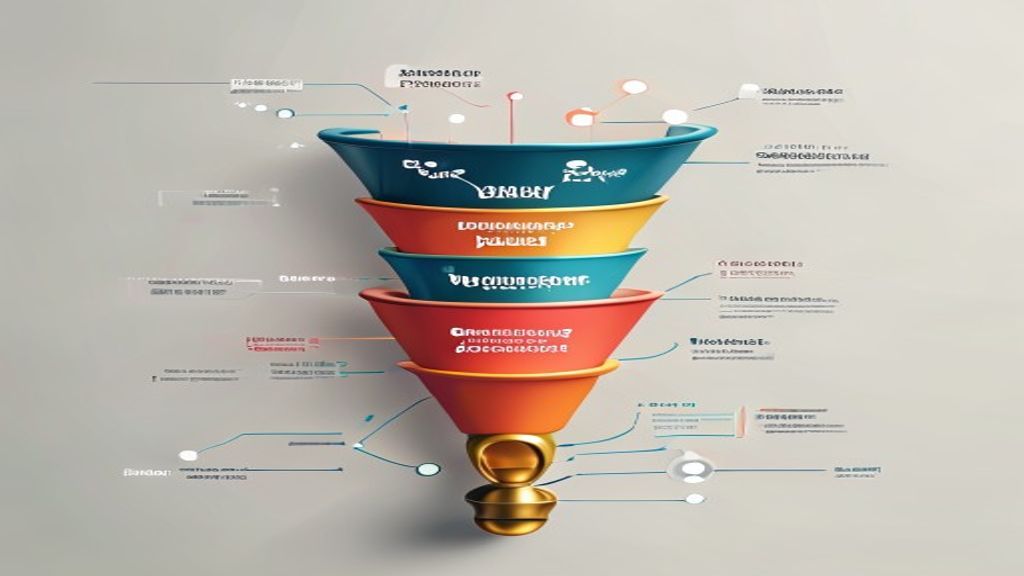
Demographics tell you who a person is. Behavior tells you what they want right now. A 25-year-old male who browsed hiking boots yesterday has a different intent than a 25-year-old male who just bought a tent. By using behavior, you capture real-time interest, which leads to 760% more revenue from segmented campaigns compared to non-segmented ones (Campaign Monitor).
The Core Types of Behavioral Data
Effective behavioral segmentation email marketing relies on four key data types: purchase history (what they bought and how often), browsing behavior (pages visited, time spent), engagement metrics (email opens, clicks, unsubscribes), and lifecycle stage (new subscriber, active customer, lapsed user). Combining these creates a 360-degree view of each subscriber.
How to Build a Behavior-Based Email Segmentation Strategy
A behavior-based email segmentation strategy starts with collecting the right data from your website, email platform, and CRM. You then group subscribers into action-based segments and map each segment to a specific email sequence. The goal is to send the right message at the exact moment the behavior occurs. For more insights, check out our guide on Digital Marketing Services.
Step 1: Identify Key Behaviors to Track
Not every action matters. Focus on high-intent behaviors: product page views, add-to-cart events, past purchases, email link clicks, and content downloads. For SaaS businesses, feature usage and login frequency are critical. For e-commerce, repeat purchases and category affinity drive your best segments.
Step 2: Create Actionable Segments
Turn raw behaviors into named segments. Examples include “Cart Abandoners (last 24 hours),” “High-Value Repeat Buyers (3+ purchases),” “Lapsed Customers (no purchase in 90 days),” and “Content Engagers (downloaded 2+ guides).” Each segment needs a clear trigger and a specific email campaign designed for that behavior.
Step 3: Map Campaigns to Each Segment
Your email segmentation strategy fails without proper campaign mapping. Cart abandoners receive a reminder with a discount. High-value buyers get an exclusive loyalty offer. Lapsed customers receive a “we miss you” series. Content engagers get a related product recommendation. Every email should feel like a direct response to the user’s last action.
Top Customer Behavior Email Automation Triggers You Need
Customer behavior email automation uses predefined triggers to send emails automatically when a subscriber performs a specific action. These triggers eliminate manual work and ensure timely delivery. The most effective triggers include welcome sequences, abandoned cart flows, post-purchase follow-ups, and re-engagement campaigns.
Welcome and Onboarding Sequences
The first 48 hours after signup are critical. A behavior-based welcome sequence sends different emails based on how the user signed up. If they subscribed after reading a blog post, send related content. If they joined after a purchase, send setup guides. This immediate personalization increases retention by up to 30%.
Abandoned Cart and Browse Abandonment
Abandoned cart emails have an average open rate of 45% and a conversion rate of 10-15%. But browse abandonment — when someone views a product without adding it to cart — is equally powerful. Send a “still thinking about this?” email with social proof or a limited-time offer. Both triggers rely on real-time behavior data.
Post-Purchase and Replenishment Triggers
After a purchase, send a confirmation, then a cross-sell based on the bought item. For consumable products (coffee, supplements, skincare), set a replenishment trigger based on average usage time. For example, “Your coffee is almost gone — reorder now.” This automation drives repeat revenue without manual effort.
For more on this topic, see our guide on Digital Marketing Services.
Email Personalization Examples That Work for Behavioral Segments
Email personalization examples show how behavioral data transforms generic messages into tailored experiences. The best examples use specific actions to customize subject lines, product recommendations, and call-to-action buttons. Here are proven examples for common behavioral segments.
Example 1: “You Left This Behind” for Cart Abandoners
Subject line: “Your [Product Name] is still in your cart.” Body: Show the exact product image, price, and a single CTA: “Complete Your Order.” Add a scarcity element like “Only 3 left in stock.” This direct personalization outperforms generic “We Miss You” emails by 40%.
Example 2: “Based on Your Recent Visit” for Browse Abandoners
Subject line: “Saw you checking out [Category].” Body: Display 3-4 similar products with ratings and reviews. Include a personalized recommendation: “Customers who viewed [Product A] also bought [Product B].” This shows the subscriber you noticed their interest.
Example 3: “Thank You for Being a Loyal Customer” for Repeat Buyers
Subject line: “You’ve earned a special reward.” Body: “You’ve made 5 purchases with us — here’s 20% off your next order.” Include a table comparing their purchase history with average customer stats to highlight their loyalty.
| Segment | Trigger | Personalization Tactic | Expected CTR Lift |
|---|---|---|---|
| Cart Abandoners | Item in cart > 1 hour | Show exact product + scarcity | +45% |
| Browse Abandoners | Viewed product page | Similar items + social proof | +30% |
| Repeat Buyers | 3+ purchases | Loyalty discount + milestone | +25% |
| Lapsed Customers | No purchase in 90 days | “We miss you” + incentive | +20% |
For more on this topic, see our guide on Digital Marketing Services.
Tools to Automate Behavior-Based Email Campaigns Effectively
To run behavior-based email campaigns at scale, you need a platform that captures real-time data and triggers automated sequences. The right tool integrates with your website, CRM, and analytics. Popular options include Klaviyo, Mailchimp, ActiveCampaign, and HubSpot. Each offers unique strengths for behavioral segmentation. For more insights, check out our guide on Digital Marketing Services.
Klaviyo for E-Commerce
Klaviyo excels at tracking purchase and browsing behavior. It automatically segments users based on product affinity, order frequency, and predicted lifetime value. Its visual flow builder lets you create complex triggers like “bought product A, viewed product B, but didn’t buy” in minutes.
ActiveCampaign for B2B and SaaS
ActiveCampaign combines email marketing with CRM and sales automation. It tracks email opens, link clicks, site visits, and deal stage changes. You can create conditional logic that sends different emails based on whether a lead attended a webinar or downloaded a whitepaper.
HubSpot for Full-Funnel Personalization
HubSpot offers deep integration with its CRM and CMS. It tracks every touchpoint — from blog reads to form submissions — and uses smart content to personalize email body blocks. For enterprises, HubSpot’s predictive lead scoring automatically prioritizes high-intent behavioral segments.
Common Mistakes in Behavioral Segmentation (and How to Fix Them)
Even with the best intentions, many marketers make errors in behavioral segmentation email marketing. The most common mistake is over-segmenting, creating too many tiny lists that are hard to manage. Another is using stale data — sending an offer based on a behavior from three months ago. Here is how to avoid these pitfalls.
Mistake 1: Segmentation Without a Clear Goal
Creating segments just because you can is wasteful. Every segment must have a specific business goal: increase repeat purchases, reduce churn, or boost average order value. Fix this by defining one KPI per segment and measuring performance against it.
Mistake 2: Ignoring Negative Behaviors
Most marketers only track positive actions (purchases, clicks). Negative behaviors like email unsubscribes, support complaints, or returns are equally valuable. Segment “high-return customers” and send them sizing guides or product videos to reduce future returns.
Mistake 3: Sending Too Many Emails
Behavioral automation can quickly flood inboxes. A user who browses a product, adds it to cart, and then buys might receive three separate emails in one day. Fix this by setting frequency caps and using exclusion logic: if they purchased, suppress the cart and browse emails.
Mistake 4: Not Testing Your Segments
You cannot assume a segment will perform. Run A/B tests on subject lines, offers, and timing for each behavioral group. For example, test whether cart abandoners respond better to a 10% discount or free shipping. Data-driven tweaks improve results by 20% or more.
Frequently Asked Questions
What is behavioral segmentation in email marketing?
Behavioral segmentation in email marketing groups subscribers based on their actions, such as purchases, website visits, email opens, and content downloads. It allows you to send personalized messages that match each user’s real-time intent, leading to higher engagement and conversions.
How do I start with behavioral email segmentation?
Start by identifying 3-5 key behaviors that indicate high intent, like cart abandonment or product page views. Use your email platform to create segments based on those actions. Then, build automated campaigns that trigger when a user performs the behavior.
What are the best triggers for behavior-based email campaigns?
The best triggers include welcome signups, abandoned carts, browse abandonment, post-purchase follow-ups, and re-engagement for lapsed users. Each trigger should send a specific email that directly addresses the user’s last action.
Can small businesses use behavioral segmentation?
Yes. Most email marketing platforms like Mailchimp and Klaviyo offer behavioral segmentation features at affordable prices. Start with simple triggers like welcome sequences and cart reminders. Even two or three behavioral segments can significantly improve results.
How many behavioral segments should I create?
Start with 3-5 core segments based on high-impact behaviors. As you grow, expand to 10-15 segments. Avoid creating more than 20 segments initially, as they become difficult to manage and test effectively.
What is the difference between behavioral and demographic segmentation?
Demographic segmentation groups people by static traits like age, gender, or location. Behavioral segmentation groups them by actions like purchases or clicks. Behavior is more predictive of future intent and typically drives higher engagement rates.
How do I measure the success of behavioral email campaigns?
Track open rates, click-through rates, conversion rates, and revenue per email for each behavioral segment. Compare these metrics against your non-segmented campaigns. A 20-30% improvement in CTR or conversion is a strong indicator of success.
Key Takeaways for Your Next Campaign
– Behavioral segmentation email marketing relies on real-time actions, not static demographics, to send hyper-relevant messages.
– Build your email segmentation strategy around high-intent behaviors like cart abandonment, repeat purchases, and content downloads.
– Use customer behavior email automation to trigger timely sequences without manual effort, especially for welcome and post-purchase flows.
– Apply proven email personalization examples like showing exact abandoned products or loyalty rewards to boost engagement.
– Avoid common pitfalls: over-segmentation, stale data, and ignoring negative behaviors. Test every segment to optimize performance.
Ready to transform your email marketing? Start by auditing your current subscriber list for behavioral data points. Pick one trigger — such as cart abandonment — and build a single automated campaign this week. Small, focused steps lead to measurable gains. If you need expert guidance, explore our Digital Marketing Services to build a fully automated behavioral email system.