
Gamification Marketing Strategy For Brand Engagement And Loyalty
In today’s competitive landscape, a robust gamification marketing strategy for brand engagement and loyalty is essential for businesses seeking to capture and retain customer attention. Gamification involves applying game-design elements and game principles in non-game contexts. This innovative approach transforms routine interactions into enjoyable experiences, fostering deeper connections with your audience. By integrating interactive challenges, rewards, and progress tracking, brands can significantly boost participation, drive desired behaviors, and cultivate lasting customer relationships. It’s a powerful method to make marketing more dynamic and memorable for consumers.
Understanding Gamification in Digital Marketing Campaigns
Gamification in digital marketing campaigns involves integrating game-like elements into non-game contexts to engage audiences and achieve marketing objectives. This strategy leverages human psychological tendencies, such as the desire for achievement, competition, and reward, to motivate specific actions from users. It transforms passive consumption into active participation, making interactions more enjoyable and memorable.

How to Add Game Mechanics to Digital Marketing Campaigns Effectively
To successfully add game mechanics to digital marketing campaigns, marketers must identify their core objectives and target audience preferences. Common game mechanics include points, badges, leaderboards, progress bars, virtual currencies, and challenges. For instance, a fitness app might award points for completing workouts or badges for reaching milestones, encouraging consistent use. These elements provide immediate feedback and a sense of accomplishment, driving continued engagement.
Key Principles for Integrating Game Elements into Digital Strategies
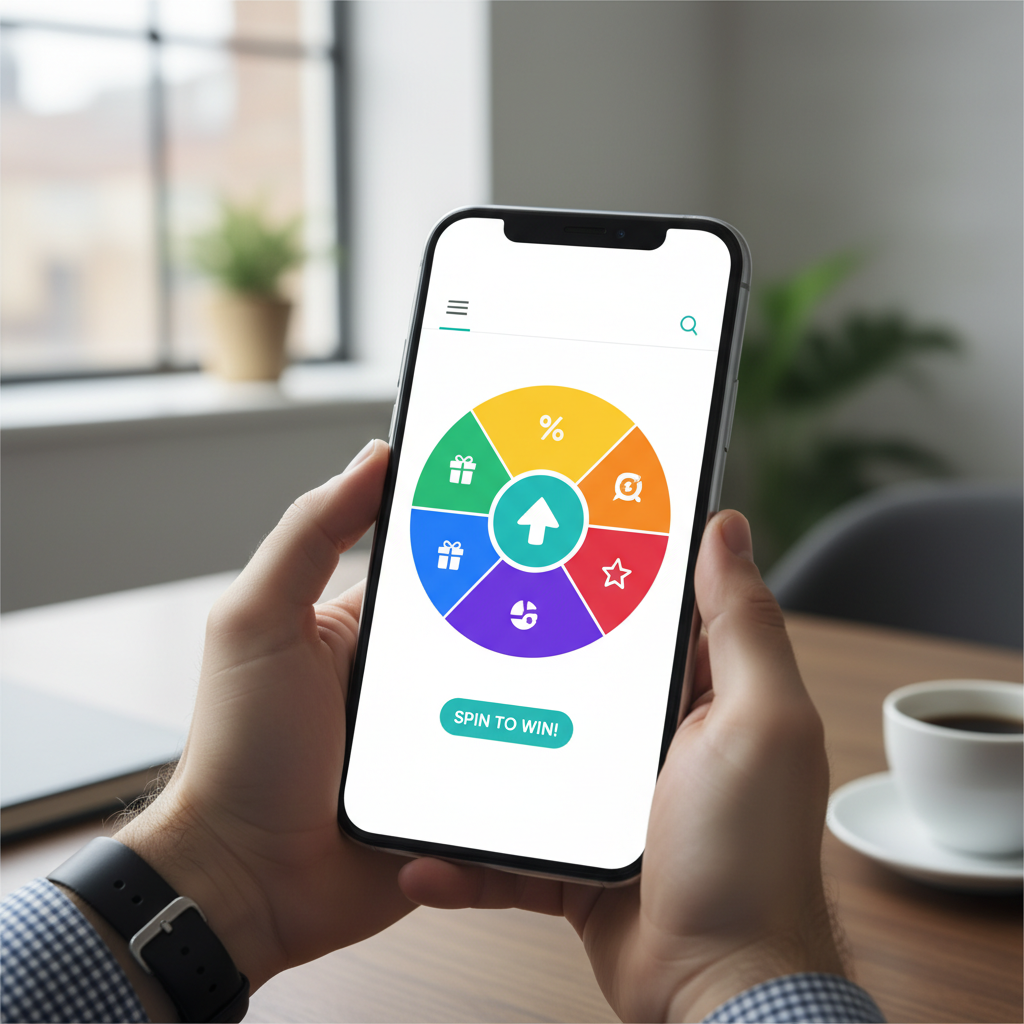
Integrating game elements requires a thoughtful approach to ensure authenticity and relevance. Start by defining the user journey and pinpointing areas where engagement typically drops. Then, introduce game mechanics that directly address these friction points. For example, a retail brand could offer a “spin the wheel” discount at checkout to reduce cart abandonment. The key is to make the game mechanics feel like a natural extension of the brand experience, not a tacked-on gimmick. It is crucial to offer meaningful rewards that resonate with your audience, whether they are exclusive content, discounts, or recognition.
Benefits of Incorporating Game Mechanics for User Engagement
Incorporating game mechanics offers numerous benefits, including increased user engagement, improved data collection, and enhanced brand recall. Users are more likely to spend time on platforms that offer interactive experiences, providing brands with valuable insights into user behavior and preferences. Furthermore, the memorable nature of gamified interactions strengthens brand association and fosters a sense of community. This leads to higher conversion rates and a more loyal customer base, making it a powerful component of modern Digital Marketing Services.
Crafting Gamified Email Marketing for Higher Open and Click Rates
A gamified email marketing strategy for higher open and click rates transforms traditional email campaigns into interactive experiences that capture subscriber attention and drive action. Instead of static content, gamified emails introduce elements like quizzes, polls, puzzles, or interactive challenges directly within the email or through linked landing pages. This innovative approach breaks through inbox clutter, making emails more appealing and encouraging immediate engagement from recipients.
Designing Interactive Email Campaigns with Game Elements
Designing interactive email campaigns involves integrating dynamic content that prompts user participation. This could include embedded mini-games, “scratch-and-win” promotions, or personalized challenges. For example, a travel company might send an email asking subscribers to “pack their virtual bags” by selecting items, leading to a personalized travel offer. The key is to make the interaction simple, intuitive, and rewarding, providing a clear value proposition for the subscriber’s time.
Strategies for Boosting Open and Click Rates with Gamification
To boost open and click rates, consider adding a sense of urgency or exclusivity to your gamified emails. Limited-time challenges or exclusive rewards for participation can motivate immediate action. Personalization also plays a vital role; tailoring game content to individual subscriber preferences increases relevance and engagement. A subject line hinting at an interactive experience, such as “Can You Beat Our Challenge?” or “Spin to Win Your Next Discount!”, can significantly improve open rates. Once opened, the interactive element keeps users engaged, leading to higher click-through rates to your website or landing pages.
Examples of Successful Gamified Email Campaigns
Many brands have successfully implemented gamified email campaigns. A fashion retailer might send a “build your own outfit” game, leading to product recommendations. A coffee shop could offer a “loyalty stamp card” that fills up with each email interaction or purchase, culminating in a free drink. These examples demonstrate how a well-executed gamified email marketing strategy not only increases engagement metrics but also strengthens brand recall and fosters a playful brand image. The goal is to create a memorable and enjoyable experience that encourages subscribers to look forward to your next email.
Optimizing App Onboarding and User Retention with Gamification Strategy
A robust gamification strategy for app onboarding and user retention marketing is crucial for mobile applications aiming to reduce churn and build a loyal user base. By integrating game mechanics into the initial user experience, apps can make the onboarding process more engaging, intuitive, and rewarding. This approach guides new users through key features, educates them on the app’s value, and provides immediate gratification, setting the stage for long-term engagement.
Enhancing App Onboarding Through Game Mechanics
Enhancing app onboarding through game mechanics can transform a potentially tedious setup into an enjoyable journey. Consider using progress bars that visibly fill as users complete profile information or tutorials. Offer small rewards, like virtual currency or exclusive content, for completing each onboarding step. Duolingo, for instance, uses a gamified onboarding process that immediately immerses users in language learning through interactive lessons and progress tracking. This makes learning feel like a game, encouraging users to continue.
Gamified Approaches for Improving User Retention
For improving user retention, gamification focuses on sustained engagement beyond onboarding. This involves introducing ongoing challenges, daily rewards, and social competition.
* Daily Log-in Bonuses: Encourage frequent app usage by offering points or virtual items for consecutive daily logins.
* Achievement Badges: Award badges for reaching milestones, such as using a feature a certain number of times or inviting friends.
* Leaderboards: Foster healthy competition by displaying top users based on activity or achievements, motivating others to climb the ranks.
* Personalized Challenges: Offer tailored challenges based on user behavior, making the app experience more relevant and engaging.
These continuous incentives keep users invested and provide reasons to return to the app regularly.
Case Studies: Gamification’s Impact on App Engagement
Many successful apps demonstrate gamification’s profound impact on engagement. Strava, a fitness tracking app, uses segments and leaderboards to turn runs and rides into competitive challenges, significantly boosting user interaction and retention. Nike Training Club offers structured programs with progress tracking and rewards for completing workouts, keeping users motivated. These examples highlight how well-implemented game mechanics can create a sticky app experience, transforming casual users into dedicated advocates. The sense of accomplishment and community fostered by gamification directly contributes to a stronger, more loyal user base.
Leveraging Branded Game Marketing Strategy for Lead Generation and Awareness
A branded game marketing strategy for lead generation and awareness involves creating custom-designed games that embody a brand’s identity and message. These games serve as engaging content experiences, drawing in potential customers, collecting valuable data, and subtly promoting products or services. By offering an entertaining and interactive experience, branded games can significantly increase brand visibility and generate high-quality leads in a non-intrusive manner.
Developing Engaging Branded Games for Audience Attraction
Developing engaging branded games requires creativity and a deep understanding of your target audience’s preferences. The game should be fun, easy to understand, and align with your brand’s values. For instance, a food brand might create a cooking simulation game, or a tech company could develop a puzzle game related to their product’s functionality. The goal is to provide genuine entertainment that naturally integrates your brand. Consider mobile-first design, as many users will access these games on their smartphones.
Integrating Branded Games for Effective Lead Capture
To integrate branded games for effective lead capture, strategically place opt-in forms or data collection points within the game flow. This could be before starting the game, after completing a level, or when users want to save their progress or claim a reward. Offering incentives like discounts, exclusive content, or entries into a prize draw in exchange for contact information significantly boosts conversion rates. Ensure the data collection process is transparent and compliant with privacy regulations.
| Gamification Mechanic | Primary Marketing Goal | Example Implementation |
|---|---|---|
| Points & Badges | Engagement, Loyalty | Earn points for purchases, review submissions; badges for milestones. |
| Leaderboards | Competition, Retention | Rank users by activity, purchases, or challenge completion. |
| Progress Bars | Onboarding, Completion | Show progress through profile setup or loyalty program tiers. |
| Spin the Wheel/Scratch Cards | Lead Gen, Discounts | Offer random discounts or prizes in exchange for email signup. |
| Quizzes & Polls | Awareness, Data Collection | Interactive quizzes related to products, collecting preferences. |
Measuring Brand Awareness and Lead Quality from Branded Games
Measuring brand awareness and lead quality from branded games involves tracking several key metrics. For awareness, monitor game plays, shares on social media, and mentions. For lead quality, analyze the conversion rate from game participants to leads, and subsequently, the conversion rate of those leads into customers. A high engagement rate combined with quality leads indicates a successful strategy. Post-game surveys can also provide qualitative feedback on brand perception and recall. The entertainment value of branded games often translates into a positive brand association, making leads more receptive to future marketing efforts.
Measuring ROI and Optimizing Gamification Efforts in Marketing
Measuring the ROI of gamification efforts in marketing is critical to understanding their effectiveness and justifying future investments. This involves tracking key performance indicators (KPIs) that align with your initial marketing objectives, such as increased engagement, higher conversion rates, or improved customer loyalty. Without robust measurement, it is challenging to discern which gamified elements are truly driving results and where optimizations are needed.
Key Performance Indicators for Gamified Marketing Campaigns
Identifying the right KPIs is the first step in measuring success. For engagement, track metrics like participation rates in challenges, time spent on gamified platforms, and frequency of interaction. For conversions, monitor click-through rates on gamified calls-to-action, lead generation numbers, and actual sales attributed to gamified promotions. Loyalty can be measured by repeat purchases, customer lifetime value, and referral rates. Comparing these metrics against non-gamified campaigns or historical data provides a clear picture of performance.
Analyzing User Behavior Data from Gamified Interactions
Analyzing user behavior data from gamified interactions offers deep insights into what resonates with your audience. Tools for analytics can track every click, completion, and reward claimed within your gamified experiences. This data reveals popular game mechanics, points where users drop off, and the types of rewards that are most motivating. For example, if many users complete the first level of a game but few progress further, it might indicate that subsequent levels are too difficult or not rewarding enough. This granular data is invaluable for iterative improvements.
Strategies for Optimizing Gamification to Maximize ROI
Optimizing gamification to maximize ROI involves a continuous cycle of testing, analysis, and refinement.
1. A/B Testing: Experiment with different game mechanics, reward structures, and messaging to see what yields the best results.
2. Personalization: Tailor gamified experiences to individual user segments based on their preferences and past behavior.
3. Feedback Loops: Collect user feedback through surveys or in-app prompts to understand their experience and identify areas for improvement.
4. Dynamic Adjustments: Be prepared to adjust game difficulty, reward frequency, or challenge types based on real-time performance data.
By consistently refining your gamification strategy, you can ensure it remains fresh, engaging, and highly effective in achieving your marketing goals.
Future Trends in Gamification for Brand Loyalty
The future of gamification for brand loyalty is set to evolve with advancements in technology and a deeper understanding of consumer psychology. As brands seek more immersive and personalized ways to connect with their audience, gamification will move beyond simple point systems to incorporate more sophisticated and integrated experiences. This evolution promises even greater opportunities for fostering enduring customer relationships.
Emerging Technologies Driving Gamification Innovation
Emerging technologies like Artificial Intelligence (AI), Virtual Reality (VR), and Augmented Reality (AR) are poised to revolutionize gamification. AI can enable hyper-personalized game experiences, adapting challenges and rewards based on individual user behavior and preferences in real-time. VR and AR can create deeply immersive branded environments where users can interact with products and services in novel, game-like ways. Imagine a virtual showroom where customers can “play” with products or complete quests to unlock exclusive content. These technologies will make gamified experiences more realistic, engaging, and memorable.
Personalization and AI in Gamified Loyalty Programs
Personalization, powered by AI, will be a cornerstone of future gamified loyalty programs. Instead of one-size-fits-all challenges, AI algorithms will analyze user data to offer highly relevant and motivating tasks. A customer who frequently buys coffee might receive a challenge to try a new blend for bonus points, while another might be incentivized to refer a friend. This level of tailored interaction makes loyalty programs feel more valuable and less generic. Predictive analytics will also allow brands to anticipate user needs and proactively offer gamified interventions to prevent churn or encourage specific behaviors.
The Role of Community and Social Interaction in Future Gamification
Community and social interaction will play an increasingly vital role in future gamification strategies. People are inherently social, and integrating social elements can amplify engagement. This includes features like co-op challenges, social leaderboards, and opportunities to share achievements on social media. Brands can foster a sense of belonging and friendly competition, turning individual interactions into shared experiences. For instance, a brand might host team-based challenges where groups of customers collaborate to achieve a common goal, strengthening both brand loyalty and community bonds. The social aspect adds another layer of motivation and enjoyment, making gamified loyalty programs even more compelling.
What is a gamification marketing strategy?
A gamification marketing strategy involves integrating game-design elements and game principles into marketing activities to engage customers and achieve business goals. It uses mechanics like points, badges, leaderboards, and challenges to motivate desired behaviors and foster deeper connections with a brand.
How can gamification improve brand engagement?
Gamification improves brand engagement by making interactions more fun and rewarding. It captures attention, encourages active participation, and provides immediate feedback and a sense of accomplishment. This increased interaction helps users feel more connected to the brand and its offerings.
Can gamification boost customer loyalty?
Yes, gamification can significantly boost customer loyalty by creating positive, memorable experiences and rewarding consistent interaction. Loyalty programs that incorporate game mechanics, such as tiered rewards or exclusive challenges, incentivize repeat business and build a stronger emotional bond between customers and the brand.
What are common game mechanics used in marketing?
Common game mechanics in marketing include points for actions, badges for achievements, leaderboards for competition, progress bars for task completion, and virtual currencies for rewards. These elements provide structure and motivation, guiding users through desired journeys.
Is gamification only for digital products?
No, gamification is not limited to digital products. While prevalent in apps and online platforms, it can also be applied to offline experiences, retail environments, and traditional marketing campaigns. The core principle is to apply game elements to any non-game context to enhance engagement.
How do you measure the success of a gamified campaign?
Measuring success involves tracking KPIs like participation rates, time spent, conversion rates (e.g., lead generation, sales), customer retention, and social shares. Analyzing user behavior data and conducting A/B tests also helps in understanding effectiveness and optimizing future campaigns.
A well-executed gamification marketing strategy for brand engagement and loyalty is no longer a niche tactic but a fundamental component of modern digital marketing. By transforming mundane interactions into exciting experiences, brands can forge deeper, more meaningful connections with their audience. The strategic integration of game mechanics across various touchpoints, from email campaigns to app onboarding and branded games, offers unparalleled opportunities to:
* Boost user participation and interaction rates.
* Enhance customer satisfaction and emotional connection.
* Drive significant improvements in lead generation and conversions.
* Cultivate long-term customer loyalty and advocacy.
As technology continues to advance, the potential for innovative gamified experiences will only grow, making it imperative for brands to explore and implement these strategies. Embrace gamification to unlock new levels of engagement and build an unshakeable foundation of brand loyalty.