
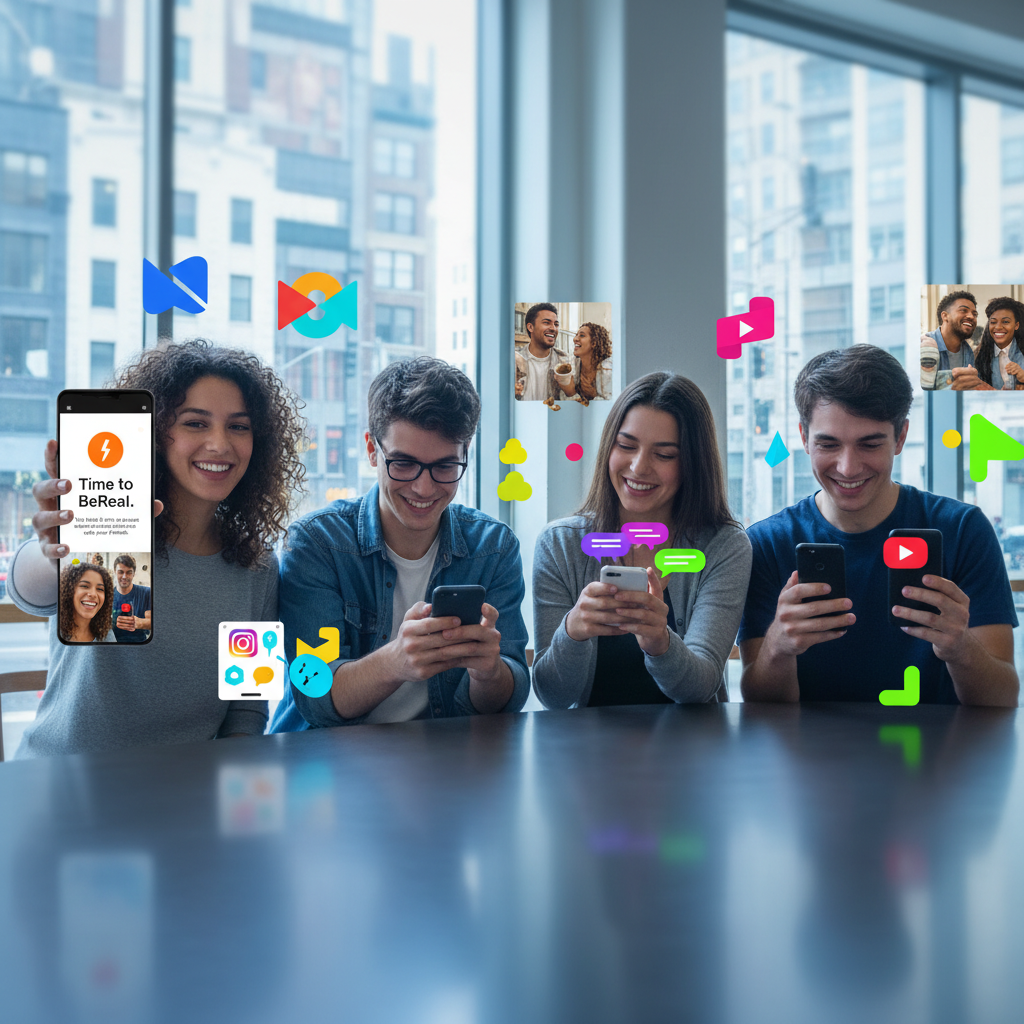
BeReal And Gen Z Platform Marketing Strategy For Authentic Brands
Understanding and engaging Generation Z is paramount for brands seeking long-term relevance and loyalty. This digitally native cohort, born roughly between 1997 and 2012, possesses distinct values and social media behaviors that demand a fresh approach to marketing. Authenticity, transparency, and relatability are not merely buzzwords for Gen Z; they are non-negotiable filters through which brands are evaluated. Platforms like BeReal, with its emphasis on unpolished, in-the-moment content, offer a unique lens into BeReal and Gen Z platform marketing strategy for authentic brands. This article will explore how brands can genuinely connect with this influential demographic on emerging and established platforms by embracing their preference for realness over curated perfection.
Why is BeReal a Critical Platform for Gen Z Brand Engagement?
BeReal is a critical platform for Gen Z brand engagement because it directly addresses this generation’s deep-seated craving for authenticity and unfiltered experiences, providing a unique, low-pressure environment for genuine connection. Unlike other social media apps that often promote curated, idealized lifestyles, BeReal prompts users once a day to capture a simultaneous dual-camera photo within a two-minute window, fostering spontaneity and real-time sharing. This approach resonates powerfully with Gen Z, a demographic that is highly skeptical of traditional advertising and overly polished content.
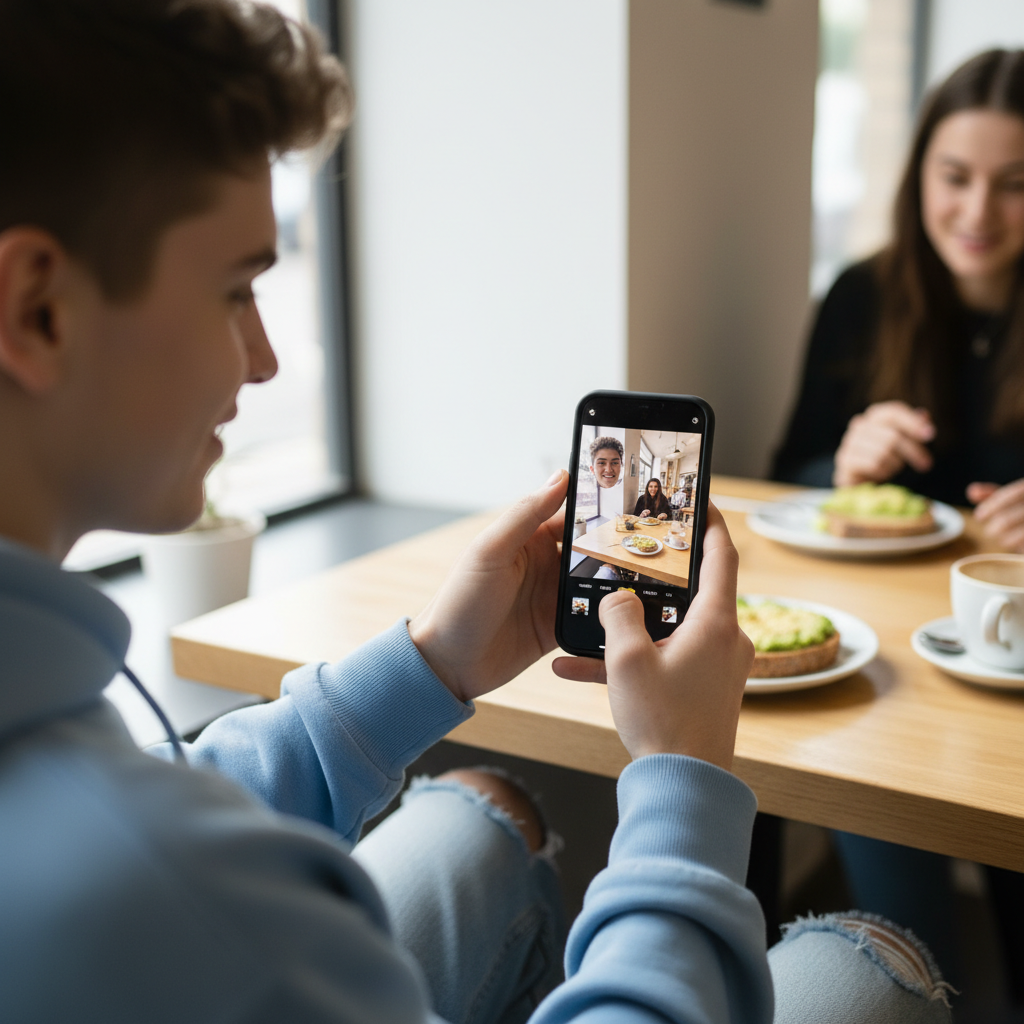
The platform’s user base is overwhelmingly Gen Z, with 78% to 85% of its users falling within this demographic, predominantly aged 18-24. This concentration makes BeReal an invaluable channel for brands looking to understand and interact directly with this influential group. Gen Z perceives BeReal as more personal and authentic than other social media platforms, with studies showing that 89% feel it’s more authentic and 91% find it the most personal form of social media. Furthermore, a significant portion of Gen Z users (around 30%) trust BeReal content more than Instagram due to its raw, unedited presentation. This high level of trust and the platform’s focus on genuine interaction create a fertile ground for brands to build advocacy and deepen relationships with a demographic that values transparency above all else.
Understanding Gen Z Social Media Behavior on Emerging Platforms
Gen Z’s social media behavior is characterized by a demand for realness, a preference for visual content, and a reliance on platforms for discovery and community. They use social media not just for entertainment, but also for product discovery, news consumption, and even customer service. This generation is adept at filtering out irrelevant or inauthentic content, having grown up in a saturated digital environment. Their attention spans are shorter, necessitating quick, digestible content that delivers immediate value. They also prioritize privacy and expect brands to be transparent about data usage, even as they share personal information for personalized experiences.
The Appeal of Authenticity: How BeReal Captures Gen Z Attention
BeReal captures Gen Z’s attention by directly counteracting the curated perfection often found on other platforms. The app’s core mechanism, which mandates spontaneous, unfiltered posts, aligns perfectly with Gen Z’s desire for real, unpolished content. This fosters a sense of relatability and trust, as users see genuine glimpses into friends’ (and brands’) daily lives, free from filters or extensive editing. The absence of traditional ads on BeReal has also been a significant draw, with 80% of users reporting they appreciate this distinction. This creates a high-trust, low-gloss environment where brands can achieve cultural relevance by simply “being real”.
How Brands Authentically Market to Gen Z on Emerging Platforms?
Brands authentically market to Gen Z on emerging platforms by prioritizing transparency, genuine engagement, and content that feels native to the platform rather than overtly promotional. This approach contrasts sharply with traditional marketing tactics, which Gen Z often perceives as inauthentic or forced. Successful brands understand that Gen Z values consistent values, visible human elements behind the brand, and social media content that is real, not overly polished or scripted.
To truly connect, brands must move beyond simply being present on these platforms and instead focus on fostering community and co-creation. This involves actively encouraging user-generated content (UGC), responding genuinely to feedback, and collaborating with micro-influencers whose values align naturally with the brand. Gen Z is more likely to trust recommendations from peers or smaller, relatable creators than celebrity endorsements. The effectiveness of how brands authentically market to Gen Z on emerging platforms lies in their ability to integrate seamlessly into the generation’s digital ecosystems, offering value and genuine interaction rather than just selling products.
Crafting Unpolished Authentic Content Strategy for Gen Z Audience Engagement
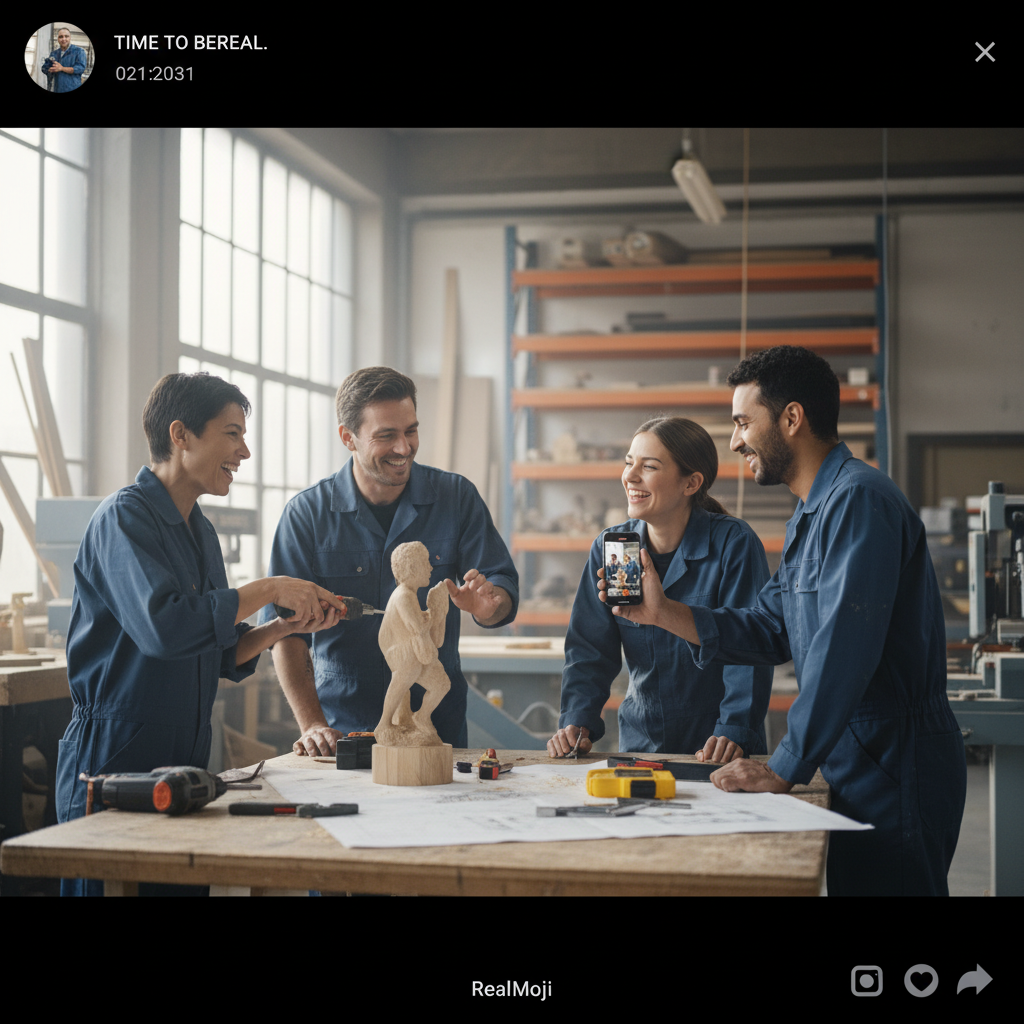
An unpolished authentic content strategy for Gen Z audience engagement embraces raw, unfiltered, and relatable content that feels genuine rather than professionally produced. This means moving away from highly staged aesthetics and towards visuals that could be shot on a phone, featuring real people and incorporating platform-native elements like emojis and trending sounds. Behind-the-scenes glimpses, “day in the life” snippets, and content showing the human side of a brand resonate strongly. For example, a brand might share a BeReal of their team brainstorming, a quick TikTok showing a product being made, or an Instagram Reel featuring customer testimonials. The goal is to create content that feels like it belongs in a friend’s feed, not a commercial break.
Building Trust Through Transparency: Key to Gen Z Marketing
Transparency is a cornerstone of effective Gen Z marketing, as this generation values honesty and openness above all else. Building trust means clearly communicating brand values, demonstrating genuine commitment to social and environmental causes, and being forthright about business practices. Gen Z can quickly detect performative activism or disingenuous claims, leading to a loss of trust and loyalty. Brands should actively involve Gen Z in content creation and decision-making processes, ensuring their voices are heard and reflected. This can involve inviting feedback on product ideas or featuring user stories, making the audience feel seen and valued.
What Does Gen Z Social Media Behavior Mean for Brand Marketing Beyond TikTok?
Gen Z social media behavior means that brand marketing beyond TikTok must prioritize diverse platform engagement, authentic visual storytelling, and community-driven interactions. While TikTok remains a dominant force, Gen Z’s digital landscape is multifaceted, encompassing platforms like Instagram, YouTube, Snapchat, and even niche communities such as Discord and Reddit. This generation uses social media not just for entertainment, but as a primary source for discovery, research, and validation before making purchasing decisions. Therefore, a holistic Gen Z marketing strategy beyond TikTok in 2026 requires a nuanced understanding of each platform’s unique dynamics and how Gen Z interacts within them.
Brands must recognize that Gen Z expects two-way interactions and actively seeks out content that is relatable and genuine. This often means shifting focus from highly produced, aspirational content to more raw, behind-the-scenes glimpses and user-generated content. The importance of influencer marketing also persists, but with a strong preference for micro and nano-influencers who offer more authentic and relatable connections compared to celebrity endorsements. Furthermore, Gen Z’s social-first shopping behavior means that brands need to integrate commerce seamlessly into their social strategies, understanding that discovery often happens on platforms like Instagram and YouTube before a purchase is made.
Analyzing Gen Z’s Evolving Digital Landscape and Platform Preferences
Gen Z’s digital landscape is constantly evolving, and their platform preferences are fluid, driven by a desire for novelty and authentic connection. While TikTok, Instagram, and YouTube remain top contenders for content consumption and discovery, other platforms play crucial roles.
Here’s a breakdown of Gen Z’s platform engagement:
| Platform | Primary Use for Gen Z | Marketing Implications for Brands |
|---|---|---|
| TikTok | Entertainment, product discovery, trends, short-form video | Embrace trends, challenges, raw video, influencer partnerships. |
| Visual storytelling, product discovery, credibility checks, DMs, Reels, Stories | High-quality visuals (but not overly polished), Reels, Stories, UGC, direct engagement. | |
| YouTube | Long-form content, tutorials, reviews, in-depth research, entertainment | Educational content, behind-the-scenes, influencer reviews, Shorts. |
| Snapchat | Intimate, real-time sharing, AR experiences, private messaging | Ephemeral content, AR filters, exclusive glimpses, direct interaction. |
| BeReal | Authentic, unedited, spontaneous daily updates, close connections | Raw, behind-the-scenes, humanizing the brand, community building. |
| Discord/Reddit | Niche communities, shared interests, deep engagement, anonymity | Community management, direct interaction, gathering insights, fostering loyalty. |
This diverse usage means brands cannot rely on a single platform strategy. Instead, they need a tailored approach for each, ensuring content feels native and authentic to the specific environment.
Shifting from Curated Feeds to Real-Time Interactions for Brands
The shift from curated feeds to real-time interactions is a direct response to Gen Z’s demand for authenticity and immediacy. This generation grew up with instant information and expects brands to be responsive and present in the moment. Overly polished, delayed content can feel inauthentic and out of touch. Brands must embrace live features, Q&A sessions, and spontaneous content that reflects genuine interactions. This includes responding promptly to comments and messages, engaging in trending conversations, and even allowing for user-generated content to drive real-time campaigns. The goal is to create a dynamic, conversational presence that mirrors how Gen Z interacts with their peers. This is where Digital Marketing Services can help brands navigate these complex shifts.
Implementing an Unpolished Authentic Content Strategy for Gen Z Audience Engagement
Implementing an unpolished authentic content strategy for Gen Z audience engagement involves deliberately moving away from highly produced, glossy marketing materials in favor of raw, relatable, and spontaneous content. This strategy recognizes that Gen Z values realness and transparency above aesthetic perfection, making content that feels “too corporate” or “too perfect” easily dismissed. The core principle is to humanize the brand, showcasing the people, processes, and genuine moments behind the products or services.
This approach can manifest in various forms, from behind-the-scenes videos shot on smartphones to candid employee spotlights and user-generated content campaigns. The emphasis is on content that could be shared by a friend, featuring natural lighting, minimal editing, and a conversational tone. Brands should also embrace humor and relatability, participating in platform-specific trends and memes in a genuine, unforced manner. This not only captures Gen Z’s attention but also fosters a deeper sense of trust and connection, as the content feels more like an organic interaction than a sales pitch.
Strategies for Creating Spontaneous and Relatable Brand Content
Creating spontaneous and relatable brand content requires a shift in mindset and production workflows. Here are key strategies:
* Embrace Lo-Fi Production: Utilize smartphones for shooting videos and photos. Low-fidelity visuals, often with natural lighting and minimal editing, mimic the content Gen Z creates and consumes daily.
* Go Behind the Scenes: Share candid glimpses of your team, office life, product development, or event preparations. This humanizes your brand and builds a sense of transparency.
* Leverage User-Generated Content (UGC): Actively encourage customers to share their experiences with your products or services. Repost their content, run contests, or feature testimonials. UGC is highly trusted by Gen Z.
* Participate in Trends Authentically: Engage with trending sounds, challenges, or memes on platforms like TikTok and Instagram Reels. However, ensure participation feels natural and aligns with your brand’s voice, avoiding forced attempts at relevance.
Show, Don’t Just Tell: Instead of talking about* your values, demonstrate them through actions and real stories. For instance, a sustainable brand could show its eco-friendly production process.
* Encourage Employee Advocacy: Empower employees to share their experiences and insights about the brand on their personal social channels. This adds a layer of genuine human connection.
Measuring Authenticity: Metrics for Genuine Gen Z Connection
Measuring authenticity isn’t as straightforward as tracking clicks or conversions, but certain metrics can indicate genuine Gen Z connection:
1. Engagement Rate (Beyond Likes): Look at comments, shares, saves, and direct messages. These actions suggest deeper resonance than passive likes.
2. User-Generated Content Volume & Quality: An increase in spontaneous, unprompted UGC featuring your brand indicates strong authentic connection and advocacy.
3. Sentiment Analysis: Monitor comments and mentions for positive, genuine sentiment. Are users expressing trust, relatability, or a sense of community?
4. Brand Mentions (Organic): Track how often your brand is mentioned in conversations not initiated by your official channels. Organic mentions often signal genuine interest and discussion.
5. Retention Rates: Brands perceived as authentic achieve higher customer retention rates among Gen Z consumers.
6. Direct Feedback: Conduct surveys or polls asking Gen Z directly about their perception of your brand’s authenticity.
Developing a Gen Z Marketing Strategy Beyond TikTok in 2026 and Beyond
Developing a Gen Z marketing strategy beyond TikTok in 2026 and beyond requires a comprehensive, multi-platform approach that acknowledges Gen Z’s diverse digital habits and their unwavering demand for authenticity. While TikTok remains crucial, brands must strategically expand their presence to other platforms where Gen Z actively engages, such as Instagram, YouTube, Snapchat, and increasingly, niche communities like Discord. This strategy is not about replicating content across all channels but tailoring messages and formats to suit each platform’s unique culture and user expectations.
The future of marketing to Gen Z lies in building genuine relationships and fostering communities around shared values, rather than relying on traditional, one-way advertising. Brands need to be agile, constantly monitoring emerging trends and platforms to stay relevant without appearing forced. This includes leveraging interactive content, personalized experiences, and forming partnerships with micro-creators who can offer relatable, peer-led endorsements. Ultimately, a successful Gen Z marketing strategy for the coming years will be defined by its ability to adapt, innovate with purpose, and consistently demonstrate transparency and realness across all digital touchpoints.
Exploring Niche Platforms and Community-Driven Marketing Approaches
Exploring niche platforms and adopting community-driven marketing approaches are vital for connecting with Gen Z beyond mainstream social media. Gen Z often seeks out smaller, more private communities where they can engage around shared interests without the overwhelming content saturation of larger platforms. Platforms like Discord, Reddit, and private Instagram groups offer fertile ground for building loyal fan bases and fostering deeper engagement.
Strategies include:
* Establishing Brand Communities: Create dedicated spaces on platforms like Discord where Gen Z can interact directly with the brand and each other. This fosters a sense of belonging and allows for direct feedback and co-creation.
* Engaging in Existing Niche Forums: Participate authentically in relevant subreddits or online forums where your target Gen Z audience congregates. Provide value, answer questions, and build credibility without overt self-promotion.
* Partnering with Micro-Communities: Collaborate with community leaders or moderators to reach highly engaged, specific segments of Gen Z.
* Hosting Interactive Events: Organize online workshops, Q&A sessions, or exclusive content drops within these communities to drive engagement and provide unique value.
* User-Generated Content Challenges: Launch community-specific challenges that encourage authentic content creation and participation, amplifying reach within trusted circles.
Future-Proofing Your Brand: Adapting to Gen Z’s Digital Evolution
Future-proofing your brand means continuously adapting to Gen Z’s rapid digital evolution and anticipating their changing preferences. This involves several key considerations:
* Prioritize Agility and Experimentation: The digital landscape changes quickly. Brands must be willing to test new platforms, content formats, and strategies, learning from successes and failures.
* Invest in AI for Personalization (with caution): Gen Z expects personalization but is wary of overly synthetic content. Use AI to deliver real-time recommendations and tailor experiences, but ensure content feels human and subtle.
* Embrace Immersive Experiences: Augmented Reality (AR) and Virtual Reality (VR) experiences, interactive quizzes, and gamified content can leave a lasting impression on Gen Z, who value experiences over traditional ads.
* Focus on Values and Purpose: Gen Z demands that brands take genuine stances on social issues like sustainability, diversity, and mental health. Aligning with these values is crucial for long-term loyalty.
* Maintain Transparency Around Data: Gen Z is concerned about data privacy but willing to share for personalized experiences, provided brands are transparent about how their data is used. Clear privacy policies are essential.
* Integrate Online and Offline: While digital natives, Gen Z also seeks to translate digital connections into real-world interactions. Consider hybrid events or experiences that bridge the virtual and physical.
FAQ Section
What defines Gen Z’s preference for authentic content?
Gen Z’s preference for authentic content stems from their upbringing in a digitally saturated world, making them highly skeptical of overly polished or manufactured marketing. They value transparency, relatability, and honesty, seeking genuine connections with brands that reflect real people and real stories. This generation can quickly detect inauthenticity, leading them to disengage from brands that don’t align with these values.
Why is BeReal particularly appealing to Gen Z?
BeReal appeals to Gen Z because it offers an escape from the curated perfection prevalent on other social media platforms. Its core feature, prompting users to post unfiltered, real-time photos daily, aligns with Gen Z’s desire for spontaneity and genuine interaction. The absence of traditional ads and the focus on close connections further contribute to its appeal, fostering a high-trust environment. Most of its users are Gen Z, making it a key platform for this demographic.
How does Gen Z’s social media behavior differ from Millennials?
Gen Z, as true digital natives, has never known a world without social media, shaping their expectations for immediacy, authenticity, and transparency from brands. Unlike Millennials, who adapted to social media, Gen Z uses platforms as primary discovery engines and for research, often preferring raw, unpolished content over aspirational messaging. They are also more discerning consumers, prioritizing values and purpose in their brand interactions.
What role do micro-influencers play in Gen Z marketing?
Micro-influencers play a significant role in Gen Z marketing because they offer more authentic and relatable connections than celebrity endorsements. Gen Z trusts recommendations from peers and creators who genuinely align with brand values, viewing these partnerships as more credible and less transactional. Collaborating with micro-influencers allows brands to tap into highly engaged, niche communities and build trust through genuine advocacy.
How can brands measure the effectiveness of an authentic content strategy?
Measuring the effectiveness of an authentic content strategy involves looking beyond traditional metrics. Key indicators include high engagement rates (shares, saves, comments, direct messages), increased volume and quality of user-generated content, positive sentiment analysis in brand mentions, and organic brand mentions. Higher customer retention rates among Gen Z consumers also suggest perceived authenticity. Direct feedback through surveys can also provide valuable insights into how authentic a brand is perceived to be.
What are some key elements of a Gen Z marketing strategy beyond TikTok?
A Gen Z marketing strategy beyond TikTok requires a multi-platform approach, engaging on platforms like Instagram, YouTube, Snapchat, and niche communities. Key elements include prioritizing authentic visual storytelling, fostering community-driven interactions, leveraging micro-influencers, and creating interactive and personalized experiences. Brands must also align with Gen Z’s values, demonstrating transparency and purpose across all digital touchpoints.
The evolving digital landscape, shaped by Generation Z’s unique values and behaviors, mandates a paradigm shift in brand marketing. The era of perfectly curated feeds and overt advertising is waning, replaced by a demand for authenticity, transparency, and genuine connection. Platforms like BeReal exemplify this shift, offering a raw, unfiltered space where brands can truly humanize their presence.
Key takeaways for brands navigating this new frontier include:
* Embrace Authenticity as a Core Value: Gen Z demands realness over polished perfection in all brand interactions.
* Diversify Beyond Dominant Platforms: While TikTok is important, a holistic strategy requires engaging on Instagram, YouTube, Snapchat, and niche communities.
* Prioritize Unpolished, Relatable Content: Opt for user-generated content, behind-the-scenes glimpses, and lo-fi visuals that feel genuine.
* Foster Community and Co-Creation: Engage actively with your audience, encourage participation, and collaborate with micro-influencers.
* Demonstrate Values and Transparency: Align your brand with social and environmental causes, and be open about your practices.
* Be Agile and Experimental: The digital world moves fast; continuously adapt, test new approaches, and learn from your audience.
By authentically connecting with Gen Z on their terms, brands can build lasting loyalty and achieve meaningful engagement in an increasingly complex digital world. It’s time to be real.