

Snapchat Advertising Strategy For Gen Z Brand Reach 2026 Guide
A robust Snapchat advertising strategy is essential for brands aiming to effectively reach and engage Generation Z consumers in today’s dynamic digital landscape. Snapchat remains a powerful platform for youth marketing campaigns, offering unique opportunities for authentic connections and immersive experiences. By understanding Gen Z’s preferences for real, spontaneous content and leveraging Snapchat’s innovative ad formats, brands can significantly boost their reach and engagement. This article will delve into the core components of a successful Snapchat advertising approach, from optimizing ad creatives to strategically allocating marketing budgets, ensuring your brand resonates with this crucial demographic.
How to Run Effective Snapchat Ads for Youth Marketing Campaigns
To run effective Snapchat ads for youth marketing campaigns, brands must prioritize authenticity, vertical video, and interactive elements that align with Gen Z’s native content consumption habits on the platform. Snapchat users, particularly Gen Z, prefer content that feels real, spontaneous, and less polished than traditional advertisements.
Snapchat’s advertising ecosystem offers a variety of tools to build high-impact campaigns, helping brands reach new users and drive measurable conversions. Advertisements on Snapchat are designed to look and function like the content users already share, reducing the “jarring” effect of traditional ads. Key ad formats include Snap Ads (full-screen video or image ads appearing between friends’ stories or in the Discover feed), Story Ads (branded tiles in the Discover section), and Collection Ads (featuring tappable product thumbnails). Brands should focus on short, engaging visuals that capture attention within the first 2-3 seconds, incorporate clear calls to action, and utilize sound strategically. Goal-Based Bidding (GBB) is a powerful strategy, allowing advertisers to set campaign goals like purchases or lead form submissions, which helps the algorithm optimize for users more likely to convert.

Crafting Engaging Ad Creatives for Gen Z Audiences
Creating ad creatives that resonate with Gen Z requires a deep understanding of their preferences for authenticity and visual storytelling. Gen Z consumers are notoriously hard to reach; they scroll fast and can easily spot a sales pitch. Therefore, ads should feel native to the platform, resembling user-generated content rather than highly produced commercials. This includes using vertical video, bold text, and dynamic motion. Brands can also leverage user-generated content (UGC) by encouraging their audience to create and share Snaps using branded filters or lenses, which often performs better than traditional branded content.
Implementing Advanced Targeting for Youth Marketing
Advanced targeting is crucial for maximizing the impact of youth marketing campaigns on Snapchat. The platform’s Ad Manager allows brands to target users based on demographics, interests, behaviors, and even location. Location targeting can be particularly effective for local businesses or for promoting events. Furthermore, brands can create Lookalike Audiences to find new users who share similar characteristics with their existing customer base, or use retargeting with the Snap Pixel to re-engage website visitors. This precision ensures that ad spend is directed towards the most relevant Gen Z segments, improving overall campaign efficiency.
Snapchat AR Lens Advertising Strategy for Product Launches
A robust Snapchat AR lens advertising strategy for product launches provides brands with an unparalleled opportunity to create immersive, interactive experiences that allow Gen Z consumers to virtually engage with new products before purchase. Snapchat’s AR technology is a significant advantage, with users interacting with AR lenses billions of times daily. These interactive filters use Augmented Reality to alter images and videos in real-time, offering engaging and playful experiences that can showcase products in a unique way. For more insights, check out our guide on Digital Marketing Services.
AR lenses are more than just entertainment; they can directly influence sales by reducing hesitation and encouraging purchases through virtual try-on experiences for items like sunglasses or makeup. Brands can create these lenses using tools like Snapchat’s Lens Studio or the simpler Lens Web Builder, which allows for AR lens creation with no coding required. Successful AR lenses seamlessly integrate with a brand’s existing identity and messaging, ensuring a cohesive and immersive experience for users. The integration of calls to action (CTAs) within AR filters also helps capture valuable mid-funnel signals, guiding Snapchatters towards specific conversion actions.
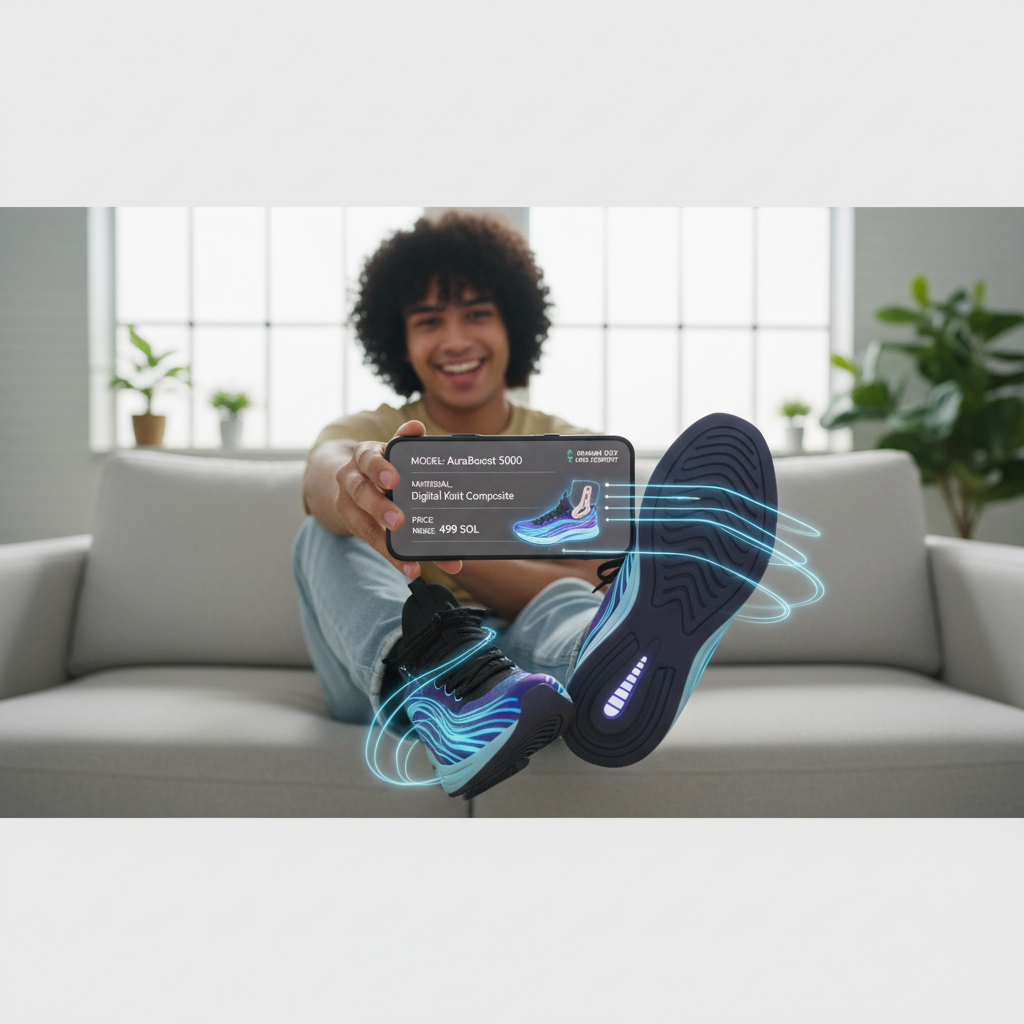
Designing Immersive AR Experiences for New Products
Designing immersive AR experiences for product launches on Snapchat involves creating interactive elements that captivate users and highlight product features. Brands should focus on vibrant colors and engaging animations that reflect their brand style. Interactive elements, such as allowing users to “try on” products or place virtual items in their environment, encourage playful engagement and deeper connection. For instance, a beauty brand could offer a virtual makeup try-on, or a furniture brand could let users preview how a new sofa looks in their living room. Ensuring the lens is lightweight and fast-loading is crucial for a smooth user experience.
Promoting Your AR Lenses for Maximum Reach
Promoting AR lenses effectively is vital to maximize brand reach and product visibility. Once a lens is approved, a strategic launch plan is necessary. Brands can announce the launch across other social media platforms and encourage influencers and Snapchat users to share their experiences with the lens. Integrating the AR lens into a broader marketing campaign helps boost engagement and ensures it reaches a wider audience. Sponsored AR Filters, a newer ad offering, expand reach beyond the pre-capture Lens Carousel, appearing after Snapchatters capture their content, allowing brands to join in on more shareable moments.
Snapchat Spotlight Content Strategy for Organic Brand Discovery
A robust Snapchat Spotlight content strategy for organic brand discovery focuses on creating entertaining, vertical video content that can go viral and connect brands with a broad audience, even without a massive existing following. Spotlight is Snapchat’s entertainment platform for user-generated content, designed to put engaging Snaps in front of a wide audience. This feature allows brands to increase discoverability and build community by showcasing authentic, spontaneous moments that resonate with Gen Z. For more insights, check out our guide on Digital Marketing Services.
To succeed on Spotlight, content should be vertical videos with sound, avoiding still images, horizontal Snaps, or text-only posts. The platform rewards creativity and authenticity, encouraging brands to make every second count with creative tools like captions, sounds, lenses, or GIFs. Brands should focus on content that shows humor, challenges, behind-the-scenes moments, or real customer experiences, as consumers prioritize human-generated content. Consistent sharing in Spotlight helps build presence and trust, leading to stronger long-term growth through steady exposure.
Creating Viral-Ready Content for Spotlight
Creating viral-ready content for Spotlight means producing short, captivating vertical videos that grab attention instantly. Snapchatters prefer content that feels real and unpolished, so brands should avoid overly scripted or corporate-looking videos. Highlighting entertaining Snaps with a strong start and a clear storyline incentivizes viewers to watch until the end. Using relevant hashtags and location tags can also increase discoverability, helping content reach like-minded users or local audiences. For example, a local café might post a behind-the-scenes Snap of drink making to Spotlight, then tag their location to appear on Snap Map.
Leveraging Spotlight for Community Building and Engagement
Spotlight is not just for viral reach; it’s also a powerful tool for community building and fostering engagement. By consistently posting authentic and valuable content, brands can build deeper relationships with their audience. Encouraging user-generated content through challenges or by featuring audience Snaps can create a sense of loyalty and participation. Brands can also use Spotlight to showcase staff takeovers or behind-the-scenes glimpses, humanizing their brand and building trust. The goal is to connect on a closer level, making the brand feel like a peer rather than just an advertiser.
Snapchat vs TikTok for Gen Z Marketing Budget Allocation
When considering Snapchat vs TikTok for Gen Z marketing budget allocation, brands must analyze the distinct audience demographics, engagement patterns, and ad formats of each platform to determine which best aligns with their campaign objectives. Both platforms are crucial for reaching Gen Z, but they offer different strengths. Snapchat’s audience skews younger, with roughly 60% of users aged 13-24, making it a default choice for verticals like mobile gaming, dating apps, music streaming, and fast fashion. TikTok, while also popular with Gen Z, has a broader and slightly older audience, with 68-70% of users aged 18-34.
Snapchat often delivers cheaper Cost Per Mille (CPM) and Cost Per Click (CPC) compared to TikTok, with Snapchat CPMs ranging from $3-8 and CPC from $0.30-$1.00. TikTok’s median CPM is slightly higher at $5.50, and CPC ranges from $0.50-$1.00. Snapchat’s minimum daily ad budget is also lower, starting at $5, compared to TikTok’s $50 campaign minimum. However, TikTok offers massive scale with 1.9 billion Monthly Active Users (MAU) compared to Snapchat’s ~850M MAU, and stronger e-commerce integrations, including a rapidly growing TikTok Shop. The choice ultimately depends on the specific vertical and campaign goals.
| Feature/Metric | Snapchat Ads | TikTok Ads |
|---|---|---|
| Core Audience (Dominant) | 13-24 (60% of users) | 18-34 (68-70% of users) |
| Daily Active Users (DAU) | 477M | ~900M |
| Median CPM | $3-$8 | $5.50 |
| Average CPC | $0.30-$1.00 | $0.50-$1.00 |
| Minimum Daily Budget | $5 | $50 (campaign) / $20 (ad group) |
| Best For | Gen Z, AR, gaming, dating | E-commerce, broad scale |
| Engagement Focus | AR lenses, ephemeral content | Short-form video, viral trends |
Analyzing Gen Z Engagement on Each Platform
Understanding Gen Z engagement on each platform is critical for informed budget allocation. Snapchat users open the app multiple times a day, with an average user opening it around 40 times daily, indicating high engagement with its communication-focused features. They are highly engaged with AR lenses, with an average interaction time of 10-15 seconds per Snap Business data. TikTok, on the other hand, is a hub for short-form videos, product discovery, and viral trends, with 73% of Gen Z using it daily. Gen Z also uses social media as a primary source for shopping inspiration, with 97% using it for this purpose. Brands must consider whether their content strategy aligns better with Snapchat’s intimate, authentic, and AR-rich environment or TikTok’s broad, trend-driven, and e-commerce-integrated ecosystem. For brands seeking comprehensive support across various platforms, exploring Digital Marketing Services can provide tailored strategies.
Strategic Budget Allocation Based on Campaign Goals
Strategic budget allocation should be driven by specific campaign goals. If the primary goal is to reach a younger Gen Z demographic (13-24) with interactive AR experiences and potentially lower ad costs, Snapchat might be the more efficient choice. For campaigns focused on broad-scale reach, viral trends, and direct e-commerce conversions, TikTok’s larger user base and robust e-commerce features may offer a better return. It’s also worth noting that at scale, TikTok’s automation (Smart+, Symphony) can outperform manual optimization, making it a more efficient spend channel for large budgets. Many brands adopt a diversified approach, allocating a portion of their budget to both platforms, adjusting based on performance data and specific vertical needs.
Optimizing Snapchat Ad Performance and Measurement
Optimizing Snapchat ad performance and measurement involves continuously tracking online behavior, utilizing advanced targeting, and employing goal-based bidding strategies to improve campaign effectiveness and return on investment. Snapchat’s Ads Manager is a self-serve platform where brands can launch campaigns, monitor performance, and optimize towards specific business goals. Regular monitoring and adjustments are crucial for long-term success.
One fundamental aspect of optimization is implementing the Snap Pixel, a piece of JavaScript code installed on a brand’s website to track online actions Snapchatters take after seeing an ad. This pixel allows for attributing conversion events, such as page views, add-to-carts, and purchases, back to campaigns. Furthermore, it enables the creation of custom audiences for retargeting, allowing brands to re-engage high-intent individuals who have previously interacted with their website. Testing different ad formats, creatives, and targeting options through A/B testing or Campaign Lab is also essential to identify what resonates best with the target audience.
Utilizing Snap Pixel and Custom Audiences for Retargeting
The Snap Pixel is a powerful tool for optimizing Snapchat ad campaigns, particularly for retargeting efforts. By tracking user behavior on a brand’s website, the pixel provides valuable data that can inform future ad strategies. For example, if a user views a product page but doesn’t complete a purchase, they can be added to a custom audience and served retargeting ads with specific offers or reminders on Snapchat. This approach targets individuals who have already shown interest, leading to higher conversion rates and a more efficient use of ad spend. Pixel Custom Audiences are particularly effective for conversion-focused campaigns.
A/B Testing and Iteration for Continuous Improvement
A/B testing and continuous iteration are vital for refining Snapchat ad campaigns and achieving optimal performance. Brands should never stick to just one ad format or creative; instead, they should constantly test different elements to see what performs best. This includes testing various hooks, calls to action, visual styles, and ad copy. Snapchat’s machine learning algorithms need data to understand who is clicking and buying, so giving new ad sets at least 4 days to run before making changes allows the learning phase to stabilize. By systematically testing and analyzing results, brands can make data-driven decisions to tweak creative assets, optimize targeting, and improve overall campaign effectiveness.
Why is Snapchat still relevant for Gen Z marketing in 2026?
Snapchat remains highly relevant for Gen Z marketing because its audience is loyal and highly engaged, with over 80% of users opening the app daily. It serves as a communication tool and a platform for discovery and shopping, making it ideal for brands that understand its authentic and spontaneous culture.
What types of Snapchat ads are most effective for Gen Z?
For Gen Z, the most effective Snapchat ads are full-screen, vertical video ads that feel native to the platform, resembling user-generated content. Interactive formats like AR Lenses and Filters are also highly engaging, allowing users to virtually try on products or interact with branded experiences. Short, captivating Snaps with clear calls to action perform best.
How can brands measure the success of their Snapchat ad campaigns?
Brands can measure Snapchat ad success using the Snapchat Ads Manager, which provides tools to monitor campaign performance, including impressions, swipe-ups, and conversion rates. Implementing the Snap Pixel on their website allows for tracking online actions like purchases and lead generations, providing crucial ROI data. A/B testing also helps identify the most effective creative and targeting strategies.
What is Snapchat Spotlight and how can brands use it for organic reach?
Snapchat Spotlight is a dedicated section for entertaining, user-generated vertical video content that can go viral and reach a broad audience. Brands can use it for organic reach by creating authentic, creative, and spontaneous vertical videos with sound, utilizing relevant hashtags, and showcasing behind-the-scenes moments or customer experiences. Consistent posting helps build presence and trust.
Should brands prioritize Snapchat or TikTok for their Gen Z marketing budget?
The prioritization between Snapchat and TikTok for Gen Z marketing budget allocation depends on specific campaign goals and target demographics. Snapchat is ideal for targeting younger Gen Z (13-24) with interactive AR experiences and potentially lower ad costs. TikTok offers broader scale and stronger e-commerce integrations, suitable for viral trends and direct conversions. Many brands benefit from a diversified strategy across both platforms.
What is a Snapchat AR Lens and how does it help with product launches?
A Snapchat AR Lens is an interactive filter that uses augmented reality to overlay 3D digital effects onto a user’s face or environment in real-time. For product launches, AR Lenses allow consumers to virtually try on products, such as makeup or clothing, or place virtual items in their space. This immersive engagement reduces purchase hesitation and drives sales by offering a unique, interactive preview.
The landscape of youth marketing continues to evolve rapidly, but Snapchat remains an indispensable platform for engaging Generation Z. Brands that embrace authenticity, creativity, and interactive ad formats will find significant success in connecting with this influential demographic.
Key takeaways for a winning Snapchat advertising strategy include:
* Prioritize authentic, vertical video content that feels native to the platform.
* Leverage Snapchat’s powerful AR Lenses for immersive product launches and interactive brand experiences.
* Utilize Snapchat Spotlight to drive organic brand discovery through entertaining and shareable user-generated content.
* Strategically allocate marketing budgets by understanding the distinct strengths of Snapchat versus TikTok, aligning with specific campaign goals.
* Continuously optimize ad performance through Snap Pixel implementation, advanced targeting, and rigorous A/B testing.
By integrating these strategies, your brand can build meaningful connections, foster loyalty, and achieve measurable results with Gen Z on Snapchat. Start crafting your tailored approach today to unlock the full potential of this dynamic platform.