
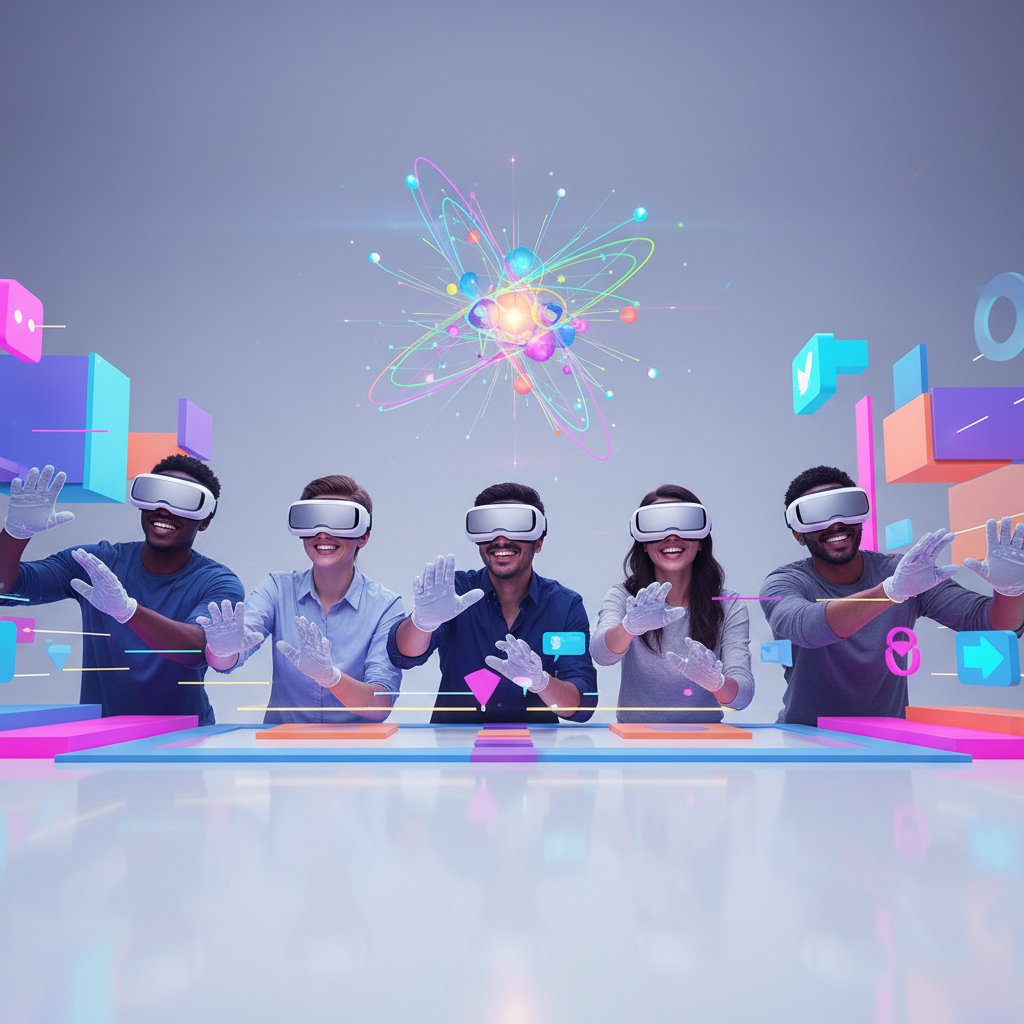
Virtual Reality Brand Experience Strategy for Consumer Marketing Success
A robust virtual reality brand experience strategy for consumer marketing is becoming essential for businesses aiming to forge deeper connections with their audience. This innovative approach leverages immersive VR technologies to create memorable, interactive encounters that go far beyond traditional advertising. By allowing consumers to engage with products and services in a simulated environment, brands can build stronger emotional ties and drive purchase decisions. This article explores how VR is revolutionizing consumer marketing, offering actionable strategies for implementation and highlighting its profound impact on brand loyalty and sales.
How Virtual Reality Transforms Consumer Engagement and Brand Perception
Virtual reality fundamentally transforms consumer engagement by offering unparalleled immersion and interactivity, allowing brands to create memorable and emotionally resonant experiences. This technology enables consumers to step into a brand’s world, fostering a sense of presence and direct interaction that traditional media cannot replicate. Virtual reality (VR) is a simulated experience that can be similar to or completely different from the real world. For more insights, check out our guide on Digital Marketing Services.
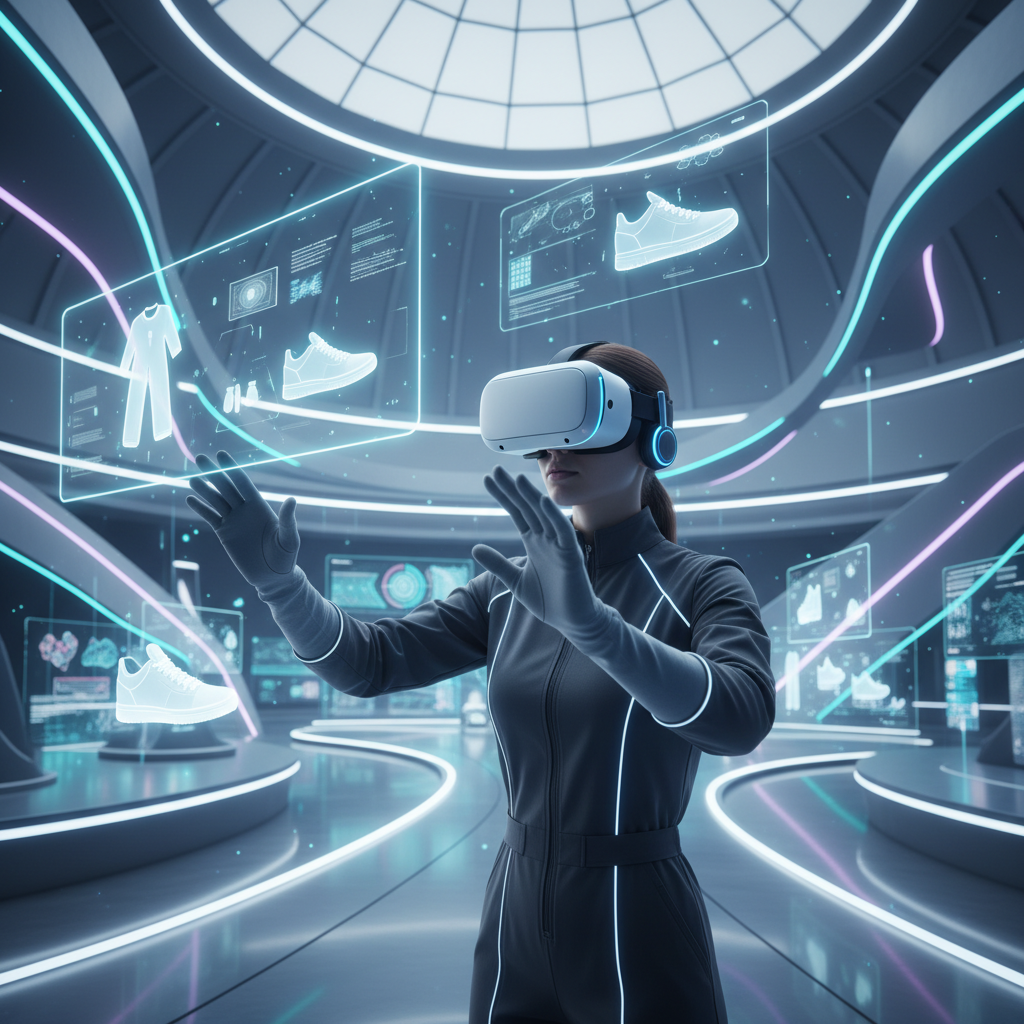
Brands are harnessing VR to build stronger perceptions of innovation and customer-centricity. For instance, a luxury brand might offer a virtual tour of its design studio, showcasing craftsmanship and heritage in an engaging format. This level of transparency and access builds trust and reinforces brand values. The ability to manipulate virtual objects or navigate complex environments makes the experience highly personal and impactful. Consumers become active participants rather than passive observers, leading to deeper cognitive and emotional processing of brand messages. This active participation significantly enhances brand recall and positive association.
Enhancing Emotional Connection Through Immersive Experiences
Immersive VR experiences are powerful tools for forging strong emotional connections with consumers. By placing individuals directly within a narrative or product environment, VR bypasses the typical filters of traditional advertising. For example, a travel company could offer a virtual tour of a destination, allowing potential customers to “feel” the atmosphere before booking. This emotional pre-experience can significantly influence purchase intent. Such experiences create a sense of wonder and novelty, making the brand stand out in a crowded market.
Building Brand Awareness and Differentiation with VR
Utilizing VR is an effective strategy for building brand awareness and differentiating from competitors. When a brand offers a unique VR experience, it generates buzz and media attention, extending its reach beyond the immediate participants. Consider a sports brand creating a VR simulation of training with a professional athlete. This novelty attracts users and creates shareable content, amplifying brand visibility. Furthermore, offering cutting-edge technology positions the brand as innovative and forward-thinking. This differentiation is crucial for capturing market share and fostering a modern brand image.
VR Product Demo Strategy for High-Consideration Purchase Categories
A compelling VR product demo strategy for high-consideration purchase categories allows consumers to thoroughly explore complex products, significantly reducing perceived risk and accelerating the decision-making process. For items like real estate, industrial machinery, or high-end electronics, a virtual demonstration offers an interactive and detailed preview that traditional methods cannot match. This strategy empowers potential buyers to engage with products in a realistic, risk-free environment. For more insights, check out our guide on Digital Marketing Services.
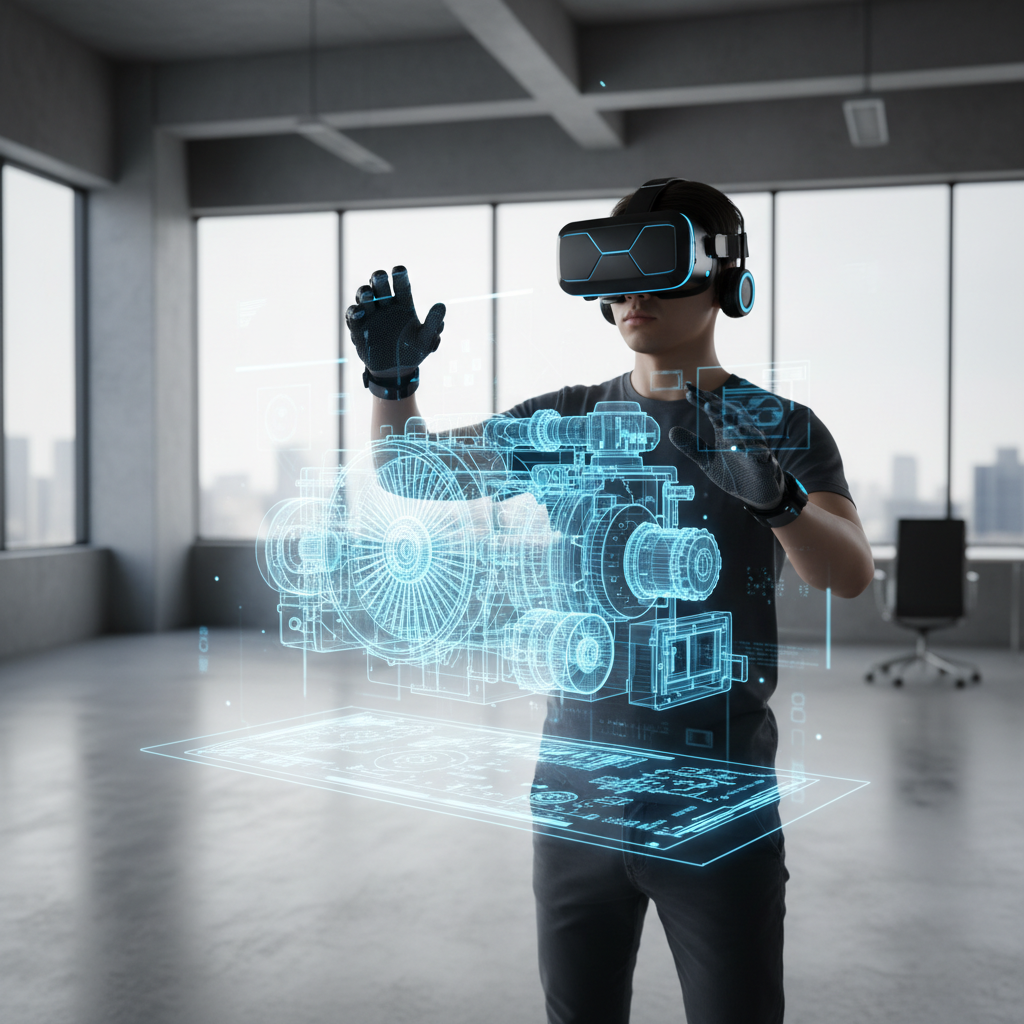
By providing an in-depth, hands-on experience, VR demos address common hesitations associated with expensive or intricate purchases. For instance, a car manufacturer might allow a customer to customize a vehicle in VR, walk around it, and even “test drive” it virtually. This level of interaction builds confidence and answers many questions upfront, streamlining the sales funnel. It also allows for showcasing features that are difficult to convey through images or videos alone. The ability to zoom, rotate, and interact with specific components makes the product tangible, even when it’s not physically present.
Customizing VR Demos for Complex Products
Customizing VR demos for complex products involves tailoring the virtual experience to highlight specific features and benefits relevant to the target audience. This might include interactive tutorials within the VR environment that explain intricate functionalities. For example, a software company could offer a VR demo where users navigate a virtual interface, guided by an AI assistant, to understand its capabilities. Personalization options, such as changing colors or configurations in real-time, further enhance the demo’s effectiveness. This bespoke approach ensures the demo directly addresses customer needs and pain points.
Measuring Engagement and Impact of VR Demos
Measuring the engagement and impact of VR demos is crucial for optimizing the strategy. Brands can track metrics such as time spent in the demo, specific features interacted with, and completion rates of guided experiences. This data provides valuable insights into user preferences and areas for improvement. Post-demo surveys can also gauge user satisfaction and perceived value. By analyzing these metrics, companies can refine their VR experiences, ensuring they are effectively converting interest into sales. This data-driven approach is vital for demonstrating the return on investment of a virtual reality brand experience strategy for consumer marketing.
Virtual Showroom Marketing Strategy for Automotive and Furniture Brands
A robust virtual showroom marketing strategy for automotive and furniture brands provides customers with an accessible, interactive, and highly customizable environment to explore products from anywhere in the world. This approach transcends geographical limitations, offering a rich browsing experience that closely mimics or even surpasses a physical visit. Virtual showrooms are particularly effective for categories where visual appeal and customization are paramount.
Virtual showrooms allow potential buyers to configure vehicles with different colors, trims, and accessories, viewing the changes in real-time 3D. Similarly, furniture brands can enable customers to place virtual furniture pieces in their own homes using augmented reality (AR) features, or explore entire collections in a beautifully rendered virtual space. This level of immersion helps consumers visualize products in context, making the purchase decision more informed and confident. It also significantly reduces the overhead costs associated with maintaining large physical showrooms. The convenience factor is a major draw, as customers can engage with the brand on their own schedule, from any device.
Designing Immersive Virtual Showrooms
Designing immersive virtual showrooms requires attention to detail, realism, and intuitive navigation. High-fidelity 3D models of products are essential, accurately representing textures, materials, and dimensions. The environment itself should be aesthetically pleasing and reflect the brand’s identity. For automotive brands, this might mean a sleek, futuristic showroom, while a furniture brand might opt for a cozy, home-like setting. Easy-to-use controls for exploration and customization are also critical to ensure a seamless user experience. This careful design ensures that the virtual space is as engaging and informative as possible.
Integrating Virtual Showrooms with Sales Funnels
Integrating virtual showrooms seamlessly with sales funnels is key to converting interest into sales. This involves providing clear calls to action within the virtual environment, such as “Request a Quote,” “Schedule a Test Drive,” or “Add to Cart.” Live chat functionality or virtual sales assistants can also be incorporated to answer questions in real-time, guiding customers through their options. For businesses looking to enhance their digital presence and streamline customer journeys, exploring comprehensive Digital Marketing Services can provide the necessary tools and expertise. This integration ensures that the virtual experience directly contributes to the brand’s revenue goals.
Leveraging Immersive VR Storytelling for Brand Loyalty Campaigns
Leveraging an immersive VR storytelling strategy for brand loyalty campaigns creates profound emotional connections and memorable narratives that resonate deeply with consumers, fostering enduring loyalty. By placing individuals as protagonists or witnesses within a compelling story, VR transforms passive viewing into active participation. This engagement builds a stronger bond between the consumer and the brand’s values or mission. For more insights, check out our guide on Digital Marketing Services.
Unlike traditional advertising, VR storytelling allows brands to transport audiences to different worlds or perspectives, evoking empathy and understanding. For example, an environmental brand could create a VR experience that simulates the impact of climate change, inspiring users to support their cause. This personal, visceral experience is far more impactful than simply reading statistics. The shared emotional journey reinforces the brand’s identity and commitment to its principles. When consumers feel a personal connection to a brand’s narrative, they are more likely to become advocates and repeat customers. This deep engagement is a cornerstone of effective loyalty building.
Crafting Engaging VR Narratives for Brands
Crafting engaging VR narratives for brands requires a deep understanding of storytelling principles combined with VR’s unique capabilities. Stories should be designed to leverage spatial audio, interactive elements, and 360-degree visuals to create a sense of presence. A compelling plot, relatable characters, and a clear brand message woven naturally into the narrative are crucial. For instance, a non-profit might tell the story of an individual benefiting from their work, allowing the viewer to experience their journey firsthand. This approach ensures the narrative is not just entertaining but also reinforces brand purpose.
Measuring the Impact of VR Storytelling on Loyalty
Measuring the impact of VR storytelling on loyalty involves tracking metrics beyond simple views. Brands can assess changes in brand sentiment, social media mentions, and direct feedback after users experience a VR narrative. Surveys can gauge emotional responses, perceived brand authenticity, and intent to recommend. Longer-term, tracking repeat purchases and customer lifetime value for segments exposed to VR content can demonstrate its efficacy. This holistic measurement approach helps quantify the emotional and behavioral shifts driven by immersive storytelling. It provides clear evidence of how a virtual reality brand experience strategy for consumer marketing contributes to lasting brand allegiance.
How Brands Use VR to Shorten B2B Sales Cycles and Drive Efficiency
Brands are increasingly using VR to shorten B2B sales cycles by providing prospective clients with immediate, comprehensive, and interactive demonstrations of complex products and solutions. This approach significantly reduces the need for multiple in-person meetings, travel, and physical prototypes, thereby streamlining the entire sales process. In 2026, the adoption of VR in B2B sales is projected to accelerate further as companies recognize its efficiency benefits.
VR allows B2B clients to virtually explore manufacturing plants, intricate machinery, or large-scale architectural projects from their offices. For example, a construction company can offer a virtual walkthrough of a proposed building design, allowing stakeholders to visualize the final product and make real-time adjustments. This level of detail and interactivity helps address client concerns quickly and effectively, accelerating decision-making. Furthermore, VR can facilitate collaborative reviews, where multiple stakeholders can join a virtual session from different locations, fostering a sense of shared understanding and progress. This capability is particularly valuable for global teams or complex projects requiring extensive client input.
Virtual Product Showcases for B2B Clients
Virtual product showcases for B2B clients offer an unparalleled opportunity to demonstrate capabilities and features in a highly engaging format. Instead of relying on brochures or static presentations, sales teams can immerse clients in a 3D representation of their offerings. This is especially useful for products that are too large, expensive, or dangerous to transport. For instance, a medical device company can provide a virtual simulation of a surgical procedure using their equipment, allowing doctors to understand its precision and benefits firsthand. These showcases build confidence and provide a clear understanding of the solution’s value.
Interactive Training and Onboarding in VR for B2B
Interactive training and onboarding in VR for B2B clients can significantly reduce the time and cost associated with traditional training methods. VR simulations provide a safe and repeatable environment for learning complex procedures or operating specialized equipment. This hands-on experience leads to higher retention rates and faster skill acquisition. For example, an enterprise software provider could offer VR-based training modules for their new platform, allowing users to practice tasks in a realistic virtual office environment. This not only shortens the onboarding process but also ensures clients are proficient users from day one, leading to quicker adoption and satisfaction.
| VR Application | Primary Benefit for B2B Sales | Example Industry |
|---|---|---|
| Virtual Product Demos | Accelerated understanding of complex products, reduced need for physical prototypes. | Manufacturing, Medical Devices |
| Virtual Site Visits/Tours | Eliminates travel costs and time, provides realistic context for large projects. | Construction, Real Estate |
| Collaborative Design Reviews | Real-time feedback and adjustments from distributed teams, faster approvals. | Architecture, Engineering |
| Interactive Training Simulations | Faster onboarding, higher skill retention, reduced training costs. | Software, Heavy Equipment |
Measuring ROI and Future Trends in VR Brand Experiences
Measuring the return on investment (ROI) for a virtual reality brand experience strategy for consumer marketing requires a multi-faceted approach, tracking both quantitative and qualitative metrics to assess its true impact. While direct sales attribution can be challenging, a comprehensive analysis of engagement, brand perception shifts, and lead generation provides a clear picture of VR’s value. This involves setting clear objectives before deployment and selecting appropriate measurement tools.
Quantifiable metrics include website traffic increases following a VR campaign, lead conversion rates from VR experiences, and social media engagement (shares, comments, reach). Qualitatively, brands can conduct surveys to gauge changes in brand sentiment, recall, and purchase intent among those who interacted with the VR content. For example, if a virtual showroom leads to a higher percentage of qualified leads, that’s a strong indicator of ROI. The initial investment in VR technology can be significant, but the long-term benefits in terms of enhanced brand equity, customer loyalty, and shortened sales cycles often outweigh these costs. As VR technology becomes more accessible and sophisticated, measuring its impact will also become more precise.
Key Metrics for Evaluating VR Marketing Success
Key metrics for evaluating VR marketing success extend beyond traditional advertising benchmarks. Engagement time within the VR experience, interaction rates with virtual objects, and navigation paths provide insights into user behavior. Conversion rates, such as sign-ups or product inquiries originating from the VR environment, are direct indicators of sales effectiveness. Brand lift studies, measuring changes in brand awareness, consideration, and preference among exposed groups, are also crucial. These metrics collectively paint a comprehensive picture of how well the VR experience is performing against its strategic objectives.
Emerging Technologies and Future of VR in Marketing
Emerging technologies are continually shaping the future of VR in marketing, promising even more immersive and personalized experiences. Haptic feedback suits, eye-tracking integration, and advanced AI-driven virtual assistants are poised to make VR interactions more realistic and intuitive. The convergence of VR with augmented reality (AR) in mixed reality (MR) offers hybrid experiences that blend digital content with the physical world, opening new avenues for product visualization and interactive advertising. As hardware becomes lighter and more affordable, VR will become a mainstream marketing channel, enabling brands to create highly personalized journeys. This evolution will further solidify the virtual reality brand experience strategy for consumer marketing as a cornerstone of modern engagement.
What is a virtual reality brand experience?
A virtual reality brand experience involves using VR technology to create immersive, interactive simulations where consumers can engage with a brand’s products, services, or stories. It allows users to feel present in a digital environment, fostering deeper emotional connections and understanding of the brand’s offerings.
How does VR help shorten B2B sales cycles?
VR shortens B2B sales cycles by providing immediate, detailed, and interactive product demonstrations or site tours. It reduces the need for physical prototypes, travel, and multiple meetings, allowing clients to visualize solutions and make faster, more informed decisions from any location.
Can VR improve brand loyalty?
Yes, VR can significantly improve brand loyalty by creating highly emotional and memorable storytelling experiences. By immersing consumers in narratives that align with brand values, VR fosters a deeper personal connection, turning passive audiences into engaged advocates and repeat customers.
What types of products benefit most from VR demos?
High-consideration purchase categories, such as automotive, real estate, industrial machinery, and luxury goods, benefit most from VR demos. These products often require extensive evaluation, and VR provides a risk-free, detailed, and interactive exploration that builds consumer confidence.
Is virtual showroom marketing effective for furniture brands?
Virtual showroom marketing is highly effective for furniture brands as it allows customers to explore collections, customize pieces, and even visualize furniture in their own homes using AR features. This enhances the shopping experience, overcomes geographical barriers, and aids in informed purchase decisions.
What is the average sentence length for SEO content?
For optimal SEO content readability and engagement, the average sentence length typically ranges between 15-20 words. This ensures that information is conveyed clearly and concisely, making the content easy to digest for a broad audience and improving overall user experience.
How do brands measure ROI for VR marketing?
Brands measure ROI for VR marketing by tracking metrics like engagement time, conversion rates from VR experiences, social media shares, and changes in brand sentiment. Qualitative data from surveys on brand recall and purchase intent also contribute to a comprehensive understanding of the return on investment.
The strategic integration of virtual reality into consumer marketing offers an unparalleled opportunity for brands to redefine engagement and cultivate lasting relationships. By embracing immersive experiences, businesses can:
* Deepen Consumer Connection: Create emotional resonance through interactive storytelling and personalized product exploration.
* Accelerate Sales Cycles: Provide detailed virtual demos and showrooms that streamline decision-making for both B2C and B2B clients.
* Enhance Brand Perception: Position the brand as innovative, forward-thinking, and customer-centric.
* Drive Loyalty: Foster advocacy by delivering unique, memorable experiences that resonate with core values.
* Expand Reach: Overcome geographical limitations with accessible virtual environments.
As VR technology continues its rapid evolution, its role in shaping the future of marketing will only grow. Brands that proactively develop a sophisticated virtual reality brand experience strategy for consumer marketing will be well-positioned to capture attention, build trust, and achieve significant market differentiation in the competitive landscape. Start exploring how VR can transform your brand’s consumer interactions today.