

Smart Speaker Marketing Strategy For Brand Visibility 2026 Guide
The smart speaker marketing strategy is an essential component for brands aiming to achieve significant visibility in today’s voice-first digital landscape. This strategy involves optimizing content and interactions for voice assistants and smart home devices, ensuring consumers discover and engage with brands through audio channels. As voice technology continues to integrate into daily life, developing a robust approach to smart speaker marketing is no longer optional but a critical driver of consumer discovery and brand loyalty.
Optimizing Voice Search for Brand Discovery: How to Get Your Brand Mentioned by Amazon Alexa in Answers
To get your brand mentioned by Amazon Alexa in answers, businesses must focus on optimizing their content for natural language queries and structured data. Voice search optimization differs significantly from traditional text-based SEO, requiring a deeper understanding of conversational language and direct, concise answers. For more insights, check out our guide on Digital Marketing Services.
Understanding Conversational Search Queries for Voice Assistants
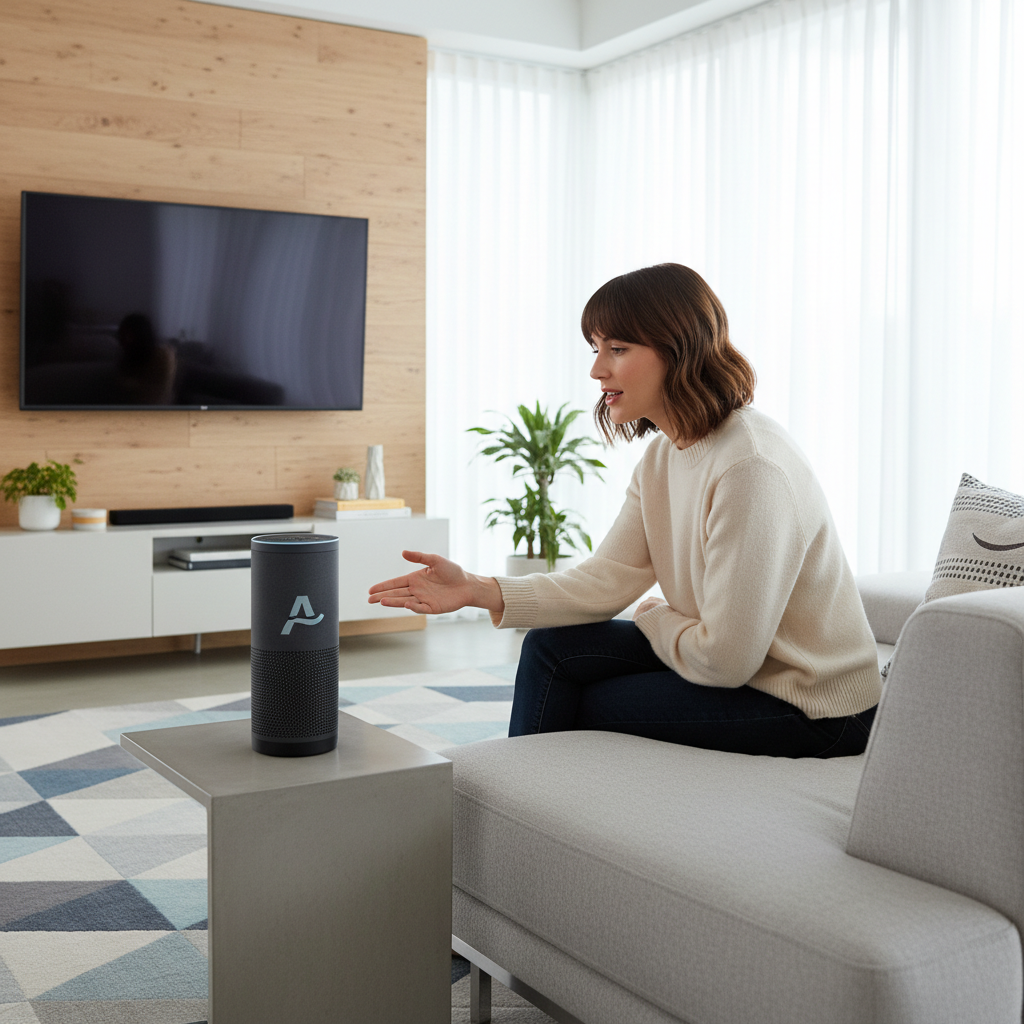
Voice search queries are typically longer, more conversational, and often phrased as questions, unlike short, keyword-focused text searches. Consumers use smart speakers for quick answers, local information, and task completion, often seeking immediate utility. Brands must analyze common questions related to their products or services and create content that directly addresses these inquiries in a clear, concise manner. This involves using long-tail keywords that mirror natural speech patterns, ensuring that content is easily digestible by AI algorithms. For example, instead of just “coffee shop,” a voice query might be “What’s the best coffee shop near me that’s open now?”
Structuring Content for Featured Snippets and Direct Answers
A key aspect of how to get your brand mentioned by Amazon Alexa in answers involves targeting featured snippets and direct answers. Voice assistants frequently pull information from these prominent search results because they are designed to provide the most relevant and succinct response. To achieve this, content should be structured with clear headings, bullet points, and short paragraphs that directly answer common questions. Implementing schema markup (structured data) helps search engines and voice assistants understand the context and relevance of your content, making it easier for them to extract specific information. This semantic markup provides explicit clues about the meaning of your pages, improving the chances of your brand appearing as a direct answer.
Local SEO and “Near Me” Voice Queries
Local SEO is paramount for brands seeking visibility through smart speakers, especially for businesses with physical locations. Many voice searches include “near me” or “closest” modifiers, indicating an immediate need for local services or products. Ensuring your Google Business Profile (and other local directories) is fully optimized with accurate business information, operating hours, and customer reviews is crucial. This foundational step helps voice assistants like Alexa accurately recommend your brand when users ask for local recommendations. Regularly updating this information and encouraging local customer reviews can significantly boost your brand’s prominence in local voice search results, driving foot traffic and direct engagement.
Crafting Engaging Alexa Skills for Brand Engagement: An Effective Alexa Skill Marketing Strategy
An effective Alexa skill marketing strategy for brand engagement centers on developing useful, intuitive, and entertaining skills that provide genuine value to consumers, moving beyond mere novelty. These skills serve as direct, interactive touchpoints between a brand and its audience.
Designing User-Centric Alexa Skills with Clear Value Propositions
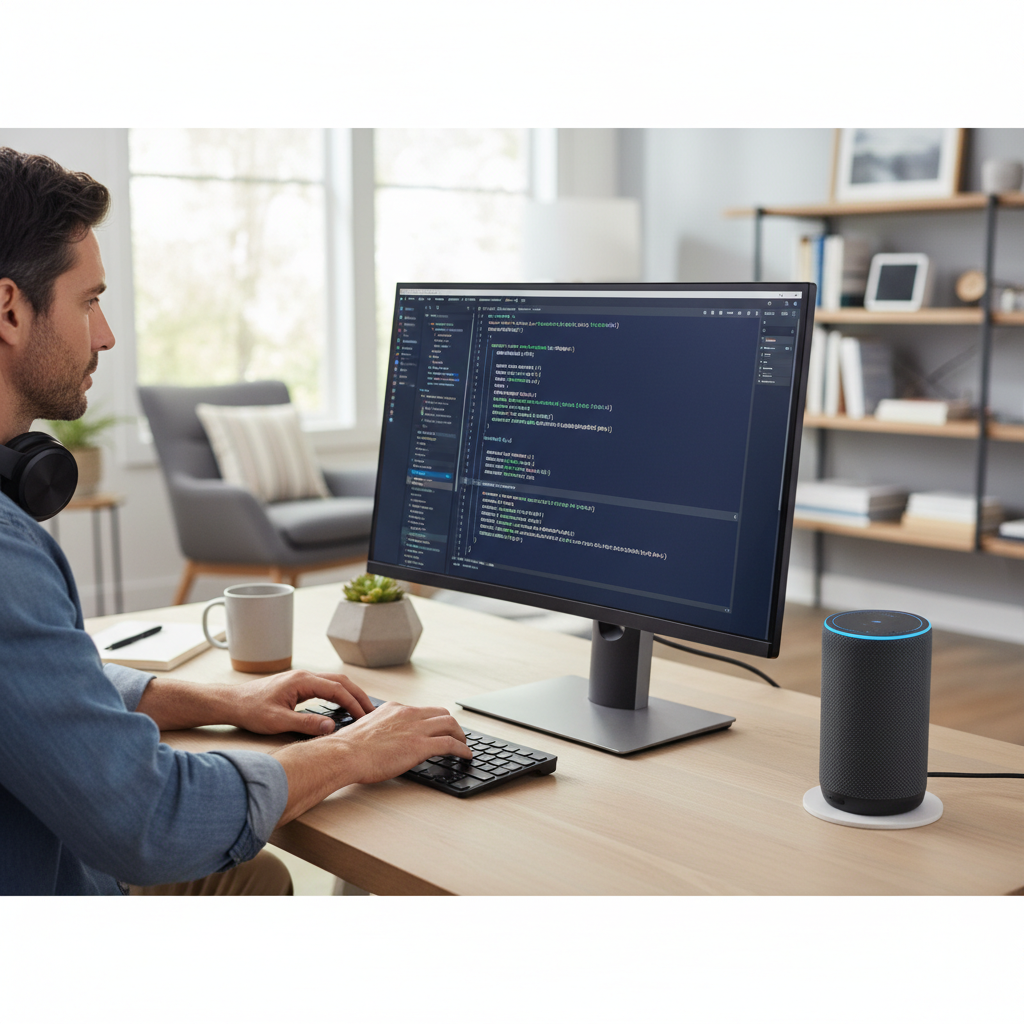
The foundation of any successful Alexa skill marketing strategy is a user-centric design approach. Brands must identify specific pain points or desires of their target audience that an Alexa skill can address. Is it providing quick access to product information, offering interactive entertainment, or streamlining a daily task? A clear value proposition ensures the skill is not just a gimmick but a tool that genuinely enhances the user experience. For instance, a food brand might create a skill that offers recipe suggestions based on ingredients the user has on hand, while a financial institution could develop a skill for checking account balances or transaction history. User testing during development is critical to refine the skill’s functionality and ensure it meets user expectations, leading to higher adoption and retention rates.
Promoting Your Alexa Skill Across Multiple Channels
Developing a great Alexa skill is only half the battle; an effective Alexa skill marketing strategy requires robust promotion. Brands should integrate their skill’s existence into their broader marketing efforts, including website banners, social media campaigns, email newsletters, and even in-store signage. Creating compelling video demonstrations of the skill in action can also be highly effective in showcasing its benefits. Furthermore, leveraging Amazon’s own promotional channels, such as the Alexa Skills Store and targeted ads within the Alexa ecosystem, can significantly boost discoverability. Collaborating with influencers who have an audience interested in smart home technology can also generate buzz and drive initial downloads.
Integrating Alexa Skills with Existing Digital Marketing Efforts
For maximum impact, an Alexa skill should not operate in isolation but be seamlessly integrated with a brand’s existing digital marketing ecosystem. This integration enhances the overall smart speaker marketing strategy by providing a cohesive brand experience across all touchpoints. For example, a customer service skill could link directly to a brand’s CRM system, allowing users to check order status or get support. Content created for the skill can be repurposed for blog posts or social media, and vice-versa. This cross-channel synergy reinforces brand messaging and provides multiple pathways for consumers to interact with the brand, whether through voice, web, or mobile. By offering comprehensive Digital Marketing Services, brands can ensure all their digital initiatives, including Alexa skills, work in harmony.
Leveraging Smart Home Device Marketing Touchpoints for Consumer Brands
Smart home device marketing touchpoints for consumer brands extend beyond just smart speakers to include a wide array of connected devices, offering diverse opportunities for engagement and visibility. These touchpoints allow brands to integrate themselves into the daily routines of consumers in innovative ways.
Identifying Key Smart Home Device Ecosystems and Audiences
The smart home landscape is fragmented, with various ecosystems like Amazon Alexa, Google Home, Apple HomeKit, and numerous independent smart device manufacturers. Brands must identify which ecosystems their target audience primarily uses to tailor their marketing efforts effectively. For instance, a brand targeting tech-savvy early adopters might focus on integrations with newer, more complex smart home hubs, while a brand aiming for a broader consumer base might prioritize compatibility with popular smart speakers and lights. Understanding the demographics and usage patterns within each ecosystem allows brands to develop relevant and impactful marketing initiatives, ensuring that their presence aligns with consumer preferences and device adoption rates.
Creating Seamless Brand Experiences Across Connected Devices
The true power of smart home device marketing lies in creating seamless, interconnected experiences. This means ensuring that a brand’s presence is consistent and functional across different devices. For example, a smart appliance brand could offer voice control through Alexa, integrate with a smart display for visual recipes, and allow remote monitoring via a smartphone app. The goal is to reduce friction and enhance convenience for the user, making the brand an indispensable part of their smart home. Brands can also explore partnerships with smart device manufacturers to embed their services or content directly into the device’s native functionality, creating a deeper and more integrated user experience.
Ethical Considerations and Privacy in Smart Home Marketing
As brands engage with consumers through smart home devices, ethical considerations and data privacy become paramount. Consumers are increasingly aware of how their data is collected and used, especially in their homes. Brands must be transparent about data collection practices, clearly communicate privacy policies, and ensure they are compliant with regulations like GDPR and CCPA. Providing users with clear control over their data and preferences builds trust, which is crucial for long-term brand loyalty in the smart home environment. Avoiding intrusive advertising and focusing on value-added services will help brands navigate these sensitivities and maintain a positive relationship with their audience.
Developing a Robust Audio Branding Strategy for Voice-First Consumer Discovery
A robust audio branding strategy for voice-first consumer discovery is essential for brands to establish a distinct and memorable identity in an environment where visual cues are often absent. This involves creating unique sonic elements that resonate with the brand’s essence.
Crafting a Unique Sonic Identity: Voice Logos and Soundscapes
In the voice-first world, a brand’s sonic identity becomes as important as its visual logo. This involves developing a unique voice logo (or “sonic branding”) – a short, distinctive sound or jingle that immediately identifies the brand. Think of the Netflix “ta-dum” or the Intel Inside chime. These audio cues create instant recognition and recall, crucial for consumer discovery on smart speakers where brands are primarily heard, not seen. Beyond logos, brands can also design entire soundscapes for their voice experiences, using background music, voice actor choices, and sound effects to evoke specific emotions and reinforce brand personality. Consistency in these audio elements across all voice touchpoints strengthens brand recognition.
Voice Actor Selection and Tone of Voice Guidelines
The choice of voice actor and the establishment of clear tone of voice guidelines are critical components of an effective audio branding strategy. The voice representing the brand on smart speakers should align with its overall persona – whether it’s friendly, authoritative, playful, or sophisticated. Brands should develop detailed guidelines for their voice content, covering aspects like pronunciation, pacing, inflection, and emotional delivery. This ensures a consistent and authentic brand voice across all smart speaker interactions, from Alexa skills to voice search responses. A mismatch between the brand’s visual identity and its audio persona can create dissonance and undermine consumer trust.
Integrating Audio Branding Across All Brand Touchpoints
For an audio branding strategy to be truly effective, it must be integrated across all brand touchpoints, not just smart speakers. This means incorporating the unique sonic identity into advertisements, hold music, podcasts, videos, and even in-store experiences. The consistent repetition of these audio cues helps to embed the brand’s sound into the consumer’s memory, strengthening recall and recognition. This holistic approach ensures that whenever a consumer encounters the brand, whether visually or audibly, they receive a cohesive and memorable experience. An integrated audio branding strategy contributes significantly to overall smart speaker marketing strategy success by building a strong, multi-sensory brand presence.
Measuring and Refining Smart Speaker Marketing ROI: Key Performance Indicators
Measuring and refining the return on investment (ROI) for a smart speaker marketing strategy requires tracking specific key performance indicators (KPIs) that reflect engagement, conversion, and brand impact in the voice-first environment. This data-driven approach allows for continuous optimization.
Key Metrics for Alexa Skill Performance and Engagement
For Alexa skills, crucial KPIs include the number of unique users, session duration, retention rates, and the frequency of use. Tracking how often users invoke the skill, how long they interact with it, and whether they return after the initial use provides insights into the skill’s utility and engagement levels. Brands should also monitor specific interaction metrics, such as the completion rate for tasks within the skill (e.g., successful order placements, information retrieval) and error rates, which can indicate areas for improvement in design or functionality. User feedback, often collected through reviews in the Alexa Skills Store, also offers qualitative data essential for refining the skill.
Analyzing Voice Search Performance and Brand Mentions
Measuring voice search performance involves tracking brand mentions in direct answers and featured snippets, as well as the overall visibility of a brand’s content in voice search results. While direct analytics for voice search are still evolving, brands can infer performance by monitoring changes in organic search rankings for conversational queries, website traffic attributed to long-tail keywords, and brand sentiment analysis on social media following voice interactions. Tools that track keyword positions for “answer box” results can also provide valuable insights into how often a brand’s content is being pulled for voice responses. The goal is to understand how effectively the smart speaker marketing strategy is positioning the brand as an authoritative source for voice queries.
Comparing Smart Speaker Marketing Channels
To effectively refine a smart speaker marketing strategy, brands should compare the performance of different channels and initiatives. This could involve an analysis of various voice platforms or different types of voice content.
| Channel/Initiative | Primary KPI Examples | Insights Gained |
|---|---|---|
| Alexa Skills | Unique Users, Session Duration, Task Completion Rate | User engagement, utility, and stickiness of interactive experiences. |
| Voice Search Optimization | Brand Mentions in Answers, Featured Snippet Rankings, Conversational Keyword Traffic | Brand authority, discoverability, and content relevance for voice queries. |
| Audio Ads on Smart Speakers | Impressions, Click-Through Rates (if applicable), Brand Recall Studies | Reach, ad effectiveness, and impact on brand awareness. |
| Smart Home Device Integrations | Device Activations, Feature Usage, Cross-Device Engagement | Seamlessness of experience, value added by integration, and user adoption. |
By comparing these metrics, brands can identify which aspects of their smart speaker marketing strategy are yielding the best results and where adjustments are needed. This iterative process of measurement and refinement ensures that resources are allocated efficiently and that the strategy evolves to meet changing consumer behaviors and technological advancements in the voice-first landscape.
What is a smart speaker marketing strategy?
A smart speaker marketing strategy is a comprehensive plan designed to leverage voice-activated devices like Amazon Echo and Google Home to increase brand visibility, engage consumers, and drive conversions. It encompasses optimizing for voice search, developing interactive voice applications (skills), and integrating with smart home ecosystems. This strategy aims to connect with audiences through audio-first interactions and deliver valuable, hands-free experiences.
How can my brand get mentioned by Amazon Alexa in answers?
To get your brand mentioned by Amazon Alexa in answers, focus on creating high-quality, concise content that directly answers common questions related to your products or services. Optimize for long-tail, conversational keywords and structure your website content to target featured snippets. Ensure your local business listings are accurate and up-to-date, as Alexa often sources information from these for “near me” queries.
What is an effective Alexa skill marketing strategy?
An effective Alexa skill marketing strategy involves designing skills that offer genuine user value, promoting them across diverse digital channels, and integrating them with your existing marketing efforts. Focus on a clear value proposition, conduct user testing, and leverage Amazon’s promotional tools. Seamless integration with other brand touchpoints enhances user experience and reinforces brand messaging.
Why are smart home device marketing touchpoints important for consumer brands?
Smart home device marketing touchpoints are crucial because they allow consumer brands to embed themselves into consumers’ daily routines through a variety of connected devices beyond just smart speakers. These touchpoints, including smart displays, appliances, and lighting, offer opportunities for seamless, integrated brand experiences, enhancing convenience and fostering deeper engagement within the home environment.
What is audio branding and why is it vital for voice-first discovery?
Audio branding is the strategic use of sound to create a distinct and recognizable brand identity. It’s vital for voice-first discovery because, without visual cues, unique sonic elements like voice logos, jingles, and consistent tone of voice become the primary identifiers for a brand. A strong audio brand helps consumers instantly recognize and recall a brand through smart speakers and other voice interfaces.
How do you measure ROI for smart speaker marketing?
Measuring ROI for smart speaker marketing involves tracking KPIs such as unique users, session duration, and task completion rates for Alexa skills. For voice search, monitor brand mentions in direct answers and featured snippets, along with changes in organic traffic for conversational queries. Comparing performance across different voice channels and initiatives helps refine the overall strategy and optimize resource allocation.
The evolving landscape of voice technology presents a significant opportunity for brands to redefine their visibility and engagement strategies. Embracing a comprehensive smart speaker marketing strategy is paramount for remaining competitive and connecting with consumers in increasingly intuitive ways.
Key takeaways for optimizing your brand’s presence in the voice-first era include:
* Prioritize Voice Search Optimization: Structure content for direct answers and conversational queries to maximize brand mentions by voice assistants like Alexa.
* Develop Value-Driven Alexa Skills: Create engaging skills that solve real consumer problems, promoting them strategically across all marketing channels.
* Leverage Smart Home Ecosystems: Integrate your brand across various smart home devices to create seamless and convenient consumer touchpoints.
* Invest in Audio Branding: Cultivate a unique sonic identity to ensure instant brand recognition and recall in audio-only environments.
* Measure and Adapt: Continuously track key performance indicators across all voice initiatives to refine your strategy and maximize ROI.
By proactively integrating these elements into your marketing efforts, your brand can unlock new avenues for discovery, foster deeper engagement, and build lasting connections with consumers in the dynamic world of smart speakers and voice assistants.