
Customer Win-back Email And Retargeting Campaign Strategy 2026
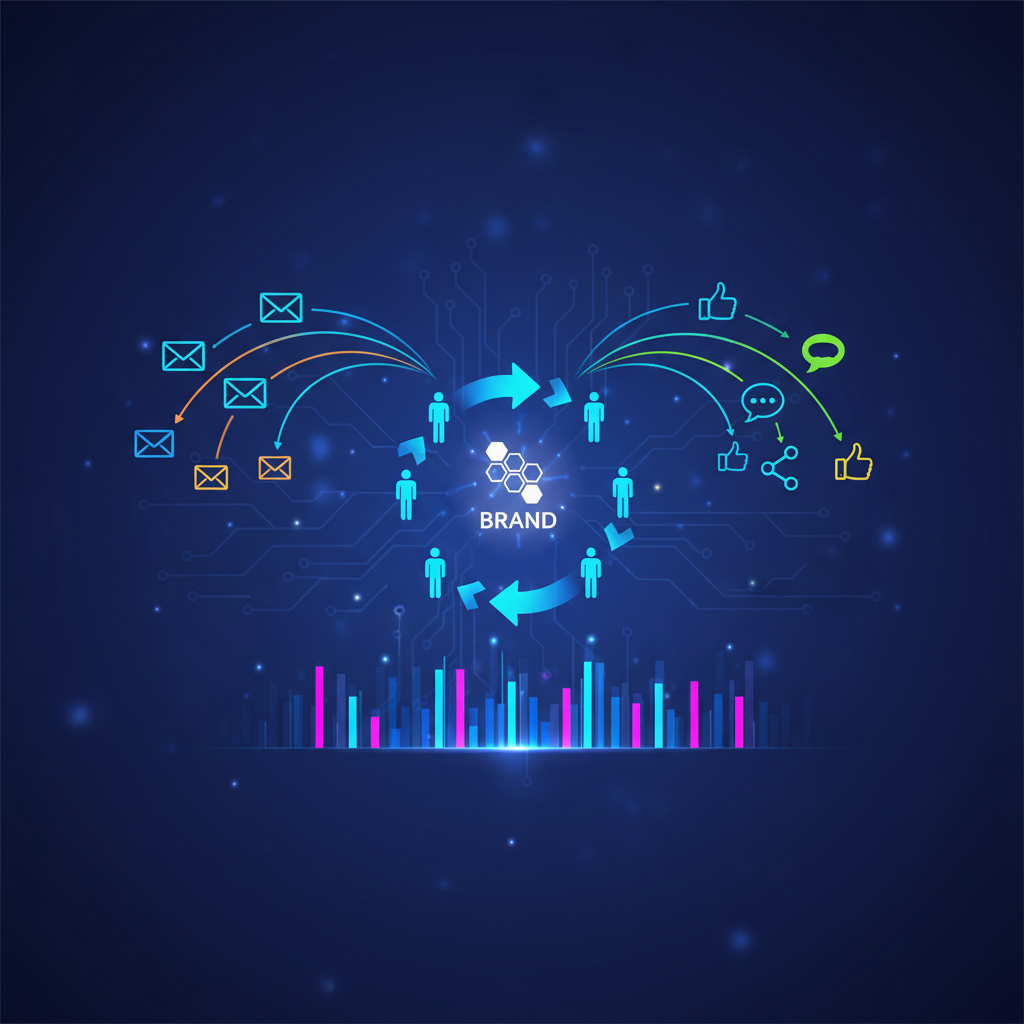
Effective customer win-back email and retargeting campaign strategy is crucial for businesses aiming to recover lost revenue and strengthen customer relationships. This comprehensive guide explores modern approaches to re-engaging lapsed customers, leveraging advanced techniques like AI personalization and predictive analytics. By understanding optimal timing, compelling offers, and multi-channel retargeting, brands can convert dormant accounts into active, loyal patrons. Implementing a robust win-back strategy not only boosts retention but also significantly improves overall marketing ROI.
Developing a Robust Win-Back Email Series with AI Personalization
Re-engaging lapsed customers effectively requires a well-structured and personalized email series. An AI-powered win-back series leverages data to deliver highly relevant messages, significantly increasing the likelihood of customer return. This approach moves beyond generic “we miss you” emails, tailoring content, offers, and timing to individual customer behaviors and preferences. For more insights, check out our guide on Digital Marketing Services.
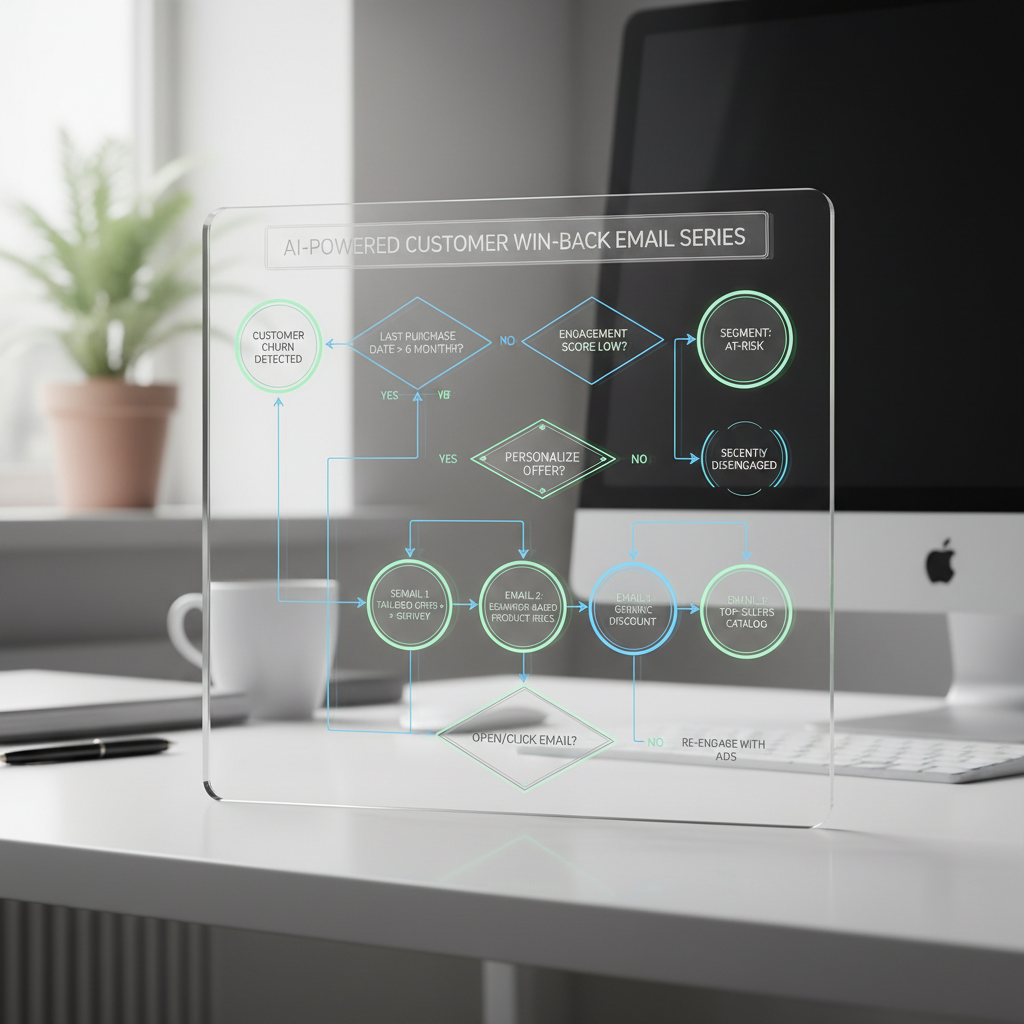
How to re-engage lapsed customers with AI-personalized win-back series involves several key steps. First, define what constitutes a “lapsed” customer for your business. This could be based on inactivity for a certain period, lack of purchases, or disengagement with emails. Once identified, AI algorithms analyze past purchase history, browsing behavior, and engagement data to segment these customers into distinct groups. For example, a customer who frequently bought specific product categories might receive offers related to those items.
Segmenting Lapsed Customers with AI-Driven Insights
AI-driven segmentation allows for granular targeting within your win-back efforts. Instead of a one-size-fits-all approach, AI identifies patterns and clusters customers based on their value, reasons for lapsing, and potential for re-engagement. This might include “high-value but inactive,” “price-sensitive,” or “browsers who never converted.” Each segment then receives a customized message sequence designed to address their specific motivations and barriers. Personalized subject lines, product recommendations, and even dynamic content within the email itself are powerful tools.
Crafting Compelling AI-Personalized Email Content
The content of your win-back emails should be strategic and engaging. AI helps in dynamically populating emails with relevant product suggestions, personalized discounts, or even tailored content based on past interactions. For instance, if a customer viewed specific items but didn’t purchase, the win-back email could highlight those items, offer social proof, or provide a limited-time discount. The goal is to remind them of the value they once found in your brand and present a clear, attractive path back. A definition of AI personalization in this context is the use of machine learning algorithms to analyze customer data and deliver unique, relevant content and offers to individual users, optimizing engagement and conversion.
Optimizing Win-Back Series Flow with AI Feedback
An effective win-back series isn’t static; it evolves based on performance. AI can continuously monitor open rates, click-through rates, and conversion rates for different email variations and segments. This real-time feedback allows the system to automatically adjust subject lines, call-to-actions, or even the timing between emails to maximize effectiveness. A typical series might include 3-5 emails, starting with a gentle reminder and escalating to more enticing offers or urgency-driven messages. This iterative optimization ensures your customer win-back email and retargeting campaign strategy remains highly effective.
Crafting Optimal Win-Back Campaign Timing and Offer Strategies for Ecommerce
The success of a win-back campaign in ecommerce hinges significantly on when you reach out and what you offer. Timing too early can annoy customers, while waiting too long might mean they’ve moved on entirely. Similarly, the offer must be compelling enough to overcome their inertia and bring them back to your brand. For more insights, check out our guide on Digital Marketing Services.
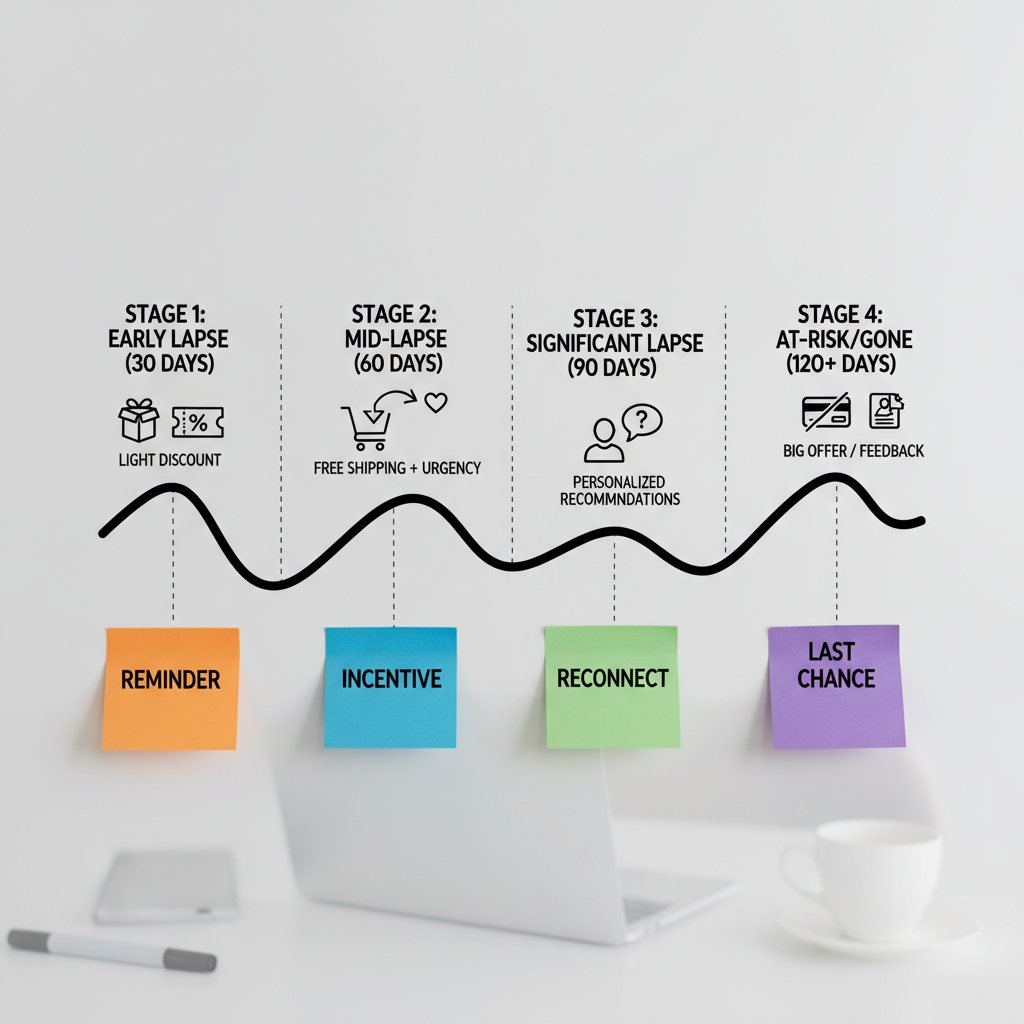
Win-back campaign timing and offer strategy for ecommerce brands requires a nuanced understanding of customer lifecycle and buying patterns. For an ecommerce business, the “lapsed” state often begins after a certain period of inactivity following their last purchase or engagement. This period can vary widely depending on your product’s repurchase cycle. For example, a subscription box service might consider a customer lapsed after one missed payment, while a furniture store might wait 12-18 months.
Determining Ideal Win-Back Timing for Ecommerce
The optimal timing for your initial win-back email is typically just before a customer completely forgets about your brand or finds an alternative. Data analysis of past customer churn patterns can help identify this sweet spot. For many ecommerce businesses, this falls between 30 and 90 days of inactivity. The first email should be a soft reminder, perhaps highlighting new products or recent updates. Subsequent emails in the series can then introduce increasingly stronger incentives. It’s crucial to test different timeframes to find what resonates best with your specific customer base.
Designing Irresistible Win-Back Offers for Ecommerce
The offer is often the strongest motivator in a win-back campaign. It needs to be valuable enough to warrant a return. Common offers include:
* Discount Codes: A percentage off their next purchase (e.g., 10-20% off).
* Free Shipping: A powerful incentive, especially for lower-priced items.
* Exclusive Access: Early access to sales, new product launches, or limited editions.
* Bundles or Gifts: A free gift with purchase or a curated product bundle.
* Loyalty Points/Credits: A bonus of loyalty points or store credit to encourage a return.
Consider the customer’s past purchase behavior when crafting the offer. A price-sensitive customer might respond best to a discount, while a loyal customer might appreciate exclusive access. The goal is to make the offer feel personalized and valuable to them.
Testing and Optimizing Win-Back Offers for Results
A/B testing is essential for refining your offer strategy. Test different discount percentages, free shipping thresholds, or types of exclusive content. Monitor conversion rates for each offer to understand what drives the most re-engagement. Don’t be afraid to experiment. Sometimes a smaller, more personalized incentive outperforms a larger, generic one. Regularly analyzing these results helps in continuously improving your customer win-back email and retargeting campaign strategy.
Leveraging Predictive Churn Models for Proactive Customer Retention Marketing
Predictive churn models are advanced analytical tools that identify customers at high risk of lapsing before they actually do. This allows businesses to implement proactive retention strategies, preventing churn rather than reacting to it. By using historical data and machine learning, these models forecast future customer behavior.
A predictive churn model for proactive retention marketing campaigns analyzes various data points, including purchase frequency, average order value, engagement with marketing emails, website activity, and customer service interactions. It assigns a “churn risk score” to each customer, enabling marketers to prioritize their efforts on those most likely to leave. This shifts the focus from reactive win-back to proactive retention, which is generally more cost-effective.
Building Effective Churn Prediction Models
Building an effective churn model involves collecting and cleaning relevant customer data. This data is then fed into machine learning algorithms (e.g., logistic regression, decision trees, neural networks) which learn patterns associated with churn. Key features often include:
* Time since last purchase
* Number of purchases
* Total spending (LTV)
* Website visit frequency
* Email open/click rates
* Demographic information (if available)
The model then uses these patterns to predict which current customers exhibit similar characteristics to those who have churned in the past. These insights are invaluable for shaping your overall customer win-back email and retargeting campaign strategy.
Implementing Proactive Retention Strategies Based on Churn Risk
Once customers with a high churn risk are identified, targeted interventions can be deployed. These might include:
* Personalized offers: A small discount or exclusive content sent to at-risk customers to re-engage them.
* Enhanced customer support: Proactive outreach from customer service to address potential issues or gather feedback.
* Educational content: Providing valuable resources related to products they’ve purchased to maximize their utility.
* Loyalty program incentives: Offering bonus points or status upgrades to reinforce their value as a customer.
The goal is to provide value and address potential dissatisfaction before it leads to complete disengagement.
Integrating Churn Predictions with Marketing Automation
For maximum efficiency, predictive churn models should be integrated with your marketing automation platform. This allows for automated triggers based on churn risk scores. For example, if a customer’s churn risk crosses a certain threshold, they could automatically be enrolled in a specific email sequence or added to a retargeting audience. This seamless integration ensures that proactive retention efforts are consistent and scalable, forming a critical component of any modern Digital Marketing Services.
Implementing Multi-Channel Retargeting for Lapsed Customer Engagement
Multi-channel retargeting extends your win-back efforts beyond email, reaching lapsed customers across various digital touchpoints. This integrated approach increases visibility and reinforces your message, making it harder for customers to ignore your attempts to re-engage. By appearing on platforms they frequently use, you can gently remind them of your brand and offers.
Effective multi-channel retargeting involves displaying targeted ads to customers who have previously interacted with your brand but haven’t made a purchase or have become inactive. This strategy leverages cookies and customer data to serve relevant advertisements across different platforms. The key is consistency in messaging and offers across all channels to create a cohesive experience.
Leveraging Social Media Retargeting for Win-Back
Social media platforms like Facebook, Instagram, and LinkedIn offer powerful retargeting capabilities. You can upload lists of lapsed customer emails to create custom audiences, then target them with specific win-back ads. These ads can highlight new products, special offers, or even testimonials from happy customers. Visual content often performs very well on these platforms, so consider engaging video or image carousels. The informal nature of social media can also make your win-back message feel less intrusive.
Search Engine Marketing and Display Ad Retargeting
Google Ads and other display networks allow you to retarget lapsed customers across millions of websites. When these customers browse the web, they’ll see your win-back banners. This is particularly effective if they are searching for products or services similar to yours. Search engine retargeting can also involve bidding on branded keywords for customers who might be searching for your company again. The consistent exposure across different sites helps keep your brand top-of-mind.
Integrating SMS and Push Notifications into Your Win-Back Strategy
For customers who have opted in, SMS marketing and push notifications can be highly effective, direct channels for win-back. These channels offer immediate delivery and high open rates. Use them for urgent, time-sensitive offers or quick reminders. For example, a “last chance” discount could be sent via SMS, or a browser push notification could alert a customer to a limited-time sale on items they previously viewed. However, use these channels sparingly to avoid annoying customers and ensure they remain part of a comprehensive customer win-back email and retargeting campaign strategy.
Analyzing Win-Back Campaign Performance Benchmarks and Optimization Tips
Measuring the effectiveness of your win-back campaigns is critical for continuous improvement and maximizing ROI. By tracking key metrics and comparing them against industry benchmarks, you can identify areas for optimization and refine your strategies. This data-driven approach ensures your efforts are always moving towards better results.
Win-back campaign performance benchmarks and optimization tips involve a systematic review of various metrics. The primary goal is to reactivate lapsed customers, so conversion rates (customers making a purchase after a win-back interaction) are paramount. However, other metrics provide valuable insights into the health and effectiveness of your campaigns.
Key Performance Indicators for Win-Back Campaigns
When evaluating your win-back efforts, focus on these KPIs:
* Open Rate: Percentage of recipients who open your win-back emails.
* Click-Through Rate (CTR): Percentage of recipients who click a link within your emails or ads.
* Conversion Rate: Percentage of re-engaged customers who complete a desired action (e.g., purchase).
* Reactivation Rate: The overall percentage of lapsed customers successfully brought back.
* Average Order Value (AOV) of Reactivated Customers: How much reactivated customers spend.
* Churn Rate Reduction: The impact of proactive campaigns on preventing churn.
* ROI of Win-Back Campaigns: The revenue generated versus the cost of running the campaigns.
Industry Benchmarks for Win-Back Campaigns
While benchmarks vary by industry and audience, here are some general ranges for email win-back campaigns:
| Metric | Typical Range | Goal |
|---|---|---|
| Open Rate | 15-25% | Above 20% |
| Click-Through Rate (CTR) | 2-5% | Above 3% |
| Conversion Rate | 0.5-2% | Above 1% |
| Reactivation Rate | 5-15% | Above 10% |
These figures provide a starting point for evaluating your own performance. If your metrics fall significantly below these ranges, it’s a strong indicator that optimization is needed.
Optimization Tips for Enhancing Win-Back Effectiveness
To improve your customer win-back email and retargeting campaign strategy, consider these tips:
1. A/B Test Everything: Experiment with subject lines, email content, calls-to-action, offers, and send times.
2. Refine Segmentation: Use more granular segments based on churn risk, past purchases, or engagement levels.
3. Personalize Aggressively: Leverage AI to personalize content and offers for each individual.
4. Optimize Landing Pages: Ensure the landing page linked from your win-back efforts is clear, relevant, and easy to convert on.
5. Review Timing: Adjust the time between win-back messages and the overall duration of your series.
6. Diversify Channels: Don’t rely solely on email; integrate retargeting ads, SMS, and push notifications.
7. Gather Feedback: Consider a short survey for customers who don’t re-engage to understand their reasons.
8. Analyze Churn Reasons: Use data to understand why customers are lapsing and address root causes.
Regularly review your data and implement these optimization strategies to continually improve your win-back success.
What is a customer win-back email?
A customer win-back email is a targeted message sent to inactive or lapsed customers to encourage them to re-engage with a brand. Its purpose is to remind them of the brand’s value and often includes an incentive to prompt a return purchase or interaction. These emails are a key component of a broader retention strategy.
How often should I send win-back emails?
The frequency of win-back emails should be carefully considered to avoid overwhelming customers. A typical series might consist of 3-5 emails spread over several weeks or months, depending on your product’s repurchase cycle. Start with a soft reminder and gradually increase the incentive or urgency in subsequent messages.
What kind of offers work best for win-back campaigns?
Effective win-back offers often include discounts (e.g., 15-20% off), free shipping, exclusive access to new products or sales, or a small gift with purchase. The best offer is usually personalized to the customer’s past behavior and perceived value, making it more compelling for them to return.
What is a predictive churn model?
A predictive churn model uses historical customer data and machine learning algorithms to identify customers who are at a high risk of becoming inactive or unsubscribing. By forecasting future behavior, businesses can proactively intervene with targeted retention efforts before a customer completely lapses, saving acquisition costs.
Can retargeting campaigns be used for win-back?
Yes, retargeting campaigns are highly effective for win-back. By displaying targeted ads on social media, search engines, and display networks to lapsed customers, brands can reinforce their win-back message across multiple channels. This multi-channel approach increases visibility and can significantly boost re-engagement rates.
What are good benchmarks for win-back email open rates?
Good benchmarks for win-back email open rates typically fall between 15% and 25%. However, these can vary based on industry, brand recognition, and the quality of your subject lines. Aiming for an open rate above 20% indicates a strong initial engagement with your win-back efforts.
Building a robust customer win-back email and retargeting campaign strategy is an essential investment for any business aiming for sustainable growth. By proactively engaging lapsed customers, you not only recover lost revenue but also strengthen brand loyalty.
Key takeaways for optimizing your win-back efforts include:
* Personalization is paramount: Leverage AI to tailor messages and offers, making each interaction highly relevant.
* Timing is everything: Understand your customer lifecycle to deploy win-back efforts at the optimal moment, preventing full churn.
* Multi-channel approach: Combine email with retargeting ads, SMS, and push notifications for broader reach and consistent messaging.
* Data-driven decisions: Utilize predictive churn models to identify at-risk customers and analyze campaign performance against benchmarks for continuous improvement.
Embrace these strategies to transform inactive customers into valuable, long-term assets, ensuring your brand remains top-of-mind and continues to thrive.