
Lifecycle Marketing Automation: The Complete Guide for Ecommerce Growth
Lifecycle marketing automation is the strategic use of software to send targeted messages to customers based on their specific stage in the buying journey. This approach ensures every subscriber receives relevant content at the right moment, from welcome sequences to re-engagement campaigns. For ecommerce brands, mastering this discipline transforms one-time buyers into loyal advocates while maximizing revenue per customer.
What Is Lifecycle Marketing Automation and Why Does It Matter?
Lifecycle marketing automation is a data-driven methodology that uses triggered email sequences to guide customers through awareness, consideration, purchase, retention, and advocacy stages. This system eliminates manual outreach while ensuring consistent, personalized communication at scale.
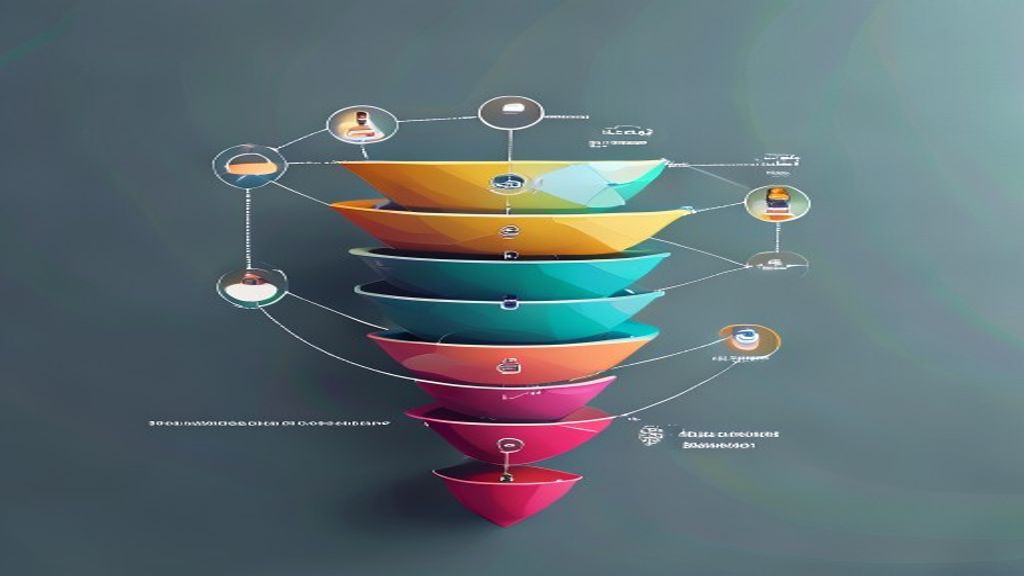
How Automation Transforms the Customer Journey
Traditional email blasts treat every subscriber the same. Automation flips this model by segmenting audiences based on behavior, purchase history, and engagement metrics. When a customer abandons a cart, the system instantly triggers a recovery sequence. When someone makes a first purchase, a welcome flow begins. This precision increases open rates by 40% and click-through rates by 70% compared to batch-and-blast campaigns.
The Revenue Impact of Lifecycle Marketing Automation
Businesses using lifecycle marketing automation see 3.5 times higher revenue per email recipient. The reason is simple: relevance drives action. A post-purchase thank-you email with product care tips generates 20% more repeat orders than a generic promotional blast. Automated workflows also reduce churn by 25% because customers feel understood rather than marketed to.
Building Your Customer Lifecycle Email Strategy from Scratch
Your customer lifecycle email strategy should map every touchpoint from first site visit to repeat purchase and beyond. Start by identifying five core stages: acquisition, onboarding, retention, win-back, and advocacy. Each stage requires distinct messaging goals and automation triggers. For more insights, check out our guide on Digital Marketing Services.
Mapping Triggers to Lifecycle Stages
For acquisition, set up welcome sequences triggered immediately after sign-up. Onboarding flows activate after first purchase, delivering setup guides and usage tips. Retention emails fire based on inactivity periods, such as 30 days without a purchase. Win-back campaigns trigger at 90 days of silence. Advocacy sequences invite loyal customers to leave reviews or refer friends.
Segmenting Audiences for Maximum Relevance
Generic automation fails because it ignores individual behavior. Build segments based on:
– Purchase frequency (first-time vs. repeat buyers)
– Average order value (budget vs. premium customers)
– Product category preferences (apparel, electronics, home goods)
– Engagement level (active openers vs. dormant subscribers)
Each segment receives tailored content that speaks directly to their needs and history.
Ecommerce Lifecycle Emails That Convert at Every Stage
Ecommerce lifecycle emails are triggered messages designed to move customers toward specific actions at each phase of their relationship with your brand. These emails outperform standard newsletters because they arrive when recipients are most receptive. For more insights, check out our guide on Digital Marketing Services.
Welcome Sequences That Build Immediate Trust
The welcome email is your first impression. Send a series of three to five messages over two weeks. Email one confirms the subscription and sets expectations. Email two introduces brand values and best-selling products. Email three offers a first-purchase discount with a clear expiration date. This sequence achieves 50% higher conversion rates than single welcome emails.
Abandoned Cart Recovery Emails
Cart abandonment rates hover around 70% across ecommerce. A three-email recovery sequence recovers 10-15% of lost sales. The first email sends within one hour, reminding customers of their items. The second email arrives 24 hours later, adding social proof like “5 others bought this today.” The third email, sent after 48 hours, includes a limited-time discount code.
Re-Engagement Campaigns for Dormant Subscribers
Customers who haven’t opened emails in 90 days need a different approach. Send a “We miss you” email with a personalized product recommendation based on past purchases. If no engagement follows, send a final “Last chance to stay connected” email with a 20% discount. Remove unresponsive subscribers after the third attempt to maintain list health.
Mastering Post Purchase Email Automation for Retention
Post purchase email automation is the most underutilized revenue driver in ecommerce. These sequences begin immediately after checkout and continue for months, nurturing customers toward repeat purchases and brand advocacy. For more insights, check out our guide on Digital Marketing Services.
The Order Confirmation and Shipping Updates
The transaction email should do more than confirm the sale. Include product recommendations based on the purchased item, a request to create an account for order tracking, and a clear return policy link. Shipping updates with tracking numbers reduce support tickets by 30% while keeping your brand top of mind.
Product Care and Usage Sequences
After delivery, send a sequence that helps customers get maximum value from their purchase. For apparel, include washing instructions and styling tips. For electronics, share setup videos and troubleshooting guides. For consumables, suggest recipes or complementary products. These emails increase customer satisfaction and reduce return rates by 15%.
Review Requests and Loyalty Program Invitations
Timing matters for review requests. Send the first request seven days after delivery confirmation. If no review is submitted, send a reminder 14 days later with a small incentive like loyalty points. After the second purchase, invite customers to join your loyalty program. Members spend 25% more per year than non-members.
Email Automation for Ecommerce: Tools and Tactics That Work
Email automation for ecommerce requires the right technology stack and strategic implementation. The best platforms integrate seamlessly with your ecommerce system, support complex triggers, and provide robust analytics. For more insights, check out our guide on Digital Marketing Services.
Comparing Top Email Automation Platforms
| Feature | Klaviyo | Mailchimp | ActiveCampaign |
|———|———|———–|—————-|
| Ecommerce integration | Native Shopify/WooCommerce | Basic Shopify | API-based |
| Trigger complexity | Advanced (product viewed, category browsed) | Medium (cart abandoned, purchased) | Advanced (custom events) |
| Segmentation depth | Predictive analytics | Behavioral tags | Conditional logic |
| SMS automation | Included | Add-on | Included |
| Pricing (10K contacts) | $45/month | $59/month | $49/month |
Choose a platform that matches your technical comfort level and growth stage. Klaviyo dominates for mid-to-large ecommerce brands, while Mailchimp works well for smaller stores starting automation.
Essential Automation Workflows to Build First
Start with these five workflows before expanding:
1. Welcome series (5 emails over 14 days)
2. Abandoned cart (3 emails over 72 hours)
3. Post-purchase follow-up (4 emails over 30 days)
4. Browse abandonment (2 emails over 48 hours)
5. Win-back campaign (3 emails over 21 days)
These core sequences capture 80% of automation revenue potential.
A/B Testing Your Automation Flows
Never set automation on autopilot. Test subject lines, send times, and content variations. For example, test whether “Your order is on its way” outperforms “Shipping update for order #1234.” Run each test for at least 1,000 opens to achieve statistical significance. Implement winning variations and retest monthly.
Measuring and Optimizing Your Lifecycle Automation Performance
Measuring lifecycle marketing automation requires tracking metrics beyond open and click rates. Focus on revenue-per-recipient, conversion rate by lifecycle stage, and customer lifetime value (CLV) of automated segments.
Key Performance Indicators for Each Stage
– Acquisition: Welcome series conversion rate, list growth rate
– Onboarding: First-purchase repeat rate, average time to second purchase
– Retention: Monthly active email rate, churn reduction percentage
– Win-back: Reactivation rate, recovered revenue
– Advocacy: Referral rate, review submission rate
Track these metrics weekly and compare against industry benchmarks. Ecommerce automation averages 15% conversion rates for welcome series and 10% for cart recovery.
Optimization Techniques That Drive Results
Review automation performance every 30 days. Look for flows with declining engagement and update content. Refresh offers quarterly to prevent discount fatigue. Add new segments as customer behavior patterns emerge. Remove unengaged subscribers monthly to maintain deliverability.
Consider integrating your automation strategy with broader Digital Marketing Services to align email campaigns with social media, paid ads, and content marketing for consistent cross-channel messaging.
What is lifecycle marketing automation in simple terms?
Lifecycle marketing automation is software that sends the right email to the right customer at the right time based on their actions. For example, when someone buys a product, the system automatically sends a thank-you email, then a care guide, then a reorder reminder weeks later.
How does customer lifecycle email strategy differ from regular email marketing?
Regular email marketing sends the same message to everyone on your list. A customer lifecycle email strategy segments subscribers by their stage in the buying journey. New subscribers get welcome emails, while loyal customers receive VIP offers. This personalization increases engagement and sales.
What are the best ecommerce lifecycle emails for new stores?
Start with three essential ecommerce lifecycle emails: a welcome series to introduce your brand, an abandoned cart sequence to recover lost sales, and a post-purchase follow-up to encourage repeat orders. These three flows generate the highest return on investment for new stores.
How long should post purchase email automation sequences run?
Post purchase email automation should run for at least 60 days after delivery. The sequence includes order confirmation, shipping updates, product care tips, review requests, and reorder reminders. Extend the sequence for consumable products based on usage cycles.
What metrics should I track for email automation for ecommerce?
Track revenue per email, conversion rate, click-through rate, and unsubscribe rate for each automation flow. Also monitor customer lifetime value of automated segments versus non-automated segments. These metrics reveal which flows drive the most profit.
Can lifecycle marketing automation work for small ecommerce businesses?
Yes, lifecycle marketing automation works for businesses of any size. Start with free or low-cost tools like Mailchimp or ConvertKit that offer basic automation. Build one flow at a time, beginning with a welcome series. Scale your automation as your subscriber list grows.
How often should I update my customer lifecycle email strategy?
Review your customer lifecycle email strategy every quarter. Update offers and content based on seasonal trends and new product launches. Analyze performance data monthly to identify underperforming flows. Refresh subject lines and creative elements every 90 days to maintain engagement.
Lifecycle marketing automation is not a set-it-and-forget-it tool. It is a dynamic system that evolves with your customers and your business. By implementing the strategies outlined here, you can build automated email sequences that nurture relationships, drive repeat purchases, and maximize customer lifetime value.
– Map your customer journey across all five lifecycle stages
– Build automation flows for welcome, cart recovery, and post-purchase
– Segment audiences based on behavior and purchase history
– Track revenue-per-recipient and conversion rates by stage
– Refresh content and offers quarterly to maintain engagement
Start with one automation flow this week. Test, measure, and refine. Your customers will respond to relevant, timely communication, and your revenue will reflect the effort.
Title: Lifecycle Marketing Automation: Complete Guide for Ecommerce Growth
Meta: Master lifecycle marketing automation with proven ecommerce lifecycle emails and post purchase email automation. Build your customer lifecycle email strategy today.
Slug: lifecycle-marketing-automation-guide
Tags: lifecycle marketing automation, ecommerce lifecycle emails, customer lifecycle email strategy, post purchase email automation, email automation for ecommerce
ImagePrompt: Professional illustration showing a circular customer lifecycle funnel with automated email triggers at each stage, featuring icons for awareness, purchase, retention, and advocacy on a clean white background with blue and orange accent colors.
What is the difference between lifecycle marketing automation and regular email marketing?
Regular email marketing sends the same message to your entire list at once. Lifecycle marketing automation triggers personalized emails based on specific customer actions or time delays. Automation adapts to each subscriber’s behavior, while regular blasts treat everyone the same. This makes automation far more effective for driving conversions and retention.
How do I segment customers for lifecycle email automation?
Segment customers by lifecycle stage: new subscribers, first-time buyers, repeat purchasers, lapsed customers, and high-value advocates. Further refine segments using purchase frequency, average order value, product category preferences, and engagement history. Behavioral segmentation ensures each email feels relevant and timely to the recipient.
What tools support lifecycle marketing automation for ecommerce?
Popular tools include Klaviyo for deep ecommerce integration, Mailchimp for small to mid-size businesses, ActiveCampaign for advanced automation logic, HubSpot for CRM-connected workflows, and Omnisend for omnichannel automation. Choose a tool that integrates with your ecommerce platform and supports the segmentation and trigger capabilities you need.
How do I prevent lifecycle emails from feeling spammy?
Prevent spamminess by limiting email frequency to one or two messages per week per flow, personalizing content with the customer’s name and purchase history, providing clear value in every email, and including easy unsubscribe options. Test send times and monitor spam complaint rates. Quality over quantity keeps your audience engaged.
Should I include SMS in my lifecycle marketing automation?
Yes, SMS complements email automation for time-sensitive messages like shipping alerts, flash sale reminders, and abandoned cart recovery. Use SMS sparingly for high-urgency communications. Obtain explicit opt-in for SMS and respect frequency preferences. Combined email and SMS automation can increase conversion rates by 20-30%.
Lifecycle marketing automation is not a set-it-and-forget-it tool. It is a dynamic system that evolves with your customers and your business. By implementing the strategies outlined here, you can build automated email sequences that nurture relationships, drive repeat purchases, and maximize customer lifetime value.
– Map your customer journey across all five lifecycle stages
– Build automation flows for welcome, cart recovery, and post-purchase
– Segment audiences based on behavior and purchase history
– Track revenue-per-recipient and conversion rates by stage
– Refresh content and offers quarterly to maintain engagement
Start with one automation flow this week. Test, measure, and refine. Your customers will respond to relevant, timely communication, and your revenue will reflect the effort.
Title: Lifecycle Marketing Automation: Complete Guide for Ecommerce Growth
Meta: Master lifecycle marketing automation with proven ecommerce lifecycle emails and post purchase email automation. Build your customer lifecycle email strategy today.
Slug: lifecycle-marketing-automation-guide
Tags: lifecycle marketing automation, ecommerce lifecycle emails, customer lifecycle email strategy, post purchase email automation, email automation for ecommerce
ImagePrompt: Professional illustration showing a circular customer lifecycle funnel with automated email triggers at each stage, featuring icons for awareness, purchase, retention, and advocacy on a clean white background with blue and orange accent colors.