
Event Marketing Strategy For Lead Generation And Brand Awareness
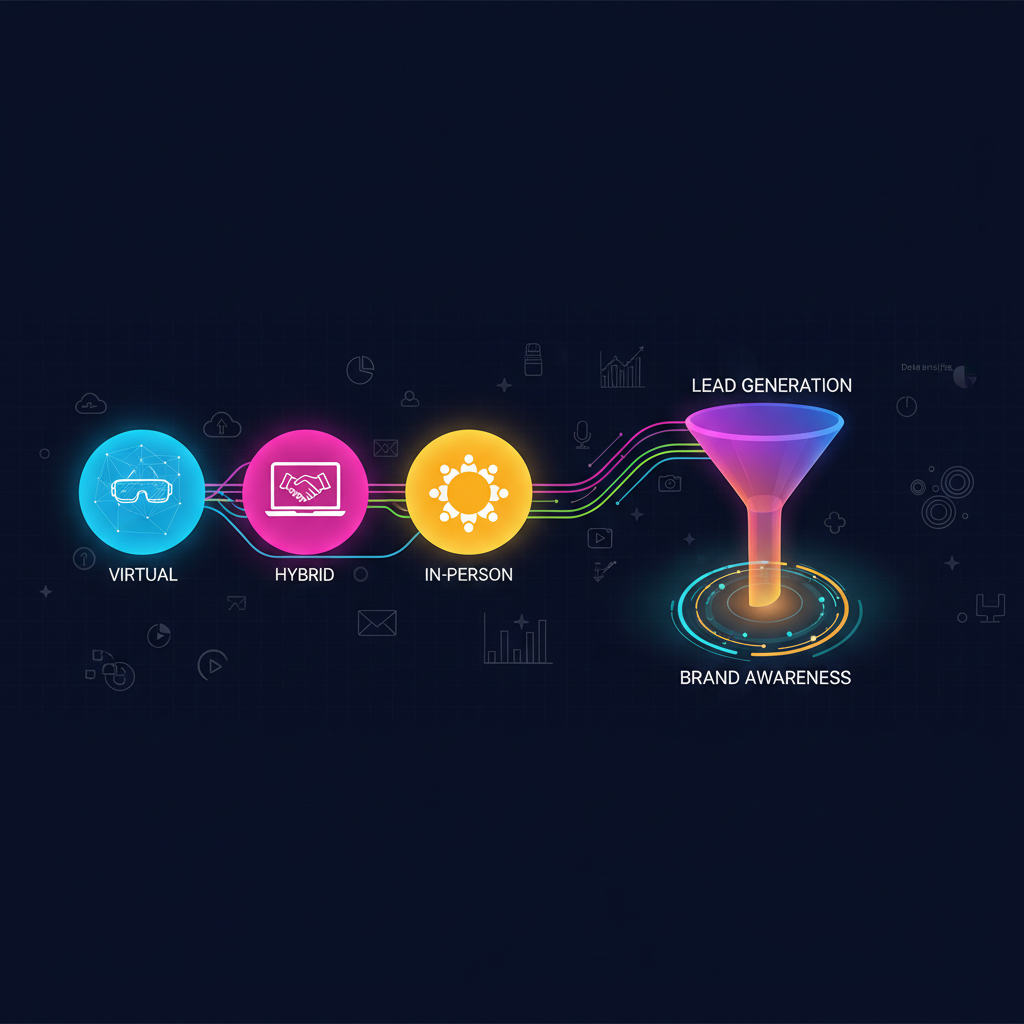
Event marketing remains a cornerstone for businesses aiming to boost visibility and cultivate valuable customer relationships. A well-crafted event marketing strategy for lead generation and brand awareness can transform casual attendees into loyal customers and enthusiastic brand advocates. In today’s dynamic landscape, this involves a blend of innovative virtual, hybrid, and impactful in-person experiences. This article delves into contemporary strategies to maximize your event ROI, focusing on generating high-quality leads and significantly enhancing your brand’s presence. We will explore how to leverage various event formats, repurpose content effectively, build strong communities, and optimize post-event follow-up for pipeline conversion.
Optimizing Virtual and Hybrid Events for B2B Demand Generation
Virtual and hybrid events are powerful tools for B2B demand generation, offering expanded reach and rich data insights that can significantly accelerate the sales cycle. These formats allow businesses to connect with a global audience, overcoming geographical limitations and increasing accessibility for potential leads.
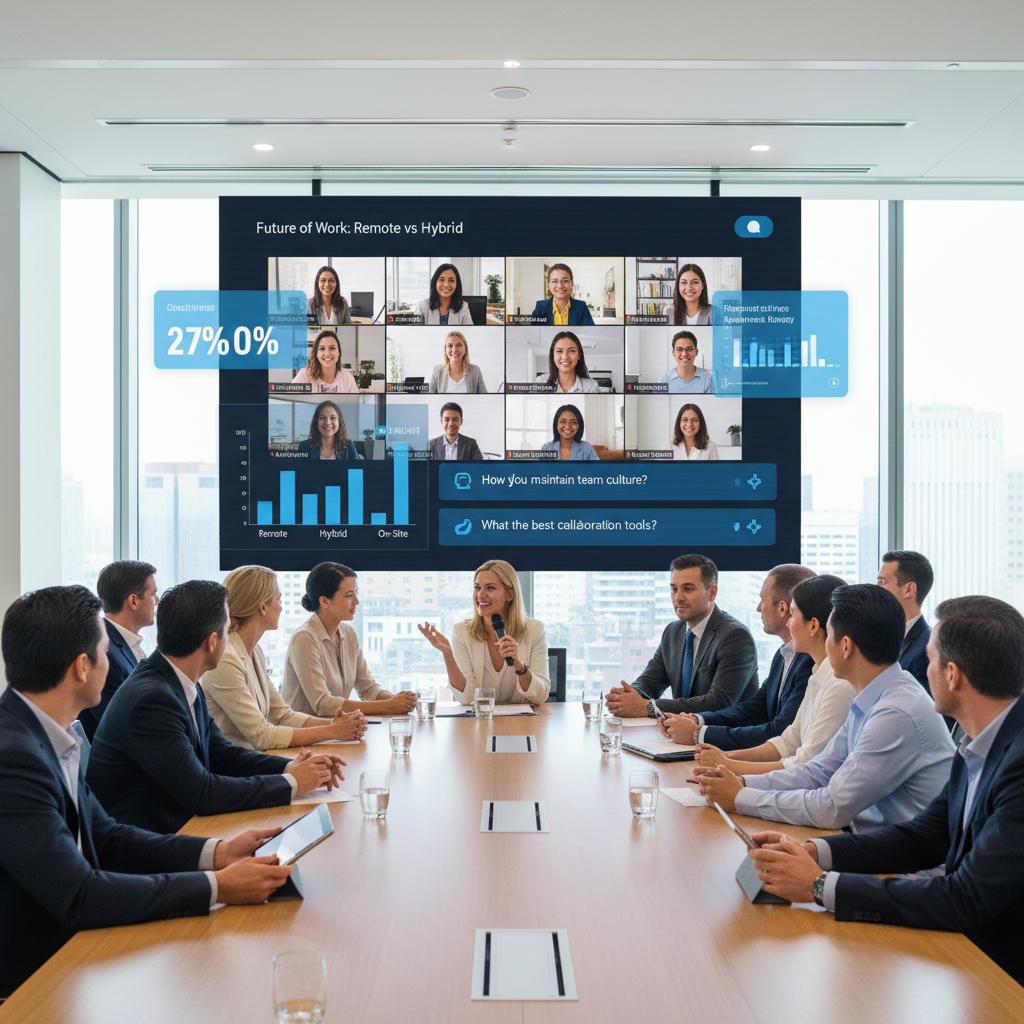
To effectively use virtual and hybrid events for B2B demand generation, focus on creating engaging content and interactive experiences. Interactive features like live chats, Q&A sessions, and polls enhance attendee engagement and provide valuable insights into participant interests and pain points. Digital event platforms are crucial for delivering immersive experiences with visually appealing content, videos, and live demonstrations. These platforms also enable the capture of digital touchpoints and data, which are essential for identifying high-quality leads and understanding their buying intent.
Designing Engaging Virtual Event Experiences for B2B Audiences
Designing engaging virtual event experiences for B2B audiences involves prioritizing interactivity and personalized content delivery. Virtual events break down geographical barriers, allowing for broader participation and diverse speaker lineups without the constraints of travel. Incorporate elements such as breakout rooms for smaller group discussions, gamification, and challenges to foster participation and networking among attendees. Personalization, driven by data-driven insights, ensures that attendees receive relevant content and offers, building trust and engagement.
Leveraging Hybrid Event Formats for Broader B2B Reach
Hybrid events combine the best of in-person and virtual experiences, offering flexibility and increased attendance numbers. This format allows attendees to choose their preferred mode of participation, catering to different needs and preferences. By integrating virtual components, hybrid events extend brand reach to thousands of potential leads globally, significantly boosting demand generation efforts. It is crucial to ensure a consistent brand experience across both physical and digital channels to maintain professionalism and authority.
Maximizing Reach with Event Marketing Content Repurposing for SEO and GEO
Event marketing content repurposing strategy for SEO and GEO is essential for extending the life and impact of your event content, driving organic traffic, and reaching new audiences long after the event concludes. Most organizations often miss the opportunity to transform valuable event material into a sustainable pipeline of SEO-rich assets.
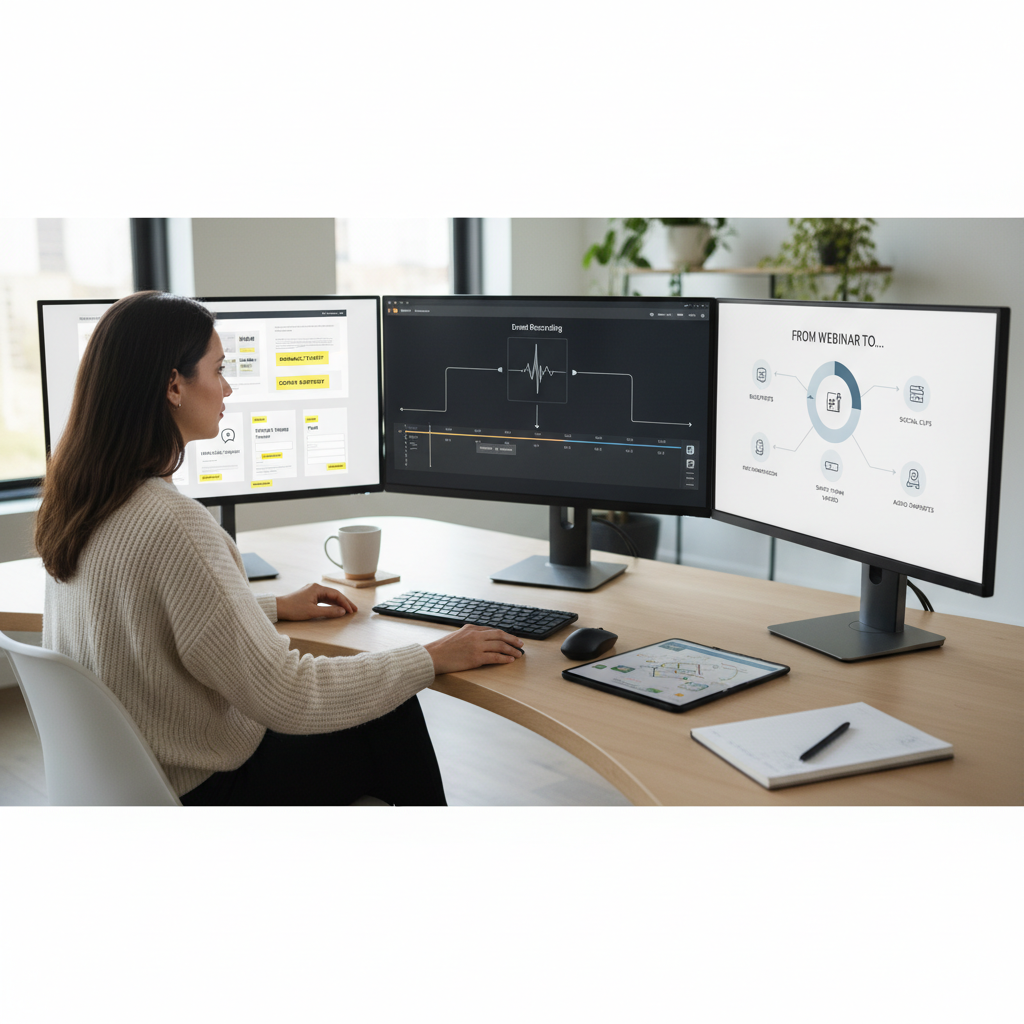
Repurposing involves converting speeches, panels, and discussions into diverse formats tailored for different audience segments and marketing channels. This strategy not only maximizes your marketing budget but also helps you understand audience interests by tracking engagement with various content formats. Event content is inherently valuable for SEO because it is expert-driven, packed with industry-specific terminology, addresses real audience questions, and is often original and unique.
Developing an Event Content Repurposing Workflow
A systematic workflow for content repurposing ensures that no valuable insight is lost. Begin by recording all sessions (with speaker consent) and transcribing the content. From these transcripts, identify key themes, quotes, and frequently used technical terms that can become valuable keyword targets. Then, choose formats based on audience behavior and build assets optimized for SEO, such as blog posts, short videos, social media snippets, podcasts, and infographics. For instance, a 45-minute keynote can easily be broken down into 4-6 standalone blog posts, each targeting specific keywords.
Optimizing Repurposed Content for SEO and Geographic Targeting
Optimizing repurposed content for SEO involves more than just keyword stuffing; it’s about creating topical authority and addressing user intent. Publish keyword-rich blogs, transcripts, and video content to improve search rankings and drive organic traffic. Utilize tools to analyze topic clusters and identify recurring themes across presentations, which can help establish your brand as a thought leader. For geographic targeting (GEO), consider localizing content or creating specific assets that address regional interests or events. For example, if an event discusses a topic with local relevance, repurpose content to highlight those specific geographical insights. This can include localized blog posts, social media campaigns targeting specific areas, or even micro-events in different cities based on insights from virtual engagement.
| Original Content Type | Repurposed Formats | SEO/GEO Benefits |
|---|---|---|
| Keynote Speech | Blog series, podcast episodes, short video clips, infographics, quotes for social media | Long-tail keyword targeting, increased organic traffic, diverse content consumption |
| Panel Discussion | Expert interviews, Q&A articles, whitepapers, case studies, LinkedIn posts | Thought leadership, addressing specific audience questions, lead magnet creation |
| Workshop/Demo | How-to guides, video tutorials, downloadable checklists, interactive quizzes | Practical value for users, improved engagement metrics, evergreen lead generation |
Cultivating Connections with In-Person Brand Event Marketing for Community Building
In-person events are invaluable for fostering genuine connections, building a strong sense of community, and strengthening brand loyalty. While digital interactions are crucial, the unique human connection forged at physical gatherings cannot be fully replicated online.
In-person brand event marketing strategy for community building focuses on creating memorable experiences that allow attendees to interact directly with your brand and peers, showcasing your values and leaving a lasting impression. These events are instrumental in generating publicity, increasing word-of-mouth marketing, and boosting brand equity. Direct interaction builds authentic brand connections, leading to increased customer retention and loyalty.
Designing Purpose-Driven In-Person Experiences
The most impactful in-person events are those that align with your brand’s mission and deeply resonate with your target audience. Clearly define your event’s purpose, whether it’s launching a product, educating your audience, or celebrating customer milestones. Offer valuable insights, exclusive experiences, or networking opportunities that address attendees’ needs and interests. Events like workshops, pop-up events, or even community sponsorships can spark local audience intrigue and engagement, cementing your business within the community. When designing these experiences, consider integrating elements that encourage active participation rather than passive observation.
Fostering Authentic Engagement and Loyalty
Events provide a unique opportunity for two-way interaction that builds trust and loyalty. Facilitate meaningful conversations through Q&A sessions, panel discussions, or dedicated networking breaks. Incorporate interactive elements such as contests, live polls, or on-site activities to keep participants engaged. Empowering customers to share their stories or feedback makes them feel seen and heard, strengthening their bond with your brand. For businesses seeking to expand their reach and enhance their overall Digital Marketing Services, combining these in-person strategies with robust online campaigns can yield exceptional results. Identifying and activating community advocates and influencers before, during, and after events can also amplify your message and foster a more engaged community. Offering exclusive perks to these advocates can further incentivize their support and participation.
Streamlining Conversion with a Post-Event Follow-Up Marketing Sequence Strategy for Pipeline Conversion
A robust post-event follow-up marketing sequence strategy for pipeline conversion is critical for transforming event attendees into qualified leads and ultimately, paying customers. Many businesses invest heavily in events but falter in the crucial post-event phase, missing significant opportunities for pipeline growth.
The real work of conversion often begins the moment an event ends. Your highest-conversion window is typically within the first 24 to 72 hours after the event. During this time, attendees are primed for relationship-building and receptive to personalized value tied to their event engagement. A strategic follow-up moves beyond generic “thank you” emails to a multi-touch approach that nurtures warm leads and re-engages no-shows by delivering consistent value.
Segmenting Leads for Personalized Post-Event Outreach
Effective post-event follow-up starts with intelligent lead segmentation. Not all leads are created equal; some are ready to buy, while others require more nurturing. Segment your leads based on their behavior, engagement levels, and expressed interests during the event. For example, an attendee who asked multiple questions in a session is likely a hot lead, whereas someone who only downloaded a resource might need a slower nurture cadence. This segmentation allows you to tailor your messaging and offers, increasing the likelihood of conversion.
Consider these segments:
* Highly Engaged Attendees: Those who actively participated, visited specific booths, or asked questions.
* Passive Attendees: Registered and attended but with lighter interaction.
* No-Shows: Registered but did not attend.
* Priority Accounts: Strategic or high-value organizations, regardless of their attendance or engagement level.
Crafting Multi-Channel Follow-Up Sequences for Different Buyer Journeys
Once leads are segmented, craft multi-channel follow-up sequences that provide value and guide them towards the next logical step in their buyer journey. A multi-touch approach combining email, social media, and phone calls ensures you remain top-of-mind without overwhelming contacts. For highly engaged leads, offer micro-commitments like a short clip of a session they attended, a 10-minute recap, or an invite to a follow-up roundtable. For passive attendees, a recap of key takeaways with a “choose your interest” CTA can be effective. For no-shows, share what they missed with a light ask, such as accessing on-demand content. Automate your email campaigns with timed reminder sequences and post-event follow-ups to deliver recordings and offers efficiently.
Integrating Event Data for Smarter Marketing Decisions
Integrating event data is crucial for making smarter marketing decisions and optimizing future event strategies. Events generate a wealth of data, from registration levels and engagement times to chat interactions and post-event downloads. This information, when properly collected and analyzed, provides invaluable insights into attendee behavior, content preferences, and lead quality.
By treating events as integrated platforms rather than standalone moments, businesses can feed content, insights, and engagement across every other marketing channel. This data-driven approach allows marketers to understand what subjects resonate most with their audience, which sessions generate the most leads, and where attendees might drop off. The goal is to create an ongoing feedback loop that makes each subsequent event more effective and aligned with business objectives.
Collecting and Analyzing Key Event Metrics
To leverage event data effectively, establish clear metrics and a robust collection process. Key performance indicators (KPIs) should align with your overall event goals, whether they are lead generation, brand awareness, or community building. Track engagement metrics such as dwell time, content interaction, and post-event conversions to understand how activations influence leads and brand perception. For virtual and hybrid events, digital platforms provide detailed analytics on attendee behavior, including session attendance, poll participation, and resource downloads. For in-person events, consider using tools for lead scanning, interactive surveys, and observing engagement at different booths or activities.
Here’s a breakdown of essential metrics to track:
* Registration vs. Attendance: Indicates interest and show-up rates.
* Engagement Rates: Poll participation, Q&A submissions, chat activity, content downloads.
* Session Popularity: Which topics and speakers attracted the most attendees.
* Lead Quality: Based on interactions, questions asked, and expressed intent.
* Post-Event Conversions: Demos booked, sales inquiries, new opportunities created.
* Website Traffic: Increase in visits to relevant pages after the event.
Using Data Insights to Refine Future Event Strategies
The true power of event data lies in its application to refine and improve future strategies. Analyze patterns in engagement data to identify what works and what doesn’t. If a particular session consistently generates high-quality leads, consider expanding on that topic in future events or creating more content around it. If certain content types have low engagement, re-evaluate their format or placement. Use post-event analytics to connect on-site engagement with long-term metrics like brand lift, lead quality, and conversion rates. This continuous optimization process allows marketers to adapt on the fly, redirecting traffic or refreshing content mid-show if necessary, and ultimately designing events that deliver stronger ROI and deeper human connection. Integrating this data into CRM tools and aligning sales and marketing teams on follow-up strategies ensures that insights translate into tangible pipeline growth.
What is event marketing strategy?
Event marketing strategy is a comprehensive plan for designing, promoting, executing, and following up on events to achieve specific business objectives like lead generation, brand awareness, or community building. It involves defining goals, identifying target audiences, selecting appropriate event formats, and measuring success.
How do virtual events generate B2B leads?
Virtual events generate B2B leads by expanding audience reach, offering interactive features like live chats and polls, and capturing rich digital data on attendee engagement. This data helps identify high-quality prospects and tailor follow-up communications to their specific interests and intent.
Why is content repurposing important for event marketing?
Content repurposing is crucial for event marketing because it extends the lifespan and reach of valuable event material, maximizes marketing budgets, and drives organic traffic through SEO. It transforms live content into diverse formats like blogs, videos, and podcasts, catering to varied audience preferences and boosting visibility.
What are the benefits of in-person events for brand awareness?
In-person events significantly boost brand awareness by fostering direct interaction, building authentic connections, and creating memorable experiences. They generate publicity, increase word-of-mouth marketing, and enhance brand equity, ultimately leading to increased customer loyalty and retention.
How can I improve post-event lead conversion?
To improve post-event lead conversion, segment attendees by their engagement and intent, then implement a personalized, multi-channel follow-up sequence within 24-72 hours. Offer micro-commitments and provide relevant, value-driven content to guide leads through their buyer journey, transforming interest into pipeline.
What is a hybrid event?
A hybrid event seamlessly combines in-person experiences with virtual accessibility, allowing attendees to participate either physically or online. This format offers increased flexibility, broader reach, and enhanced data capture, making it effective for both B2B demand generation and wider brand exposure.
How does event data help in marketing decisions?
Event data, including registration, engagement, and conversion metrics, provides critical insights into audience preferences and event performance. Analyzing this data helps marketers refine future event strategies, optimize content, identify high-performing elements, and make smarter decisions for improved ROI.
The evolving landscape of event marketing presents unprecedented opportunities for lead generation and brand awareness. By strategically embracing virtual, hybrid, and in-person formats, businesses can cultivate deeper connections and drive measurable growth.
Key takeaways for a successful event marketing strategy include:
* Leverage virtual and hybrid events for expanded reach and robust data collection, crucial for B2B demand generation.
* Implement a comprehensive content repurposing strategy to maximize the lifespan and SEO value of event content.
* Design purpose-driven in-person events that foster authentic engagement and build strong brand communities.
* Develop a segmented, multi-channel post-event follow-up sequence to convert leads efficiently into your sales pipeline.
* Integrate and analyze event data continuously to inform and optimize future marketing decisions.
Embrace these strategies to transform your events into powerful engines for business growth, ensuring your brand stands out and consistently attracts valuable leads. Ready to elevate your event marketing? Explore how a tailored strategy can unlock your brand’s full potential.