
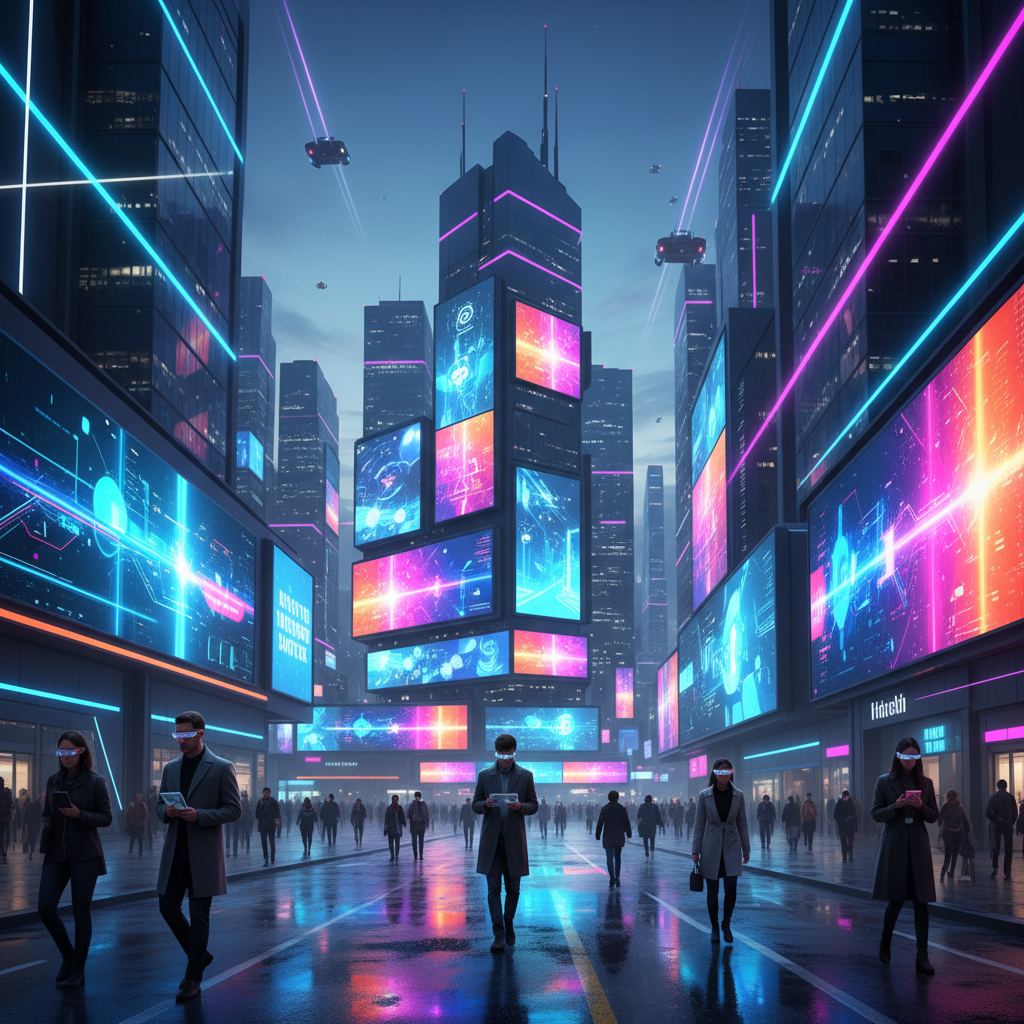
Digital Out-of-home DOOH Advertising Strategy For Brand Campaigns
In today’s dynamic marketing landscape, a robust digital out-of-home (DOOH) advertising strategy is crucial for brands aiming to capture attention and drive engagement. DOOH leverages digital screens in public spaces to deliver targeted, dynamic content, offering a powerful way to connect with consumers in the physical world. This evolving medium provides unparalleled opportunities for creativity and measurable impact, making it an indispensable component of modern brand campaigns. Understanding how to effectively plan, execute, and measure DOOH initiatives can significantly amplify your brand’s reach and influence across various touchpoints.
Integrating DOOH with Programmatic Digital Campaigns for Enhanced Reach
Integrating DOOH with programmatic digital campaigns allows brands to achieve a cohesive, multi-channel advertising approach, extending reach and delivering more relevant messages across various platforms. This synergy enables marketers to leverage data-driven insights from online campaigns to inform DOOH placements, creating a powerful feedback loop. The goal is to create a seamless brand experience, where messages seen on a large digital billboard can reinforce or be reinforced by ads encountered on a mobile device or desktop. This holistic view ensures consistent brand messaging and maximizes overall campaign effectiveness.
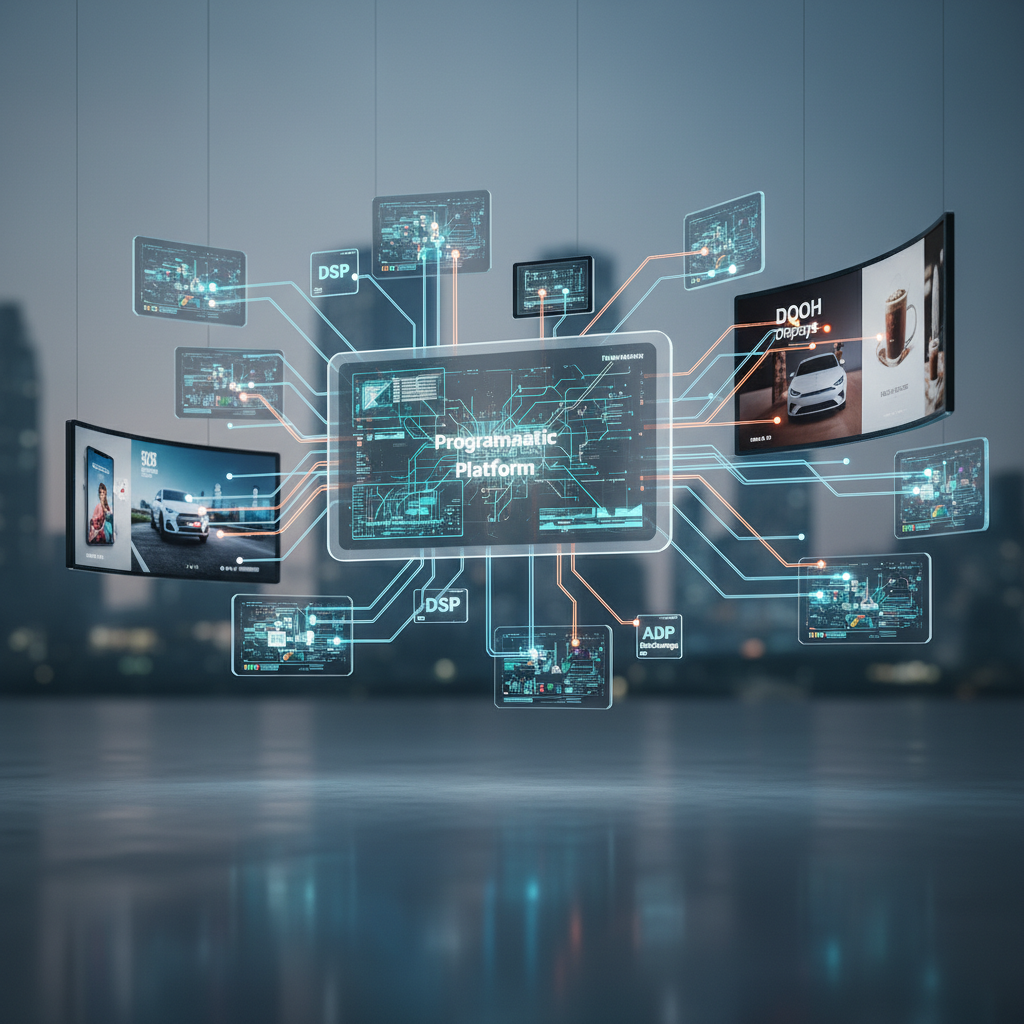
How to Align DOOH and Online Programmatic Buying
Aligning DOOH and online programmatic buying involves using a unified platform or strategy to manage both. Programmatic DOOH (pDOOH) platforms allow advertisers to buy DOOH inventory through automated systems, similar to how display or video ads are purchased online. This approach facilitates real-time bidding, dynamic content serving, and precise audience targeting. Brands can use the same audience segments defined for online campaigns to target specific DOOH screens, ensuring message consistency. This integration streamlines campaign management and optimizes budget allocation across channels. It also allows for greater flexibility and agility in adjusting campaigns based on performance data.
Leveraging Data for Unified Campaign Activation
Leveraging data for unified campaign activation is fundamental to successful DOOH and programmatic integration. First-party data, combined with third-party demographic and behavioral insights, can inform both online and offline media buys. For instance, if a brand knows its target audience frequently visits specific retail areas, DOOH screens in those locations can be prioritized. Concurrently, online ads can target the same audience with complementary messages when they are browsing on their devices. This data-driven approach ensures that every impression, whether digital or physical, contributes to a larger, more impactful narrative. It transforms disparate campaigns into a single, synchronized effort.
Crafting DOOH Audience Targeting with First-Party Data Strategy
Crafting effective DOOH audience targeting with first-party data strategy empowers brands to deliver highly relevant messages to specific consumer segments, significantly improving campaign efficiency and impact. First-party data, collected directly from customer interactions, provides invaluable insights into consumer behavior, preferences, and demographics. By applying these insights to DOOH placements, advertisers can move beyond broad demographic targeting to reach audiences with pinpoint accuracy, ensuring their messages resonate deeply. For more insights, check out our guide on Digital Marketing Services.

Utilizing CRM Data for Precise DOOH Placements
Utilizing CRM (Customer Relationship Management) data for precise DOOH placements allows brands to identify high-value customer segments and target them in relevant physical locations. For example, a retail brand might use CRM data to understand where its most loyal customers live, work, or frequently visit. This information can then guide the selection of DOOH screens in those specific areas. The goal is to reach existing customers with loyalty offers or new product announcements when they are most receptive. This strategy moves beyond traditional demographic targeting, focusing on actual customer behavior and relationships to optimize media spend.
Geofencing and Location-Based Data for Enhanced Targeting
Geofencing and location-based data offer powerful tools to enhance DOOH audience targeting. Geofencing creates virtual perimeters around specific physical locations, such as competitor stores, event venues, or business districts. When target audiences enter these geofenced areas, DOOH campaigns can be triggered with contextually relevant ads. This real-time, location-based targeting ensures messages are delivered precisely when and where they are most impactful. Combining this with first-party data, such as purchase history or loyalty program participation, allows for even more personalized and effective messaging. This precision targeting maximizes the return on investment for DOOH campaigns.
Measuring DOOH Advertising Impact on Digital Search and Brand Lift
Measuring DOOH advertising impact on digital search and brand lift is essential for demonstrating the return on investment and optimizing future campaigns. While DOOH operates in the physical world, its influence often extends to online behaviors and brand perception. Effective measurement strategies bridge this gap, providing clear insights into how physical screen exposure translates into measurable digital actions and improved brand health. This comprehensive approach helps marketers understand the full value of their DOOH investments.
Attributing Website Visits and Search Queries to DOOH Exposure
Attributing website visits and search queries to DOOH exposure involves sophisticated tracking and analytical methods. One common approach is to monitor spikes in brand-specific search terms or direct website traffic immediately following a DOOH campaign launch in a particular geographic area. Unique URLs or QR codes displayed on DOOH screens can also directly track user engagement. Furthermore, comparing search trends in areas exposed to DOOH ads versus control areas can reveal the incremental impact. These attribution models help quantify the direct digital response generated by offline DOOH impressions, proving its tangible value.
Quantifying Brand Awareness and Perception Shifts
Quantifying brand awareness and perception shifts due to DOOH advertising requires pre- and post-campaign surveys, brand lift studies, and sentiment analysis. Surveys can gauge changes in brand recall, recognition, and message association among exposed audiences. Brand lift studies, often conducted by third-party research firms, compare key metrics like purchase intent or brand favorability between exposed and unexposed groups. For instance, a brand might see a measurable increase in positive sentiment on social media following a major DOOH rollout. These insights provide a holistic view of how DOOH influences brand health beyond immediate digital actions. For a deeper understanding of how integrated strategies can boost brand presence, consider exploring our Digital Marketing Services.
DOOH Campaign Performance Metrics Table
To effectively track and analyze the performance of DOOH campaigns, a structured approach to metrics is crucial. This table outlines key performance indicators (KPIs) and their relevance.
| Metric Category | Key Performance Indicator (KPI) | Description | Impact Measured |
|---|---|---|---|
| Exposure & Reach | Impressions (OTS) | Opportunities to See: Estimated number of times an ad is viewed. | Campaign Visibility, Potential Audience Size |
| Engagement | QR Code Scans / Unique URLs | Direct user interaction with the DOOH ad leading to a digital action. | Direct Digital Engagement, Call-to-Action Effectiveness |
| Brand Impact | Brand Search Volume Lift | Increase in brand-related search queries post-exposure. | Brand Awareness, Consumer Interest |
| Brand Impact | Website Traffic Lift (Geo-targeted) | Increase in website visits from exposed geographic areas. | Digital Response, Online Conversion Potential |
| Brand Impact | Social Media Mentions/Sentiment | Changes in brand mentions and public perception on social platforms. | Brand Buzz, Public Opinion |
| Conversion (Indirect) | Foot Traffic Attribution | Measurement of physical store visits after DOOH exposure. | Offline Conversion, Store Visits |
Executing DOOH and Social Media Synchronized Campaign Strategy for Launches
Executing a DOOH and social media synchronized campaign strategy for launches creates a powerful, multi-sensory experience that amplifies brand messages and generates significant buzz. By coordinating content and timing across these distinct channels, brands can create a cohesive narrative that resonates both in public spaces and on personal devices. This integrated approach ensures that a product launch, event, or special announcement gains maximum visibility and engagement, leveraging the strengths of both broad-reach DOOH and highly interactive social media.
Creating Cohesive Messaging Across Channels
Creating cohesive messaging across channels is paramount for a successful synchronized campaign. The visual elements, tone of voice, and core call-to-action on DOOH screens should mirror those used on social media platforms. For example, a bold, eye-catching visual on a large digital billboard can serve as a teaser, directing audiences to a specific hashtag or social media profile for more details. Conversely, social media content can encourage users to look out for DOOH displays in their local area. This consistency reinforces the brand message and makes the campaign feel unified, regardless of where the consumer encounters it.
Driving User-Generated Content and Social Sharing with DOOH
Driving user-generated content (UGC) and social sharing with DOOH involves strategic calls-to-action and interactive elements. DOOH screens can display engaging content that encourages people to take photos, use a specific hashtag, or participate in a poll on social media. For instance, a brand might feature a dynamic DOOH ad asking a question and prompting users to tweet their answers with a unique hashtag. The best responses could then be displayed on the DOOH screen in real-time, creating a compelling feedback loop. This interactivity transforms passive viewers into active participants, generating organic reach and authentic social proof for the brand launch.
Leveraging Real-Time DOOH Updates for Social Media Engagement
Leveraging real-time DOOH updates for social media engagement allows for dynamic, responsive campaigns. Modern DOOH platforms can integrate with social media feeds, displaying live updates, trending hashtags, or even user-submitted content directly on large screens. During a product launch event, for example, DOOH screens could show live tweets or Instagram posts from attendees using the event hashtag. This real-time integration makes the campaign feel immediate and exciting, encouraging further social interaction. It blurs the lines between physical and digital spaces, creating a truly immersive brand experience.
Optimizing DOOH Creative and Placement for Maximum Engagement
Optimizing DOOH creative and placement for maximum engagement ensures that advertising messages cut through the clutter and effectively capture audience attention. The unique characteristics of DOOH—its public nature, varying screen sizes, and diverse environments—demand a tailored approach to content creation and strategic location selection. By focusing on compelling visuals, concise messaging, and contextually relevant placements, brands can significantly enhance the impact and memorability of their DOOH campaigns.
Designing Impactful Visuals and Concise Messaging for Public Displays
Designing impactful visuals and concise messaging for public displays is critical for DOOH success. Unlike online ads that users can scroll past, DOOH ads often have only a few seconds to make an impression on passersby. This necessitates bold, high-contrast visuals that are easily discernible from a distance. Text should be minimal, large, and easy to read, conveying the core message instantly. Animated elements or short video clips can be highly effective, but they must be simple and loop seamlessly. The goal is to communicate quickly and clearly, leaving a lasting impression without overwhelming the viewer.
Strategic Placement Considerations for Diverse Environments
Strategic placement considerations for diverse environments involve understanding the audience, dwell time, and context of each DOOH screen. A screen in a busy transit hub, where people are moving quickly, requires a different creative approach than one in a waiting area, where dwell times are longer. Locations like shopping malls, airports, or urban centers each present unique opportunities and challenges. Brands must consider factors such as visibility, pedestrian traffic patterns, and surrounding businesses. Placing ads in environments relevant to the product or service, such as a fitness brand advertising near a gym, naturally enhances resonance and recall.
A/B Testing and Iteration for Continuous DOOH Optimization
A/B testing and iteration for continuous DOOH optimization are vital for refining campaign performance. This involves running different versions of creative content or placement strategies simultaneously to determine which performs best against specific KPIs. For example, a brand might test two different headlines on screens in similar locations to see which generates more website visits via a QR code. Analyzing the results allows marketers to identify winning elements and apply those learnings to future iterations. This data-driven approach ensures that DOOH campaigns are constantly evolving and improving, maximizing their effectiveness over time.
What is digital out-of-home (DOOH) advertising?
Digital out-of-home (DOOH) advertising refers to dynamic media distributed across digital screens in public places. These screens can be found in various locations such as billboards, transit shelters, shopping malls, airports, and elevators. DOOH campaigns deliver targeted messages and often leverage real-time data for dynamic content adjustments, offering a modern alternative to traditional static billboards.
How does programmatic DOOH work?
Programmatic DOOH (pDOOH) automates the buying, selling, and delivery of DOOH ad impressions through software platforms. Advertisers can bid for screen time based on audience data, location, time of day, and other parameters, similar to online programmatic advertising. This allows for greater efficiency, flexibility, and precise targeting compared to traditional manual booking processes for OOH media.
Can DOOH campaigns be hyper-targeted?
Yes, DOOH campaigns can be hyper-targeted by combining location data, audience demographics, and first-party data. Technologies like geofencing allow advertisers to serve ads to specific audiences within defined geographic perimeters. Data from mobile devices, CRM systems, and third-party providers helps refine targeting, ensuring messages reach the most relevant consumers in specific physical environments.
What are the benefits of integrating DOOH with social media?
Integrating DOOH with social media amplifies campaign reach and engagement by creating a cohesive, multi-channel experience. It allows brands to drive online conversations from offline exposure, encourage user-generated content, and leverage real-time social trends on large public screens. This synergy boosts brand awareness and creates a more immersive and interactive brand narrative for audiences.
How can I measure the ROI of my DOOH advertising?
Measuring DOOH ROI involves tracking various metrics, including brand lift studies, changes in digital search volume, website traffic from exposed areas, and QR code scans. Attribution models can link DOOH exposure to online actions, while surveys assess shifts in brand perception and recall. Advanced analytics and data integration help quantify the impact on both online and offline conversions.
Is DOOH more expensive than traditional OOH?
The cost of DOOH can vary, but its programmatic capabilities often allow for more efficient spending compared to traditional OOH. While initial setup or premium locations might be higher, DOOH offers dynamic content, real-time adjustments, and superior targeting, which can lead to a better return on investment. The flexibility to buy impressions rather than fixed durations also optimizes budget allocation.
Building a sophisticated digital out-of-home advertising strategy is no longer an option but a necessity for brands seeking to thrive in a competitive landscape. The power of DOOH lies in its ability to bridge the gap between the physical and digital worlds, creating impactful brand experiences. By strategically integrating DOOH with programmatic digital campaigns, brands can achieve unprecedented reach and efficiency. Furthermore, leveraging first-party data for precise audience targeting ensures messages resonate deeply with the right consumers. The measurable impact on digital search and brand lift provides clear evidence of DOOH’s effectiveness, while synchronized campaigns with social media amplify launches and foster engagement.
Key takeaways for your DOOH strategy:
* Embrace programmatic DOOH for automated buying and enhanced targeting.
* Utilize first-party data to personalize DOOH messages and optimize placements.
* Implement robust measurement techniques to track digital search lift and brand perception changes.
* Synchronize DOOH with social media for powerful, integrated campaign launches.
* Prioritize compelling, concise creative tailored for public viewing environments.
By focusing on these strategic pillars, brands can unlock the full potential of DOOH, driving meaningful connections and measurable growth.