

Amazon SEO Strategy For Sellers To Rank Higher In 2026 Guide
Navigating the ever-evolving Amazon marketplace requires a robust Amazon SEO strategy to ensure your products stand out. In today’s competitive landscape, simply listing a product is no longer enough; sellers must actively optimize their presence to capture visibility and drive sales. This comprehensive guide will equip Amazon sellers with the essential tactics and insights needed to achieve higher search rankings. We will delve into the intricacies of Amazon’s algorithm, explore advanced listing optimization techniques, and uncover powerful advertising strategies to boost your product’s discoverability and profitability.
Understanding the Amazon A10 Algorithm: How It Works and How to Optimize for It
The Amazon A10 algorithm is the sophisticated system Amazon uses to determine which products appear in search results and in what order. Unlike traditional search engines that prioritize backlinks, A10 primarily focuses on sales velocity, conversion performance, and customer satisfaction, rewarding listings that effectively convert shoppers into buyers. This algorithm has evolved to place a greater emphasis on organic engagement, external traffic, and the overall customer experience, moving beyond a sole reliance on sales history and paid advertising. For more insights, check out our guide on Digital Marketing Services.
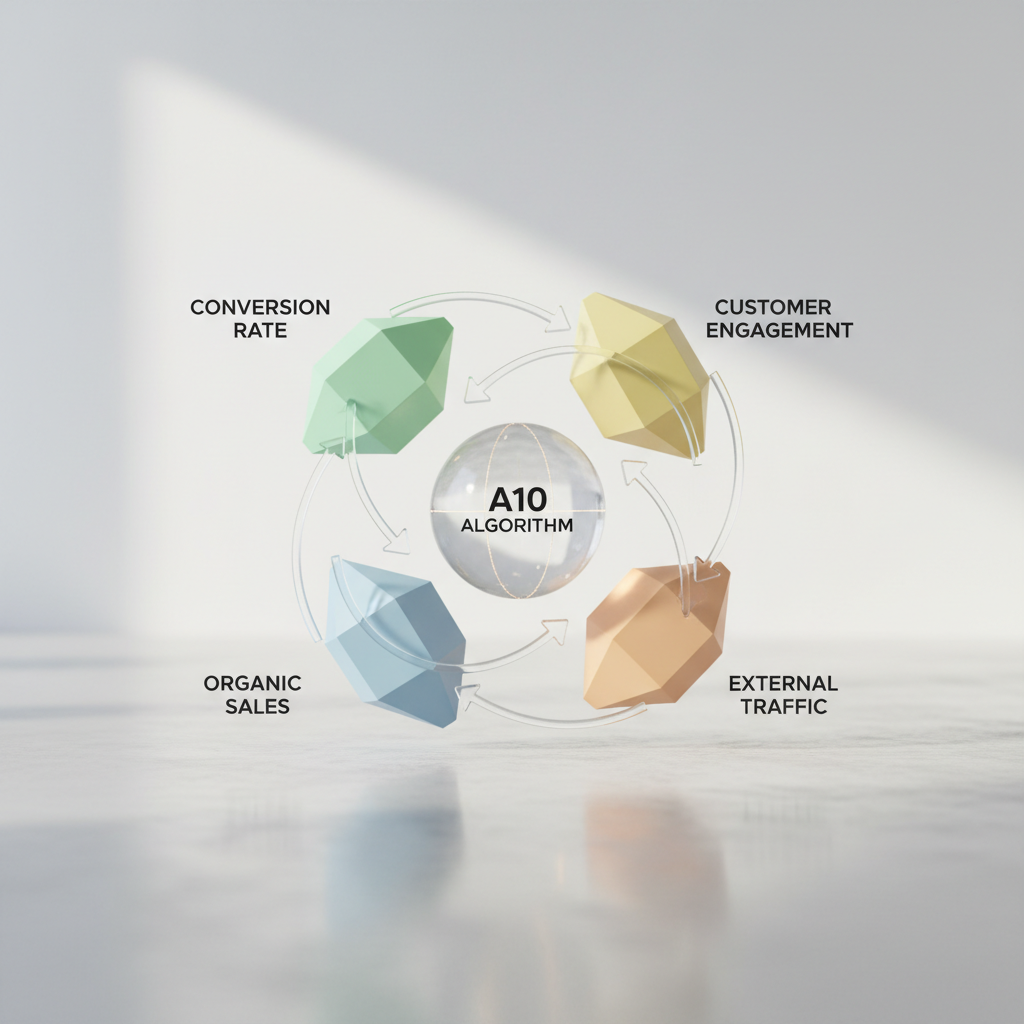
Optimizing for the A10 algorithm means understanding its core signals. Amazon’s system is less about simple keyword matching and more about predicting what a user will ultimately purchase, factoring in behavioral data such as click depth and time spent on a listing. Furthermore, Amazon’s AI-enhanced search tools, “Rufus” and “COSMO,” are increasingly influencing rankings by rewarding natural language, structured content, and listings that directly answer customer questions.
Key Factors Influencing A10 Rankings
Several critical factors contribute to your product’s visibility within the A10 algorithm. Focusing on these areas will significantly improve your chances of ranking higher.
* Conversion Rate: This is arguably the most crucial ranking factor, as Amazon prioritizes products that generate the most revenue per search impression. A higher conversion rate signals to Amazon that your product is highly relevant and desirable to shoppers.
* Organic Sales and Sales History: While paid ads can boost initial sales, organic sales have a stronger, more sustainable impact on long-term rankings. Consistent organic sales history demonstrates consistent demand and customer satisfaction.
* Customer Engagement Metrics: Factors like click-through rate (CTR), time on page, and review quality all play a significant role. Listings that keep shoppers engaged and satisfied are favored.
* External Traffic: Amazon rewards products that drive traffic from outside its platform, such as from Google, social media, and influencers. This signals broader interest and demand.
* Seller Authority and Reputation: Strong feedback scores, low order defect rates (ODR), and excellent customer service contribute to a seller’s authority, which positively influences rankings.
Optimizing for AI-Enhanced Search (Rufus & COSMO)
As Amazon’s AI search capabilities advance, sellers must adapt their content strategy. AI systems like Rufus and COSMO analyze content for semantic understanding and user intent.
* Natural Language Integration: Avoid keyword stuffing. Instead, write naturally and comprehensively, ensuring your content addresses potential customer questions and use cases.
* Structured Content: AI prefers structured information. Utilize bullet points, numbered lists, comparison tables, and clear headings to make your listing easily digestible for both humans and AI.
* A+ Content: Enhanced Brand Content (A+ Content) is no longer optional; it provides additional structured data for AI to process and directly impacts conversion rates. Premium A+ content, with its larger modules and video options, can lead to even higher conversion rates.
Essential Amazon Listing Optimization Checklist for Higher Search Ranking
A well-optimized Amazon product listing is fundamental to achieving higher search rankings and driving conversions. It acts as your digital storefront, communicating value to both potential customers and Amazon’s A10 algorithm. Effective listing optimization goes beyond simply including keywords; it involves crafting compelling, informative, and visually appealing content across all elements of your product page.
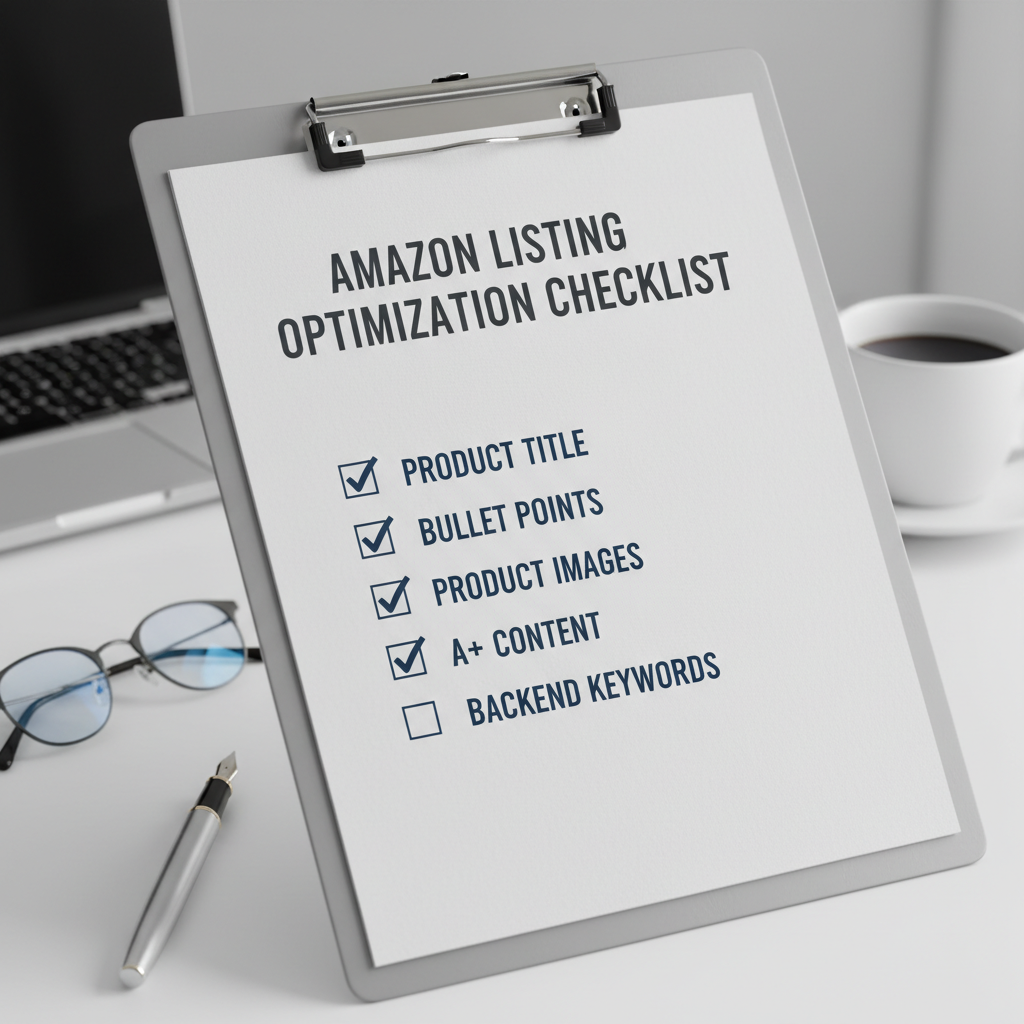
The goal is to create a listing that not only ranks for relevant search terms but also persuades shoppers to make a purchase. This requires a strategic approach to every component, from your product title to your backend search terms. By systematically enhancing each part of your listing, you can significantly improve its visibility and sales performance.
Crafting an Optimized Product Title
Your product title is the most crucial ranking factor and the first element shoppers see. It needs to be keyword-rich yet human-readable.
* Front-Load Primary Keywords: Place your highest-volume, most relevant keyword within the first 80 characters, as this portion is often visible on mobile devices.
* Include Key Product Attributes: Naturally incorporate essential details like size, quantity, color, material, and primary use case.
* Prioritize Readability: Write for humans, not just bots. A clear, concise, and informative title will perform better than a keyword-stuffed one.
Maximizing Bullet Points and Product Description
Bullet points and the product description offer valuable real estate to elaborate on your product’s features and benefits.
* Feature-to-Benefit Structure: For bullet points, translate features into benefits. Instead of “100% Cotton,” try “Soft, Breathable 100% Cotton for All-Day Comfort.” Integrate secondary keywords naturally within these points.
* Keyword-Rich Descriptions: Your product description allows for more detailed storytelling. Ensure it’s keyword-rich, readable, and persuasive, addressing potential customer pain points. Storytelling in A+ content, showcasing why the product was built and how customers use it, is increasingly important.
* A+ Content for Brand Registered Sellers: Utilize A+ Content to enhance your brand story, showcase product features with rich media, and include comparison tables. Premium A+ content, if available, offers even more advanced modules and video integration, directly impacting conversion rates.
Strategic Use of Backend Search Terms
Backend search terms are invisible to shoppers but crucial for Amazon’s algorithm. They allow you to capture keywords that didn’t fit naturally into your visible listing.
* Utilize All 249 Bytes: Many sellers underutilize this field. Maximize the space to include synonyms, abbreviations, alternate spellings, and relevant Spanish-language keywords.
* Avoid Redundancy: Do not repeat keywords already present in your title or bullet points; Amazon indexes them automatically.
* Exclude Forbidden Terms: Do not use special characters, competitor brand names, subjective descriptors like “best,” or terms requiring verification.
High-Quality Images and Video Content
Visuals are paramount on Amazon, especially given the prevalence of mobile shopping. Shoppers cannot touch your product, so images and videos must convey quality and utility.
* Use All Available Image Slots: Upload at least seven high-quality images, including a main image compliant with Amazon’s terms of service, lifestyle shots, infographics, and images demonstrating scale or comparisons.
* Incorporate Video: Product videos significantly improve conversion rates and trust. They allow shoppers to see the product in action and address common questions.
* Mobile Optimization: Ensure all images and videos are optimized for mobile viewing, as a large percentage of shoppers browse on their phones. Infographic text should use large, readable fonts.
Leveraging Amazon PPC and Organic Strategy for New Product Launches
Launching a new product on Amazon presents a unique challenge: building visibility and sales momentum from scratch. A successful launch hinges on a cohesive strategy that integrates both paid advertising (PPC) and organic optimization efforts. The truth is, Amazon’s paid search ads and organic rankings are tightly connected; paid traffic that converts well strengthens organic visibility, creating a powerful flywheel effect.
For new product launches, the primary goal is to achieve “controlled velocity” – generating enough initial sales at an acceptable Advertising Cost of Sale (ACoS) to establish conversion signals and begin building organic rank. This initial phase is about data collection, gathering reviews, and gaining ranking momentum rather than immediate high profitability.
Initial PPC Strategy for New ASINs
When launching a new product, your PPC strategy should be focused on discovery and data acquisition.
* Start with Automatic Campaigns: Launch automatic campaigns with moderate daily budgets. These campaigns allow Amazon to determine which search terms convert for your product, providing invaluable data for future manual campaigns.
* Utilize Initial Discounts and Promotions: Offering initial discounts or running promotional offers can help generate fast traction and gain initial sales momentum, which is crucial for the A10 algorithm.
* Accept Higher ACoS: For new product launches, an ACoS of 40% to 60% is often acceptable. This higher spend is an investment in buying data, securing initial reviews, and building crucial ranking momentum. This phase typically lasts 30 to 60 days.
* Mine Search Term Reports Regularly: Weekly analysis of your auto campaign search term reports is vital. Identify proven converting search terms and move them into manual campaigns. Simultaneously, add non-converting terms as negative keywords to reduce wasted ad spend.
Integrating Organic Optimization from Day One
Even with a strong PPC strategy, organic readiness is paramount. Your listing must be optimized to convert traffic effectively, regardless of its source.
* Keyword Research Foundation: Conduct thorough keyword research to identify high-volume, relevant terms for your product. This forms the basis for both your PPC and organic efforts.
* Optimize Listing Content: Before scaling ads, ensure your product title, bullet points, and description are fully optimized. They should clearly communicate value, address customer pain points, and align with real search intent. High-quality images and videos are also critical for conversion.
* A+ Content (if Brand Registered): Implement A+ Content from the start. It provides a richer brand experience, offers more data for Amazon’s AI, and significantly boosts conversion rates.
* Review Generation Strategy: Encourage reviews from early buyers. Positive reviews are like gold, building trust and further boosting conversion rates, which in turn feeds the A10 algorithm. Consider enrolling in programs like Amazon Vine if eligible.
The Synergy of Paid and Organic
The goal is to create a self-reinforcing cycle where PPC fuels organic growth.
* Data-Driven Iteration: Use the performance data from your initial PPC campaigns to refine your organic listing. If certain keywords convert well through ads, ensure they are prominently featured and optimized within your organic content.
* Conversion-Focused Approach: Remember that Amazon’s algorithm prioritizes listings that convert. Paid traffic directed to a high-converting, organically optimized listing will generate stronger sales velocity signals, leading to improved organic rankings over time.
* Long-Term Growth: As your organic rank improves, you can gradually reduce reliance on high PPC spend for established keywords, allowing for more profitable scaling and reinvestment into new product launches or broader brand awareness campaigns. This integrated approach is a cornerstone of effective Digital Marketing Services for Amazon sellers.
Mastering Amazon DSP Advertising Strategy for Off-Platform Remarketing
Amazon DSP (Demand-Side Platform) is a powerful programmatic advertising platform that allows brands to reach audiences both on and off Amazon. Unlike Sponsored Ads, which primarily target shoppers on Amazon search results and product pages, DSP extends your reach across Amazon’s owned properties (like IMDb, Twitch, and Fire TV) and thousands of third-party websites and apps. This makes Amazon DSP advertising strategy for off-platform remarketing an indispensable tool for building brand awareness, driving consideration, and, crucially, retargeting shoppers who have interacted with your products but haven’t yet purchased. For more insights, check out our guide on Digital Marketing Services.
DSP leverages Amazon’s exclusive first-party shopper data, enabling highly precise audience targeting based on real purchase behavior and interests. It’s a full-funnel solution, capable of influencing demand and conversions at every stage of the customer journey, not just the bottom-of-funnel conversions typically associated with Sponsored Products.
Understanding Amazon DSP’s Unique Capabilities
Amazon DSP stands apart from other Amazon advertising options due to its extensive reach and data-driven targeting.
* Programmatic Ad Buying: DSP allows for automated buying of display, video, and audio ads across a vast network. This includes premium placements not available through other platforms, such as video ads on Fire TV or Twitch.
* Audience-Based Targeting: Instead of keyword-based targeting, DSP focuses on audiences. You can target shoppers based on their browsing behavior, demographics, interests, and past interactions with your brand or similar products.
* Off-Platform Reach: A key differentiator is the ability to run ads on third-party websites and apps, effectively bringing Amazon’s rich shopper insights to the broader internet.
* Retargeting Prowess: DSP excels at retargeting. It can re-engage shoppers who viewed your product detail page, added items to their cart, or even just searched for related products but didn’t convert. This is how you win back “lost” customers.
Developing an Off-Platform Remarketing Strategy with DSP
An effective DSP strategy for remarketing involves segmenting audiences and crafting compelling creatives.
* Identify Target Audiences:
* Product Viewers: Shoppers who viewed your product detail page in the last 30-90 days but didn’t purchase.
* Cart Abandoners: Users who added your product to their cart but did not complete the purchase.
* Past Purchasers: Existing customers who might be interested in complementary products or repeat purchases.
* In-Market Shoppers: Amazon customers who have searched for or purchased products in your category recently, but haven’t discovered your brand.
* Creative Asset Development: DSP campaigns require strong creative assets. Use lifestyle images, videos, and infographics that resonate with your target audience. Video ads, especially on platforms like Prime Video, can significantly outperform display ads in terms of cost-per-acquisition.
* Install Amazon Attribution Pixel: If you are driving off-Amazon traffic, installing the Amazon Attribution pixel is crucial to track the effectiveness of your DSP campaigns and understand cross-channel behavior.
* Campaign Objectives: Define clear objectives for your remarketing campaigns, whether it’s driving direct sales, increasing brand awareness, or re-engaging specific customer segments.
Integrating DSP with Other Amazon Ads
DSP works best when integrated with your existing Sponsored Ads strategy, creating a synergistic effect.
* Full-Funnel Approach: Use DSP to drive new traffic and create demand at the top and middle of the funnel. As these shoppers move closer to purchase and begin searching on Amazon, your Sponsored Ads campaigns will be positioned to capture that demand.
* Attribution and Measurement: While DSP reporting can be siloed, integrating its data with other marketing channels provides a holistic view of your Return on Ad Spend (ROAS). Brands using DSP report significantly higher conversion rates compared to those relying solely on in-platform ads.
* Budget Considerations: DSP typically requires a minimum monthly spend, often ranging from $35,000 to $50,000 for managed-service options. It is best suited for brands with established Sponsored Ads campaigns and significant annual revenue on Amazon.
Advanced Tactics for Sustained Amazon Growth and Visibility
Achieving initial success on Amazon is a great start, but sustaining growth and maintaining high visibility requires continuous effort and advanced strategies. The Amazon marketplace is dynamic, with constant algorithm updates, increasing competition, and evolving shopper behaviors. To stay ahead, sellers must embrace a holistic approach that goes beyond basic listing optimization and advertising.
This involves deeply understanding customer behavior, leveraging data, and continuously refining your strategy to adapt to new trends. Focusing on long-term credibility and customer satisfaction will ultimately lead to a compounding effect on your organic rankings and overall profitability.
Monitoring Behavioral Ranking Factors
Amazon’s A10 algorithm increasingly emphasizes behavioral signals, treating its search engine less like a keyword matcher and more like a prediction engine.
* Click-Through Rate (CTR): A high CTR indicates that your product title and main image are compelling enough to capture shopper interest in search results. Continuously test and optimize these elements.
* Time on Listing (Dwell Time): How long shoppers spend on your product page is a strong indicator of engagement and relevance. Rich A+ content, videos, and detailed descriptions can increase dwell time.
* Conversion Rate: This remains paramount. Analyze your conversion funnel to identify any drop-off points and optimize accordingly. Even a 1% improvement can significantly boost organic traffic over time.
* Click Depth: This refers to how many pages a customer views after landing on your listing. A deeper click path, indicating further exploration of your brand or related products, can signal higher engagement.
Leveraging Brand Store and Brand Analytics
For brand-registered sellers, these tools offer significant advantages for both SEO and customer engagement.
* Compelling Brand Store: Create a visually appealing and informative Brand Store to enrich your brand narrative and showcase your full product catalog. A Brand Store acts as a mini-website within Amazon, providing a destination for customers to explore your offerings and build loyalty.
* Brand Analytics Insights: Utilize Brand Analytics to gain insights into customer search behavior, demographics, and purchasing patterns. This data can inform your keyword strategy, product development, and marketing campaigns.
* Brand Referral Bonus Program: This program rewards brands for driving external traffic to Amazon, offering a percentage back on sales. It incentivizes you to leverage your external marketing efforts to boost Amazon sales and rankings.
Customer Reviews and Feedback Management
Reviews are not just social proof; they are a critical ranking factor and a source of valuable customer insights.
* Prioritize Review Quality: While quantity matters, Amazon’s algorithm increasingly values the quality and depth of reviews. In-depth, image-rich reviews carry more weight than short, generic ones.
* Actively Solicit Reviews: Implement strategies to encourage legitimate reviews from satisfied customers. Amazon’s “Request a Review” button in Seller Central is a compliant way to do this.
* Respond to Feedback: Engage with customer feedback, both positive and negative. Addressing concerns promptly can improve seller metrics and build trust.
* Monitor Review Content: Amazon analyzes review text for mentions of specific product attributes. This unstructured data can improve search relevance for related queries, even if those terms are minimally present in your listing.
How does the Amazon A10 algorithm differ from the older A9 algorithm?
The A10 algorithm places a greater emphasis on organic engagement, external traffic, customer experience, and overall profitability, whereas the A9 algorithm primarily prioritized sales velocity and paid advertising. A10 rewards listings that demonstrate strong conversion rates and sustained customer satisfaction, not just those with high ad spend.
What is the most important factor for Amazon SEO in 2026?
In 2026, the conversion rate is considered the paramount ranking factor for Amazon SEO. Products that convert a higher percentage of visitors into buyers signal strong relevance and desirability to Amazon’s algorithm, leading to improved visibility and rankings.
How important are backend search terms for Amazon ranking?
Backend search terms remain highly important as they are indexed by Amazon’s algorithm but are invisible to shoppers. They provide an opportunity to include relevant keywords, synonyms, and alternate spellings that might not fit naturally into your visible listing copy, thereby expanding your product’s discoverability.
Can Amazon PPC campaigns directly improve organic rankings?
Yes, Amazon PPC campaigns can indirectly but powerfully improve organic rankings. Paid traffic that leads to strong conversion rates sends positive signals to the A10 algorithm, indicating product relevance and demand. This can accelerate sales velocity and contribute to higher organic visibility over time.
What is Amazon DSP primarily used for by sellers?
Amazon DSP is primarily used by sellers for programmatic display and video advertising both on and off Amazon. It’s highly effective for building brand awareness, driving consideration, and especially for off-platform remarketing to re-engage shoppers who have previously interacted with a product but haven’t purchased.
Should I use video in my Amazon product listings?
Absolutely. Incorporating high-quality product videos into your Amazon listings can significantly increase conversion rates, build customer trust, and help your product stand out in competitive categories. Videos provide dynamic demonstrations and address common customer questions more effectively than static images.
The Amazon marketplace continues to evolve, making a proactive and adaptive Amazon SEO strategy essential for seller success. By understanding the nuances of the A10 algorithm, prioritizing conversion rate, and leveraging both organic and paid channels strategically, sellers can achieve significant growth.
Key takeaways for optimizing your Amazon presence include:
* Focus on Conversion: The A10 algorithm heavily rewards listings that convert shoppers into buyers.
* Optimize Every Listing Element: From keyword-rich titles and benefit-driven bullet points to high-quality images and A+ Content, every detail matters.
* Integrate PPC and Organic: Use advertising to fuel initial sales velocity and gather data, which in turn boosts organic rankings.
* Embrace AI and Behavioral Signals: Craft content that is readable by both humans and Amazon’s AI (Rufus, COSMO) and monitor customer engagement metrics.
* Explore Advanced Ad Platforms: Utilize Amazon DSP for powerful off-platform remarketing and brand awareness campaigns.
Staying informed about Amazon’s evolving landscape and consistently implementing these strategies will position your products for higher visibility, increased sales, and sustained success on the platform.