

UGC Creative Brief Template for Stellar User-Generated Content
A UGC creative brief template is an essential tool for brands looking to harness the power of user-generated content (UGC). This comprehensive document guides creators, ensuring their content aligns perfectly with your marketing objectives and brand identity. It streamlines the content creation process, from initial concept to final delivery, making it easier to produce authentic and engaging ads. By providing clear instructions and expectations, a well-crafted brief empowers creators to deliver high-quality content that resonates with target audiences and drives campaign success. It acts as the foundational blueprint for all your user-generated content initiatives, ensuring consistency and effectiveness across various platforms.
What is a UGC Creative Brief Template and Why is it Essential for Brands?
A UGC creative brief template is a structured document that outlines all the necessary information and requirements for creators producing user-generated content for a brand. It serves as the single source of truth for a campaign, detailing objectives, target audience, brand guidelines, messaging, and technical specifications. This template is essential because it ensures alignment between the brand’s vision and the creator’s output, minimizing misinterpretations and maximizing the impact of the content. For more insights, check out our guide on Digital Marketing Services.

Defining the Purpose of a Creative Brief for UGC
The primary purpose of a creative brief for UGC is to provide clear, actionable instructions to content creators. It helps them understand the campaign’s goals, the desired tone and style, and the specific deliverables expected. Without a well-defined brief, creators might produce content that deviates from the brand’s message or fails to resonate with the target audience. This document acts as a compass, guiding creators to produce authentic and effective user-generated content that aligns with marketing objectives. It also helps manage expectations on both sides, fostering a smoother collaboration process.
The Benefits of a Standardized UGC Briefing Process
Implementing a standardized UGC briefing process offers numerous advantages for brands. Firstly, it saves time and resources by providing a consistent framework for every campaign, eliminating the need to start from scratch each time. Secondly, it enhances content quality and consistency across all creator submissions, ensuring a cohesive brand image. Thirdly, it reduces the likelihood of revisions and reworks, as creators have all the necessary information upfront. A standardized process also facilitates easier onboarding for new creators and allows for more efficient scaling of UGC efforts. It transforms a potentially chaotic process into a streamlined and predictable workflow.
Key Elements to Include in Your Creator Brief for UGC Ads
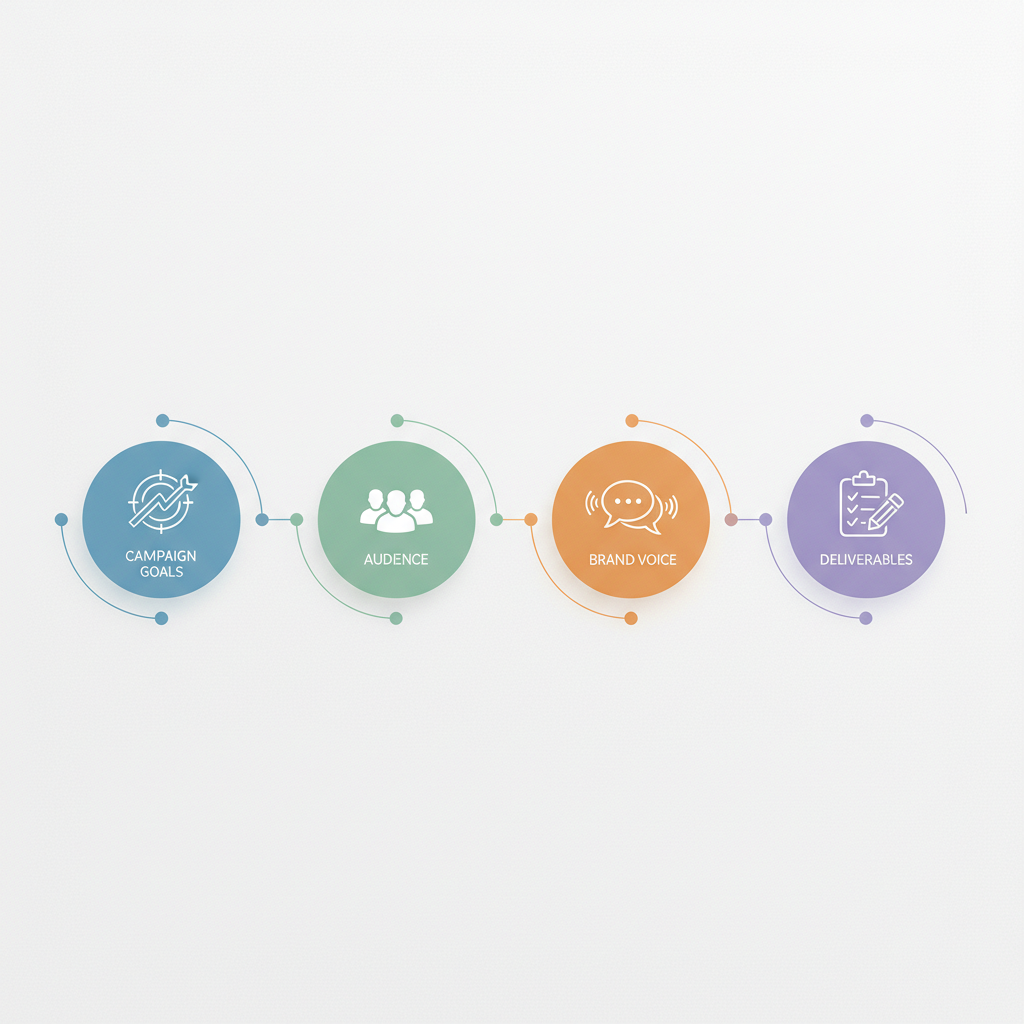
An effective creator brief for UGC ads must encompass several critical elements to guide creators successfully. These elements include a clear overview of the campaign, detailed objectives, a profile of the target audience, specific brand guidelines, messaging points, and precise deliverable requirements. By addressing these components comprehensively, brands can empower creators to produce highly relevant and impactful content that drives desired actions. This thoroughness ensures that every piece of user-generated content contributes meaningfully to the overall campaign strategy.
Setting Clear Campaign Objectives and Target Audience
Clearly defining campaign objectives is paramount. Are you aiming for brand awareness, lead generation, sales conversions, or engagement? Specifying these goals helps creators understand the ultimate purpose of their content. Equally important is detailing the target audience. Creators need to know who they are speaking to – their demographics, interests, pain points, and aspirations. This information enables creators to tailor their content, tone, and style to genuinely connect with the intended viewers. For instance, a brief might specify that the content should appeal to “Gen Z individuals interested in sustainable fashion,” guiding the creator on visual style and language.
Providing Brand Guidelines and Messaging
Brand guidelines are non-negotiable in any creative brief. These should cover your brand’s voice, tone, visual identity (colors, fonts, logos), and any specific “do’s and don’ts” regarding representation. Messaging points are also crucial, outlining the key benefits, unique selling propositions, or specific calls to action that need to be communicated. This section ensures that while creators maintain their authentic voice, their content remains on-brand and reinforces your core message. It helps maintain brand consistency across all user-generated content, preventing off-brand messaging or visuals.
Specifying Deliverables and Technical Requirements
This section details exactly what content is expected from the creator. This includes the number of videos, images, or written posts, their required length or word count, and the specific platforms for publication. Technical requirements are equally important, covering aspect ratios, resolution, file formats, and any specific editing styles or music preferences. For example, a brief might request “two 15-second vertical videos for Instagram Stories, 1080p resolution, with upbeat, royalty-free music.” Providing this level of detail minimizes confusion and ensures creators deliver content that is ready for immediate use. For brands seeking to optimize their content creation and broader marketing efforts, exploring comprehensive Digital Marketing Services can provide significant strategic advantages.
Developing a Powerful UGC Video Script Template
A well-structured UGC video script template is indispensable for guiding creators in producing compelling and effective video content. This template provides a framework that ensures key messages are conveyed, calls to action are clear, and the overall narrative flows seamlessly. It empowers creators to focus on their unique delivery while adhering to the brand’s strategic objectives, resulting in authentic yet targeted video advertisements. For more insights, check out our guide on Digital Marketing Services.
Structuring Your UGC Video Narrative Effectively
An effective UGC video narrative typically follows a clear, concise structure designed to capture attention and drive engagement quickly. A common structure includes:
- Hook (First 1-3 seconds): Immediately grab the viewer’s attention with a relatable problem, an intriguing question, or a visually appealing moment.
- Problem/Pain Point: Briefly introduce the challenge or need that your product or service addresses.
- Solution/Product Introduction: Showcase your product as the answer to the problem, highlighting its key features or benefits.
- Demonstration/Proof: Show the product in action, illustrating its use cases and effectiveness. This is where authentic user experience shines.
- Call to Action (CTA): Clearly instruct the viewer on the next step, such as “Shop now,” “Learn more,” or “Download the app.”
This structure ensures that even short-form UGC videos deliver a complete and persuasive message, guiding the creator on pacing and content segments.
Incorporating Calls to Action and Product Placements
Strategic incorporation of calls to action (CTAs) and product placements is vital for a UGC video’s success. CTAs should be explicit, easy to understand, and appear at logical points in the video, often towards the end. Examples include verbal CTAs (“Click the link in my bio!”) or on-screen text overlays. Product placements should feel natural and integrated into the creator’s narrative, rather than forced. Creators should be encouraged to showcase the product genuinely within their daily lives or routines, demonstrating its practical value. For instance, a creator might naturally use a skincare product in their morning routine or highlight features of a gadget they genuinely enjoy. The brief should specify where and how the product should be featured to maximize its impact without compromising authenticity.
Best Practices for a Comprehensive User Generated Content Ad Brief
Crafting a comprehensive user generated content ad brief involves more than just listing requirements; it’s about fostering clarity, collaboration, and creativity. Best practices dictate that the brief should be easy to understand, provide sufficient creative freedom, and establish clear communication channels for feedback and revisions. Adhering to these principles ensures that creators feel supported and empowered to produce their best work, leading to more impactful and authentic UGC ads.
Ensuring Clarity and Conciseness in Your Brief
A common pitfall in brief writing is overwhelming creators with excessive information or ambiguous instructions. A comprehensive user generated content ad brief should be clear, concise, and to the point. Use bullet points, numbered lists, and bold text to highlight crucial information. Avoid jargon or overly technical language where simpler terms suffice. Each section should have a specific purpose and provide only the necessary details. For example, instead of a lengthy paragraph on brand voice, provide 3-5 keywords that describe the desired tone (e.g., “friendly, informative, enthusiastic”). This approach respects the creator’s time and reduces the chance of misinterpretation, allowing them to quickly grasp the core message and requirements.
Managing Revisions and Feedback Loops with Creators
Effective management of revisions and feedback is crucial for successful UGC campaigns. The brief should clearly outline the revision process, including:
| Aspect | Description |
|---|---|
| Number of Revisions | Specify how many rounds of revisions are included (e.g., “1-2 rounds of minor revisions”). |
| Feedback Method | Indicate the preferred communication channel (e.g., “email,” “project management tool comments”). |
| Feedback Timeline | Set clear deadlines for providing feedback (e.g., “feedback within 48 hours of submission”). |
| Scope of Revisions | Define what constitutes a minor vs. major revision to prevent scope creep. |
Establishing these guidelines upfront helps manage expectations and ensures a smooth workflow. Providing constructive, specific feedback rather than vague comments also empowers creators to make targeted improvements, fostering a more collaborative and efficient creative process. This transparency builds trust and encourages creators to deliver high-quality content that meets brand expectations.
Implementing Robust Creator Content Guidelines for Brand Safety
Implementing robust creator content guidelines is paramount for protecting brand safety and ensuring all user-generated content aligns with your brand’s values and legal requirements. These guidelines act as a protective layer, outlining acceptable and unacceptable content, safeguarding your brand’s reputation, and maintaining a positive public image. They provide creators with clear boundaries, allowing them to exercise creativity within a defined and safe framework.
Establishing Do’s and Don’ts for UGC Creation
A critical component of any comprehensive brief is a clear list of do’s and don’ts for UGC creation. This section explicitly details what types of content are encouraged and, more importantly, what is strictly prohibited.
Do’s:
* Embrace authenticity and genuine enthusiasm for the product.
* Showcase the product in real-life scenarios relevant to the target audience.
* Maintain a positive and respectful tone.
* Adhere to all brand visual identity guidelines (logo placement, color palette, etc.).
* Focus on the specified key messages and benefits.
Don’ts:
* Avoid making unsubstantiated claims or guarantees about the product.
* Do not feature competitors’ products or services.
* Refrain from using offensive, discriminatory, or inappropriate language or imagery.
* Do not engage in dangerous or illegal activities while showcasing the product.
* Avoid misrepresenting the product’s features or benefits.
* Do not include copyrighted music or visuals without proper licensing.
These clear directives minimize risks and ensure that all content produced reflects positively on the brand.
Legal Considerations and Rights Management
Beyond creative guidelines, legal considerations and rights management are crucial. The user generated content ad brief should clearly state how the brand intends to use the content and what rights are being acquired from the creator. This typically involves a content usage agreement or a clause within the brief itself. Key legal aspects to cover include:
* Content Ownership: Clarify whether the brand gains full ownership or a perpetual license to use the content.
* Usage Rights: Specify the platforms, duration, and territories where the content will be used (e.g., “worldwide, perpetual license for all digital marketing channels”).
* Disclosures: Remind creators of their obligation to disclose sponsored content according to regulatory guidelines (e.g., FTC guidelines in the US, ASA in the UK).
* Model Releases: If other individuals appear in the content, ensure the creator obtains necessary model releases.
* Music Licensing: Emphasize the use of royalty-free or properly licensed music to avoid copyright infringement.
Addressing these legalities upfront protects both the brand and the creator, establishing a transparent and compliant framework for content usage.
FAQ: UGC Creative Brief Template
What is a UGC creative brief template?
A UGC creative brief template is a document that provides clear instructions and guidelines to content creators for producing user-generated content (UGC) that aligns with a brand’s marketing objectives and campaign requirements. It ensures consistency and quality across all creator submissions.
Why is a creator brief for UGC ads important?
A creator brief for UGC ads is crucial because it sets expectations, defines campaign goals, outlines brand guidelines, and specifies deliverables. This prevents miscommunication, reduces revisions, and helps creators produce authentic, high-performing ads that resonate with the target audience.
What should a UGC video script template include?
A UGC video script template should include a clear narrative structure (hook, problem, solution, CTA), key messaging points, desired product placements, and technical specifications like video length and aspect ratio. It guides creators in crafting engaging and effective video content.
How does a user generated content ad brief ensure brand consistency?
A user generated content ad brief ensures brand consistency by providing detailed brand guidelines, including voice, tone, visual identity, and messaging. It outlines specific “do’s and don’ts” that creators must follow, ensuring their content reflects the brand’s image accurately.
What are creator content guidelines?
Creator content guidelines are specific rules and recommendations provided to content creators, detailing acceptable and unacceptable content for a brand. They cover ethical considerations, legal requirements, brand safety measures, and technical specifications to maintain content quality and integrity.
How often should I update my UGC creative brief template?
You should update your UGC creative brief template regularly, ideally after each major campaign or at least quarterly. This ensures it remains current with evolving marketing strategies, platform requirements, and any new brand guidelines or legal compliance standards.
A well-crafted UGC creative brief template is the backbone of any successful user-generated content strategy. It serves as an indispensable guide, transforming vague ideas into actionable instructions for creators. By clearly outlining campaign objectives, target audience insights, brand guidelines, and technical specifications, brands can ensure that every piece of content produced is authentic, engaging, and aligned with their marketing goals. The process of developing a robust creator brief for UGC ads not only streamlines content creation but also fosters stronger relationships with creators, leading to more consistent and impactful results.
Key takeaways for optimizing your UGC efforts include:
* Prioritize clarity and conciseness in all instructions.
* Provide comprehensive brand and creator content guidelines.
* Utilize a structured UGC video script template for video campaigns.
* Establish clear communication channels for feedback and revisions.
* Address all legal and usage rights upfront in your user generated content ad brief.
Embrace the power of a detailed brief to unlock the full potential of user-generated content and drive unparalleled engagement and growth for your brand. Start refining your template today to empower your creators and elevate your campaigns.