
Visual Search Optimization Strategy for Google Lens and Pinterest

Visual Search Optimization Strategy For Google Lens And Pinterest
In today’s visually-driven digital landscape, implementing a robust visual search optimization strategy for Google Lens and Pinterest is no longer optional for brands aiming for online visibility. Visual search allows users to find information using images instead of text, fundamentally changing how consumers discover products and content. This innovative technology, powered by artificial intelligence, offers a powerful avenue for e-commerce businesses to enhance product discoverability and reach a wider audience. Understanding and leveraging platforms like Google Lens and Pinterest is crucial for any brand looking to stay competitive and capture the attention of modern shoppers.
Understanding Visual Search: Why It Matters for Your Brand
Visual search empowers users to initiate searches using images, making it paramount for brands to understand how to optimize product images for visual search and AI discovery. This technology transforms how consumers interact with the world around them, allowing them to identify products, learn more about objects, and even make purchases directly from an image. For businesses, this means a new frontier for organic traffic and sales.
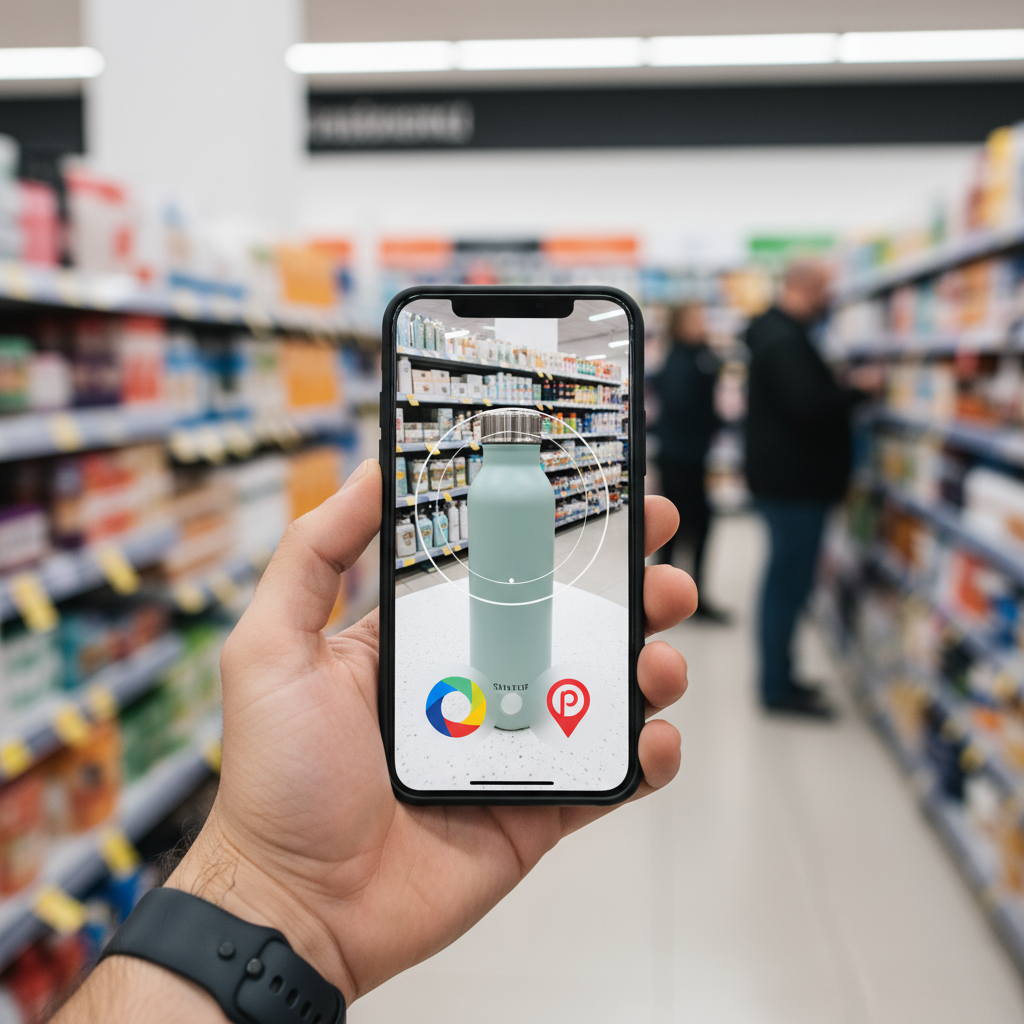
The shift towards visual queries highlights the importance of high-quality, well-optimized imagery across all digital touchpoints. Brands that prioritize their image assets will be better positioned to capture the attention of users actively seeking products and information through visual means. This proactive approach ensures your offerings are visible where customers are looking.
What is Visual Search and How Does it Work?
Visual search is a technology that uses artificial intelligence and machine learning to interpret the content of an image and return relevant search results. Instead of typing keywords, users can upload an image or point their camera at an object. The AI analyzes visual elements like shape, color, texture, and patterns to match it with similar items or provide information. This process mimics human perception but at a much faster and more accurate rate.
The Rise of AI Discovery in E-commerce
AI discovery in e-commerce is revolutionizing how consumers find products, moving beyond traditional text-based searches to intelligent recommendations and visual recognition. AI algorithms analyze vast amounts of data, including user behavior, product attributes, and visual cues, to present highly personalized and relevant product suggestions. This enhances the shopping experience by making discovery more intuitive and engaging. Brands can leverage this trend by ensuring their product images are rich in detail and context, enabling AI systems to accurately categorize and recommend their items. Optimizing images for AI discovery is key to unlocking new avenues for customer engagement and sales growth.
Crafting a Google Lens Product SEO Strategy for E-commerce Brands
Developing a robust Google Lens product SEO strategy for ecommerce brands involves optimizing your product imagery and associated data to ensure maximum visibility within Google’s visual search ecosystem. By focusing on high-quality images, structured data, and relevant context, brands can significantly improve their chances of appearing in Google Lens results. This strategic approach helps users discover your products directly from images they encounter online or in the physical world. For more insights, check out our guide on Digital Marketing Services.

Effective optimization for Google Lens goes beyond just having good pictures; it requires a holistic understanding of how Google’s AI interprets visual information. Brands must consider every element that contributes to an image’s discoverability. This includes technical aspects of the image files themselves, as well as the surrounding content on the product page.
Essential Image Optimization Techniques for Google Lens
To effectively optimize product images for Google Lens, focus on several key areas. First, ensure images are high-resolution and well-lit, showcasing products clearly from multiple angles. Use clean, white backgrounds where appropriate to minimize distractions and highlight the product itself. Filenames should be descriptive and keyword-rich, accurately reflecting the product shown. Compressing image files without sacrificing quality is also vital for fast loading times, which positively impacts user experience and SEO. Finally, ensure images are served responsively, adapting to various screen sizes for optimal viewing on any device.
Structured Data and Product Schema for Google Lens Ranking
Structured data and product schema are critical components of a successful Google Lens strategy, providing search engines with explicit information about your products. Implementing schema markup, such as `Product` and `Offer` types, directly tells Google about the product’s name, price, availability, reviews, and other key attributes. This rich data helps Google Lens accurately identify and categorize your products, making them more likely to appear in relevant visual search results. Correctly applied schema can significantly boost your product’s visibility and click-through rates.
Mastering Pinterest Visual Search Optimization for Product Discoverability
To achieve superior Pinterest visual search optimization for product discoverability, brands must focus on creating compelling, high-quality pins that are rich in relevant keywords and visual context. Pinterest functions as a powerful visual discovery engine where users actively seek inspiration and products, making it an indispensable platform for e-commerce. Optimizing your presence here means more than just uploading pretty pictures; it involves a strategic approach to pin creation and metadata.
Pinterest’s visual search capabilities allow users to explore related ideas simply by selecting a portion of an image. This feature, known as Pinterest Lens, underscores the importance of well-defined and contextually relevant imagery. Brands that invest in understanding Pinterest’s algorithm and user behavior will unlock significant opportunities for product exposure. We offer comprehensive Digital Marketing Services that can help you navigate these complex platforms and maximize your visual search potential.
Pin Optimization Best Practices for Enhanced Visibility
Optimizing your pins for enhanced visibility on Pinterest involves a multi-faceted approach. Start with high-quality, vertical images (2:3 aspect ratio is ideal) that are visually appealing and clearly showcase your products. Write descriptive, keyword-rich pin titles and descriptions that naturally incorporate relevant search terms. Utilize all 20 available Pinterest boards, categorizing your pins logically. Consistent pinning, engaging with other users, and leveraging relevant hashtags further boost visibility. Remember, Pinterest is about inspiration, so make your pins aspirational and actionable.
Leveraging Rich Pins and Catalogs for Pinterest Success
Leveraging Rich Pins and Pinterest Catalogs is essential for e-commerce brands aiming for Pinterest success. Rich Pins automatically pull real-time information from your website, such as product prices, availability, and descriptions, directly onto the pin. This provides users with up-to-date and valuable context, increasing trust and conversion rates. Pinterest Catalogs allow businesses to upload their entire product feed, turning all products into shoppable pins. This streamlines the process of getting your inventory onto Pinterest, making it easier for users to discover and purchase your items through visual search.
Implementing an Image Alt Text and Metadata Strategy for Visual AI Search Ranking
An effective image alt text and metadata strategy for visual AI search ranking is fundamental for ensuring your product images are understood and indexed correctly by search engines and visual AI tools. Alt text and other metadata provide crucial textual context for images, which AI systems rely on to interpret visual content. Without proper metadata, even the most stunning images may remain undiscoverable in visual searches.
This strategy extends beyond basic SEO to encompass accessibility and a deeper level of machine readability. By meticulously crafting alt text and embedding comprehensive metadata, brands can bridge the gap between visual content and textual understanding. This makes your images more accessible to users with visual impairments and significantly improves their chances of ranking in visual search results.
Writing Effective Alt Text for Accessibility and SEO
Effective alt text serves a dual purpose: enhancing accessibility for visually impaired users and providing valuable SEO signals to search engines. Alt text should be descriptive, concise, and accurately portray the image content. For product images, include the product name, key features, and relevant keywords naturally. Avoid keyword stuffing, as this can be detrimental to both user experience and search ranking. Good alt text describes what’s in the image, allowing search engines and screen readers to understand its context.
Beyond Alt Text: Comprehensive Image Metadata
Beyond alt text, a comprehensive image metadata strategy involves leveraging various data points to enhance visual AI search ranking. This includes descriptive filenames, captions, and structured data associated with the image. EXIF data, which includes information like camera settings and creation date, can also provide context, though its direct SEO impact is debated. More importantly, ensure that the surrounding content on the page, including headings and body text, is relevant to the image. This holistic approach helps AI algorithms fully grasp the image’s meaning and relevance.
| Metadata Type | Purpose for Visual Search | Best Practices |
|---|---|---|
| Alt Text | Describes image for accessibility & SEO. | Descriptive, concise, keyword-rich (natural). |
| Filenames | Provides initial keyword context to search engines. | Use hyphens, be descriptive (e.g., `red-leather-handbag.jpg`). |
| Captions | Adds human-readable context below the image. | Engaging, informative, can include keywords. |
| Structured Data | Explicitly tells search engines about image content (e.g., Product Schema). | Implement `ImageObject` and `Product` schema where applicable. |
| Surrounding Text | Provides contextual relevance for the image. | Ensure text on page relates directly to image content. |
Technical SEO Considerations for Visual Search Success
Technical SEO considerations are paramount for ensuring your images are discoverable and rank well in visual search results. Even the most visually appealing and well-described images will struggle if underlying technical issues prevent search engines from crawling, indexing, or understanding them. A strong technical foundation is the backbone of any successful visual search optimization strategy for Google Lens and Pinterest. This involves optimizing your website’s infrastructure to support efficient image processing by search engines.
Addressing technical aspects ensures that your images are not only found but also presented in the best possible light across various visual search platforms. This includes optimizing for speed, mobile responsiveness, and providing clear instructions to search engine bots. Neglecting these technical elements can severely limit the reach and impact of your visual content.
Site Speed and Mobile-First Indexing for Image Search
Site speed and mobile-first indexing are critical factors for image search performance, as search engines prioritize fast, mobile-friendly experiences. Slow-loading images can deter users and negatively impact rankings. Optimize image file sizes, use next-gen formats like WebP, and implement lazy loading to improve page speed. Since Google primarily uses the mobile version of content for indexing, ensuring your images display correctly and load quickly on mobile devices is non-negotiable for visual search success.
XML Sitemaps and Robot.txt for Image Crawling
XML sitemaps and the robots.txt file play crucial roles in guiding search engine crawlers to your images and instructing them on what to index. An image XML sitemap specifically lists all your image URLs, helping search engines discover and index them more efficiently, especially for images not directly linked in the main HTML. Conversely, the robots.txt file can be used to prevent crawlers from accessing certain images or directories, ensuring only valuable content is indexed. Properly configuring these files ensures your visual assets are discoverable and correctly managed by search engines.
What is visual search optimization?
Visual search optimization is the process of enhancing images and their associated metadata to improve their visibility and ranking in visual search engines like Google Lens and Pinterest. It involves technical, on-page, and off-page SEO strategies tailored for image content, aiming to make products and content discoverable through image-based queries. This helps brands reach users who prefer visual discovery.
How important is image quality for visual search?
Image quality is extremely important for visual search. High-resolution, clear, and well-lit images allow AI algorithms to accurately identify and categorize products. Poor quality images can lead to misidentification or being overlooked entirely, hindering discoverability. Investing in professional photography is a foundational step for any visual search strategy.
Can visual search impact my e-commerce sales?
Yes, visual search can significantly impact e-commerce sales by creating new pathways for product discovery. When users can find products by simply taking a photo or uploading an image, it shortens the sales funnel and provides a more intuitive shopping experience. Brands that optimize for visual search are better positioned to capture these ready-to-buy customers.
What role does structured data play in Google Lens SEO?
Structured data, particularly product schema, plays a vital role in Google Lens SEO by providing explicit context to Google’s AI about your products. It helps Google Lens understand details like price, availability, and reviews, making your products more likely to appear in rich results and relevant visual searches. This enhances visibility and click-through rates.
How often should I update my Pinterest pins for visual search?
For optimal Pinterest visual search performance, it’s beneficial to consistently create and update pins. While there’s no strict daily rule, maintaining a regular pinning schedule (e.g., several times a week) with fresh, high-quality content helps keep your profile active and discoverable. Repurposing existing content with new visuals or descriptions can also be effective.
Are there specific image file formats best for visual search?
While common formats like JPG and PNG are widely supported, next-generation formats such as WebP are increasingly recommended for visual search optimization. WebP offers superior compression without significant quality loss, leading to faster loading times. This improves user experience and is favored by search engines, contributing positively to visual search ranking.
The landscape of online discovery is rapidly evolving, with visual search emerging as a dominant force. By strategically optimizing your images and associated data for platforms like Google Lens and Pinterest, your brand can unlock unprecedented levels of product discoverability and customer engagement.
Key takeaways for a successful visual search strategy include:
* Prioritizing high-quality, contextually rich product imagery.
* Implementing comprehensive structured data and schema markup.
* Crafting descriptive alt text and robust image metadata.
* Ensuring technical SEO fundamentals like site speed and mobile responsiveness are in place.
* Consistently creating and optimizing content for visual platforms.
Embracing these principles will not only enhance your visibility in visual search results but also future-proof your digital marketing efforts in an increasingly image-centric world. Start refining your visual content today to connect with your audience where they are discovering next.
