
Wearable Technology Marketing Strategy For Health And Fitness Bra
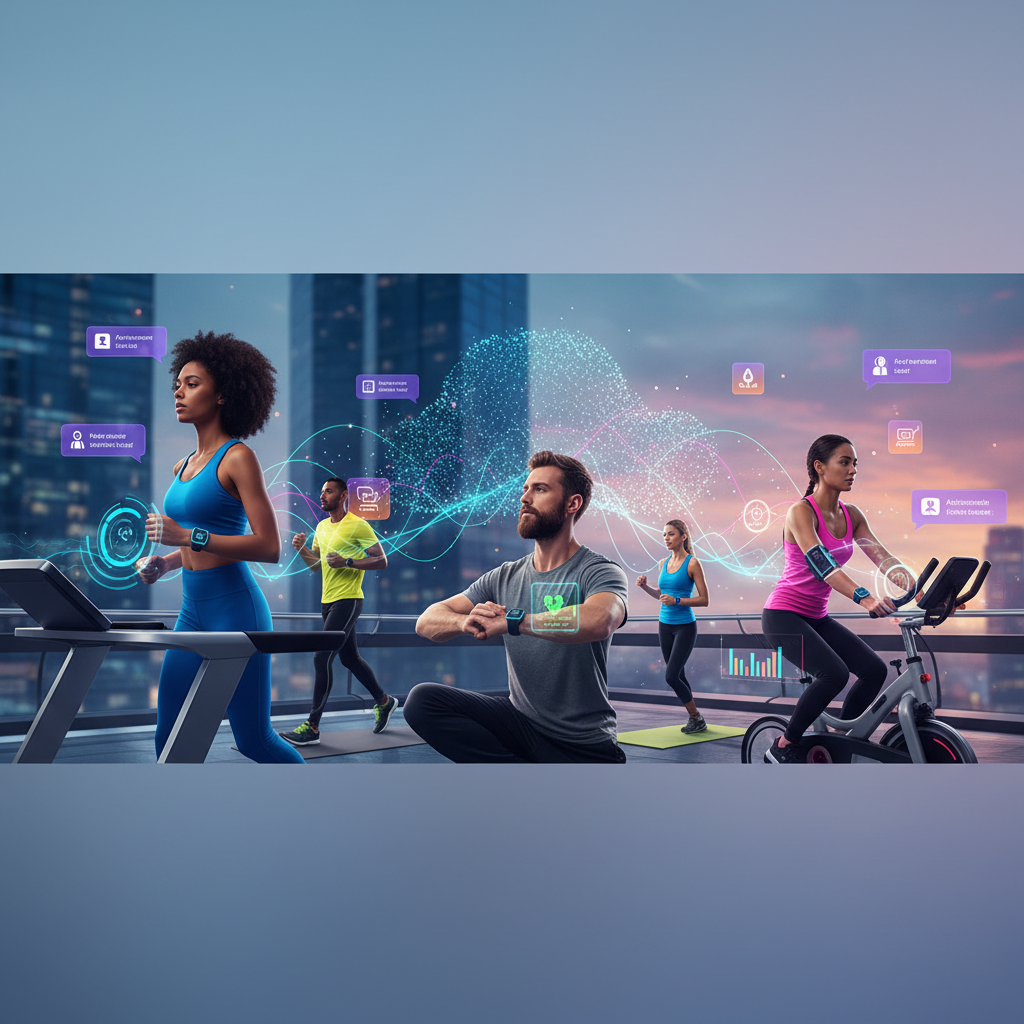
The landscape of health and fitness is continually reshaped by wearable technology marketing strategy for health and fitness brands. As smartwatches, fitness trackers, and other biometric devices become ubiquitous, understanding how to effectively reach and engage users is crucial for brand success. This article explores cutting-edge strategies for 2026, focusing on data-driven personalization, ethical considerations, and leveraging advanced AI to connect with a health-conscious audience. Brands must adapt their marketing efforts to harness the rich insights provided by these devices, moving beyond traditional advertising to create truly impactful and relevant user experiences.
Leveraging Biometric Data for Hyper-Personalized Marketing Campaigns
Hyper-personalized marketing campaigns for health and fitness brands effectively utilize biometric data by tailoring content, product recommendations, and motivational messages based on individual user health metrics and activity patterns. This approach moves beyond demographic segmentation, offering a truly unique experience for each wearable device user. Biometric data, defined as measurable biological and behavioral characteristics, includes heart rate, sleep patterns, activity levels, and calorie expenditure captured by devices like smartwatches and fitness trackers.
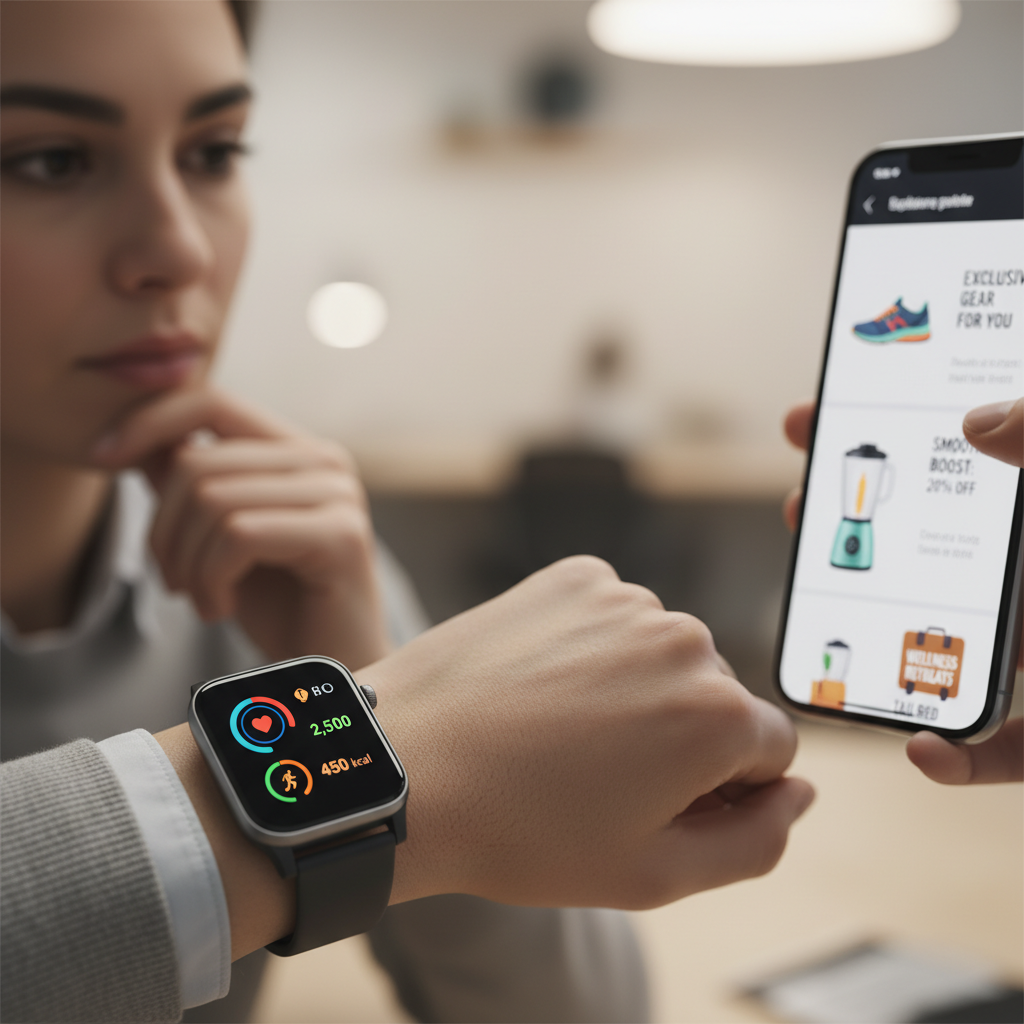
Brands can create highly relevant content by analyzing this data. For instance, a user consistently showing low activity might receive targeted content on beginner workout routines. Someone with high-stress indicators could be offered mindfulness exercises or sleep improvement tips. This level of personalization fosters a deeper connection between the user and the brand, increasing engagement and loyalty. The key is to interpret the data to understand user needs and preferences in real-time.
Understanding Biometric Data for Targeted Messaging
Understanding biometric data involves collecting, analyzing, and interpreting physiological and behavioral metrics from wearable devices to inform marketing decisions. This process allows brands to identify patterns and predict user needs more accurately. For example, consistent sleep deprivation detected by a fitness tracker could trigger an offer for a guided meditation app or a premium mattress. Similarly, a user regularly hitting high-intensity workout goals might be targeted with advanced sports nutrition products or performance apparel. By segmenting users based on their actual health and fitness behaviors, brands can deliver messages that resonate immediately. This precision reduces marketing waste and enhances the perceived value of the brand’s offerings.
Implementing Dynamic Content Based on Real-Time Health Metrics
Implementing dynamic content based on real-time health metrics involves automatically adjusting marketing messages and offers as a user’s biometric data changes. This ensures that the content remains relevant and timely. Imagine a user’s heart rate variability indicating high stress; a brand could instantly serve an ad for a stress-reduction program or a calming playlist. Conversely, if a user achieves a new personal best in a run, they might receive a congratulatory message alongside a discount on recovery supplements. This real-time responsiveness makes the marketing feel less like an advertisement and more like a helpful, personalized assistant. It creates an ongoing dialogue with the user, driven by their current health status and fitness journey.
Crafting an Effective Apple Watch and Fitness Tracker Marketing Touchpoint Strategy
An effective Apple Watch and fitness tracker marketing touchpoint strategy involves identifying and optimizing every interaction point a user has with their device, from app notifications to in-app content, to seamlessly integrate brand messaging. This strategy recognizes that wearable devices are deeply personal and frequently accessed, offering unique opportunities for engagement. Brands must consider the context of these interactions, ensuring messages are brief, valuable, and non-intrusive.
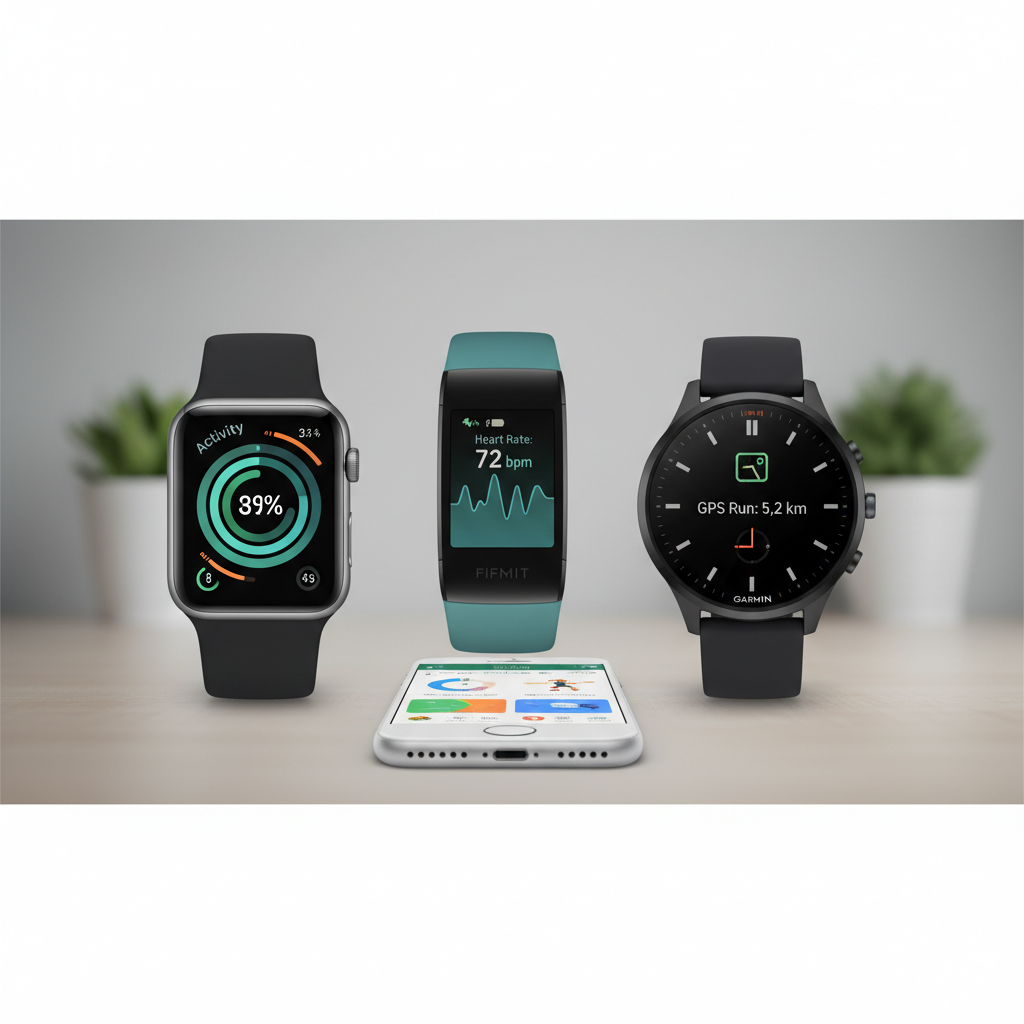
For instance, leveraging the Apple Health app or Google Fit integration allows brands to present their offerings within the user’s existing health ecosystem. Push notifications, when used judiciously, can serve as powerful reminders or motivators. In-app challenges, personalized coaching tips, or progress reports delivered directly to the wearable can significantly boost user engagement. The goal is to become an indispensable part of the user’s daily health routine, rather than an external advertiser. This requires a deep understanding of how users interact with their devices throughout the day.
Optimizing In-App Experiences for Wearable Device Users
Optimizing in-app experiences for wearable device users means designing app features and content specifically for the smaller screens and limited interaction capabilities of smartwatches and fitness trackers. This ensures a seamless and intuitive user journey. For example, a workout app might offer quick-start options directly from the watch face, or display essential metrics in large, easy-to-read fonts during an activity. Nutrition apps could provide quick logging features or reminders directly on the wrist. The focus should be on delivering immediate value and essential information without requiring users to pull out their phones. This optimization enhances convenience and integrates the brand more deeply into the user’s active lifestyle.
Leveraging Push Notifications and Device Integrations for Engagement
Leveraging push notifications and device integrations for engagement involves strategically using alerts and connecting with native health platforms to deliver timely and relevant brand messages. Push notifications, if personalized and infrequent, can remind users of upcoming workouts, celebrate milestones, or offer tips based on their recent activity. Integrating with platforms like Apple Health or Google Fit allows brands to access a broader view of a user’s health data (with explicit consent) and offer more holistic solutions. For example, a hydration app could send a reminder based on activity levels detected by a fitness tracker. These integrations create a richer data ecosystem, enabling more intelligent and useful brand interactions.
How to Market to Wearable Device Users with Contextual AI Targeting
Marketing to wearable device users with contextual AI targeting involves using artificial intelligence to analyze real-time user data and environmental factors to deliver highly relevant and timely advertisements or content. This advanced approach moves beyond simple demographic targeting, focusing on the user’s immediate situation and needs. Contextual AI targeting considers factors such as location, time of day, current activity, and even weather conditions, alongside biometric data.
For example, if a user’s fitness tracker indicates they are out for a run in a park, contextual AI could trigger an ad for a nearby healthy smoothie bar or a new running shoe model, displayed on their phone or even a smart display in their home. If a user is identified as being at home late at night with elevated stress levels, an AI might suggest a meditation app or a sleep aid product. This precision ensures that marketing messages are not only personalized but also delivered at the most opportune moment, increasing their effectiveness and reducing user annoyance. Brands can significantly improve their return on investment by reaching users when they are most receptive to a particular message or offer.
Utilizing AI for Real-Time Behavioral Analysis
Utilizing AI for real-time behavioral analysis means employing artificial intelligence algorithms to continuously monitor and interpret user interactions with wearable devices and their environment. This allows for immediate identification of patterns and triggers for marketing actions. AI can detect changes in activity levels, sleep quality, stress indicators, or even subtle shifts in routine. For instance, if a user consistently skips morning workouts, AI could identify this pattern and suggest alternative evening classes or motivational content. This proactive analysis enables brands to intervene with helpful suggestions or relevant offers before a user disengages or faces a challenge. The insights gained are invaluable for refining marketing strategies dynamically.
Developing AI-Powered Content Personalization Engines
Developing AI-powered content personalization engines involves building systems that use artificial intelligence to automatically generate or select marketing content tailored to individual wearable device users. These engines learn from past interactions, biometric data, and contextual information to predict what content will be most engaging. For example, an AI engine might determine that a particular user responds well to video tutorials for strength training, while another prefers blog articles on nutrition. It can then dynamically serve these preferred content types. This capability allows health and fitness brands to scale their personalization efforts without manual intervention, ensuring every user receives content that feels uniquely crafted for them, driving deeper engagement and fostering loyalty. For more information on how such advanced digital marketing services can transform your brand, explore our Next-Gen Services.
Developing a Wearable Health Data-Driven Marketing Strategy for Wellness Brands
Developing a wearable health data driven marketing strategy for wellness brands involves systematically collecting, analyzing, and applying insights from user health data to inform all aspects of marketing, from product development to campaign execution. This strategy centers on understanding the holistic well-being of the target audience, not just their fitness levels. Wellness brands, encompassing areas like mental health, nutrition, sleep, and stress management, can leverage data from wearables to offer highly relevant and impactful solutions.
For example, if data reveals a significant portion of the target audience experiences poor sleep quality, a wellness brand could launch a campaign promoting sleep-tracking features, guided meditation apps, or natural sleep aids. If stress levels are consistently high, content focused on mindfulness, stress-reducing supplements, or virtual therapy services could be prioritized. This data-driven approach ensures that marketing efforts are not based on assumptions but on tangible evidence of user needs. It allows brands to position themselves as true partners in their customers’ wellness journeys, building trust and credibility.
Identifying Key Health Metrics for Wellness Product Promotion
Identifying key health metrics for wellness product promotion involves pinpointing specific data points from wearable devices that directly correlate with the need or benefit of a wellness product. For instance, a brand selling adaptogens might focus on heart rate variability (HRV) and sleep quality data, as these often reflect stress levels and recovery. A mental wellness app might look at activity levels and social interaction patterns (if available and consented) to identify potential signs of isolation or inactivity. By aligning product benefits with measurable health indicators, brands can create compelling narratives that resonate deeply with users experiencing those specific challenges. This targeted approach ensures that promotional efforts are highly efficient and effective.
Creating Value Propositions Based on Data-Backed Wellness Outcomes
Creating value propositions based on data-backed wellness outcomes involves articulating the benefits of a product or service using evidence derived from aggregated wearable health data. Instead of generic claims, brands can highlight how their offering demonstrably improves specific health metrics. For example, a wellness program might claim, “Users who complete our 8-week program show a 20% improvement in sleep efficiency, as measured by their fitness trackers.” This quantifiable proof builds immense credibility and trust. It shifts the focus from what the product is to what it does for the user, making the value proposition much more compelling. This strategy is particularly powerful in the wellness sector, where tangible results are highly valued.
Ethical Considerations in Biometric Data Marketing Personalization
Ethical considerations in biometric data marketing personalization strategy and ethics 2026 are paramount, requiring brands to prioritize transparency, user consent, and data security to build and maintain trust. The collection and use of sensitive health data demand a robust ethical framework to prevent misuse and protect individual privacy. Without careful adherence to ethical guidelines, personalization efforts can quickly backfire, leading to reputational damage and regulatory penalties.
Brands must clearly communicate what data is being collected, how it will be used, and who will have access to it. Obtaining explicit, informed consent is non-negotiable, ensuring users understand the value exchange. Furthermore, robust security measures are essential to protect this highly sensitive information from breaches. The potential for discrimination or manipulation through highly personalized marketing based on health data also raises significant concerns. For example, tailoring insurance offers based on perceived health risks from wearable data could lead to unfair practices. Brands must establish clear boundaries and internal policies to ensure their personalization strategies are beneficial and empowering for users, not exploitative.
Ensuring Transparency and Obtaining Informed Consent for Data Use
Ensuring transparency and obtaining informed consent for data use means clearly communicating to users exactly what biometric data is being collected from their wearables, how it will be used for marketing personalization, and any third parties involved. This goes beyond simply ticking a box in terms of service. Brands should use plain language, easily accessible privacy policies, and granular control settings that allow users to opt-in or out of specific data uses. Informed consent implies that users fully understand the implications of sharing their health data. This builds a foundation of trust, making users more comfortable with personalization efforts. Without this transparency, brands risk alienating their audience and facing legal challenges.
Balancing Personalization with User Privacy and Data Security
Balancing personalization with user privacy and data security involves finding the optimal point where marketing efforts are highly relevant without infringing on individual rights or exposing sensitive information. This requires implementing strong data encryption, anonymization techniques where possible, and strict access controls. Brands should only collect the data absolutely necessary for their stated marketing objectives and retain it only for as long as required. Regular security audits and compliance with regulations like GDPR and CCPA are crucial. The goal is to create a value exchange where users willingly share data because they trust the brand to protect it and use it responsibly to enhance their experience, rather than exploit it. This delicate balance is fundamental to sustainable marketing in the age of wearable technology.
| Marketing Strategy Aspect | Traditional Approach | Wearable Data-Driven Approach |
|---|---|---|
| Targeting | Demographics, interests, past purchases | Real-time biometric data, activity patterns, health goals |
| Content Personalization | Segmented email lists, A/B testing | Dynamic content generation based on individual health metrics and context |
| Product Recommendations | “Customers also bought” suggestions | Recommendations aligned with current health needs (e.g., sleep aids for poor sleep) |
| Engagement Touchpoints | Email, social media, website | In-app, push notifications on device, contextual AI prompts, device integrations |
| Ethical Considerations | General privacy policies | Explicit informed consent, robust data security, transparency, non-discriminatory practices |
What is contextual AI targeting for wearable device users?
Contextual AI targeting uses artificial intelligence to analyze real-time data like location, activity, and biometric readings from wearable devices. It delivers highly relevant marketing messages or content based on the user’s immediate environment and situation, ensuring timely and impactful engagement. This method personalizes the experience beyond basic demographics.
How can health and fitness brands ethically use biometric data?
Ethical use of biometric data requires transparency about data collection and usage, obtaining explicit informed consent from users, and implementing robust data security measures. Brands must prioritize user privacy, avoid discriminatory practices, and ensure data is used to empower users rather than exploit them. Clear internal policies are essential.
What are effective marketing touchpoints for Apple Watch and fitness trackers?
Effective marketing touchpoints include optimized in-app experiences designed for small screens, judicious use of personalized push notifications, and seamless integration with native health platforms like Apple Health or Google Fit. These touchpoints allow brands to deliver valuable content, challenges, and motivational messages directly to the user’s wrist.
Why is a wearable health data-driven marketing strategy important for wellness brands?
A wearable health data-driven marketing strategy is crucial for wellness brands because it allows them to tailor offerings and communications based on actual user needs and health outcomes. By analyzing metrics like sleep, stress, and activity, brands can create value propositions backed by data, building trust and offering truly relevant solutions for holistic well-being.
How does personalization differ with wearable data compared to traditional methods?
Personalization with wearable data differs significantly by moving beyond general demographics to real-time, individual biometric and behavioral insights. Traditional methods rely on broader segments, while wearable data enables hyper-personalization, delivering content and offers based on a user’s current health status, activity level, and immediate context. This creates a much more relevant experience.
What role does AI play in marketing to wearable device users?
AI plays a critical role by enabling real-time behavioral analysis and powering content personalization engines. It helps brands understand user patterns, predict needs, and deliver contextually relevant messages and offers. AI allows for scaling personalization efforts, ensuring each user receives content uniquely suited to their individual health and fitness journey.
The future of marketing for health and fitness brands is intrinsically linked to the intelligent and ethical utilization of wearable technology. By embracing a data-driven approach, brands can move beyond generic campaigns to create deeply personalized and impactful user experiences.
Key takeaways for success include:
* Hyper-personalization: Leverage biometric data to tailor content and offers to individual user needs and behaviors.
* Strategic Touchpoints: Optimize interactions across Apple Watch, fitness trackers, and integrated health platforms.
* Contextual AI: Employ artificial intelligence to deliver timely and relevant messages based on real-time user context.
* Ethical Foundation: Prioritize transparency, informed consent, and robust data security to build and maintain user trust.
* Value-Driven Outcomes: Focus on creating value propositions backed by demonstrable health and wellness improvements derived from data.
As wearable technology continues to evolve, health and fitness brands that master these strategies will not only attract new users but also foster enduring loyalty by becoming indispensable partners in their customers’ wellness journeys. Start integrating these advanced strategies into your marketing framework to connect more meaningfully with your audience.