

Local SEO For Franchise And Multi-location Businesses In 2026
In 2026, local SEO for franchise and multi-location businesses is more critical than ever, serving as the cornerstone for attracting nearby customers and driving conversions. This specialized form of search engine optimization focuses on improving visibility in local search results, ensuring that individual business locations appear prominently when potential customers search for products or services in their vicinity. For franchises and businesses with numerous branches, mastering local SEO translates directly into increased foot traffic, phone calls, and online engagement, making it an indispensable strategy for sustained growth and market dominance in the competitive digital landscape.
How to Manage Local SEO Across 100-Plus Business Locations Effectively
Managing local SEO across 100-plus business locations requires a centralized, scalable strategy combined with localized execution to ensure each branch ranks optimally in its specific geographic market. This approach allows franchise and multi-location businesses to maintain brand consistency while tailoring their online presence to meet unique local demands. Centralized management often involves a dedicated team or specialized software to oversee listings, reviews, and content across all locations efficiently. For more insights, check out our guide on Digital Marketing Services.

Effective management begins with a robust data infrastructure. Maintaining accurate and consistent information for every location across all online directories is paramount. Inconsistencies can confuse search engines and deter potential customers. A single source of truth for NAP (Name, Address, Phone number) data is essential.
Implementing a Centralized Data Management System for Local SEO
A centralized data management system streamlines the process of updating and distributing accurate business information across hundreds of locations. This system acts as the primary hub for all critical business details, ensuring uniformity and accuracy. It is crucial for businesses looking to manage local SEO across 100-plus business locations.
* Data Standardization: Establish a standardized format for all location data, including business names, addresses, phone numbers, and operating hours.
* API Integrations: Utilize APIs to push data from your central system to various local directories, mapping platforms, and review sites. This automates updates and reduces manual errors.
* Audit and Cleanup: Regularly audit existing listings to identify and correct any discrepancies or outdated information. This ongoing process is vital for maintaining data integrity.
Leveraging Automation Tools for Scalable Local SEO Tasks
Automation is key to scaling local SEO efforts without overwhelming your marketing team. Specialized tools can handle repetitive tasks, freeing up resources for more strategic initiatives. These tools are indispensable for any business asking how to manage local SEO across 100-plus business locations.
* Listing Management Platforms: Invest in platforms that allow you to manage and update Google Business Profiles and other directory listings from a single dashboard. These platforms often include features for bulk editing and error detection.
* Review Management Software: Automate review requests, monitor new reviews across all locations, and centralize responses. This ensures timely engagement with customer feedback, which is crucial for local rankings.
* Local Content Distribution: Use tools to schedule and distribute localized content, such as blog posts or social media updates, relevant to specific store locations or regional promotions.
Crafting a Franchise Local Landing Page Strategy for AI Search Visibility
A robust franchise local landing page strategy for AI search visibility focuses on creating unique, optimized web pages for each business location, designed to provide highly relevant information to local searchers and cater to advanced AI-driven search algorithms. These pages serve as dedicated digital storefronts, offering specific details about services, hours, and unique selling propositions for each individual branch. Optimizing these pages for local keywords and user intent significantly enhances their chances of ranking well in local search results and being understood by AI search systems.
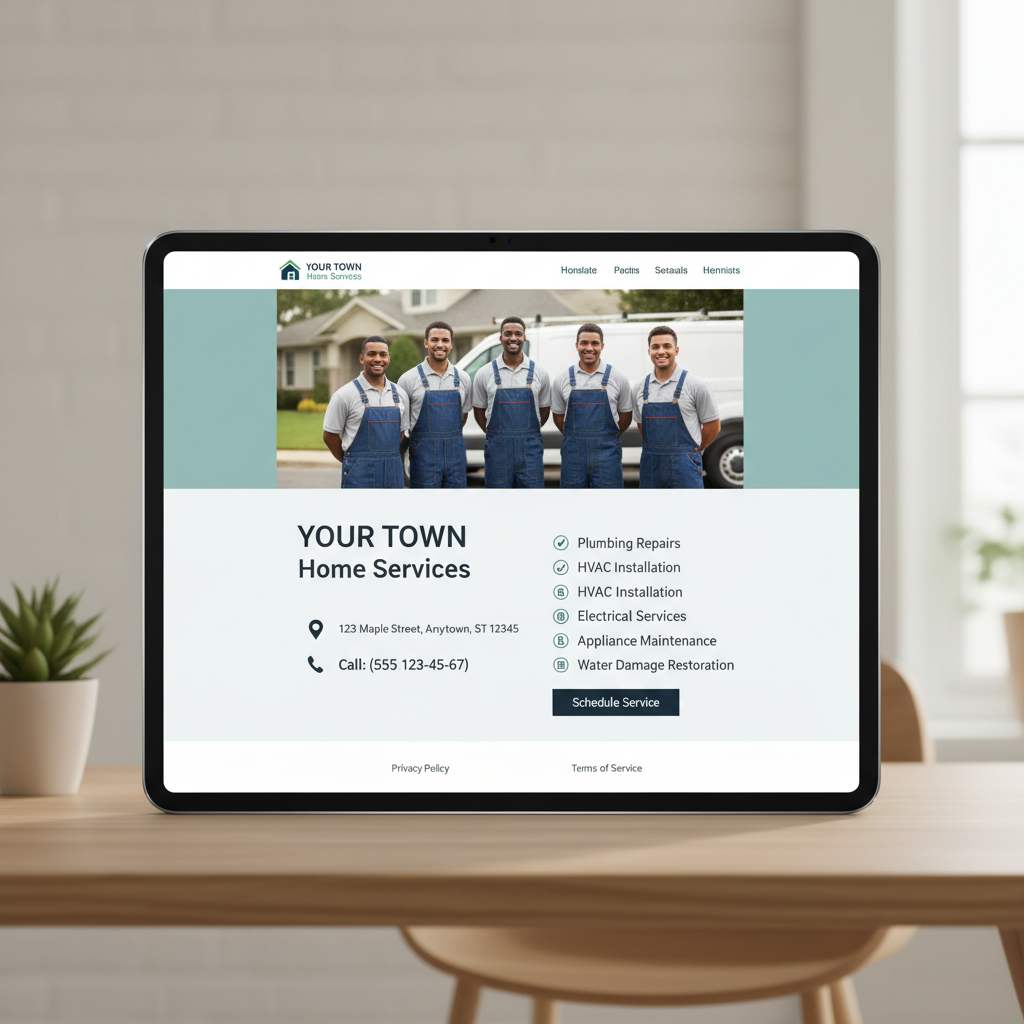
The goal is to create content that not only answers user queries directly but also provides context that AI algorithms can interpret as highly relevant to a specific geographic area. This involves more than just plugging in a city name. It requires a deep understanding of local demographics, common search queries, and competitive landscapes.
Key Elements for High-Performing Local Landing Pages
Effective local landing pages are meticulously designed with specific elements that cater to both human users and AI search algorithms. These elements collectively contribute to a strong franchise local landing page strategy for AI search visibility.
* Unique Local Content: Each page must feature unique, locally relevant content that goes beyond templated descriptions. This includes local testimonials, specific promotions, community involvement, and details about the local team.
* Accurate NAP Information: Clearly display the location’s Name, Address, and Phone number (NAP) in a prominent, crawlable format, preferably in schema markup. This consistency builds trust with search engines and users.
* Optimized for Local Keywords: Incorporate specific local keywords naturally within the content, headings, and meta descriptions. Think about how local customers would search for your services (e.g., “pizza delivery [city name]” or “tire shop near me [zip code]”).
Enhancing Landing Page Visibility with Schema Markup and AI Signals
Schema markup provides structured data that helps search engines understand the content on your local landing pages more effectively. For AI search visibility, this detailed information is invaluable. Implementing proper schema is a core component of a franchise local landing page strategy for AI search visibility.
* LocalBusiness Schema: Implement `LocalBusiness` schema markup to provide search engines with specific details about each location, such as address, phone, hours, reviews, and accepted payment methods. This structured data helps AI interpret your business context.
* FAQ Schema: Include an FAQ section on your landing pages with `FAQPage` schema. This directly answers common questions, making your content more useful for AI-powered answer boxes and featured snippets.
* High-Quality Local Images and Videos: Embed geographically relevant images and videos, such as photos of the local storefront, team, or community events. Ensure these media files are optimized with alt text and captions that include local keywords.
Multi-Location Google Business Profile Management Best Practices
Effective multi-location Google Business Profile management best practices involve a systematic approach to creating, optimizing, and maintaining accurate and engaging profiles for every single business location. A well-managed Google Business Profile (GBP) is fundamental for local search visibility, as it directly impacts how businesses appear in Google Maps, the local pack, and Google Search results. Consistent and up-to-date information across all profiles ensures that potential customers can easily find and interact with the nearest branch.
Google Business Profile is essentially a free tool that allows businesses to manage their online presence across Google, including Search and Maps. For multi-location entities, this means managing potentially hundreds of individual listings, each requiring specific attention to detail. Neglecting GBP management can lead to lost opportunities and frustrated customers.
Centralized Tools for Efficient GBP Management
Managing numerous GBPs manually is impractical and prone to errors. Utilizing centralized tools is a cornerstone of multi-location Google Business Profile management best practices. These tools streamline the process, ensuring consistency and accuracy across the board.
* Google Business Profile Manager: Leverage Google’s own bulk management features within the GBP dashboard to manage multiple locations. This allows for bulk uploads of data, status monitoring, and user management.
* Third-Party Listing Management Platforms: Many platforms offer advanced features for managing GBPs, including scheduling posts, monitoring reviews, and tracking performance metrics across all locations. These often integrate with other directories, offering a holistic view.
* User Access Control: Implement strict user access controls, granting appropriate permissions to local managers for specific tasks (e.g., responding to reviews) while centralizing critical data updates.
Optimizing Each Google Business Profile for Local Search
Beyond basic information, each GBP needs ongoing optimization to maximize its local search potential. This involves strategic content updates and active engagement. This proactive approach is vital for multi-location Google Business Profile management best practices.
* Consistent NAP Information: Ensure the Name, Address, and Phone number are identical across all online platforms, including your website, social media, and other directories. Inconsistencies can harm local rankings.
* Category Selection: Choose the most specific and relevant primary and secondary categories for each location. Accurate categorization helps Google understand your business and show it to the right searchers.
* Regular Posts and Updates: Utilize the “Posts” feature to share news, offers, events, or product updates relevant to each specific location. Regular posting signals activity to Google and provides fresh content for users.
* High-Quality Photos and Videos: Upload numerous high-resolution photos and videos of each location’s exterior, interior, products, and team. Ensure these visuals are appealing and accurately represent the business.
* Service Area Optimization: Clearly define your service areas if your business provides services at customer locations. This helps Google match your business with relevant local searches.
* Q&A Section Management: Monitor and answer questions in the Q&A section promptly. Encourage customers to ask questions, as this adds valuable, user-generated content to your profile.
* Review Management: Actively solicit and respond to customer reviews for each location. Positive reviews and thoughtful responses significantly boost local SEO and build customer trust.
Implementing a Local SEO Reporting Strategy for Franchise Marketing Teams
Implementing a local SEO reporting strategy for franchise marketing teams is essential for demonstrating the return on investment (ROI) of local search efforts and identifying areas for improvement across all locations. A comprehensive reporting strategy provides actionable insights into local search performance, allowing central marketing teams and individual franchisees to understand their impact and make data-driven decisions. Without clear reporting, it becomes challenging to track progress, allocate resources effectively, or justify ongoing SEO investments.
Effective reporting goes beyond simply presenting raw data; it translates complex metrics into understandable narratives that highlight successes and pinpoint challenges. This is particularly important for franchise models where local managers may not have deep SEO expertise.
Key Metrics for Multi-Location Local SEO Reporting
A robust local SEO reporting strategy for franchise marketing teams hinges on tracking specific, relevant metrics that reflect local search performance. These metrics provide a holistic view of how each location is performing.
* Google Business Profile Insights:
* Views: Track how many times your GBP was viewed on Search and Maps.
* Searches: Differentiate between direct searches (brand name) and discovery searches (category/service).
* Actions: Monitor website clicks, phone calls, direction requests, and message interactions.
* Local Ranking Performance:
* Local Pack Rankings: Track positions for key local keywords in the Google local pack.
* Organic Local Rankings: Monitor organic search rankings for localized keywords on individual landing pages.
* Website Traffic:
* Local Landing Page Traffic: Analyze traffic to individual location pages, identifying sources (organic, direct, referral).
* Conversions: Track local-specific conversions such as appointment bookings, contact form submissions, or coupon downloads.
Tools and Best Practices for Consolidated Local SEO Reporting
Consolidating data from numerous locations into coherent reports requires specialized tools and a structured approach. This ensures that the local SEO reporting strategy for franchise marketing teams is efficient and insightful. For comprehensive Digital Marketing Services, an integrated reporting system is often a key component.
* Automated Reporting Dashboards: Utilize platforms that integrate data from Google Business Profile, Google Analytics, and local SEO tools to create automated, customizable dashboards. This provides real-time insights without manual data compilation.
* Benchmarking and Comparisons: Implement benchmarking to compare the performance of individual locations against regional averages or top-performing stores. This helps identify underperforming locations and best practices.
* Regular Reporting Cadence: Establish a consistent schedule for reports (e.g., monthly, quarterly) and tailor the level of detail to the audience. Executive summaries for leadership, detailed reports for marketing teams, and simplified dashboards for franchisees.
* Actionable Insights: Ensure reports don’t just present data but offer clear, actionable recommendations. For example, “Location X has low call volume; consider optimizing its GBP phone number and adding more call-to-action buttons on its landing page.”
* Integration with CRM/POS Data: Where possible, integrate local SEO data with customer relationship management (CRM) or point-of-sale (POS) systems to demonstrate the direct impact of online visibility on offline sales and customer acquisition.
| Reporting Metric Category | Key Performance Indicators (KPIs) | Significance for Franchise/Multi-Location |
|---|---|---|
| Google Business Profile Engagement | Views (Search/Maps), Clicks (Website/Call/Directions), Searches (Direct/Discovery) | Directly measures local visibility and customer interaction with individual branches. Essential for multi-location Google Business Profile management best practices. |
| Local Organic Visibility | Local Pack Rankings, Local Landing Page Rankings, Keyword Performance | Indicates how well individual locations rank for local-specific search queries. Reflects success of franchise local landing page strategy. |
| Website Performance (Local) | Local Landing Page Traffic, Bounce Rate, Time on Page, Local Conversions | Shows user engagement and conversion effectiveness of location-specific web pages. |
| Reputation Management | Average Star Rating, Number of Reviews, Review Sentiment, Response Rate | Crucial for local trust and ranking factors. Impacts customer perception of each location. |
| Competitive Analysis | Local Competitor Rankings, Share of Voice, Review Comparison | Provides context on market position and identifies opportunities for outperforming local rivals. |
Harnessing Local Reviews and Citations for Multi-Location Growth
Harnessing local reviews and citations is paramount for multi-location businesses seeking to enhance their local search rankings, build trust with potential customers, and drive sustained growth across all their branches. Local reviews, particularly on platforms like Google, Yelp, and industry-specific sites, serve as powerful social proof and a direct signal to search engines about the quality and relevance of a business. Citations, which are mentions of a business’s name, address, and phone number (NAP) across various online directories, reinforce consistency and legitimacy, further boosting local SEO efforts.
A strong reputation built on positive reviews can significantly sway customer decisions and improve click-through rates from local search results. For franchises, managing reviews and citations across multiple locations requires a strategic and scalable approach.
Strategies for Generating and Managing Local Reviews at Scale
Generating a consistent stream of positive reviews across numerous locations is a critical component of local SEO. Effective strategies focus on making it easy for customers to leave feedback and actively managing the responses.
* Proactive Review Requests: Implement systems to politely ask customers for reviews at the point of sale, via email follow-ups, or through SMS messages. Provide direct links to the Google Business Profile review section for each specific location.
* Employee Training: Train local staff on the importance of reviews and how to encourage customers to leave feedback. Empower them to ask for reviews naturally as part of the customer service experience.
* Centralized Review Monitoring: Use review management software to monitor all incoming reviews across various platforms for every location. This allows the central team to track sentiment and identify trends.
* Timely and Professional Responses: Respond to all reviews, both positive and negative, promptly and professionally. Thank customers for positive feedback and address negative concerns constructively, offering solutions when appropriate. Personalized responses show that the business values customer opinions.
Building and Maintaining a Robust Local Citation Profile
Citations act as digital breadcrumbs that help search engines confirm the existence and legitimacy of each business location. A robust and consistent citation profile is a fundamental building block for local SEO.
* Foundational Citations: Ensure each location is listed accurately on major data aggregators (e.g., Factual, Infogroup, Neustar Localeze) and top-tier directories like Yelp, Yellow Pages, and industry-specific sites.
* Niche and Industry-Specific Directories: Seek out and secure listings on directories relevant to your specific industry or niche. These often carry more weight with search engines and target a more qualified audience.
* Consistency is Key: Maintain absolute consistency in your NAP information across all citations. Even minor discrepancies (e.g., “St.” vs. “Street”) can confuse search engines and dilute the value of your citations.
* Citation Audit and Cleanup: Regularly audit your existing citations to identify and correct any inconsistencies, duplicates, or outdated information. This ongoing cleanup process is crucial for maintaining a strong and accurate local presence.
* Local Link Building: Beyond standard citations, pursue opportunities for local backlinks from community websites, local news outlets, and partnerships with other local businesses. These links provide additional authority and relevance to your local pages.
What is local SEO for multi-location businesses?
Local SEO for multi-location businesses is the practice of optimizing each physical business location to rank higher in local search results. It ensures that individual branches appear prominently when potential customers search for products or services in their immediate geographic area, driving local traffic and conversions. This strategy is vital for franchises and businesses with numerous physical stores.
How important are Google Business Profiles for franchises?
Google Business Profiles (GBPs) are critically important for franchises as they are the primary way individual locations appear on Google Maps, the local pack, and Google Search. Each location needs its own optimized GBP to showcase accurate information, attract local customers, and manage reviews, directly impacting local visibility and customer engagement.
Can I use a single landing page for all my franchise locations?
No, it is highly recommended to create unique local landing pages for each franchise location. While a single page might seem simpler, dedicated local pages allow for specific local keyword targeting, unique content, and accurate NAP information for each branch, significantly improving local SEO performance and AI search visibility compared to a generic page.
What is a “citation” in local SEO?
In local SEO, a “citation” is any online mention of a business’s Name, Address, and Phone number (NAP), even without a direct link. These mentions appear on directories, social media, and other websites. Consistent and accurate citations across various platforms reinforce the business’s legitimacy and location to search engines, boosting local rankings.
How often should I update my local SEO strategy for multiple locations?
Local SEO for multiple locations is an ongoing process, not a one-time task. You should continuously monitor performance, update Google Business Profiles, refresh local landing page content, and manage reviews regularly. A quarterly review and adjustment of your strategy is a good practice to adapt to algorithm changes and market shifts.
What is the biggest challenge in managing local SEO for 100+ locations?
The biggest challenge in managing local SEO for 100+ locations is maintaining data consistency and accuracy across all online platforms. Inconsistent NAP information, outdated hours, or unmanaged reviews across numerous listings can severely harm local search visibility and customer trust. Centralized management tools and strict data governance are essential to overcome this.
Mastering local SEO is no longer optional for franchise and multi-location businesses; it is a fundamental requirement for growth in today’s digital landscape. By implementing a strategic approach to local search optimization, businesses can unlock significant advantages.
Key takeaways for success include:
* Centralized Management: Employing a unified system to oversee local SEO efforts across all locations ensures consistency and efficiency, especially when managing local SEO across 100-plus business locations.
* Optimized Local Landing Pages: Developing unique, keyword-rich landing pages for each branch is crucial for enhancing franchise local landing page strategy for AI search visibility and attracting local customers.
* Google Business Profile Excellence: Adhering to multi-location Google Business Profile management best practices, including consistent updates and proactive review management, is vital for local visibility.
* Data-Driven Reporting: Establishing a robust local SEO reporting strategy for franchise marketing teams provides invaluable insights, allowing for informed decisions and demonstrating ROI.
* Reputation Management: Actively soliciting and responding to local reviews builds trust and significantly impacts local search rankings.
By focusing on these pillars, multi-location businesses can effectively capture local market share, drive foot traffic, and foster strong community connections. Ready to elevate your local presence and connect with more customers? Explore how a tailored local SEO strategy can transform your business.