

Near-Me Search Optimization Strategy for Local Service Businesses
The near-me search optimization strategy for local service businesses is crucial for attracting customers actively seeking services in their immediate vicinity. This approach focuses on making your business discoverable when potential clients use location-based queries, whether through text or voice search. By mastering local SEO, businesses can significantly increase their visibility, drive foot traffic, and boost conversions. Understanding the nuances of “near me” searches is essential for any local service provider aiming to thrive in today’s competitive digital landscape.
Mastering Local SEO for Near-Me Voice and Text Searches
To effectively rank for “near-me” voice and text searches, businesses must prioritize a comprehensive local SEO strategy that emphasizes proximity, relevance, and prominence. This involves optimizing various online assets to signal to search engines that your business is the best fit for local queries.
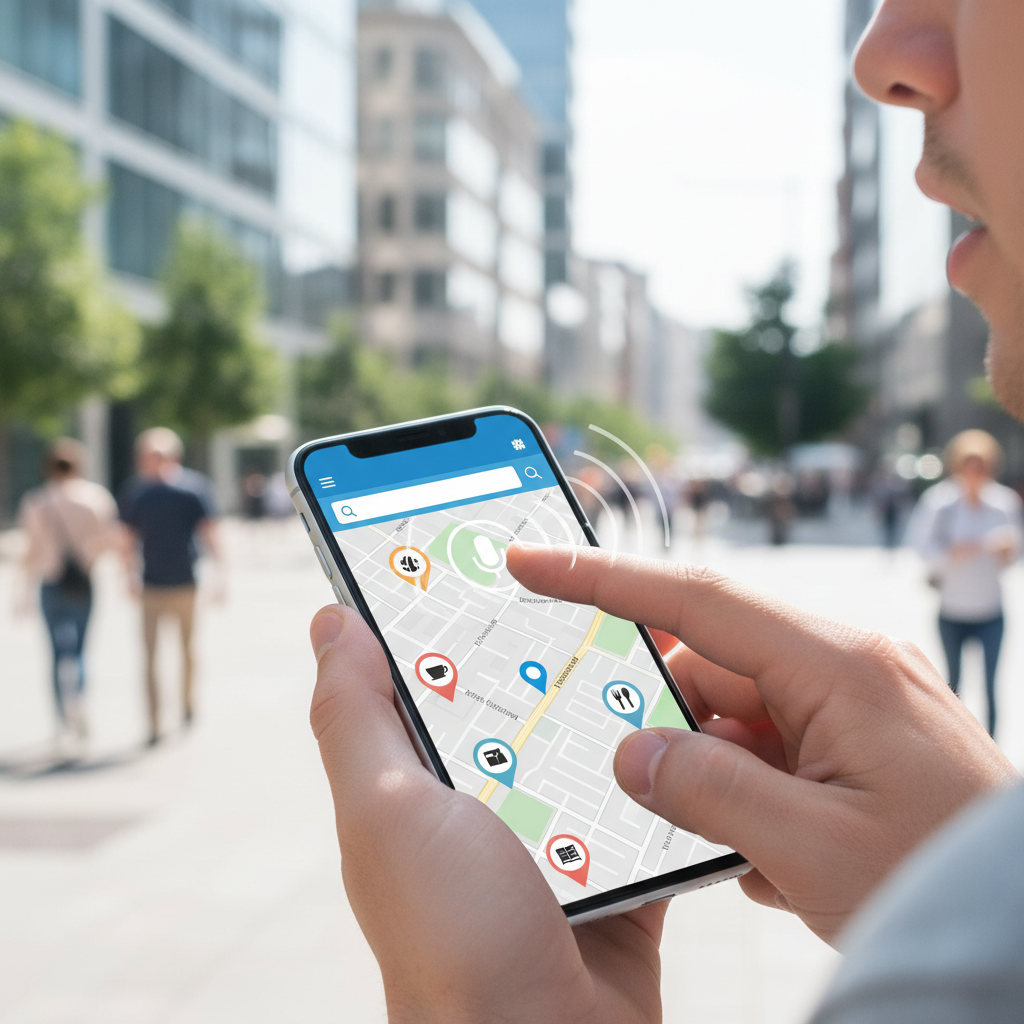
Optimizing for both voice and text searches requires distinct yet complementary approaches. Voice searches are often longer, more conversational, and question-based, such as “where can I find a plumber near me open now?”. Text searches can be shorter and more direct, like “plumber near me.” For both, the underlying goal is to appear prominently in local search results. A critical component is ensuring your Google Business Profile (GBP) is meticulously updated and complete, as this is often the first point of contact for local searchers.
Understanding Voice Search Optimization for Local Services
Voice search optimization for local services involves anticipating natural language queries and providing direct, concise answers. People using voice search are typically on the go and seeking immediate solutions. Therefore, your website content should include natural language phrases and answer common questions related to your services. For instance, if you’re a locksmith, your content should address “how much does a locksmith cost near me?” or “emergency locksmith services.” Structured data markup, also known as schema markup, helps search engines understand the context of your content, making it easier to match with voice queries. This can include details about your business type, operating hours, and service areas.
Essential Text Search Ranking Factors for Local Businesses
Ranking for near-me voice and text searches in today’s environment hinges on several key factors. Proximity remains paramount; Google uses the searcher’s location to determine relevant local businesses. Relevance is established by how well your business profile and website content match the search query. Prominence is built through factors like the number and quality of reviews, local citations, and your overall online authority. Ensuring consistent Name, Address, Phone (NAP) information across all online directories is fundamental. Additionally, creating location-specific landing pages for multi-location businesses can significantly improve text search performance.
Optimizing Google Business Profile for Maps Ranking in the AI Era
To achieve a strong Google Maps ranking for local businesses, especially in the era of AI-driven search, a fully optimized and actively managed Google Business Profile (GBP) is indispensable. GBP serves as your digital storefront on Google Search and Maps, directly influencing your visibility in local pack results.
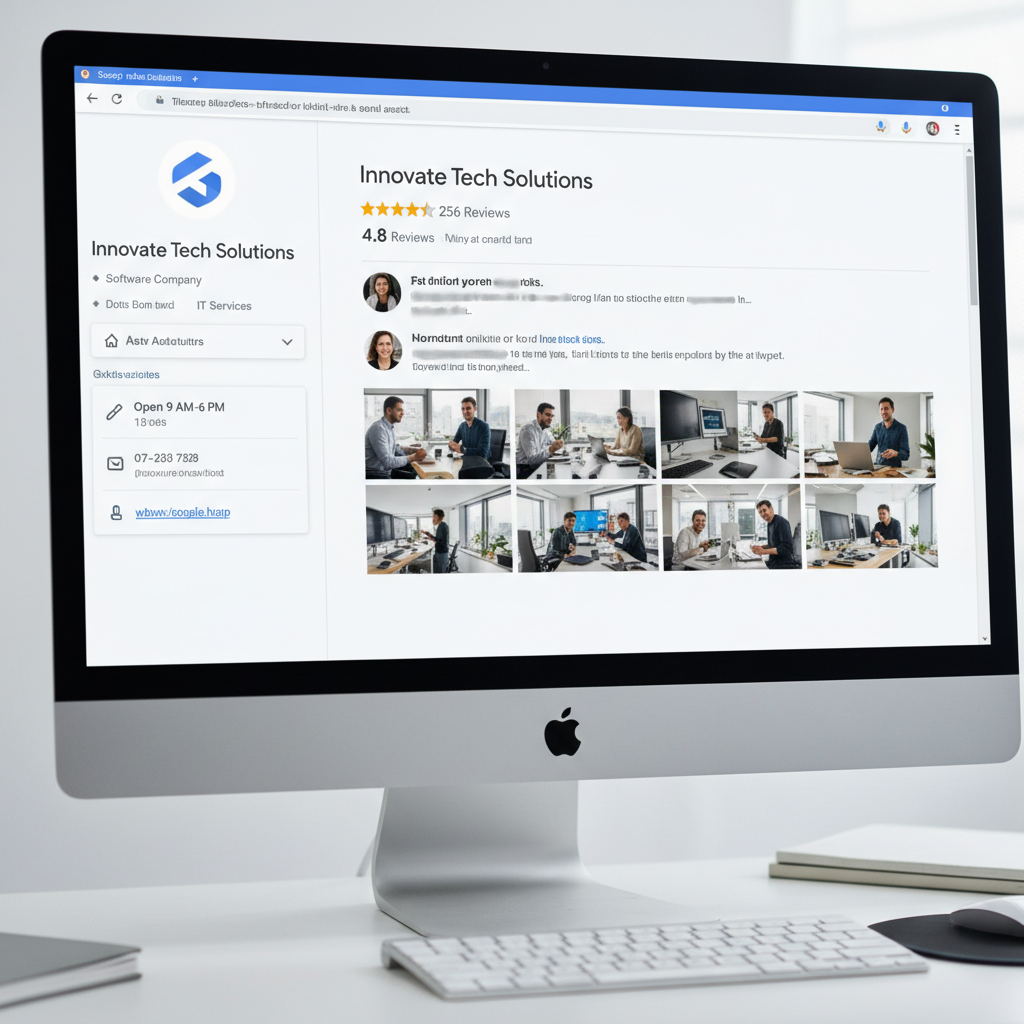
Google’s AI algorithms increasingly prioritize user experience and comprehensive, accurate information. Therefore, a complete GBP profile with up-to-date details, high-quality photos, and consistent engagement is more likely to be favored. This includes selecting the most accurate business categories, writing a compelling business description, and listing all relevant services. Regular updates, such as posting new offers or events, also signal to Google that your business is active and relevant.
Leveraging AI-Powered Insights for Local Search Visibility
The Google Maps ranking strategy for local businesses in the AI era benefits greatly from understanding how AI interprets and serves local information. AI algorithms analyze vast amounts of data, including user behavior, sentiment from reviews, and the freshness of information, to determine the most relevant results. Businesses should focus on creating content that answers common questions and addresses customer needs directly, as AI is adept at extracting these answers for direct display in search results. Utilizing Google’s own tools, such as performance insights within GBP, can provide valuable data on how customers are finding and interacting with your listing. These insights can then inform further optimization efforts, ensuring your strategy is data-driven and responsive to evolving search patterns. For expert assistance in navigating these complex strategies, consider exploring Digital Marketing Services that specialize in next-gen local SEO.
Advanced Strategies for Google Maps Ranking
Beyond basic optimization, advanced strategies for Google Maps ranking involve a deeper dive into competitive analysis and user engagement. This includes monitoring competitor GBP profiles to identify gaps and opportunities. Encouraging customers to leave detailed reviews that mention specific services or products can significantly boost relevance signals. Responding promptly and professionally to all reviews, both positive and negative, demonstrates strong customer service and can improve your prominence. Furthermore, geotagging images uploaded to your GBP and website can subtly reinforce your physical location to search engines. Regularly auditing your GBP for accuracy and completeness is crucial, as even small inconsistencies can negatively impact your ranking.
Crafting a Near-Me Search Content Strategy for Multi-Location Brands
For multi-location brands, a robust near-me search content strategy for multi-location brands is essential to ensure each individual location ranks effectively for local queries. This requires a systematic approach to content creation and distribution that caters to the unique characteristics of each store or office while maintaining brand consistency.
The core of this strategy involves creating unique, optimized content for every location. Generic, templated content across all locations can dilute your local SEO efforts and fail to capture the specific nuances of each community. Instead, focus on developing location-specific landing pages that highlight local services, testimonials, and community involvement. These pages should be rich in local keywords, including neighborhood names, local landmarks, and specific service offerings relevant to that area.
Developing Location-Specific Landing Pages for Local SEO
Location-specific landing pages are paramount for multi-location businesses aiming to dominate “near-me” searches. Each page should act as a mini-website for that particular branch, featuring its unique NAP information, local phone number, and directions. It should also include localized content such as:
Specific Services: Detail services offered at that* location, including any unique specialties.
* Local Testimonials: Feature reviews from customers who visited that specific branch.
* Local Events/News: Mention community involvement or local promotions relevant to the area.
* Photos: High-quality images of the specific location, its staff, and local customers.
This level of detail signals to search engines the relevance of each location to local queries.
Content Syndication and Local Schema Markup for Multiple Branches
Effective content syndication across various platforms, coupled with precise local schema markup, amplifies the reach of your multi-location content strategy. Ensure that your NAP information is consistent across all online directories, social media profiles, and your website. This consistency builds trust with search engines. Implementing local business schema markup on each location page helps search engines understand key details about each branch, such as its address, phone number, operating hours, and service areas.
Here’s a comparison of content approaches for multi-location brands:
| Strategy Element | Effective Multi-Location Approach | Less Effective Approach |
|---|---|---|
| Landing Pages | Unique, localized content for each branch | Generic, templated pages for all locations |
| Keywords | Location-specific terms (city, neighborhood, local landmarks) | Broad, national keywords only |
| Reviews | Encourage and display reviews specific to each location | Aggregate all reviews without location context |
| NAP Consistency | Strictly consistent across all online platforms | Inconsistent or outdated information |
| Schema Markup | Implement local business schema for each location | No schema or generic schema only |
By meticulously crafting location-specific content and ensuring its consistent distribution and markup, multi-location brands can significantly improve their “near-me” search performance.
Implementing a Near-Me Paid Search Bidding Strategy for Local Conversions
Implementing a strategic near-me paid search bidding strategy for local conversions is vital for businesses looking to capture immediate local demand and drive direct actions. This involves tailoring your Google Ads campaigns to target users in specific geographic areas who are actively searching for your services.
Paid search, particularly local search ads, allows businesses to appear at the very top of search results, often above organic listings, for highly relevant “near me” queries. The goal is to maximize visibility for high-intent searchers who are ready to make a purchase or book a service. This strategy complements organic local SEO efforts by providing an additional, often faster, route to reaching potential customers.
Geo-Targeting and Bid Adjustments for Local Ad Campaigns
Effective geo-targeting is the cornerstone of any successful near-me paid search strategy. You must precisely define your service areas in Google Ads, targeting specific cities, postal codes, or even custom radius around your business locations. Beyond basic targeting, leverage bid adjustments to increase your bids for users located closer to your business or during peak operating hours. For example, a restaurant might bid higher for searches within a 1-mile radius during lunch and dinner times.
Consider these bid adjustment factors:
* Proximity: Increase bids for users within a very close radius (e.g., 0.5-2 miles).
* Time of Day: Adjust bids based on your business hours or peak demand periods.
* Device Type: Mobile users are more likely to perform “near me” searches, so consider higher bids for mobile devices.
* Audience Segments: Target specific local audiences who have shown interest in your services.
Optimizing Ad Copy and Extensions for Local Searchers
Optimizing ad copy and utilizing relevant ad extensions are critical for driving local conversions. Your ad headlines and descriptions should explicitly mention your location or service area and include strong calls to action (CTAs) like “Call Now,” “Get Directions,” or “Book an Appointment.” Ad extensions, such as location extensions, call extensions, and structured snippets, provide additional valuable information directly in your ad, making it more appealing to local searchers. Location extensions, in particular, display your business address, phone number, and a map icon, allowing users to get directions or call with a single click. Review extensions can also showcase positive customer feedback, building trust and encouraging clicks.
Leveraging Customer Reviews and Local Citations for Near-Me Visibility
Harnessing the power of customer reviews and maintaining a robust network of local citations are fundamental elements for enhancing your business’s near-me search optimization strategy. These factors significantly influence your prominence in local search results and build trust with potential customers.
Customer reviews serve as powerful social proof, directly impacting a business’s reputation and search ranking. Search engines like Google consider both the quantity and quality of reviews when determining local search prominence. Positive reviews signal to algorithms that your business is reputable and provides excellent service, while a lack of reviews or numerous negative ones can hinder visibility. Local citations, on the other hand, are mentions of your business’s NAP information across various online directories and platforms. Consistency in these citations is crucial for establishing authority and trustworthiness.
Strategies for Generating and Managing Positive Local Reviews
Generating positive local reviews requires a proactive and customer-centric approach. Businesses should make it easy for satisfied customers to leave feedback. This can include:
1. Direct Requests: Politely ask customers for reviews after a positive service experience, perhaps via email, text, or in-person.
2. Google Business Profile Link: Provide a direct link to your Google Business Profile review section.
3. Website Integration: Embed review widgets or links on your website.
4. In-Store Signage: Use QR codes or signs prompting reviews at your physical location.
Managing reviews involves monitoring all platforms where your business is listed and responding promptly to all feedback, both positive and negative. Thanking customers for positive reviews reinforces their loyalty, while addressing negative feedback professionally demonstrates a commitment to customer satisfaction. This engagement can turn a negative experience into a positive one and shows search engines you are an active, responsive business.
Building and Maintaining Consistent Local Citations
Building and maintaining consistent local citations is a foundational aspect of near-me search optimization strategy for local service businesses. Inconsistent NAP data across different directories can confuse search engines and dilute your local SEO efforts. Begin by ensuring your Google Business Profile is accurate and complete, as this is often the most important citation. Then, systematically list your business on other major directories such as Yelp, Facebook, Yellow Pages, and industry-specific sites.
Key steps for citation management:
* Audit Existing Citations: Use tools to identify all current mentions of your business online and check for inconsistencies.
* Correct Inaccuracies: Update any incorrect NAP information immediately.
* Expand Your Reach: Seek out new, relevant local and industry-specific directories to list your business.
* Monitor Regularly: Periodically re-audit your citations to ensure ongoing accuracy.
A strong, consistent citation profile reinforces your business’s legitimacy and location to search engines, significantly boosting your chances of ranking higher in local search results.
What is a “near-me” search?
A “near-me” search is a type of localized query where users look for businesses or services in their immediate geographic vicinity, often using phrases like “restaurants near me” or “plumbers open now.” These searches are typically performed with high intent, indicating a readiness to engage with a local business. Search engines use the user’s location to deliver relevant results.
How important is Google Business Profile for local SEO?
Google Business Profile (GBP) is critically important for local SEO, serving as the primary tool for managing your business’s online presence across Google Search and Maps. An optimized GBP listing directly influences your visibility in local pack results, driving calls, website visits, and physical store visits. It’s often the first interaction potential local customers have with your business.
Can multi-location businesses optimize for “near me” searches effectively?
Yes, multi-location businesses can optimize for “near me” searches effectively by creating unique, localized content for each branch. This includes developing dedicated landing pages for every location, ensuring accurate and consistent NAP information across all online directories, and encouraging location-specific reviews. This tailored approach helps each individual location rank for local queries.
What is the role of AI in Google Maps ranking for local businesses?
In the AI era, Google Maps ranking relies heavily on artificial intelligence to interpret user intent, analyze business relevance, and assess prominence signals. AI algorithms process vast data, including user reviews, website content, and real-time location data, to deliver the most useful and personalized local results. Businesses must provide comprehensive, accurate, and engaging information to satisfy AI’s demands.
How can paid search ads help with “near me” conversions?
Paid search ads, particularly local search ads, can significantly boost “near me” conversions by placing your business at the top of search results for high-intent local queries. Through precise geo-targeting and bid adjustments, businesses can reach users in their immediate vicinity who are ready to purchase. Optimized ad copy and extensions like location and call buttons further drive direct actions.
Why are customer reviews crucial for local search optimization?
Customer reviews are crucial for local search optimization because they act as a strong signal of prominence and trustworthiness to search engines. Both the quantity and quality of reviews influence your ranking in local search results. Positive reviews enhance your reputation and attract more customers, while engaging with all feedback demonstrates responsiveness and builds customer loyalty.
Mastering the near-me search optimization strategy for local service businesses is no longer optional; it’s a fundamental requirement for growth. By focusing on a holistic approach that integrates robust local SEO, a refined Google Business Profile, and targeted content strategies, businesses can significantly enhance their local visibility.
Key takeaways for success:
* Prioritize comprehensive Google Business Profile optimization, ensuring all information is accurate and frequently updated.
* Develop a content strategy that caters to both voice and text “near-me” searches, using natural language and location-specific details.
* For multi-location brands, create unique, localized content for each branch to maximize individual visibility.
* Implement a smart paid search bidding strategy with precise geo-targeting to capture immediate local demand.
* Actively solicit and manage customer reviews, and maintain consistent local citations across all online platforms.
Embrace these strategies to connect with local customers precisely when they need your services most, driving sustainable growth for your business.