
Experiential Marketing Strategy Integrating AR VR And Live Events
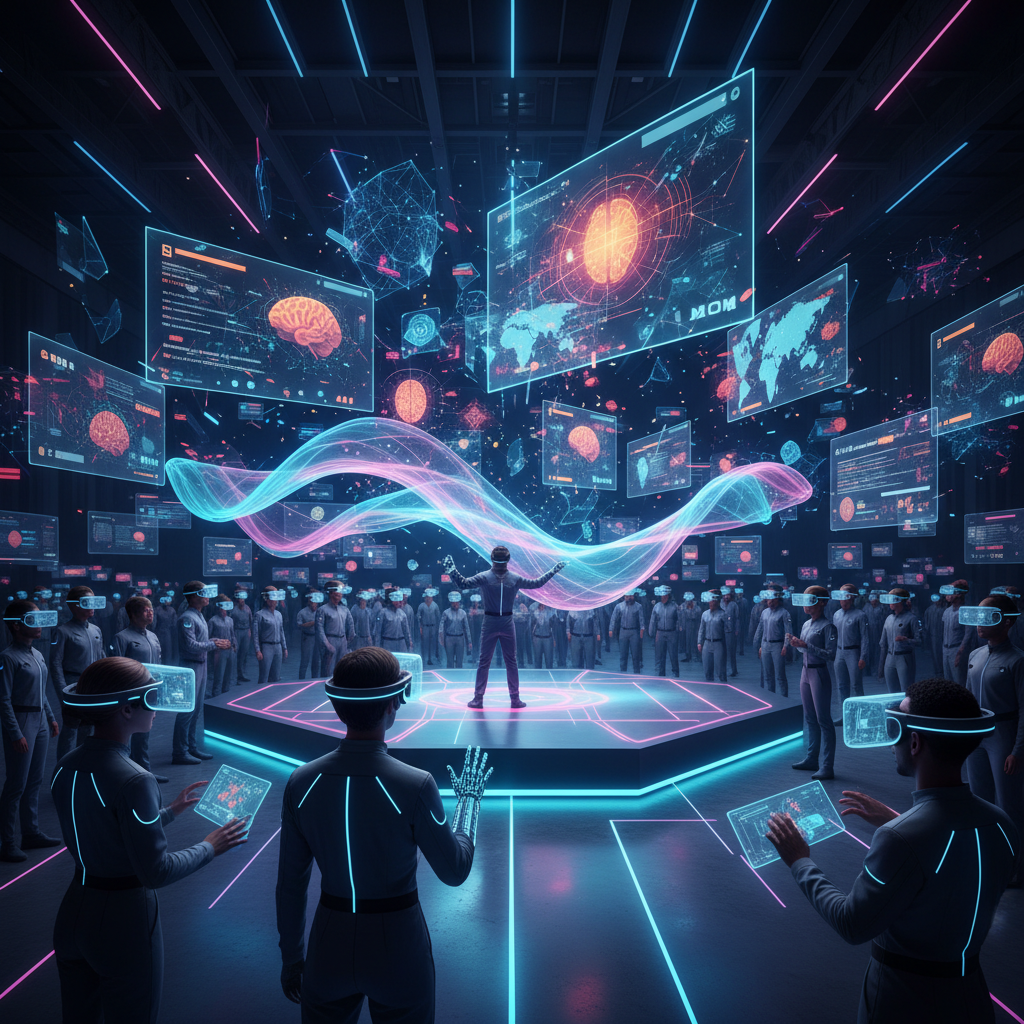
The landscape of modern marketing is evolving rapidly, with an experiential marketing strategy integrating AR VR and live events emerging as a powerful approach to captivate audiences. This innovative methodology combines the tangible engagement of physical gatherings with the immersive possibilities of augmented reality (AR) and virtual reality (VR), creating unforgettable brand interactions. By blending the best of both worlds, brands can forge deeper connections, enhance product understanding, and drive measurable results in a competitive market.
Mastering the Phygital Blend: How to Combine Physical Pop-Up Events with Digital AR Activations
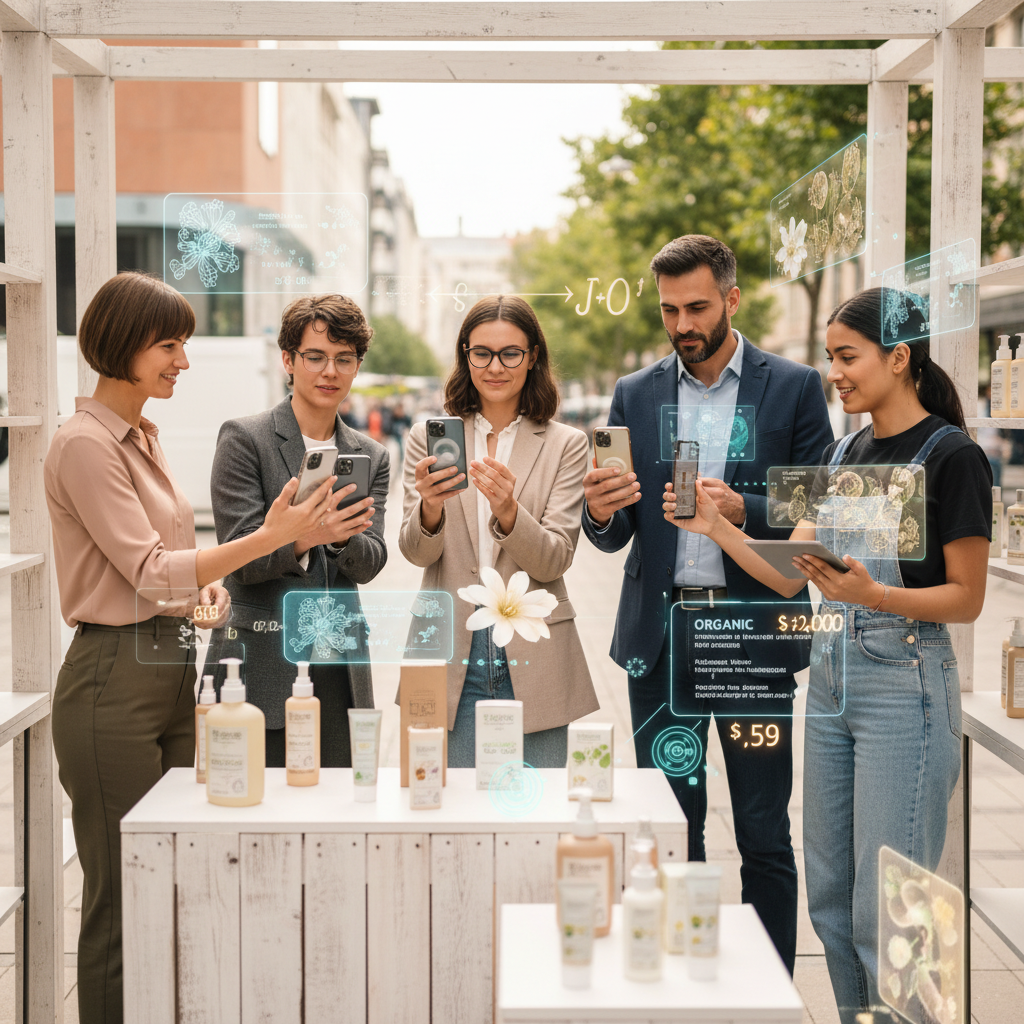
Combining physical pop-up events with digital AR activations creates a “phygital” experience that offers the best of both worlds: tangible interaction and immersive digital content. This strategy allows brands to engage consumers in real-world settings while extending the experience into the digital realm, enhancing memorability and shareability.
A phygital experience is a marketing approach that seamlessly integrates physical and digital elements to create a unified and interactive customer journey. When planning to combine physical pop-up events with digital AR activations, the goal is to enhance the physical presence with dynamic digital layers. Imagine a pop-up store where customers can scan QR codes with their smartphones to unlock AR filters, virtual try-ons, or interactive product demonstrations. This not only adds a layer of novelty but also provides valuable digital content that can be shared across social media, extending the event’s reach beyond its physical footprint. Strategic placement of AR triggers, such as floor decals, product packaging, or interactive screens, can guide attendees through a narrative, making the experience more cohesive and engaging.
Integrating AR Storytelling into Physical Spaces
AR storytelling transforms static physical environments into dynamic narratives. By using AR, brands can overlay digital content onto real-world objects, allowing customers to explore product features, brand history, or interactive games directly within the pop-up space. This method turns passive observation into active participation. For instance, a fashion brand could allow customers to virtually try on clothes using AR mirrors, or a food brand could show the journey of their ingredients from farm to table through an AR experience triggered by their packaging.
Leveraging Location-Based AR for Enhanced Engagement
Location-based AR uses geofencing and GPS technology to deliver specific AR content to users within a defined physical area. This is particularly effective for pop-up events, as it ensures that AR experiences are relevant and accessible only to attendees. Brands can create AR scavenger hunts within the event space, guiding participants to different product zones or interactive installations. This gamified approach encourages exploration and extends dwell time, making the pop-up event more interactive and memorable for visitors.
Crafting a Robust Phygital Experiential Marketing Campaign Planning Guide
A robust phygital experiential marketing campaign planning guide emphasizes the seamless integration of physical and digital touchpoints to create a cohesive and impactful customer journey. Effective planning involves defining clear objectives, understanding the target audience, and meticulously designing both the offline and online components to work in harmony.
Developing a successful phygital campaign requires careful consideration of how digital tools will augment, not detract from, the physical experience. This planning guide begins with identifying the core message and desired customer action. For example, if the goal is to increase product awareness, the phygital elements should facilitate discovery and interaction. If the aim is to drive sales, the experience should guide customers towards a purchase, whether online or offline. Key steps include mapping the customer journey, identifying potential integration points for AR/VR, and ensuring technological compatibility. A detailed budget allocation for both physical event logistics and digital development is also crucial for successful execution.

Defining Objectives and Target Audience for Phygital Campaigns
Before any execution, clearly defined objectives are paramount. What do you want to achieve with your phygital campaign? Is it brand awareness, lead generation, sales conversion, or customer loyalty? Each objective will dictate different strategies. Simultaneously, understanding your target audience is critical. Their digital literacy, preferred social media platforms, and typical event attendance habits will inform the types of AR/VR activations and physical event formats that will resonate most effectively. Tailoring the experience to their preferences ensures maximum engagement.
Selecting the Right Technologies for Seamless Integration
The choice of technology is fundamental to a smooth phygital experience. For AR, consider mobile apps, web-based AR (WebAR), or dedicated AR devices. For VR, decide between tethered headsets for high-fidelity experiences or standalone devices for greater mobility. The selection depends on the desired level of immersion, budget, and ease of access for your audience. Ensuring that the chosen technologies integrate smoothly with existing marketing platforms and data collection tools is also vital. This allows for unified data analysis and a comprehensive understanding of campaign performance.
Unleashing Innovation: Hybrid AR Live Event Strategy for Product Launch Campaigns
A hybrid AR live event strategy for product launch campaigns leverages the excitement of a live physical gathering with the cutting-edge engagement of augmented reality to create a multi-dimensional unveiling experience. This approach generates significant buzz, provides deeper product understanding, and extends the reach of the launch beyond the physical venue.
When launching a new product, the goal is to make a lasting impression and communicate its value effectively. A hybrid AR live event achieves this by allowing attendees to interact with the product in ways that transcend physical limitations. Imagine a car launch where attendees can use AR to customize the vehicle in real-time, view its internal mechanics, or even take a virtual test drive on a projected track. This interactive demonstration goes far beyond traditional static displays. Furthermore, live streaming the event with integrated AR overlays for online viewers ensures that the digital audience receives an equally rich and engaging experience, broadening the campaign’s impact. Such a strategy is a cornerstone of our Digital Marketing Services, designed to deliver next-gen experiences.
Enhancing Product Demos with Interactive AR Overlays
Interactive AR overlays can revolutionize product demonstrations at live events. Instead of simply showcasing a product, AR allows for a dynamic presentation of its features, benefits, and usage scenarios. For complex products, AR can reveal internal components, simulate functions, or display real-time data overlays. For simpler items, AR can bring them to life with animations, virtual accessories, or contextual information. This level of interactivity not only educates the audience but also creates a memorable and shareable moment, encouraging attendees to become brand advocates.
Creating Shareable Moments with AR Filters and Social Integration
Social media is a powerful amplification tool for product launches. Integrating custom AR filters into the live event strategy encourages attendees to create and share user-generated content. These filters can be themed around the new product, allowing users to virtually interact with it or transform their surroundings. Easy integration with popular social platforms means attendees can instantly share their AR experiences with their networks, generating organic reach and widespread awareness for the product launch. This viral potential is a key advantage of hybrid AR events.
Designing Immersive VR Experiences for Enhanced Brand Engagement at Events
Designing immersive VR experiences for enhanced brand engagement at events transports attendees to entirely new environments, allowing for deep emotional connections and unparalleled product exploration. VR offers a unique opportunity for brands to tell their story in a truly captivating and memorable way, going beyond the limitations of physical space.
Virtual reality (VR) provides a fully simulated environment, giving users a sense of presence within a digital world. This technology is perfect for creating high-impact brand experiences at live events. Imagine a travel company offering virtual tours of exotic destinations, allowing potential customers to “walk through” a resort before booking. Or a real estate developer providing VR walkthroughs of properties that are still under construction. The key to successful VR integration is to create experiences that are relevant, high-quality, and easy for attendees to access. Clear instructions and dedicated staff to assist users will ensure a smooth and enjoyable journey into the virtual realm.
Crafting Narrative-Driven VR Content for Deeper Connections
Narrative-driven VR content is highly effective for fostering deeper emotional connections with a brand. Instead of just showcasing products, VR can immerse users in a story that aligns with the brand’s values or mission. This could involve a virtual journey demonstrating the ethical sourcing of ingredients, a historical retelling of the brand’s origins, or an interactive story where users make choices that impact the outcome. Such experiences are not only entertaining but also create a strong emotional resonance, making the brand more relatable and memorable.
Implementing Interactive VR Demos for Product Understanding
Interactive VR demonstrations allow users to engage with products in a simulated environment, providing a level of understanding impossible with traditional methods. For complex machinery, VR can offer a safe space for users to “operate” equipment and learn its functions. For consumer goods, VR can simulate product usage in various scenarios, highlighting benefits and features. This hands-on, risk-free interaction builds confidence and familiarity, significantly enhancing the customer’s comprehension and appreciation of the product’s value.
Measuring Experiential Marketing ROI: Combining Online and Offline Signals
Measuring experiential marketing ROI combining online and offline signals is crucial for understanding the true impact and effectiveness of integrated campaigns. This comprehensive approach involves tracking both digital interactions and physical engagement metrics to paint a complete picture of return on investment.
To accurately assess the return on investment (ROI) for an experiential marketing strategy, marketers must look beyond single-channel metrics. This means integrating data from various sources, including website analytics, social media engagement, app downloads, email sign-ups, and direct sales, alongside physical event metrics like attendance numbers, dwell time, and on-site conversions. By correlating these online and offline signals, brands can identify how physical interactions influence digital behaviors and vice versa. For example, tracking unique QR code scans at a pop-up event that lead to online purchases provides a direct link between the physical activation and digital sales. This holistic data analysis is essential for optimizing future campaigns and justifying marketing spend.
Key Metrics for Online and Offline Experiential Campaign Evaluation
Evaluating experiential campaigns requires a blend of traditional and digital metrics. Online metrics include website traffic spikes during and after the event, social media mentions, hashtag usage, follower growth, content shares, app downloads, and lead generation forms completed digitally. Offline metrics encompass event attendance, foot traffic to specific activations, duration of engagement with AR/VR experiences, direct sales at the event, and survey responses collected on-site.
Here’s a comparison of key metrics:
| Category | Online Metrics | Offline Metrics |
|---|---|---|
| Awareness | Social media reach, impressions, website visits, press mentions | Event attendance, media coverage, brand visibility at event |
| Engagement | Social media likes, shares, comments, AR filter usage, app interactions | Dwell time at activations, participation in activities, survey completion |
| Conversion | Online sales, lead form submissions, newsletter sign-ups, coupon redemptions | On-site sales, sign-ups for loyalty programs, demo bookings |
| Advocacy | User-generated content, positive reviews, social shares | Word-of-mouth referrals, post-event survey satisfaction |
Attributing Sales and Brand Lift from Phygital Experiences
Attributing sales and brand lift to phygital experiences can be complex but is achievable through strategic tracking. Unique discount codes distributed at physical events and redeemable online, dedicated landing pages for event attendees, and post-event surveys that ask about event influence are effective methods. Brand lift can be measured through pre and post-campaign brand sentiment analysis, brand recall surveys, and tracking changes in brand search queries. By meticulously linking these data points, marketers can demonstrate a clear correlation between the experiential campaign and tangible business outcomes.
What is experiential marketing?
Experiential marketing is a strategy that engages consumers through immersive, hands-on, and memorable brand experiences. It aims to create an emotional connection between the consumer and the brand, fostering loyalty and advocacy through direct interaction rather than passive reception of messages. These experiences can be physical, digital, or a blend of both.
How does AR enhance live events?
AR enhances live events by overlaying digital information and interactive content onto the real world through devices like smartphones or smart glasses. This allows attendees to engage with products, brand stories, or games in a dynamic way, making the physical environment more interactive and providing shareable digital content that extends the event’s reach.
What are the benefits of using VR in marketing?
VR in marketing offers unparalleled immersion, allowing brands to transport consumers to virtual environments for deep engagement. Benefits include creating strong emotional connections, providing realistic product demonstrations, offering virtual tours, and enabling interactive storytelling that leaves a lasting impression on the audience.
What is a “phygital” marketing campaign?
A “phygital” marketing campaign seamlessly integrates physical and digital elements to create a unified customer experience. It combines the tangible aspects of real-world interactions, such as pop-up events, with digital enhancements like AR activations or online content, bridging the gap between offline and online engagement.
How can I measure the success of a hybrid experiential campaign?
Measuring the success of a hybrid experiential campaign involves combining online and offline signals. Track metrics like event attendance, dwell time, and on-site conversions alongside digital engagement (social media mentions, website traffic, AR filter usage) and online sales. Correlating these data points provides a holistic view of ROI and campaign effectiveness.
Why is an integrated AR/VR live event strategy important for product launches?
An integrated AR/VR live event strategy for product launches creates heightened excitement and deeper product understanding. It allows for interactive demonstrations, virtual try-ons, and immersive storytelling that captivates both physical and digital audiences, generating significant buzz and extending the launch’s impact beyond the event itself.
The integration of AR, VR, and live events is no longer a futuristic concept but a present-day imperative for brands seeking to create meaningful connections. By carefully crafting an experiential marketing strategy integrating AR VR and live events, businesses can unlock new levels of engagement and drive significant value. The convergence of physical and digital realms offers boundless opportunities for innovation, transforming how consumers interact with brands and products.
Key takeaways for future-forward marketers:
* Phygital experiences bridge the gap between physical presence and digital immersion, maximizing engagement.
* Strategic planning is essential to seamlessly integrate AR/VR into live events, ensuring a cohesive customer journey.
* Hybrid strategies for product launches amplify reach and provide interactive demonstrations that resonate deeply with audiences.
* Immersive VR content fosters emotional connections and enhances product understanding beyond traditional methods.
* Comprehensive ROI measurement, combining online and offline data, is crucial for optimizing campaigns and proving their value.
Embrace these innovative approaches to create unforgettable brand moments that captivate, educate, and convert. The future of marketing is experiential, and it’s happening now.