
Hyperlocal Content Marketing Strategy For AI Search 2026 Guide
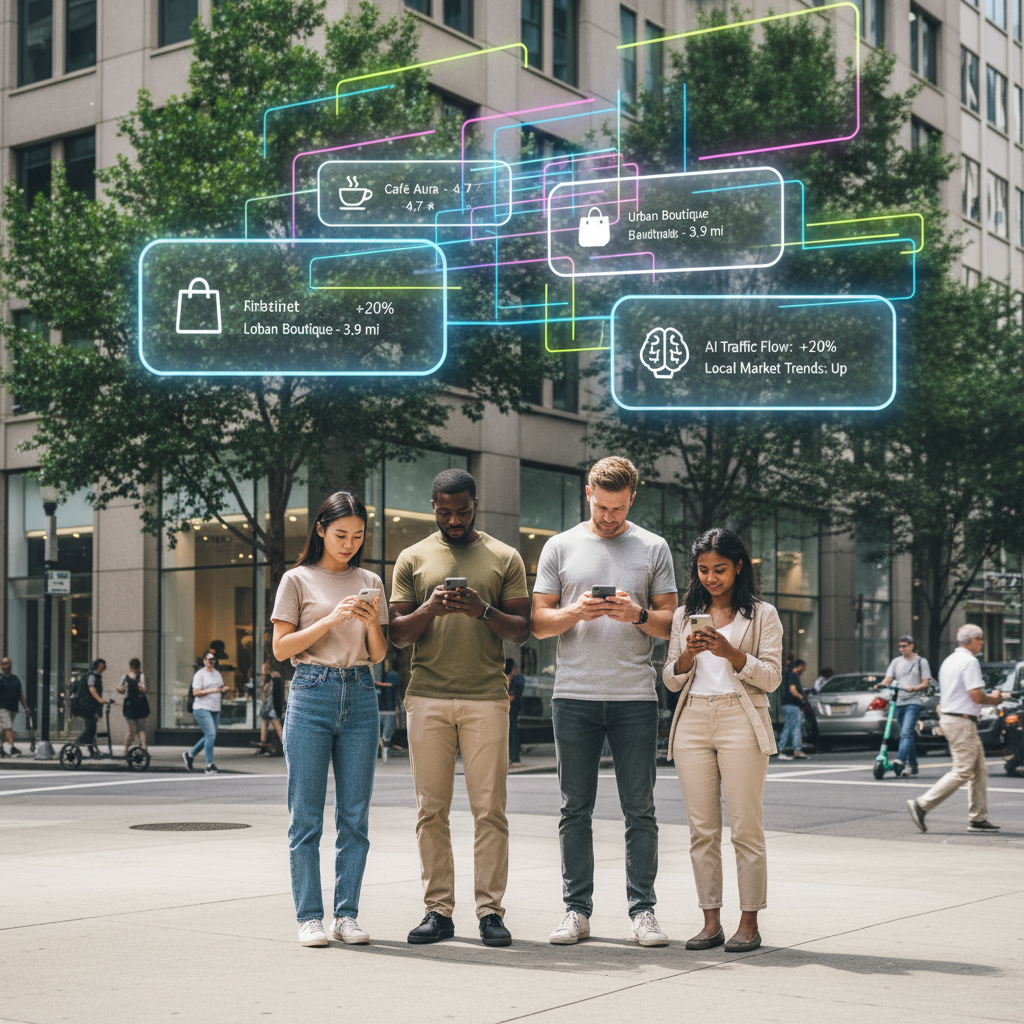
A hyperlocal content marketing strategy for AI search is quickly becoming an indispensable approach for businesses aiming to capture local audiences in an increasingly intelligent digital landscape. This strategy focuses on creating highly specific, geographically targeted content that resonates deeply with residents and consumers within a defined, small geographic area, such as a neighborhood or a few city blocks. As AI search engines prioritize contextual relevance and user intent, understanding and implementing hyperlocal tactics ensures your brand appears precisely when and where local customers are looking for solutions. It’s about moving beyond broad city-level targeting to connect with communities on a much more intimate, relevant scale.
Understanding AI Search and Local Intent: How to Create Hyperlocal Content
Understanding AI search and local intent is fundamental to successfully creating hyperlocal content for AI search visibility. AI search engines excel at interpreting natural language queries and discerning the underlying intent, meaning they can connect users with highly specific, contextually relevant local information faster than ever before. This shift emphasizes the need for content that directly addresses the unique needs and interests of a very specific geographic community.

Hyperlocal content is defined as information tailored to a small, precisely defined geographic area, often smaller than a city or town, such as a specific neighborhood, district, or even a street. To create such content effectively, brands must first conduct deep local market research. This involves analyzing local events, community discussions, specific landmarks, and common problems or interests within the target area. For instance, a coffee shop in Brooklyn’s Bushwick neighborhood should focus on content relevant to Bushwick residents, not just Brooklynites in general. This precise targeting significantly improves your chances of ranking for specific local queries.
How do AI search engines interpret local queries for hyperlocal content?
AI search engines use advanced algorithms to analyze a user’s location, search history, and query phrasing to understand their local intent. They look for signals such as specific neighborhood names, “near me” phrases, and implicit location cues to deliver the most relevant local results. This means that content rich in specific local identifiers and context will perform better. For example, if someone searches for “best pizza in [neighborhood name],” AI prioritizes content that explicitly mentions that neighborhood and its pizza offerings.
What are the key components of effective hyperlocal content creation?
Effective hyperlocal content creation involves several key components that resonate with both local residents and AI algorithms. These include:
* Community-Specific Topics: Address issues, events, or interests unique to the target neighborhood.
* Local Keywords: Incorporate specific street names, landmarks, and neighborhood terms.
* User-Generated Content: Encourage reviews, photos, and testimonials from local customers.
* Local Partnerships: Collaborate with other local businesses or community organizations.
* Event-Driven Content: Promote and cover local happenings, festivals, or markets.
By focusing on these elements, businesses can craft content that not only attracts local searchers but also builds genuine community engagement. This approach ensures content is both highly visible to AI search and deeply valued by the local audience.
Crafting Hyperlocal Content for AI Search Visibility and Engagement
Crafting hyperlocal content for AI search visibility requires a strategic approach that blends deep local knowledge with SEO best practices tailored for intelligent algorithms. The goal is to produce content that is not only highly relevant to a specific locale but also structured in a way that AI search engines can easily understand and prioritize. This means going beyond simple keyword stuffing and focusing on comprehensive, valuable information that answers very specific local questions.

For instance, a real estate agent specializing in a particular district might create blog posts detailing the history of specific streets, local architectural styles, or upcoming neighborhood development projects. Such content is invaluable to potential buyers researching the area and signals to AI that the agent is a local authority. Similarly, a local restaurant could publish articles about the best nearby parks for a picnic using their takeout, or highlight local suppliers they partner with. This level of detail and genuine local connection significantly boosts visibility.
What types of hyperlocal content perform best for AI search?
The types of hyperlocal content that perform best for AI search are those that provide genuine value and specific information to a local audience. This includes:
* Local Guides: Comprehensive guides to neighborhood amenities, attractions, and services.
* Event Calendars: Regularly updated lists of local happenings, fairs, and community gatherings.
* Spotlight Features: Interviews with local business owners, residents, or community leaders.
* Problem/Solution Articles: Addressing common local issues with practical, geographically specific advice.
* “Best Of” Lists: Curated lists of local establishments, products, or experiences within a defined area.
These content formats naturally incorporate local keywords and demonstrate an understanding of the community, which AI values highly.
How can businesses optimize existing content for hyperlocal AI search?
Optimizing existing content for hyperlocal AI search involves revisiting and enhancing your current assets with a local lens. Begin by identifying content that has broad relevance and then infuse it with specific local details. This could include adding neighborhood names, local landmarks, or community-specific statistics. For example, a general article about “home maintenance tips” could be updated to “Home Maintenance Tips for [Neighborhood Name] Residents,” incorporating local climate considerations or common housing styles.
Consider these optimization steps:
1. Inject Local Keywords: Naturally integrate specific neighborhood names, street names, and local phrases.
2. Update with Local Examples: Replace generic examples with ones relevant to your target area.
3. Add Local Data: Include statistics, demographics, or survey results pertaining to the specific locale.
4. Enhance Local Imagery: Use photos or videos that clearly depict the local area.
5. Seek Local Citations: Ensure your business is listed consistently across local directories and review sites.
By systematically refining existing content, businesses can significantly improve their hyperlocal content marketing strategy for AI search, making their information more discoverable and relevant to local users. For businesses looking to enhance their overall digital presence, exploring comprehensive Digital Marketing Services can provide a holistic approach to content and SEO.
Developing a Neighborhood-Level SEO and GEO Strategy for Local Brands
Developing a robust neighborhood-level SEO and GEO strategy for local brands is crucial for cutting through the noise and reaching customers in specific micro-markets. This strategy goes beyond traditional local SEO, which often targets city-wide searches, by focusing on highly granular geographic areas. The goal is to establish your brand as the definitive local authority within these precise zones, ensuring maximum visibility in AI-powered local search results.
This involves meticulous research into the unique characteristics of each target neighborhood. For instance, a restaurant chain might create distinct Google Business Profiles for each location, optimizing each profile with neighborhood-specific keywords, photos, and service descriptions. A local service provider, such as a plumber or electrician, could create landing pages optimized for individual neighborhoods they serve, detailing specific services offered in those areas and featuring testimonials from local residents. This granular approach helps AI search engines understand the exact geographic relevance of your business.
How does neighborhood-level SEO differ from traditional local SEO?
Neighborhood-level SEO is a more refined version of traditional local SEO, focusing on smaller, more specific geographic areas within a city or town. While traditional local SEO might target searches like “plumber in [city name],” neighborhood-level SEO aims for queries such as “plumber in [neighborhood name]” or even “plumber near [specific landmark].” It requires a deeper understanding of local nuances, community events, and specific landmarks to create highly relevant content and optimize local listings. This precision allows brands to capture highly qualified local leads.
What are the essential elements of a GEO strategy for local brands?
An effective GEO strategy for local brands integrates various elements to ensure comprehensive local visibility. These elements work in concert to signal geographic relevance to AI search engines:
* Optimized Google Business Profiles: Create and meticulously optimize a GMB listing for each physical location, including accurate addresses, phone numbers, hours, and neighborhood-specific service descriptions.
* Location-Specific Landing Pages: Develop unique landing pages for each target neighborhood, featuring tailored content, local testimonials, and specific service offerings.
* Local Schema Markup: Implement schema markup (e.g., LocalBusiness, Place) on your website to provide structured data about your business’s location and services to search engines.
* Consistent NAP Citations: Ensure your Name, Address, and Phone number (NAP) are consistent across all online directories, social media profiles, and your website.
* Hyperlocal Content Production: Regularly publish blog posts, news, and event information relevant to individual neighborhoods.
* Local Link Building: Seek backlinks from other reputable local businesses, community organizations, and local news outlets.
By diligently implementing these elements, local brands can significantly enhance their neighborhood-level SEO and GEO strategy for local brands, making them highly discoverable for local searchers.
Leveraging AI Data for Hyperlocal Social Media Targeting Strategy
Leveraging AI data is transformative for developing a hyperlocal social media targeting strategy with AI data, allowing brands to connect with specific community segments on platforms where they spend their time. AI tools can analyze vast amounts of social media data, including user demographics, interests, behaviors, and even sentiment, to pinpoint highly specific local audiences. This precision enables businesses to deliver highly personalized and relevant messages that resonate deeply within a defined neighborhood or micro-community.
For example, an AI-powered social media tool can identify residents in a particular zip code who frequently engage with posts about local events, then target them with ads for an upcoming neighborhood festival. Similarly, a local bookstore could use AI to identify users in their immediate vicinity who express interest in specific book genres or author events, then serve them tailored promotions. This level of targeting moves beyond general geographic filters, allowing for truly contextual engagement.
How can AI data enhance hyperlocal social media targeting?
AI data significantly enhances hyperlocal social media targeting by providing deeper insights into local audience behaviors and preferences. AI algorithms can:
* Identify Micro-Segments: Analyze user data to uncover niche groups within a neighborhood with shared interests or needs.
* Predict Engagement: Forecast which types of content are most likely to resonate with specific local demographics.
* Optimize Ad Spend: Automatically adjust ad delivery to target the most receptive local users at optimal times.
* Personalize Messaging: Tailor ad copy and visuals based on inferred local interests and past interactions.
* Analyze Sentiment: Understand the prevailing mood or opinions within a local community regarding certain topics or brands.
This data-driven approach allows for highly efficient and effective social media campaigns that maximize local impact.
What are the best practices for a hyperlocal social media strategy using AI?
Implementing a successful hyperlocal social media strategy with AI data involves several best practices to ensure maximum effectiveness:
1. Define Clear Geographic Boundaries: Use AI tools to pinpoint precise neighborhoods or areas for targeting.
2. Utilize AI-Powered Audience Insights: Leverage platforms’ AI capabilities to understand local demographics, interests, and online behaviors.
3. Create Hyper-Relevant Content: Develop social media posts, stories, and ads that directly address local events, landmarks, and community interests.
4. A/B Test Localized Campaigns: Experiment with different messaging, visuals, and targeting parameters to find what resonates best with specific local audiences.
5. Monitor Local Conversations: Use AI-driven social listening tools to track mentions of your brand, competitors, and relevant local topics.
6. Engage with Local Influencers: Identify and collaborate with micro-influencers or community leaders who have a strong local following.
By following these practices, brands can develop a dynamic and responsive hyperlocal social media targeting strategy with AI data, fostering stronger community connections and driving local engagement.
Implementing Geofencing and AI-Powered Hyperlocal Ad Targeting Guide
Implementing geofencing and AI-powered hyperlocal ad targeting is a cutting-edge approach that allows businesses to deliver highly relevant advertisements to consumers based on their real-time physical location. Geofencing creates virtual boundaries around specific geographic areas, triggering ads or notifications when a mobile device enters or exits that zone. When combined with AI, this strategy becomes incredibly powerful, enabling predictive targeting and personalized messaging based on inferred local intent and behavior.
For example, a local coffee shop could set up a geofence around a nearby office park. When an individual who has previously shown interest in coffee or local cafes (as determined by AI data) enters that geofenced area, they might receive a mobile ad for a special discount at the coffee shop. This ensures ads are seen by the most relevant audience at the most opportune moment. Similarly, a car dealership could geofence competitor lots, serving ads to potential customers who are actively shopping.
What is geofencing and how does it work with AI for local ads?
Geofencing is a location-based service that uses GPS, RFID, Wi-Fi, or cellular data to define a virtual geographic boundary. When a mobile device crosses this boundary, it triggers a pre-programmed action, such as sending a push notification, an SMS message, or serving a targeted ad. When integrated with AI, geofencing becomes much smarter. AI analyzes user data—like browsing history, app usage, and past purchases—to determine the likelihood of conversion, ensuring that only the most relevant users within the geofenced area receive ads. This combination creates an incredibly precise and effective geofencing and AI-powered hyperlocal ad targeting guide.
What are the benefits of AI-powered geofencing for local businesses?
AI-powered geofencing offers numerous benefits for local businesses seeking to maximize their advertising impact:
* Increased Relevance: Ads are delivered to users who are physically present in a relevant location and have a high likelihood of interest, based on AI analysis.
* Higher Conversion Rates: Timely and context-specific ads lead to better engagement and conversion compared to broad targeting.
* Optimized Ad Spend: AI helps refine targeting, reducing wasted impressions and ensuring budget is spent on the most promising leads.
* Competitive Advantage: Businesses can target customers near competitor locations, drawing them in with compelling offers.
* Personalized Customer Experience: Delivering highly relevant offers based on location and inferred intent improves the overall customer journey.
* Detailed Analytics: AI platforms provide granular data on ad performance within specific geofenced areas, allowing for continuous optimization.
By adopting this advanced approach, local businesses can significantly enhance their geofencing and AI-powered hyperlocal ad targeting guide, driving foot traffic and boosting local sales.
Measuring and Optimizing Hyperlocal Content Performance for AI Search
Measuring and optimizing hyperlocal content performance for AI search is critical for ensuring that your efforts yield tangible results and provide a strong return on investment. In the era of AI search, success isn’t just about traffic; it’s about attracting the right local traffic and converting it into loyal customers. This requires a sophisticated approach to analytics, focusing on metrics that reflect genuine local engagement and business impact, rather than just vanity metrics.
For example, a local bakery might track not only website visits to their “neighborhood specials” page but also phone calls from that page, online orders using local delivery, and even foot traffic attributed to specific local promotions. AI tools can help analyze these diverse data points, identifying patterns and correlations that might not be obvious to human analysis. This allows for continuous refinement of content and strategy.
What metrics are essential for tracking hyperlocal content success with AI search?
Tracking the success of hyperlocal content for AI search requires a focus on metrics that directly correlate with local business goals. Essential metrics include:
* Local Search Rankings: Monitor positions for neighborhood-specific keywords and “near me” searches.
* Google Business Profile Insights: Track views, calls, direction requests, and website clicks originating from your GMB listing.
* Geo-Specific Website Traffic: Analyze website traffic segmented by specific neighborhoods or zip codes.
* Local Conversion Rates: Measure conversions (e.g., online orders, appointment bookings, coupon downloads) from local traffic.
* Engagement Metrics: Look at time on page, bounce rate, and social media engagement for hyperlocal content.
* Foot Traffic Attribution: Use tools or surveys to link online hyperlocal efforts to physical store visits.
* Local Review Volume and Sentiment: Monitor the quantity and quality of reviews on local platforms.
These metrics provide a comprehensive view of how well your hyperlocal content is performing in the AI search landscape.
How can AI tools assist in optimizing hyperlocal content for better performance?
AI tools play a pivotal role in optimizing hyperlocal content by providing advanced analytics and actionable insights. They can:
* Identify Content Gaps: Analyze local search queries and competitor content to pinpoint underserved topics within a neighborhood.
* Predict User Behavior: Forecast which content types and formats will resonate most with specific local demographics.
* Personalize Content Delivery: Recommend content variations based on individual user profiles and past interactions.
* Automate A/B Testing: Continuously test different headlines, calls to action, and content structures to optimize for local engagement.
* Analyze Sentiment at Scale: Understand public perception of your brand and local topics from reviews and social media.
* Optimize Internal Linking: Suggest optimal internal linking strategies to boost the authority of hyperlocal pages.
| Optimization Strategy | AI’s Role | Expected Outcome |
|---|---|---|
| Keyword Research | Identifies long-tail, neighborhood-specific queries with high intent. | Higher relevance for local searches. |
| Content Personalization | Recommends tailored content based on individual local user profiles. | Increased engagement and conversion rates. |
| Performance Analysis | Analyzes complex data (GMB, website, social) to pinpoint success/failure. | Data-driven content improvements. |
| Competitive Analysis | Monitors competitor hyperlocal strategies and identifies opportunities. | Strategic advantage in local markets. |
By leveraging AI for these optimization tasks, businesses can ensure their hyperlocal content performance for AI search is continually improving, leading to stronger local brand presence and increased customer acquisition.
What is hyperlocal content marketing?
Hyperlocal content marketing is a strategy focused on creating content specifically tailored to a very small, defined geographic area, such as a single neighborhood or community. Its goal is to resonate deeply with residents in that specific locale, addressing their unique interests, events, and needs, rather than a broader city-wide audience.
Why is hyperlocal content important for AI search?
AI search engines prioritize relevance and user intent. Hyperlocal content directly addresses specific local queries and demonstrates deep contextual understanding, which AI algorithms favor. This leads to higher visibility for businesses aiming to attract customers within a precise geographic radius, improving their chances of appearing in “near me” searches.
How do I find hyperlocal keywords?
To find hyperlocal keywords, start by brainstorming specific neighborhood names, local landmarks, street names, and community events. Use tools like Google Keyword Planner or local SEO tools, filtering by specific zip codes or small geographic areas. Additionally, monitor local news, community forums, and social media discussions for popular local terms and phrases.
Can small businesses use geofencing effectively?
Yes, small businesses can use geofencing very effectively. It allows them to target potential customers who are physically near their location or competitor locations with highly relevant ads or offers. This precision helps maximize limited marketing budgets by focusing on individuals most likely to convert, driving immediate foot traffic and sales.
What role does AI play in hyperlocal social media targeting?
AI plays a crucial role by analyzing vast amounts of social media data to identify specific micro-segments within a local community. It helps understand local user interests, behaviors, and sentiment, enabling businesses to deliver highly personalized and relevant social media content and ads to the right local audience at the optimal time.
How often should I update my hyperlocal content?
The frequency of updating hyperlocal content depends on its nature. Evergreen content like local guides might need annual reviews. However, content related to local events, news, or promotions should be updated regularly, even daily or weekly, to remain current and relevant. Consistent updates signal to AI search engines that your content is fresh and authoritative.
Embracing a hyperlocal content marketing strategy for AI search is no longer an option but a necessity for brands seeking to thrive in a competitive digital landscape. By focusing on highly specific geographic areas and leveraging AI-driven insights, businesses can forge deeper connections with local communities and capture high-intent customers.
Key takeaways for your hyperlocal strategy:
* Prioritize deep local research to understand unique neighborhood characteristics and needs.
* Craft content that is genuinely valuable and specific to a micro-community, not just a city.
* Optimize Google Business Profiles and create location-specific landing pages for granular SEO.
* Utilize AI data for precise social media targeting, reaching the right local audience with tailored messages.
* Implement geofencing with AI to deliver timely, location-aware advertisements that drive immediate action.
* Continuously measure and optimize your efforts using local-specific metrics to ensure ongoing success.
By integrating these strategies, your brand can build a powerful local presence, enhance visibility in AI search, and cultivate a loyal customer base right in your own backyard.