
Nostalgia Marketing Strategy Using Brand Heritage Content 2026
Nostalgia marketing strategy using brand heritage content leverages a brand’s past to evoke powerful emotions and build deeper connections with consumers. This approach taps into shared cultural memories and personal experiences, making brands feel more authentic and relatable. By strategically reintroducing elements from their history, companies can create compelling narratives that resonate across generations. It’s about more than just remembering the good old days; it’s about actively using those memories to shape future consumer engagement. This powerful marketing tactic is particularly effective in today’s crowded digital landscape, offering a unique way to stand out.
Understanding Nostalgia Marketing: What is Brand Heritage Content and Why it Matters?
Nostalgia marketing is a strategic approach that utilizes elements from the past to evoke positive emotions and memories in consumers, thereby strengthening their connection to a brand. This method often involves reintroducing vintage designs, old advertisements, or classic product lines. Brand heritage content, a core component of this strategy, refers to the historical assets, stories, and values that have shaped a brand over time. It encompasses everything from founding myths and early product designs to significant cultural moments the brand was part of.
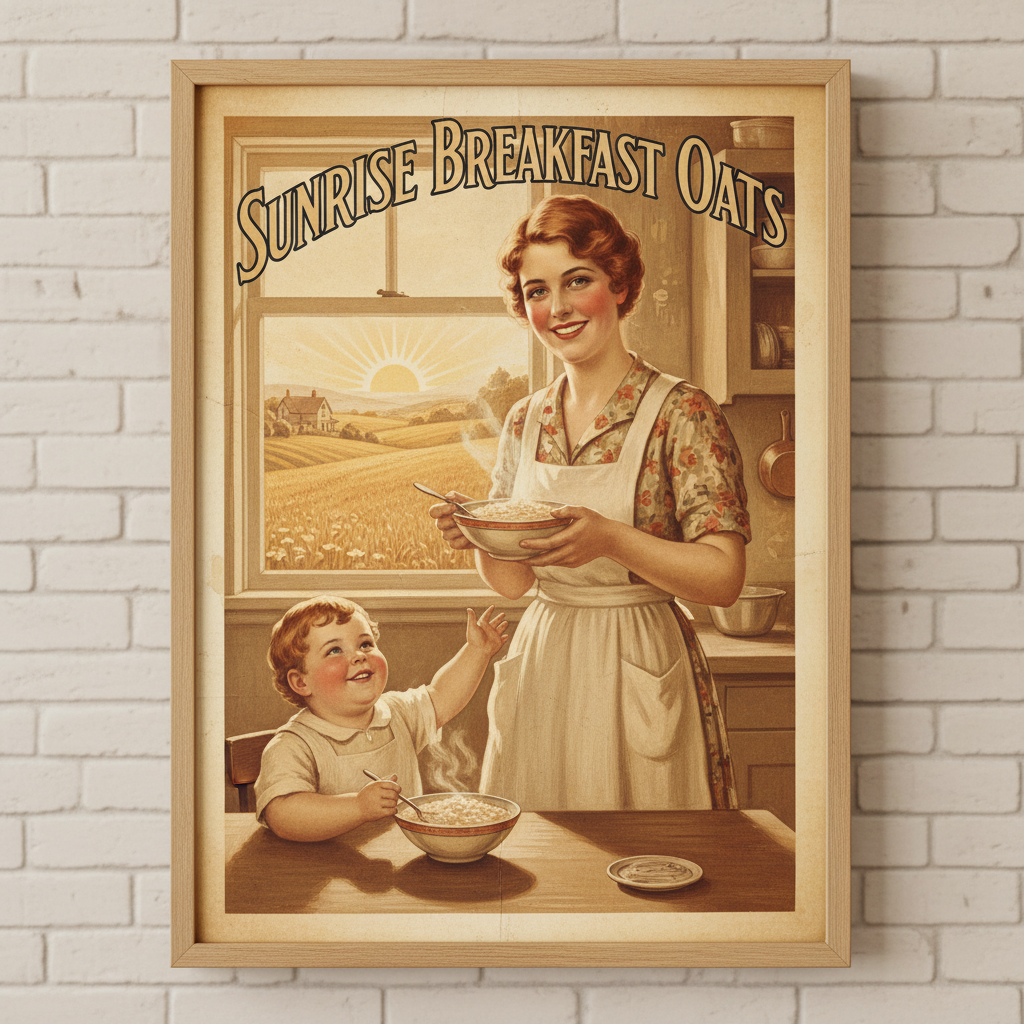
The importance of this approach lies in its ability to tap into deep-seated psychological triggers. When consumers encounter nostalgic content, it can trigger feelings of comfort, security, and happiness associated with their past. This emotional resonance helps to build trust and loyalty, making the brand feel more authentic and human. In a world saturated with new products and fleeting trends, a brand’s heritage offers a stable, reassuring anchor. It provides a unique selling proposition that competitors cannot easily replicate. Furthermore, sharing a brand’s history can communicate its enduring quality and resilience. It tells a story of longevity and proven value, which can be very persuasive to modern consumers seeking reliability.
* Defining Nostalgia Marketing: This marketing strategy intentionally uses references to the past to elicit positive emotional responses from consumers, often leading to increased brand affinity and purchase intent.
* What is Brand Heritage Content?: Brand heritage content includes all historical materials, narratives, and cultural associations that showcase a brand’s legacy, evolution, and foundational values. These assets provide a rich source for storytelling.
* Why is it Effective?: It works by creating an emotional bond, fostering trust, and highlighting a brand’s authenticity and longevity, which are highly valued attributes in today’s marketplace. This emotional connection often translates into stronger brand loyalty and advocacy.
How to Remix Brand IP and Heritage for Emotional Digital Campaigns
To effectively remix brand IP and heritage for emotional digital campaigns, marketers must identify iconic elements from their past and creatively adapt them for contemporary digital platforms. This involves more than just re-sharing old assets; it requires thoughtful reinterpretation to ensure relevance and impact. Start by auditing your brand’s intellectual property (IP) – logos, slogans, characters, jingles, and advertising campaigns – to pinpoint what resonates most strongly with current and prospective audiences. The goal is to breathe new life into these classic elements, making them feel fresh while retaining their nostalgic charm.
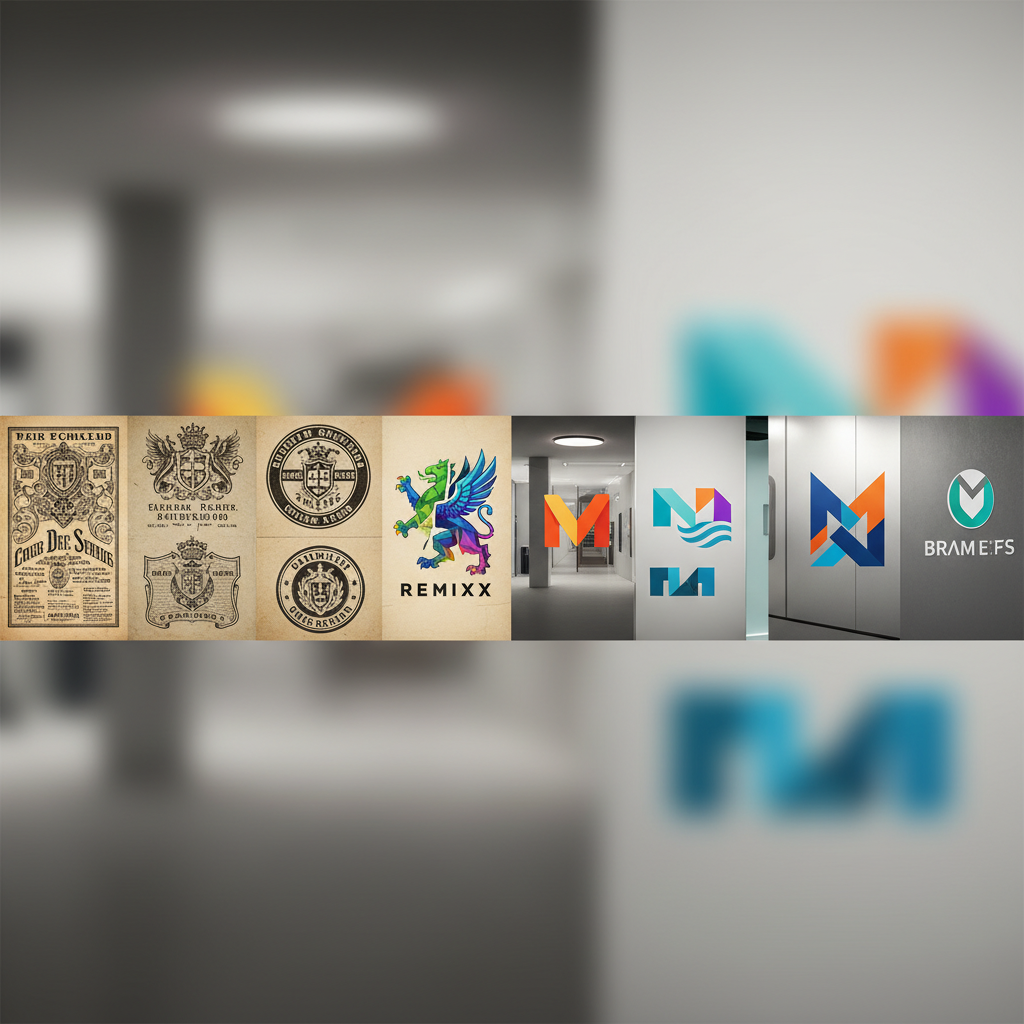
One powerful strategy is to update vintage visuals with modern design sensibilities, or to create new content that directly references historical campaigns with a contemporary twist. For instance, a brand might recreate an iconic old commercial with today’s influencers, or launch a limited-edition product line featuring retro packaging. User-generated content (UGC) campaigns can also be incredibly effective, inviting consumers to share their own memories and experiences with the brand’s heritage. This approach not only generates authentic content but also strengthens community engagement. The key is to understand what aspects of your brand’s past evoke genuine emotion and then to translate that feeling into engaging digital formats. This could mean interactive quizzes about brand history, short-form video content featuring archival footage, or social media polls asking about favorite past products.
* Identifying Core Brand IP: Begin by meticulously reviewing your brand’s historical assets, including logos, slogans, product designs, and past advertising campaigns, to identify elements with strong recognition and emotional appeal. These are the building blocks for your remix.
* Adapting Heritage for Digital: Transform traditional heritage elements into formats suitable for digital consumption, such as animated GIFs, short video clips, interactive stories, or augmented reality filters that bring past designs to life. This ensures content is shareable and engaging.
* Crafting Emotional Narratives: Develop compelling stories around your brand’s history that highlight its enduring values, significant milestones, or heartwarming anecdotes. These narratives should be designed to evoke feelings of nostalgia, comfort, or joy, creating a deeper connection with the audience. Consider how your brand’s journey reflects broader cultural shifts, making its story more relatable.
Developing a Retro Brand Aesthetic Content Strategy for Social Media Engagement
Developing a retro brand aesthetic content strategy for social media engagement involves intentionally crafting visual and narrative elements that evoke a specific past era, thereby capturing attention and fostering deeper connections with your audience. This strategy goes beyond simply using old photos; it encompasses design choices, color palettes, typography, and even the tone of voice in your captions. The aim is to create a cohesive and immersive experience that transports users back in time, making your content memorable and shareable. A distinct retro aesthetic can make a brand instantly recognizable in a crowded social feed.
To implement this, brands should first define which era’s aesthetic best aligns with their heritage and target audience’s nostalgic preferences. Is it the vibrant pop art of the 60s, the grunge of the 90s, or something in between? Once defined, consistency is paramount across all social media platforms. This means applying the chosen aesthetic to everything from profile pictures and cover photos to individual posts, stories, and reels. Visual elements like grain filters, specific color gradients, and vintage-inspired graphics can significantly contribute to the desired look. Furthermore, consider how this aesthetic translates into interactive content, such as quizzes asking users about their favorite retro trends or polls comparing past and present product designs. By offering Digital Marketing Services, brands can ensure their retro aesthetic is expertly integrated across all digital touchpoints.
* Defining Your Retro Era: Select a specific historical period (e.g., 80s neon, 50s diner chic) that resonates with your brand’s identity and target demographic, ensuring the chosen aesthetic feels authentic and appealing. This clarity guides all subsequent design decisions.
* Visual Consistency Across Platforms: Apply your chosen retro aesthetic uniformly across all social media channels, including consistent use of filters, color schemes, fonts, and graphic elements, to create a cohesive and recognizable brand presence. This builds brand recognition.
* Engaging Retro-Themed Content: Create interactive content such as polls, quizzes, and challenges that incorporate your retro aesthetic, encouraging user participation and fostering a sense of shared nostalgia. This drives conversation and community.
| Retro Aesthetic Element | Application in Social Media | Impact on Engagement |
|---|---|---|
| Color Palettes | Use muted tones (70s), neon brights (80s), or pastel shades (50s) consistently. | Creates immediate visual recognition; evokes specific emotional responses. |
| Typography | Incorporate vintage fonts or hand-drawn lettering styles from a chosen era. | Adds character and authenticity; differentiates brand from modern aesthetics. |
| Photography/Filters | Apply grain, sepia tones, or specific color casts to images and videos. | Enhances nostalgic feel; makes content feel like a “throwback.” |
| Graphic Elements | Utilize classic patterns, illustrations, or iconic symbols from the past. | Reinforces the chosen era’s vibe; adds playful or sophisticated touches. |
Crafting Nostalgic Brand Storytelling for Connecting with Millennial Audiences
Crafting nostalgic brand storytelling for connecting with millennial audiences is highly effective because this demographic often holds a strong emotional connection to the cultural touchstones of their youth. Millennials, generally born between the early 1980s and mid-1990s, are now in their prime earning and spending years, making them a crucial target. Their nostalgia often centers around 8-bit video games, 90s pop culture, early internet aesthetics, and specific consumer products from their childhood. Brands can tap into this by weaving narratives that subtly or overtly reference these shared experiences, creating a sense of familiarity and warmth. For more insights, check out our guide on Digital Marketing Services.
Effective storytelling for millennials involves more than just showing old products; it’s about evoking the feelings and memories associated with those items or eras. This could involve highlighting how a product was part of a family tradition, a symbol of friendship, or a companion during significant life moments. Brands can use various mediums, from long-form blog posts detailing historical anecdotes to short, evocative social media captions that spark conversation. User-generated content plays a pivotal role here, as millennials are often eager to share their own nostalgic stories. Encouraging them to post photos or videos of their past experiences with your brand can amplify your message. Authenticity is key; the storytelling must feel genuine and not exploitative of their memories. Brands that successfully connect with millennials through nostalgic narratives build a loyal community that feels a personal stake in the brand’s journey.
* Understanding Millennial Nostalgia Triggers: Research and identify the specific cultural references, products, and experiences from the 80s and 90s that resonate most strongly with the millennial demographic, as these will be your most potent storytelling tools. This ensures your content hits the right emotional notes.
* Authentic Storytelling Techniques: Develop narratives that are genuine and relatable, focusing on the emotional impact and shared experiences rather than just product features. Use personal anecdotes, historical context, and testimonials to build credibility.
* Leveraging User-Generated Content: Encourage millennials to share their own nostalgic memories and interactions with your brand, amplifying your storytelling through authentic customer voices and fostering a sense of community. This creates a powerful feedback loop.
Implementing a Brand Archive Content Strategy for YouTube and Social Media Growth
Implementing a brand archive content strategy for YouTube and social media growth involves systematically unearthing, digitizing, and repurposing historical brand assets into engaging content formats suitable for modern digital platforms. This strategy is not merely about preserving history; it’s about actively using that history as a dynamic source for new, compelling content that drives audience interest and expands reach. Brands possess a treasure trove of untapped content in their archives, from old commercials and product development footage to historical advertisements and corporate documents.
For YouTube, long-form content can include mini-documentaries about the brand’s origins, “behind-the-scenes” looks at classic product creation, or compilations of iconic advertisements through the decades. These videos can offer deep dives into brand heritage, appealing to both long-time fans and new audiences curious about the brand’s legacy. On social media platforms like Instagram and TikTok, short-form video content is king. Brands can create quick, engaging clips featuring snippets of old commercials, “then and now” comparisons of products, or visually striking historical imagery set to trending audio. Repurposing old print ads into carousels or interactive stories can also drive engagement. The key is to transform static archival material into dynamic, shareable content that aligns with platform-specific consumption habits. This strategy not only provides a continuous stream of unique content but also reinforces brand authenticity and storytelling.
* Digitizing and Curating Archives: Systematically scan, catalog, and organize all historical brand assets, including photographs, videos, print ads, and product designs, to create a readily accessible digital archive. This foundational step makes content creation efficient.
* Repurposing for YouTube: Transform long-form archival footage into engaging YouTube content such as brand documentaries, historical product reviews, or compilations of vintage commercials, providing in-depth storytelling for a dedicated audience. This builds a valuable content library.
* Optimizing for Social Media: Adapt snippets of archival content into short, visually appealing formats for platforms like Instagram, TikTok, and Facebook, utilizing trending sounds, interactive elements, and compelling captions to maximize reach and engagement. This ensures broad appeal.
Measuring the Impact of Heritage Marketing and Future Trends
Measuring the impact of heritage marketing is crucial for understanding its effectiveness and optimizing future campaigns. While direct ROI can be challenging to attribute solely to nostalgia, key performance indicators (KPIs) related to brand sentiment, engagement, and audience growth provide valuable insights. Brands should track metrics such as social media engagement rates (likes, shares, comments on nostalgic posts), website traffic to heritage-focused content, and increases in brand mentions or positive sentiment. Surveys and focus groups can also gauge emotional connection and brand perception shifts. Monitoring sales of retro-inspired products or limited-edition heritage collections offers a more tangible measure of success.
The future of nostalgia marketing will likely see even more sophisticated integration of technology and personalized experiences. Augmented reality (AR) and virtual reality (VR) could allow consumers to “step into” historical brand moments, offering immersive nostalgic experiences. AI-driven personalization will enable brands to tailor nostalgic content to individual consumer preferences, based on their age, interests, and past interactions. Furthermore, the focus might shift towards “future nostalgia,” where brands intentionally create content today that is designed to evoke nostalgia in the coming years. This proactive approach involves building meaningful brand memories in real-time. The enduring power of human emotion ensures that brand heritage content will remain a vital tool for connecting with audiences in authentic and impactful ways.
* Key Performance Indicators for Heritage Campaigns: Track metrics such as social media engagement (likes, shares, comments), website traffic to heritage content, brand sentiment analysis, and sales data for retro-themed products to assess campaign effectiveness. These metrics provide a holistic view.
* Leveraging Technology for Immersive Experiences: Explore the use of augmented reality (AR) and virtual reality (VR) to create interactive and immersive nostalgic experiences, allowing consumers to digitally explore brand archives or historical moments. This enhances engagement.
* The Rise of Future Nostalgia: Consider strategies for creating content today that is designed to become nostalgic in the future, building a foundation of positive brand memories for upcoming generations. This involves foresight and consistent brand messaging.
What is the primary goal of nostalgia marketing?
The primary goal of nostalgia marketing is to forge a deeper emotional connection between consumers and a brand by evoking positive memories and feelings associated with their past. This strengthens brand loyalty and fosters a sense of authenticity.
How can brands identify their most valuable heritage content?
Brands can identify valuable heritage content by conducting thorough archive audits, analyzing past marketing campaign performance, and gathering consumer feedback on what historical elements resonate most. Focus on iconic, emotionally resonant assets.
Why are millennials a key target for nostalgia marketing?
Millennials are a key target because they are now in their prime spending years and often have strong emotional ties to the cultural touchstones and products of their childhood and adolescence (e.g., 80s and 90s pop culture).
What is a “retro brand aesthetic” in social media?
A retro brand aesthetic on social media involves consistently applying visual and narrative elements from a specific past era (e.g., color palettes, fonts, graphic styles) to create a cohesive, nostalgic look and feel across all content.
How does brand archive content contribute to social media growth?
Brand archive content contributes to social media growth by providing unique, authentic, and engaging material that stands out. It offers compelling storytelling opportunities, increases shareability, and attracts new followers interested in a brand’s history and legacy.
What are the risks of using nostalgia marketing?
Risks include alienating younger audiences who don’t share the same nostalgic references, appearing inauthentic or exploitative if not handled carefully, or simply failing to resonate if the chosen nostalgic elements are not powerful enough. Authenticity is paramount.
Harnessing a nostalgia marketing strategy using brand heritage content offers a powerful pathway to deeper consumer engagement and lasting brand loyalty. By thoughtfully revisiting a brand’s past, marketers can tap into universal human emotions, creating campaigns that resonate on a personal level.
* Emotional Connection: Heritage content builds trust and affinity by evoking positive memories.
* Authenticity: Showcasing a brand’s history reinforces its genuine values and longevity.
* Audience Engagement: Remixing IP for digital campaigns drives interaction and shareability.
* Millennial Appeal: Tailored nostalgic storytelling connects with a crucial demographic.
* Content Richness: Brand archives provide an endless source of unique, engaging material.
Embrace your brand’s rich history to craft compelling narratives that not only celebrate the past but also powerfully shape its future. Start exploring your brand’s heritage today to unlock new avenues for growth and connection.