
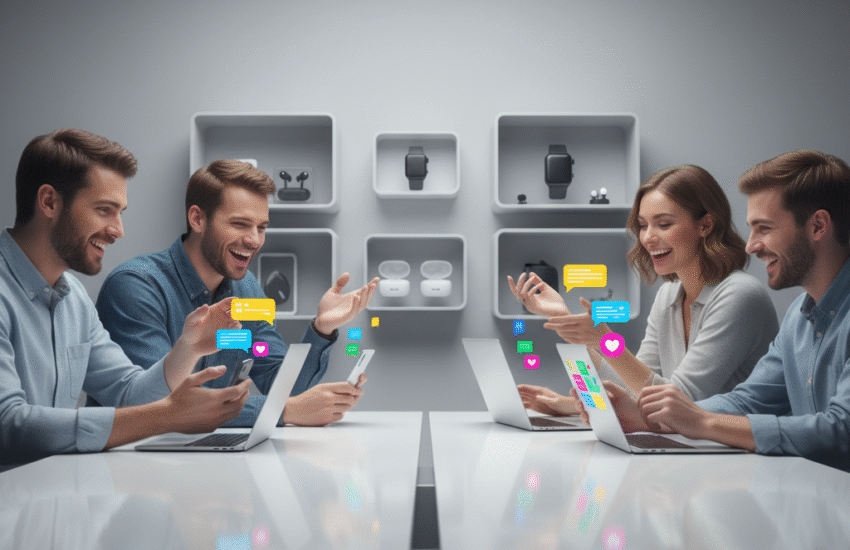
Live Commerce Strategy: The Untapped Goldmine You’re Missing
I remember staring at our analytics, scratching my head. We were pouring money into ads, optimizing product pages, and still, conversions felt like pulling teeth. It was frustrating, to say the least. Then, a colleague casually mentioned “live selling,” and honestly, I rolled my eyes a little. Another shiny new object, right? But what I discovered next completely reshaped our entire approach to social commerce. The truth is, while many brands are still perfecting their static product listings and ad campaigns, a powerful new frontier is emerging: Live Commerce Strategy. This isn’t just about broadcasting; it’s about cultivating a dynamic, real-time connection with your audience that traditional methods simply can’t replicate.
In this post, you’ll discover how to build a robust Live Commerce Strategy, learn why an interactive shopping experience is no longer optional, and get actionable tactics for driving conversions — backed by real-world examples from my own journey. We’ll dive deep into everything from choosing the right live commerce platforms to mastering audience engagement live shopping and ensuring your efforts lead to tangible sales growth.
Why Your Brand Needs a Live Shopping Strategy Now

The digital landscape is a noisy place, more crowded than ever before. Customers are bombarded with ads, endless product options, and their attention spans are shorter than ever. Traditional ecommerce, while still vital, often lacks the human connection that builds genuine trust and urgency. This is precisely why live commerce isn’t just a fleeting trend; it’s a fundamental shift in how consumers want to interact with brands, representing a significant evolution in social commerce live selling. Reports indicate that the global live commerce market is projected to reach over $600 billion by 2027, showcasing its explosive growth and undeniable potential.
Think about it: people crave authenticity and connection. They want to see products in action, ask questions in real-time, and feel like part of a community. They’re looking for honest product demonstration live stream experiences, not just polished studio shots. Live stream shopping tips aren’t just about selling; they’re about building relationships, fostering loyalty, and creating a memorable interactive shopping experience. Neglecting this channel means leaving a massive opportunity on the table to connect with your audience in a way that static content simply can’t. It’s about bringing the spontaneity, personalized feel, and immediate gratification of in-store shopping directly to your audience, wherever they are, transforming passive viewing into active purchasing. Brands that embrace this now are positioning themselves for significant competitive advantage, building deeper customer relationships and unlocking new revenue streams.
Developing a Winning Live Commerce Strategy for Brands
Developing a comprehensive Live Commerce Strategy for brands starts with understanding your audience and aligning your live content with their needs and preferences. It’s not just about hitting the “go live” button; it’s about thoughtful planning, engaging execution, and meticulous follow-up to create a truly interactive shopping experience that resonates and drives results. A well-crafted strategy ensures every live event contributes to your overarching business goals, from brand awareness to direct sales. This involves a multi-faceted approach, integrating content creation, platform selection, engagement tactics, and robust analytics to continuously refine your efforts.
Crafting Your Ecommerce Live Video Strategy
Your ecommerce live video strategy should be a cornerstone of your social commerce efforts, focusing on delivering value beyond just product features. This means planning engaging content that educates, entertains, and solves problems for your viewers. Consider themes like “how-to” guides, behind-the-scenes glimpses, or even collaborative sessions with influencers to maximize reach and appeal. For example, if you sell beauty products, a live stream demonstrating a full makeup look, a seasonal trend tutorial, or a skincare routine will perform far better than just showcasing individual items. Similarly, a sustainable fashion brand could host a “thrift flip” challenge using their accessories, or a tech gadget company might offer a live unboxing and setup guide, answering questions as they go.
The goal is to create a compelling narrative around your products, making them indispensable. This could involve showing the product in different real-world scenarios, highlighting its durability, versatility, or ease of use. By creating engaging live shopping content, you transform a simple sales pitch into an immersive storytelling experience. Think about the lifestyle your products enable and showcase that vision. This approach not only educates potential customers but also builds an emotional connection, fostering a sense of community around your brand. Remember, the more value you provide, the more likely viewers are to stay, engage, and ultimately convert.
Choosing the Right Live Commerce Platforms
Selecting the right live commerce platforms is crucial for reaching your target audience effectively and executing your Live Commerce Strategy. Different platforms cater to different demographics and content styles, so understanding where your customers spend their time is paramount. A platform that works wonders for one brand might fall flat for another if their audience isn’t present there.
| Platform | Best For | Key Features | Audience Demographics |
| :———— | :——————————————— | :—————————————————- | :————————————————– |
| Instagram Live | Fashion, beauty, lifestyle, quick product demos | Q&A, polls, shopping tags, co-hosting, product launches | Younger demographics (18-34), highly visual, trend-focused |
| TikTok Live | Trendy products, entertainment, viral content | In-app shopping, effects, gamification, short-form, creator collaborations | Gen Z (13-24), highly engaged, discovery-focused, entertainment-driven |
| Facebook Live | Broader audience, community building, longer streams | Product tagging, comments, watch parties, scheduled events, cross-posting | Diverse, older demographics (25-54), established communities, event-driven |
| YouTube Live | In-depth reviews, tutorials, evergreen content | Super Chat, memberships, extensive analytics, search visibility, long-form content | Tech-savvy, tutorial-focused, broad, interest-based communities |
| Amazon Live | Direct sales, product launches, brand storytelling | Product carousels, host interactions, integrated purchasing, influencer programs | Shopper-focused, product-driven, high purchase intent |
How to run successful Instagram live shopping events, for instance, often involves leveraging its visual nature, influencer collaborations, and the seamless integration of shopping tags. Brands can host “haul” videos, “get ready with me” sessions, or even live style consultations. Meanwhile, TikTok live shopping best practices for conversions lean heavily into short, dynamic, and entertaining content that feels native to the platform, often incorporating challenges, trends, and user-generated content to drive engagement and sales. For developing a live shopping strategy for brands targeting professionals, LinkedIn Live might even be a niche option for B2B product demonstrations or expert Q&As. The key is to research where your ideal customer spends their time online and tailor your content and approach to that specific platform’s culture and features.
Mastering Audience Engagement Live Shopping
Maximizing audience engagement live shopping is about creating a dynamic, two-way conversation, not a one-sided sales pitch. Actively respond to comments and questions in real-time, run polls to gather instant feedback, and even bring viewers onto the stream if the platform allows, transforming them from passive observers into active participants. This level of interaction is a cornerstone of effective social selling techniques. For instance, a brand selling kitchen gadgets could ask viewers to vote on which recipe to demonstrate next, or a clothing brand could host a “style me” segment where viewers suggest outfits.
Don’t forget the power of incentives! Exclusive discounts for live viewers, flash sales, limited-time bundles, or even giveaways can create urgency and drive immediate purchases. Announce these incentives early in the stream and reiterate them throughout. Live commerce engagement tactics for product launches often include sneak peeks, countdowns, and exclusive pre-orders available only during the live event. Beyond direct sales, engagement also builds community. Acknowledging viewers by name, answering their specific questions, and fostering a friendly atmosphere makes them feel valued and connected to your brand. This personal touch is what converts casual viewers into loyal customers, significantly impacting driving conversions in live commerce.
Product Demonstration Live Stream Best Practices
A compelling product demonstration live stream is the heart of successful live selling. Don’t just show the product; use it. Highlight its unique features, demonstrate its benefits in real-time, and address common pain points your customers face. This is your chance to really showcase value and differentiate your offering. For example, if you’re selling a new vacuum cleaner, don’t just hold it up; show it tackling different types of messes on various surfaces, demonstrating its suction power and maneuverability. If it’s a skincare product, apply it on camera, explaining the texture, scent, and immediate effects.
Think about the questions customers typically ask before buying and answer them proactively during your demonstration. Is it easy to assemble? How durable is it? What are the common uses? For instance, if you’re selling kitchenware, show how easy it is to clean, store, or assemble, addressing practical concerns. If it’s a piece of tech, walk through the setup process and highlight key functionalities. This transparency builds trust and confidence, reducing buyer’s remorse and increasing the likelihood of a purchase. Incorporate close-ups, different angles, and even user testimonials to make the demonstration as comprehensive and convincing as possible. Creating engaging live shopping content often hinges on the quality and clarity of these demonstrations.
Conversion Optimization Live Commerce
Conversion optimization live commerce involves a holistic approach, from pre-event promotion to post-event follow-up. Before going live, create anticipation with compelling teasers, countdowns, and reminders across all your social channels, email lists, and website. Use eye-catching graphics and short video clips to pique interest. During the event, make the purchasing process seamless with direct links, in-app shopping features, or clear instructions on how to buy. Minimize friction at every step. After the event, repurpose key snippets into short-form videos, share a full recording, and follow up with attendees via email, offering a recap of featured products and any exclusive discounts.
Measuring ROI of live shopping events on social media is critical for refining your Live Commerce Strategy. Track sales directly attributable to the live stream (using unique discount codes or tracking links), engagement metrics (comments, shares, reactions, viewer count, average watch time), new follower growth, and post-event website traffic to featured product pages. This data will inform future strategy adjustments, helping you understand what content resonates, which products sell best, and which calls to action are most effective. By continuously analyzing these metrics, you can optimize your approach for driving conversions in live commerce and ensure your live efforts are a profitable part of your overall marketing mix.
Live Shopping Best Practices for Increasing Sales
To truly increase live stream sales, focus on authenticity and building a genuine connection. Don’t be afraid to show your personality; viewers connect with real people, not just polished corporate facades. Practice your presentation, but be ready to improvise and engage spontaneously with your audience. Technical glitches happen; how you handle them often matters more than avoiding them entirely – a calm, humorous response can even endear you to your audience. These are crucial live shopping best practices that differentiate successful streams.
Successful live shopping event planning also includes having a clear call to action (CTA) throughout the stream. Remind viewers what to do next, whether it’s clicking a link, adding to cart, or asking a question. Make it easy for them to take the next step towards purchase. Use on-screen graphics, pinned comments, and verbal cues. Additionally, consider having a moderator in the comments section to answer questions, post links, and manage the chat, freeing up the host to focus on the presentation. This proactive approach to optimizing social media live selling ensures that every engaged viewer has a clear path to conversion, maximizing the impact of your efforts and contributing to best practices for increasing live stream sales.
PART 6: Real-world Case Study: “GlowUp Cosmetics” Doubles Sales with Strategic Live Commerce
Situation: GlowUp Cosmetics, a small indie beauty brand, struggled with low engagement on their static product posts and found it hard to differentiate themselves in a crowded market dominated by larger players. Their sales were stagnant, and customer acquisition costs were rising through traditional ad spend. They needed a way to connect directly with their audience, build a loyal community, and authentically showcase their unique, cruelty-free product formulations beyond just flat images and text. They recognized the need for a more dynamic and personal approach to their Live Commerce Strategy.
Action: We advised GlowUp to implement a consistent Live Commerce Strategy focused on weekly “Beauty Breakdown” sessions on Instagram Live. Instead of just showcasing individual products, they shifted their ecommerce live video strategy to demonstrate full makeup looks, shared comprehensive skincare routines using their items, and hosted live Q&A sessions with their passionate founder. This approach transformed their streams into an interactive shopping experience. They leveraged Instagram’s native shopping tags to make products instantly purchasable directly from the stream, significantly reducing friction. To incentivize immediate action, they offered exclusive 15% off discount codes only for live viewers, creating urgency and rewarding loyal engagement. Furthermore, they actively encouraged user-generated content by inviting viewers to share their looks using a specific hashtag, which they then featured in subsequent lives, fostering a strong sense of community and providing authentic social proof. This proactive audience engagement live shopping approach, combined with clear social selling techniques, proved pivotal. They also invested in better lighting and a stable tripod for their product demonstration live stream, ensuring a professional presentation.
Result: Within three months of consistently implementing this refined Live Commerce Strategy, GlowUp Cosmetics saw a remarkable 110% increase in sales directly attributable to their Instagram Live events. Their average order value from live streams was 25% higher than their regular ecommerce sales, indicating that engaged live viewers were more likely to purchase multiple items. Their Instagram follower growth accelerated by 40%, demonstrating the power of live content in expanding reach and building a dedicated audience. The interactive shopping experience built a loyal community around the brand, turning viewers into advocates, and the exclusive discounts drove immediate conversions, proving the immense power of a well-executed social commerce live selling approach. This case study clearly illustrates how a strategic focus on conversion optimization live commerce and live shopping best practices can lead to significant, measurable growth for brands of any size.
Mistakes That Are Costing You Results

Even with the best intentions, brands often stumble when implementing their Live Commerce Strategy. Avoiding these common pitfalls is crucial for maximizing your ROI and driving conversions in live commerce.
Ignoring Pre- and Post-Event Promotion
Many brands make the mistake of thinking the live stream itself is the entire strategy. Without proper promotion beforehand, you’ll have no audience. And without follow-up, you’re missing out on continued engagement and sales. A successful live event is a journey, not just a destination.
What to do instead: Create a detailed promotional schedule leading up to your event, utilizing stories, feed posts, reels, email newsletters, and even paid ads to build hype. Tease what viewers can expect, highlight any special guests or exclusive offers. After the live stream, repurpose key snippets into short, engaging videos, share a full recording (if appropriate), and send follow-up emails with direct links to featured products and a clear call to action. This extends the life of your content and captures those who couldn’t attend live.
Being Overly Salesy
Pushing products too hard without providing value is a surefire way to drive viewers away. People tune into live streams for entertainment, education, and interaction, not just a hard sell. An overly aggressive sales pitch undermines the authenticity that makes live commerce so powerful.
What to do instead: Focus on building a relationship first. Share tips, answer questions, tell stories about your brand or products, and let the product naturally fit into the conversation as a solution or enhancement. Demonstrate its value rather than just stating it. The sales will follow organically when trust is established and viewers genuinely see the benefit. Remember, the goal is an interactive shopping experience, not a monologue.
Neglecting Technical Setup
Poor audio, bad lighting, a shaky camera, or an unstable internet connection can instantly undermine your credibility and make your brand look unprofessional. Viewers expect a certain level of quality, and technical issues are a major turn-off that can lead to rapid audience drop-off.
What to do instead: Invest in a decent external microphone (even a lavalier mic can make a huge difference), ensure good lighting (natural light is often best, but ring lights are affordable and effective), and use a stable tripod or stand for your camera. Test your internet connection thoroughly before going live, and have a backup plan if possible. A smooth technical experience is fundamental to creating engaging live shopping content and maintaining viewer attention.
Forgetting Clear Calls to Action
It sounds obvious, but many live streams end without a clear directive for the audience. Viewers might be interested but won’t know what to do next, leading to missed opportunities for driving conversions in live commerce.
What to do instead: Throughout your live stream, verbally and visually (if possible, with on-screen text or pinned comments) reiterate your call to action. “Click the link in our bio,” “Shop now directly from the stream,” “Add to cart using the product tag,” or “DM us for a special offer.” Make it impossible to miss, and ensure the path to purchase is as frictionless as possible. This is a critical component of conversion optimization live commerce.
Frequently Asked Questions

1. What is live shopping in social commerce?
Live shopping in social commerce is an interactive online retail experience where brands and influencers showcase products via live video streams, allowing viewers to ask questions, interact, and make purchases in real-time. It merges entertainment with immediate shopping opportunities, creating a dynamic interactive shopping experience.
2. How can brands create a successful live shopping strategy?
Brands can create a successful Live Commerce Strategy by identifying their target audience, choosing the right live commerce platforms, planning engaging content that provides value, promoting events effectively, interacting actively with viewers, and optimizing for conversions with clear calls to action and post-event analysis. Developing a live shopping strategy for brands requires a holistic approach.
3. What are the key benefits of live commerce for social brands?
Key benefits include increased audience engagement live shopping, higher conversion rates due to urgency and interactivity, enhanced brand trust and authenticity, real-time customer feedback, and the ability to showcase products dynamically. These factors collectively contribute to driving conversions in live commerce and building stronger brand loyalty.
4. How do you measure the effectiveness of live shopping events?
Measuring ROI of live shopping events on social media involves tracking direct sales generated during and immediately after the event, engagement metrics (comments, shares, reactions), viewer count, average watch time, new follower growth, and post-event website traffic or specific product page views. Unique discount codes or tracking links are essential for accurate attribution.
5. What platforms are best for live stream shopping?
The best live commerce platforms depend on your target audience and content style, but popular choices include Instagram Live, TikTok Live, Facebook Live, YouTube Live, and Amazon Live, each offering unique features for social commerce live selling. Consider where your audience spends the most time.
6. How can engagement be maximized during a live shopping event?
Engagement can be maximized by actively responding to comments, running polls and Q&As, offering exclusive discounts and giveaways, using interactive features like co-hosting, inviting guest hosts, and creating a fun, conversational atmosphere that encourages participation. These are key live commerce engagement tactics for product launches and ongoing sales.
7. What are common challenges in implementing live shopping?
Common challenges include building an initial audience, ensuring stable internet connection and technical quality, managing real-time comments and questions effectively, consistently creating engaging live shopping content, and accurately measuring ROI without proper tracking tools. Overcoming these requires careful successful live shopping event planning.
8. How to prepare for a live product launch on social media?
To prepare for a live product launch, create a detailed script or outline, test all equipment thoroughly, promote the event heavily across all channels, prepare exclusive offers specific to the launch, train your host, and have a dedicated team ready to answer questions and manage comments during the stream. This ensures a smooth and impactful product demonstration live stream.
Why I Disagree With “Always Go Live for an Hour”
Most people say that for live streams to be effective, you need to go live for at least an hour to build momentum and capture an audience. I think that’s wrong because my experience shows that quality and engagement trump duration every single time. We’ve seen some of our most successful live shopping events, particularly on TikTok and Instagram, last a mere 20-30 minutes. The key isn’t the clock; it’s the energy, the value delivered, and the immediate call to action.
In today’s fast-paced digital world, attention spans are fleeting. A concise, high-impact stream that gets straight to the point, delivers value, and clearly guides viewers to the next step can often outperform a longer, less focused one. If you can pack a punch in less time, you’ll hold attention better and often see higher conversion rates from a more focused, high-impact stream. This approach aligns with TikTok live shopping best practices for conversions and how to run successful Instagram live shopping events, where quick, engaging content reigns supreme. It’s about respecting your audience’s time while still providing an enriching interactive shopping experience.
Pick one thing from this list and try it this week. That’s it. You’ll see the difference in how your audience responds and how your sales numbers start to shift. Embracing a thoughtful Live Commerce Strategy isn’t just about keeping up; it’s about leading the way in the future of online retail.