
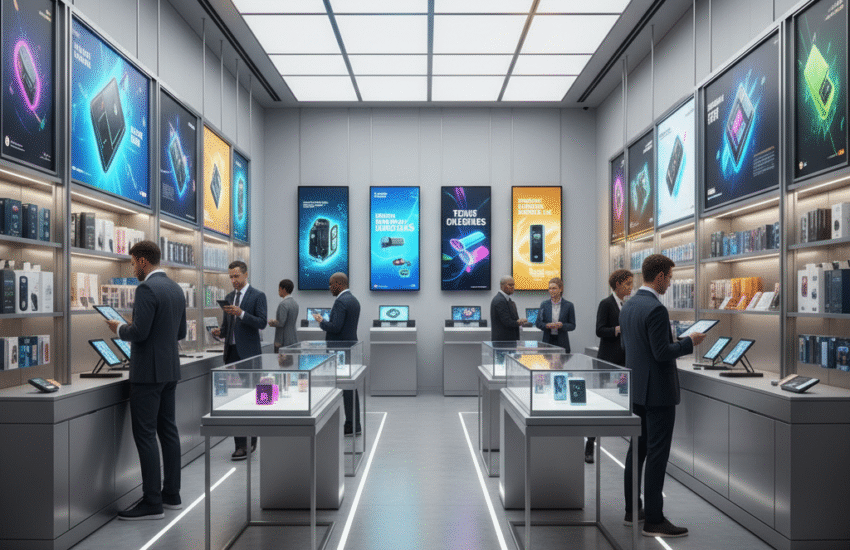
In-Store Retail Media Advertising: The Undeniable Power You’re Overlooking
I remember a few years back, we were pouring all our marketing budget into digital ads, convinced that was where all the action was. Our online campaigns were humming, driving impressive traffic and engagement metrics. Yet, something felt… disconnected. We’d successfully drive customers to product pages and add-to-cart buttons, only for them to walk into a physical store and experience a completely different brand message, or worse, none at all. It was like shouting into a void once they crossed the threshold, a significant missed opportunity for true brand activation in retail. This fragmented approach meant we were losing momentum precisely at the moment of truth – the physical purchase.
In this comprehensive post, you’ll discover how to implement in-store retail media strategy effectively, learn why connecting online and offline experiences is absolutely crucial for modern brands, and get actionable best practices — backed by real-world examples. We’ll explore the nuances of in-store retail media advertising, from its definition to its powerful impact on shopper behavior and brand performance.
Why Your Brand Needs a Unified Shopper Experience Now

The retail landscape has fundamentally shifted, evolving far beyond simple online or offline transactions. Shoppers aren’t just browsing online or in-store anymore; they’re doing both, often simultaneously, sometimes even within the same shopping journey. This “phygital” reality means your brand can’t afford to have a disjointed presence. If your digital efforts don’t seamlessly extend into the physical store, you’re leaving a massive gap in your customer journey and missing out on critical brand activation in retail opportunities. Consumers expect a consistent, integrated experience, whether they’re scrolling on their phone, interacting with a social media ad, or walking down an aisle in a brick-and-mortar location.
Ignoring in-store retail media advertising is like training for a marathon but only running half the race. You might get ahead initially with strong online performance, but you’ll never cross the finish line with your full potential, nor will you capture the entire customer lifetime value. Brands that fail to adapt risk becoming irrelevant in an increasingly competitive market where every touchpoint matters, and the physical store remains a dominant channel for purchases. Studies consistently show that even with the rise of e-commerce, a significant majority of retail sales still happen in physical stores. This isn’t just about placing a few static posters; it’s about creating an immersive, data-driven environment that speaks directly to the shopper at the moment of truth, influencing decisions right at the shelf. The future of retail demands a sophisticated, omnichannel retail media approach, and in-store is unequivocally the next frontier for growth and deeper customer engagement. It’s about bridging the digital-physical divide to create a truly cohesive and impactful brand narrative.
What Exactly is In-Store Retail Media Advertising?
In-store retail media advertising is the strategic use of digital and traditional ad placements within a physical retail environment to engage shoppers and influence purchase decisions. It’s far more than just shelf talkers or end-cap displays; think dynamic digital in-store screen advertising on retail media networks, interactive kiosks that allow product exploration, audio messages that highlight promotions, and even smart displays that react to shopper presence or demographics. The overarching goal is to deliver targeted, relevant messages right at the point of purchase advertising, where intent is highest and decisions are actively being made.
This modern approach leverages the physical store itself as a powerful, measurable media channel, allowing brands to extend their digital campaigns into the real world. It’s about creating a cohesive brand story that follows the customer from their initial online search, through their journey in the store, all the way to the checkout counter. Effective in-store advertising solutions are dynamic, measurable, and deeply integrated into the overall marketing strategy, often managed through sophisticated retail media networks that provide centralized control and data analytics. This integration ensures that the in-store experience isn’t an isolated silo but a vital component of a larger, unified marketing ecosystem. It allows brands to capitalize on the unique sensory and immediate nature of the physical shopping experience, complementing and amplifying their online efforts.
The Evolution from Traditional In-Store Ads
Traditional in-store advertising often relied on static signage, cardboard end-cap displays, printed flyers, and basic product demonstrations. While these methods still have a foundational place, in-store retail media advertising takes it to an entirely new level. It’s a leap from static to dynamic, from generic to personalized, and from unmeasurable to data-driven. We’re talking about sophisticated digital screens that can change content based on time of day, current inventory levels, weather conditions, local events, or even anonymized shopper demographics detected by smart sensors. All of this is managed efficiently through robust retail media networks.
This isn’t just about pushing products more aggressively; it’s about fundamentally enhancing the shopping experience. Imagine a smart display near a coffee aisle showing a recipe that uses the featured coffee, complete with complementary ingredients found nearby, or a screen at the fresh produce section offering tips for selecting ripe avocados and suggesting a guacamole recipe. This level of engagement provides utility and inspiration, transforming the shopping trip from a chore into an interactive and informative experience. The ability to update content in real-time, conduct A/B testing on different creatives, and track impressions and interactions makes modern in-store advertising solutions incredibly powerful. This evolution reflects a broader shift in shopper marketing strategies, moving towards more intelligent, responsive, and customer-centric approaches that truly resonate at the point of purchase advertising.
How In-Store Retail Media Supercharges Brand Performance
The benefits of in-store digital advertising for brands are multi-faceted, ranging from immediate sales uplift to richer customer data and enhanced long-term loyalty. By directly influencing shoppers at the point of decision, brands can see a significant uplift in conversions, often exceeding expectations. It effectively closes the loop between online discovery and offline purchase, making the entire customer journey more impactful and measurable. This direct influence at the crucial moment of purchase is unparalleled in its effectiveness.
Furthermore, in-store retail media advertising provides a powerful platform for advanced shopper marketing strategies, allowing brands to create memorable, immersive experiences that build deeper loyalty and emotional connections. When executed thoughtfully, it transforms the physical store from a mere transactional space into an exciting, engaging destination rather than just a place to pick up necessities. It’s about making every visit count, ensuring that each interaction reinforces brand values and encourages repeat business. This strategic deployment of digital assets within the physical space is key to unlocking new levels of brand performance and customer engagement.
Driving Sales and Enhancing Customer Experience
One of the most immediate and tangible benefits of in-store retail media advertising is its ability to directly impact sales. By showcasing product features, running real-time promotions, highlighting complementary items, or even displaying user reviews right where the purchase decision is being made, brands can significantly boost basket size, conversion rates, and impulse purchases. It’s about expertly nudging shoppers in the right direction at the perfect, most influential moment. For instance, a screen near a snack aisle could display a limited-time offer for a new flavor, or an interactive kiosk in the electronics section could compare product features, helping customers make informed choices instantly.
Beyond sales, this approach dramatically enhances the overall customer experience. Personalized content, interactive displays, and helpful information create a more engaging, less frustrating, and ultimately more enjoyable shopping journey. Imagine a customer looking for gluten-free options; an in-store screen could instantly guide them to the relevant aisle and highlight new gluten-free products. This positive, friction-reduced experience translates directly into stronger brand affinity, increased customer satisfaction, and a higher likelihood of repeat visits. It transforms the often-mundane act of shopping into an enriching interaction, making the brand memorable for all the right reasons.
| Feature | Traditional In-Store Advertising | In-Store Retail Media Advertising |
|---|---|---|
| Content | Static, generic, limited updates | Dynamic, targeted, personalized, real-time updates |
| Flexibility | Low (print, physical changes required) | High (digital, remote, real-time updates, A/B testing) |
| Measurement | Difficult, indirect (e.g., foot traffic estimates) | Easier (impressions, interactions, sales lift, dwell time) |
| Integration | Limited with online campaigns, siloed | Seamless with online, truly omnichannel, data-driven |
| Cost (per update) | Higher (printing, labor, distribution) | Lower (digital distribution, centralized management) |
| Engagement | Passive, often overlooked | Active, interactive, informative, inspiring |
Integrating DOOH for Broader Reach
The integrating DOOH with in-store retail media is a game-changer for expanding reach and creating a truly seamless customer journey. Imagine a powerful campaign running on large format DOOH (Digital Out-of-Home) digital out of home integration with retail media screens strategically placed outside the store – perhaps at a bus stop, a busy street corner, or within a shopping mall concourse. These vibrant, dynamic displays can entice shoppers in, showcasing compelling offers, new product launches, or brand stories. Once inside, the narrative seamlessly continues on smaller, targeted screens, interactive kiosks, and digital shelf talkers. This creates a powerful, consistent message that guides the customer journey from the street to the shelf, amplifying the impact of your entire omnichannel retail media strategy.
DOOH digital out of home integration with retail media extends the reach of your in-store retail media advertising beyond the immediate point of sale, capturing attention and building brand awareness even before a shopper enters the store. It’s about building anticipation, reinforcing brand messaging across multiple, high-impact touchpoints, and driving foot traffic directly into your physical locations. This holistic approach amplifies the effectiveness of your entire retail media strategy, ensuring that your brand is top-of-mind from the moment a potential customer steps out their door until they complete their purchase. It’s a powerful way to bridge the gap between broader brand awareness and hyper-local conversion.
Crafting an Effective In-Store Media Strategy
Creating an effective in-store media strategy requires careful planning, a deep understanding of shopper behavior, and meticulous execution. It’s not just about throwing screens everywhere; it’s about thoughtful placement, compelling and contextually relevant content, and seamless integration with your broader marketing efforts. The ultimate goal is to enhance, not overwhelm, the shopper experience, making it more informative, engaging, and ultimately, more conducive to purchasing. This is fundamental to how to implement in-store retail media strategy successfully.
Start by thoroughly understanding your customer journey within the physical store. Where do they pause? What information do they seek at different points in their journey (e.g., discovery in an aisle, comparison at a display, impulse at checkout)? What questions might they have? This deep insight will guide your strategic placement of in-store advertising solutions and dictate the type of content you display. Remember, context is king: a recipe suggestion works best in the produce aisle, while a loyalty program sign-up is ideal at the checkout. Consider the store layout, traffic flow, and natural stopping points to maximize visibility and engagement.
Best Practices for Phygital Retail Media Strategy
A truly effective strategy embraces the phygital retail media strategy connecting online and in-store. This means your online campaigns should actively inform and enhance your in-store content, and vice-versa, creating a symbiotic relationship. Leverage data from your e-commerce platform – such as popular products, frequently viewed categories, or customer purchase history – to personalize in-store messages. For example, if a customer frequently buys organic produce online, an in-store screen might highlight new organic arrivals or offer a digital coupon for a related item via a QR code. Similarly, in-store interactions, like scanning a QR code or engaging with an interactive display, can trigger personalized follow-up emails or online ads.
This seamless connection creates a unified brand experience, making the customer feel understood and valued, whether they’re browsing on their phone at home or walking down an aisle in the store. It’s about leveraging every piece of data and every touchpoint to create truly impactful personalized in-store advertising experiences. Implementing features like “scan and learn” QR codes that link to extended product information, customer reviews, or video tutorials, or offering “click and collect” services promoted on in-store screens, are excellent examples. This approach not only boosts sales but also significantly enhances customer loyalty by providing convenience and relevance across all channels.
CPG Advertising Strategies at Checkout Counters
The checkout counter is prime real estate for CPG advertising strategies at checkout counters. This is often the last opportunity to influence a purchase, suggest an impulse buy, or reinforce brand messaging before the customer leaves the store. Digital screens strategically placed at the checkout can display short, engaging ads for complementary products (e.g., batteries with electronics, gum with groceries), highlight loyalty program sign-ups, promote upcoming sales, or showcase new product launches. The captive audience waiting in line provides a unique window for impactful messaging.
These moments are crucial for CPG brands looking to maximize incremental sales and brand visibility. A well-placed, visually appealing ad – perhaps a quick, eye-catching video or a rotating product spotlight – can capture attention during the brief wait, leading to significant incremental sales. For example, a beverage brand could feature a refreshing new drink, or a candy brand could display a tempting seasonal treat. The key is brevity, visual appeal, and a clear call to action, leveraging the immediate proximity to the final purchase decision. This checkout counter digital advertising strategy for CPG is a powerful tool for driving last-minute conversions and enhancing the overall shopping basket value.
Technology for In-Store Retail Media
The right technology for in-store retail media is the backbone of a successful and scalable strategy. This encompasses a wide array of solutions, from high-definition digital screens, interactive touch-screen kiosks, and smart shelf displays to sophisticated content management systems (CMS) and advanced analytics platforms. Beyond displays, technologies like RFID tags can track product movement, QR codes can link physical products to digital content, and even AI-powered cameras (used anonymously and ethically) can enhance these experiences by offering real-time data on shopper engagement, dwell times, and traffic patterns. Proximity marketing technologies like Bluetooth beacons can deliver hyper-local, personalized offers to opted-in customers’ smartphones.
Investing in robust technology allows for dynamic content updates across multiple locations from a central hub, remote management of displays, and precise measuring ROI of in-store retail media campaigns. It’s what transforms static ads into living, breathing marketing tools that can adapt and respond to real-time conditions. A powerful CMS, for instance, enables scheduling content based on time of day, day of week, or even external factors like weather, ensuring maximum relevance. If you’re looking to elevate your brand’s presence across all channels, exploring comprehensive Digital Marketing services can provide the strategic framework you need to integrate these advanced technologies seamlessly into your omnichannel retail media approach.
How a Local Grocer Revolutionized Sales with Smart Screens
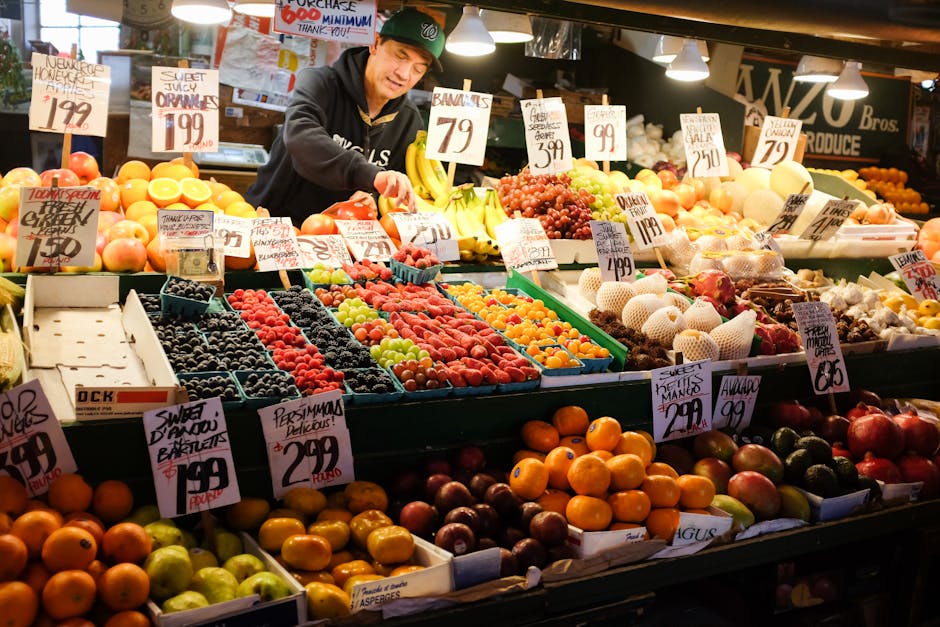
Situation: “Fresh Harvest Market,” a mid-sized local grocery chain with five locations, struggled to effectively promote specialty items, seasonal produce, and reduce waste from expiring perishable goods. Their traditional paper signs were costly to print, time-consuming to update, and often went unnoticed amidst the clutter. They needed a dynamic, cost-effective way to highlight products, engage shoppers, and provide real-time information without significantly increasing staff workload. The lack of measurable impact from their existing in-store promotions was a major concern, making it difficult to justify marketing spend.
Action: Fresh Harvest partnered with a leading retail media network provider to implement a comprehensive digital in-store screen advertising on retail media networks strategy. They installed high-definition digital screens strategically throughout their stores: large displays near the produce section, smaller screens at the deli and bakery counters, and compact digital ads integrated into the checkout counter digital advertising strategy for CPG brands they stocked. Content was managed centrally through the retail media network’s platform, allowing for daily, and sometimes hourly, updates to feature daily specials, new organic arrivals, “flash sales” on expiring produce (significantly reducing waste), and engaging recipes using seasonal ingredients. They also integrated some DOOH digital out of home integration with retail media by placing a large, eye-catching screen outside their busiest store, displaying enticing daily deals and promoting their loyalty program, effectively drawing customers in from the street. This created a cohesive customer journey from outside the store to the point of purchase.
Result: Within six months of implementing this advanced in-store retail media advertising strategy, Fresh Harvest Market reported a remarkable 15% increase in sales of featured specialty items and a significant 20% reduction in produce waste due to timely, dynamic promotions. Loyalty program sign-ups at checkout jumped by 10%, directly attributable to the engaging digital prompts. Customer feedback indicated a more modern, engaging, and helpful shopping experience, with many praising the new recipe ideas and product information. The measurable ROI of in-store retail media campaigns was clear, demonstrating the power of a well-executed, data-driven strategy to boost both sales and operational efficiency. This case study became a prime example of successful how to implement in-store retail media strategy for mid-sized retailers.
Common Mistakes That Are Costing You Results
1. Treating In-Store as an Afterthought
Many brands still view in-store retail media advertising as a secondary concern, a place to dump leftover creative from online campaigns or to simply replicate print ads digitally. This is a huge, costly mistake. The physical store environment has unique challenges and opportunities that demand bespoke content. Content designed for a mobile phone screen won’t necessarily resonate on a large, high-traffic in-store display, nor will a static banner ad effectively capture attention in a dynamic environment. Shoppers in a physical store are in a different mindset – they are often on a mission, looking for immediate information, or open to impulse buys.
Instead: Develop specific, tailored content for your in-store retail media. Consider the context (e.g., aisle, time of day, shopper intent), the shopper’s mindset (e.g., browsing, comparing, deciding), and the physical space (e.g., viewing distance, ambient noise). Your in-store advertising solutions should be as thoughtfully crafted and strategically placed as your prime-time TV spots or your most effective digital campaigns. This means investing in creative that is visually compelling, concise, and immediately relevant to the physical shopping journey.
2. Overlooking the “Phygital” Connection
Failing to connect your online and offline efforts is like running two separate businesses under the same brand name. You’re missing out on a wealth of data, a chance to provide a truly seamless customer journey, and the opportunity to reinforce your brand message across all touchpoints. The customer perceives your brand as one unified entity, and your marketing should reflect that consistency. A disjointed experience can lead to frustration, confusion, and ultimately, lost sales.
Instead: Implement a robust phygital retail media strategy connecting online and in-store. Use QR codes on digital screens to link directly to product pages for more details, customer reviews, or extended content. Offer exclusive in-store discounts that are promoted online, driving traffic from digital to physical. Leverage online browsing history or loyalty program data to inform personalized in-store advertising experiences, such as highlighting products a customer viewed online but didn’t purchase. This creates a powerful, synergistic loop where each channel enhances the other, leading to a richer, more effective omnichannel retail media presence.
3. Neglecting Measurement and Optimization
Just because it’s in a physical store doesn’t mean you can’t measure its impact. Many brands deploy screens and then forget about tracking their performance, treating them as static fixtures rather than dynamic marketing tools. Without data, you’re flying blind, unable to optimize your campaigns, justify your investment, or understand what truly resonates with your shoppers. This oversight can lead to wasted budget and missed opportunities for improvement.
Instead: Implement clear metrics to measure the ROI of in-store retail media campaigns. Track sales lift for promoted products by comparing sales in stores with and without the media, or before and after implementation. Monitor dwell time near screens using anonymized sensor data, track engagement rates with interactive content, and conduct A/B tests on different creative variations or calls to action. Gather direct customer feedback through surveys or in-store interactions. Use this data to continually refine your shopper marketing strategies, optimize content, adjust placements, and prove the tangible value of your in-store retail media advertising investments.
Frequently Asked Questions

1. What is in-store retail media advertising?
In-store retail media advertising involves using various digital and traditional channels within a physical store to engage shoppers and influence purchasing decisions. It acts as a powerful extension of a brand’s broader retail media networks, leveraging screens, interactive kiosks, and audio to deliver targeted messages at the point of purchase.
2. How does in-store retail media benefit brands?
It benefits brands by significantly increasing sales, enhancing brand activation in retail, providing valuable real-time shopper data, improving the overall customer experience, and allowing for targeted, personalized in-store advertising experiences at the most crucial moments of decision.
3. What are examples of in-store digital advertising?
Examples include dynamic digital in-store screen advertising on retail media networks, interactive kiosks that offer product information or games, smart shelf displays showing pricing and promotions, digital price tags, augmented reality experiences via QR codes, and even targeted audio advertising within specific store zones.
4. How can brands integrate online and in-store media for a phygital strategy?
Brands can integrate by using QR codes on in-store screens that link to online product reviews or purchase options, offering exclusive in-store discounts promoted via online ads, or leveraging online browsing data to personalize in-store digital advertising experiences. This forms a cohesive phygital retail media strategy connecting online and in-store.
5. What is the role of DOOH in retail media advertising?
DOOH (Digital Out-of-Home) plays a crucial role by extending the reach of retail media beyond the store’s interior, attracting shoppers with dynamic content before they even enter. This DOOH digital out of home integration with retail media creates a continuous brand narrative and drives foot traffic, amplifying the overall impact of the omnichannel retail media strategy.
6. How do you measure the effectiveness of in-store retail media campaigns?
Effectiveness can be measured through sales lift of promoted products, changes in foot traffic and dwell time near displays, customer engagement rates with interactive content, and A/B testing different creatives. This data helps in measuring ROI of in-store retail media campaigns and optimizing future efforts.
7. What are best practices for CPG checkout counter advertising?
Best practices for CPG advertising strategies at checkout counters include using short, visually appealing video ads, promoting complementary or impulse purchase items, highlighting loyalty program benefits, and ensuring the content is concise and relevant to the shopper’s final moments in the store, leveraging the captive audience.
8. How can technology enhance in-store retail media experiences?
Technology for in-store retail media, such as AI-powered analytics, interactive touchscreens, smart sensors, and advanced content management systems, can enable personalized in-store advertising experiences, real-time content updates, remote management, and more precise measurement of shopper behavior, driving the future of in-store retail media advertising.
9. What are the challenges of implementing an in-store retail media strategy?
Challenges include the initial investment in technology and infrastructure, creating an effective in-store media strategy with engaging and relevant content, integrating various data sources, managing multiple screens across diverse locations, and accurately measuring the direct impact on sales amidst other marketing efforts.
10. How does in-store retail media differ from traditional in-store advertising?
In-store retail media advertising differs from traditional in-store advertising by being dynamic, measurable, digitally managed, and often personalized, allowing for real-time updates and targeted messaging. Traditional methods typically involve static, printed materials that are harder to update, track, and integrate into broader retail media networks.
Why “Personalization at Scale” is a Dangerous Myth for In-Store
Most people will tell you that the future of in-store retail media advertising is hyper-personalization, delivering a unique, one-to-one message to every single shopper who walks through the door. I believe that’s fundamentally wrong, or at least, a dangerous oversimplification. While the idea of perfect personalization is appealing, the practical implementation at scale in a bustling retail environment often falls flat. It can lead to experiences that feel creepy and intrusive, or, more commonly, result in generic content that misses the mark because the technology struggles to truly understand individual intent in real-time. True one-to-one personalization, requiring instantaneous identification and bespoke content delivery for hundreds or thousands of shoppers simultaneously, is incredibly complex, privacy-invasive, and often prohibitively expensive to execute effectively.
Instead of chasing this elusive and often unsettling ideal, focus on contextual relevance and segment-level personalization. This means understanding the general shopper mindset in a specific aisle, at a certain time of day, or for a particular demographic segment, and tailoring your messages to that group. For instance, displaying ads for quick-meal solutions during evening rush hours, or highlighting organic options in a health-focused section. It’s about being helpful, timely, and relevant for a defined group, rather than trying (and usually failing) to be perfectly individual. This approach respects shopper privacy, is far more scalable, and ultimately delivers a better, less intrusive experience that still drives results. This pragmatic approach to personalized in-store advertising experiences is a more sustainable and effective path forward for in-store retail media advertising.
Pick one thing from this list and try it this week. That’s it. You’ll see the difference in how your brand connects with shoppers right where it matters most, truly harnessing the power of in-store retail media advertising.