
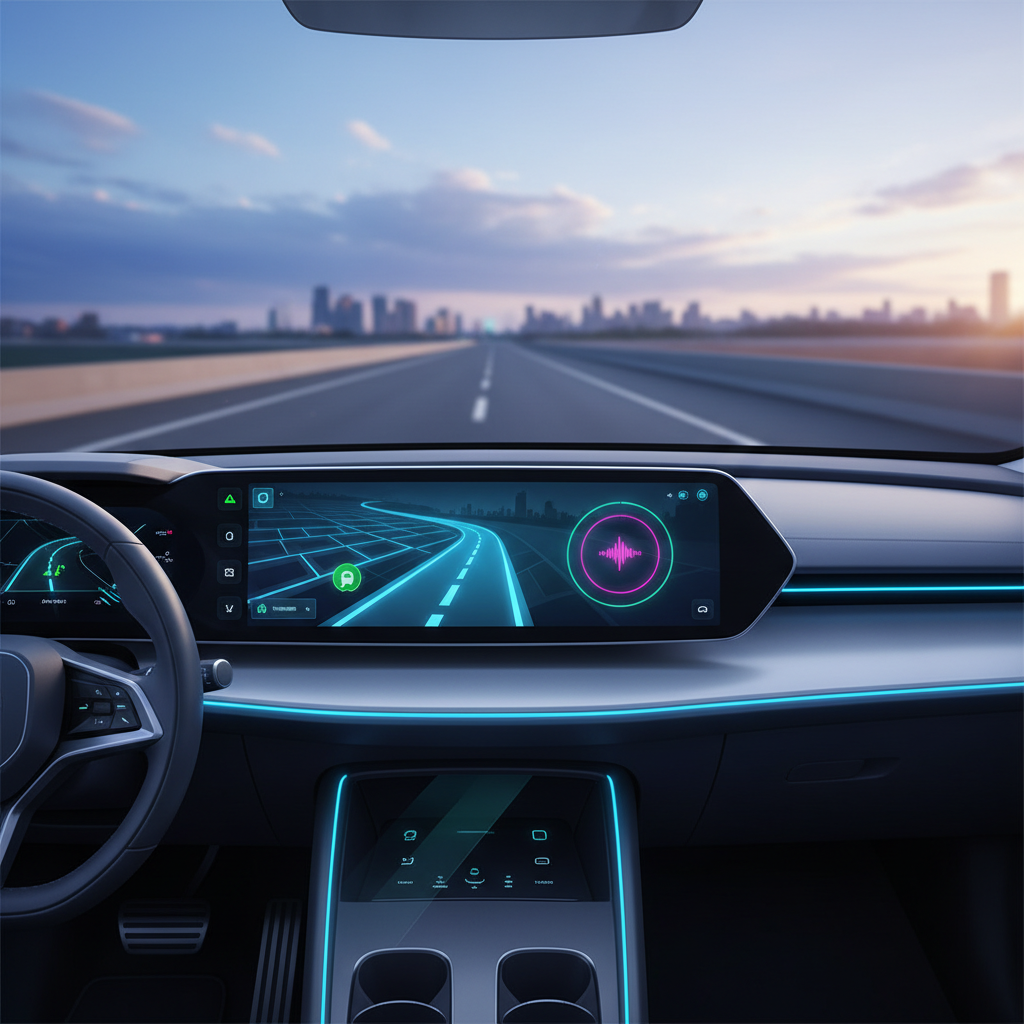
In-Car Voice Search SEO Strategy for Automotive and Local Brands
The in-car voice search SEO strategy for automotive and local brands is becoming a critical component of digital marketing, as more consumers rely on voice assistants within their vehicles for navigation, information, and purchasing decisions. This rapidly evolving landscape presents unique opportunities for businesses to connect with customers at the precise moment they need a product or service. Optimizing for these voice queries ensures brands remain discoverable and relevant in the connected car ecosystem.
How to Optimize Brands for Android Auto and Apple CarPlay Search?
Optimizing brands for Android Auto and Apple CarPlay search involves ensuring your business information is accurate, consistent, and structured for voice assistant interpretation. These platforms primarily draw data from established local SEO sources and specific app integrations.
To effectively optimize your brand for these critical in-vehicle systems, focus on foundational local SEO principles. This means maintaining up-to-date and consistent information across all online directories, especially Google Business Profile and Apple Maps. Voice assistants often prioritize direct answers and location-based results. Therefore, ensuring your business name, address, phone number (NAP), and operating hours are identical everywhere is paramount. Inconsistent data can lead to voice assistants failing to locate or recommend your business accurately.
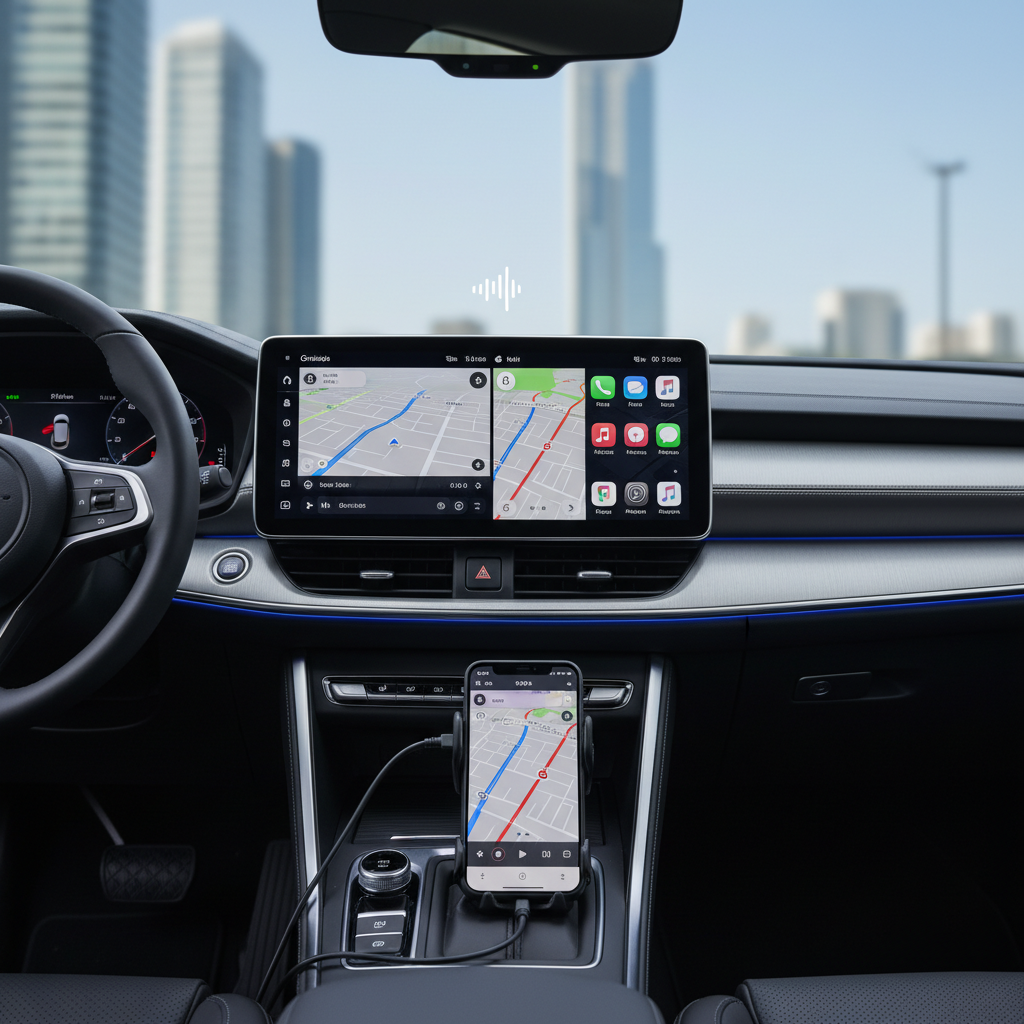
Key Data Sources for In-Vehicle Search Optimization
Voice search algorithms within Android Auto and Apple CarPlay rely on a hierarchy of data sources to provide relevant results. Understanding these sources is crucial for effective optimization.
* Google Business Profile (GBP): For Android Auto, GBP is the primary data source. Ensure your profile is fully completed, verified, and regularly updated with accurate information, photos, and relevant categories. Respond to reviews promptly.
* Apple Maps Connect: For Apple CarPlay, Apple Maps is the core. Claim and optimize your business listing here, ensuring consistency with your GBP.
* Yelp, TripAdvisor, and other review sites: Positive reviews and a strong online reputation on these platforms can influence voice assistant recommendations, especially for restaurants and retail.
* Website Schema Markup: Implementing structured data (Schema.org) on your website, particularly for `LocalBusiness`, `Restaurant`, or `Store` types, helps search engines and voice assistants understand your business details more effectively. This provides explicit signals about your offerings.
Enhancing Local Citations and Directory Listings for Voice Search
Beyond Google and Apple, a robust network of local citations significantly bolsters your brand’s visibility in voice search. A citation is any online mention of your business’s NAP.
Consistency across these citations is key. Tools exist to help audit and manage your directory listings, ensuring uniformity. The more consistent and prevalent your business information is across the web, the more trustworthy and authoritative voice assistants will perceive your brand to be. This helps answer the question of how to optimize brand for Android Auto and Apple CarPlay search by building a strong digital foundation.
Mastering In-Vehicle Voice Query Optimization for Restaurants and Retail
Mastering in-vehicle voice query optimization for restaurants and retail requires a deep understanding of user intent and the specific types of questions drivers ask while on the go. These queries are often urgent, location-dependent, and transactional.
For restaurants, common voice queries include “Find a coffee shop near me,” “Where’s the closest Italian restaurant open now?” or “Order pizza.” Retail queries might involve “Find a shoe store open late,” “What’s the nearest grocery store?” or “Is [Brand Name] in stock at a store nearby?” Optimizing for these specific phrases means ensuring your business appears for “near me” searches, specifies operating hours, and highlights unique offerings. For instance, a restaurant should clearly list its cuisine type, dietary options, and whether it offers takeout or delivery. A retail store should specify its product categories and any unique services like curbside pickup.
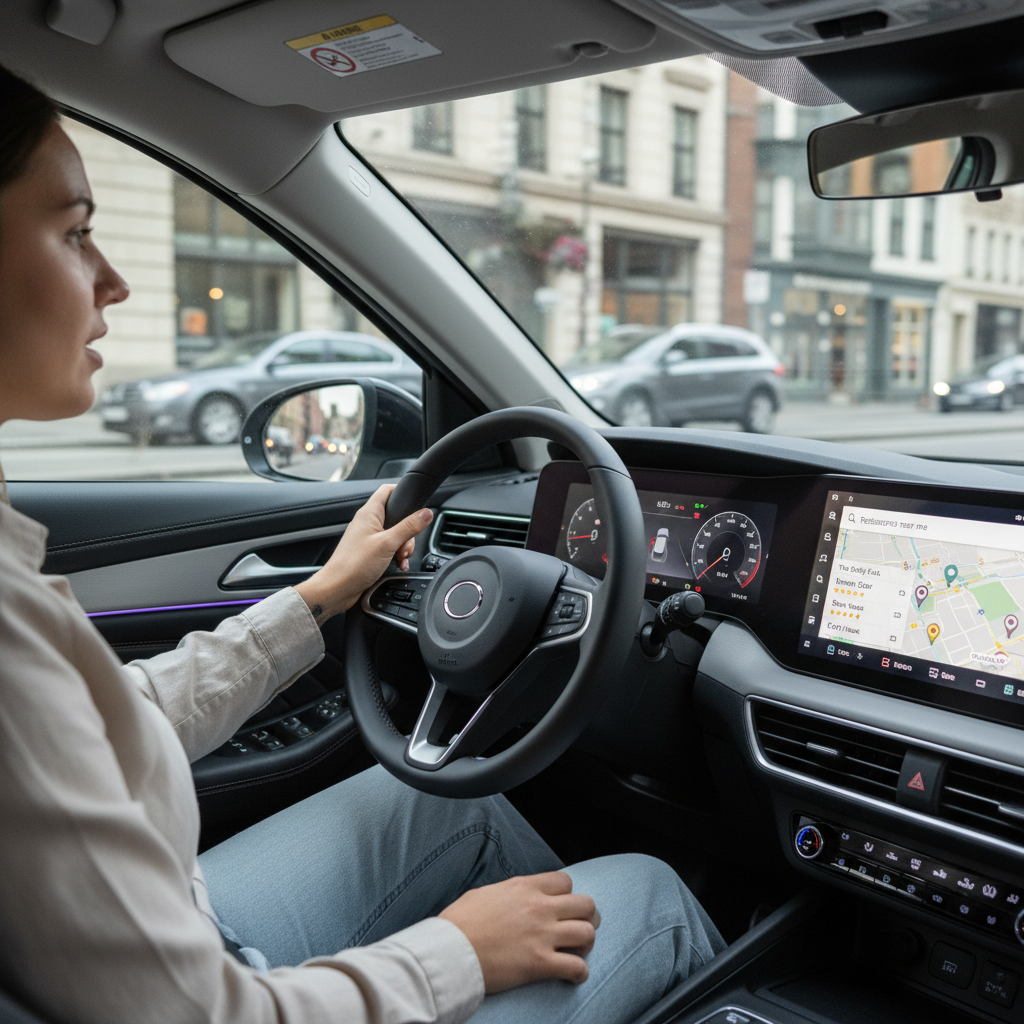
Optimizing for “Near Me” and Location-Specific Voice Searches
“Near me” searches are the cornerstone of in-vehicle voice queries for local businesses. To dominate these searches, your local SEO must be impeccable.
This includes:
* Accurate Location Data: Ensure your exact street address, including suite numbers if applicable, is correct across all platforms.
* Geotagged Images: Uploading photos to your Google Business Profile that are geotagged to your location can further strengthen your local relevance.
* Local Landing Pages: If you have multiple locations, create distinct, optimized landing pages for each one on your website. These pages should include unique content, local phone numbers, and embedded maps.
* Proximity Marketing: Consider using geofencing or beacon technology to deliver targeted messages to drivers entering a certain radius around your business, though this is more advanced than pure SEO.
Structuring Content for Voice Assistant Answers and Featured Snippets
Voice assistants often pull direct answers from featured snippets or highly structured content. To achieve this, adopt a question-and-answer format on your website and local listings.
Consider common questions customers might ask a voice assistant about your business:
* “What are [Restaurant Name]’s hours?”
* “Does [Retail Store] have [Product] in stock?”
* “What’s the phone number for [Business Name]?”
Provide concise, direct answers to these questions on your FAQ page, Google Business Profile Q&A section, and within your website’s content. Using clear headings and bullet points makes it easier for algorithms to extract this information. For more robust online presence and expert assistance in structuring your content, exploring comprehensive Digital Marketing Services can be highly beneficial.
Understanding Driving Mode Search Behavior and Local Marketing Opportunity
Understanding driving mode search behavior and local marketing opportunity is paramount for brands aiming to capture on-the-go consumers. Drivers’ search patterns are distinct from desktop or even mobile searches conducted at home.
These searches are characterized by high urgency, transactional intent, and a strong reliance on location. For example, a driver might ask, “Where’s the nearest gas station?” or “Find a pharmacy open now.” They are typically looking for immediate solutions to immediate needs. This behavior creates a significant local marketing opportunity for businesses that can provide quick, accurate answers to these time-sensitive queries. Brands must optimize for speed and relevance, ensuring their information is easily digestible by voice assistants and directly addresses common driving-mode needs.
Analyzing Voice Query Patterns During Commutes and Travel
Analyzing voice query patterns reveals that drivers often search for practical, immediate necessities. This includes fuel, food, parking, and specific retail items.
Key patterns include:
* “Near Me” Modifiers: Almost all queries include an implicit or explicit “near me.”
* Urgency: Phrases like “open now,” “closest,” or “fastest” are common.
* Specific Needs: “Coffee,” “EV charging,” “tire repair,” or “ATM” are examples of precise requests.
* Brand vs. Category: Drivers may ask for a specific brand (“Starbucks near me”) or a category (“coffee shop near me”). Optimizing for both is crucial.
Businesses should conduct keyword research specifically tailored to these driving-mode scenarios. Think about what your customers would need while driving and how they would phrase those needs.
Leveraging Geo-Fencing and Proximity Marketing for In-Car Engagement
Geo-fencing and proximity marketing offer advanced ways to engage drivers. Geo-fencing involves setting up virtual boundaries around specific geographic areas.
When a driver with a compatible app enters this boundary, they can receive targeted notifications or offers. For example, a restaurant could send a push notification about a lunch special to drivers passing within a mile of its location. Proximity marketing, often using beacons, works similarly but on a smaller scale, targeting customers within a few feet of a business. While these strategies go beyond traditional SEO, they complement voice search optimization by creating direct engagement opportunities once a driver is in the vicinity. This capitalizes on the driving mode search behavior and local marketing opportunity by turning proximity into patronage.
Developing a Connected Car Marketing Strategy for Location-Based Brands
Developing a connected car marketing strategy for location-based brands involves integrating traditional local SEO with an understanding of in-vehicle technology and user interaction. This strategy goes beyond just being found; it’s about providing a seamless and valuable experience for drivers.
A comprehensive strategy considers how drivers interact with their vehicle’s infotainment system, voice assistants, and integrated apps. It also acknowledges the unique context of being in a car—limited visual interaction, focus on the road, and a need for quick, actionable information. Brands need to think about voice-first content, easy-to-understand directions, and simple calls to action that can be executed verbally. This includes optimizing for direct navigation, offering clear descriptions of services, and ensuring digital payment options are accessible if applicable.
Integrating Local SEO with In-Vehicle Infotainment Systems
Integration with in-vehicle infotainment systems is crucial. These systems are the primary interface for drivers.
Here’s how to approach integration:
* API Access: Investigate if your business can integrate directly with car manufacturers’ APIs for data sharing, particularly for points of interest (POIs).
* App Development: For larger brands, developing a dedicated app that integrates with Android Auto and Apple CarPlay can offer a richer, branded experience.
* Partnerships: Collaborate with mapping providers or automotive tech companies to ensure your data is prioritized and displayed accurately.
* Data Feeds: Provide clean, structured data feeds of your locations and offerings to relevant automotive platforms.
| Feature | Benefit for In-Car Marketing | Optimization Focus |
|---|---|---|
| Voice Commands | Hands-free interaction, reduces driver distraction | Short, natural language keywords; direct answers |
| Navigation Integration | Direct routing to business, reduces friction | Accurate addresses, clear entry points, parking info |
| POI Display | Visual recognition of nearby businesses | High-quality images, relevant categories, recognizable logos |
| Payment Integration | Seamless transactions from the car | Mobile payment options, in-app purchasing features |
Personalizing the In-Car Experience Through Data and AI
Personalization enhances the in-car experience significantly. Leveraging data and AI allows brands to offer more relevant suggestions.
AI can analyze a driver’s past behavior, preferences, and current location to offer highly tailored recommendations. For example, if a driver frequently searches for vegan restaurants, the voice assistant could proactively suggest nearby vegan options. For location-based brands, this means:
1. Collecting Consent-Based Data: Understand user preferences through app usage or loyalty programs.
2. AI-Driven Recommendations: Use AI to match services with driver intent and history.
3. Dynamic Content: Deliver real-time offers or information based on location, time of day, and driver profile.
This advanced approach transforms a generic search into a personalized suggestion, solidifying a robust connected car marketing strategy for location-based brands.
Leveraging AI and Natural Language Processing for Voice SEO
Leveraging AI and Natural Language Processing (NLP) for voice SEO is crucial because these technologies power the voice assistants that interpret and respond to in-car queries. AI and NLP enable voice assistants to understand the nuances of human speech, including slang, accents, and context, transforming spoken words into actionable search queries.
This means that simply optimizing for exact keywords is no longer enough; brands must consider the conversational nature of voice search. AI helps voice assistants grasp intent, allowing them to provide more relevant and personalized results even when a query isn’t perfectly phrased. Businesses need to create content that mirrors natural language patterns, anticipating the questions customers might ask and providing clear, concise answers that AI can easily process and deliver.
Understanding Conversational Search and User Intent
Conversational search is the act of interacting with a search engine or voice assistant using natural, spoken language, much like talking to another person. Unlike traditional text searches that often use short, keyword-rich phrases, conversational searches are typically longer, more detailed, and often phrased as questions.
User intent refers to the underlying goal a user has when performing a search. For in-car voice search, intent is often:
* Navigational: “Take me to [Business Name].”
* Informational: “What time does [Business Name] close?”
* Transactional: “Order a coffee from [Coffee Shop].”
Optimizing for conversational search means understanding these intents and structuring your content to directly answer potential questions. This involves using long-tail keywords that reflect how people speak, rather than how they type.
Optimizing for Semantic Search and Entity Recognition
Semantic search focuses on the meaning behind words, rather than just the keywords themselves. Entity recognition is the process by which AI identifies and categorizes key information (entities) within a query, such as names, locations, and dates.
For example, if a driver asks, “Where can I get a good burger near the stadium?”, semantic search understands “good burger” implies a restaurant and “stadium” is a landmark. Entity recognition identifies “burger” as a food type and “stadium” as a location. To optimize for this:
* Build Authority: Establish your brand as an authority in your niche.
* Contextual Content: Provide rich, contextual content around your products and services.
* Schema Markup: Use schema markup to explicitly define entities on your website, helping search engines understand your business’s attributes.
By leveraging AI and NLP, brands can create content that is not only discoverable but also truly understood by the voice assistants mediating the in-car experience.
Measuring and Refining Your In-Car Voice Search Performance
Measuring and refining your in-car voice search performance is essential for continuous improvement and maximizing your return on investment. Unlike traditional web analytics, tracking in-car voice search requires a different set of metrics and tools, as direct website traffic isn’t always the primary goal.
Performance measurement focuses on local visibility, direct actions (like calls or navigation requests), and brand mentions. Refining your strategy involves analyzing these metrics to identify what’s working and what needs adjustment. This iterative process ensures that your brand remains competitive and relevant in the dynamic landscape of connected car marketing. Regular monitoring allows businesses to adapt to changes in voice assistant algorithms and user behavior, ensuring sustained discoverability.
Key Performance Indicators (KPIs) for Voice Search SEO
Key Performance Indicators (KPIs) for voice search SEO differ from traditional SEO. They focus more on direct actions and local engagement.
Important KPIs include:
* “Near Me” Search Visibility: How often your business appears for location-based voice queries.
* Google Business Profile Insights: Track calls, direction requests, and website clicks originating from your GBP.
* Apple Maps Connect Data: Similar to GBP, monitor interactions and navigation requests.
* Brand Mentions: Track how often your brand is mentioned in voice search results, even if not directly clicked.
* Voice Search Conversions: Measure direct actions like in-store visits (if trackable), online orders initiated via voice, or reservations made.
* Local Pack Rankings: Monitor your position in Google’s local pack for relevant keywords.
Tools and Analytics for Tracking In-Car Voice Search Success
While dedicated “in-car voice search analytics” tools are still evolving, a combination of existing platforms provides valuable insights.
* Google Business Profile Insights: This is your most direct source for understanding how customers interact with your listing after a search.
* Apple Maps Connect: Provides similar data for Apple users.
* Google Search Console: While not specific to voice, it can show long-tail query performance, which often aligns with voice searches.
* Local SEO Tracking Tools: Platforms like BrightLocal, Moz Local, or Semrush offer local ranking tracking, citation management, and review monitoring, all of which impact voice search.
* Call Tracking: Implement call tracking numbers on your local listings to attribute phone calls directly to voice search efforts.
* CRM Data: Integrate customer relationship management (CRM) data to connect online interactions with offline purchases, helping to understand the full customer journey.
By diligently measuring these KPIs and utilizing available tools, brands can effectively refine their in-car voice search SEO strategy for automotive and local brands to drive real-world results.
The landscape of in-car voice search presents a transformative opportunity for automotive and local brands. As vehicles become more connected, optimizing for voice queries is no longer optional but a strategic imperative. Businesses that prioritize a robust in-car voice search SEO strategy for automotive and local brands will gain a significant competitive edge.
Key takeaways for success include:
* Local SEO Foundation: Ensure accurate and consistent NAP data across all platforms, especially Google Business Profile and Apple Maps.
* Voice-First Content: Create content that directly answers common questions in a conversational tone.
* Platform Optimization: Specifically optimize for Android Auto and Apple CarPlay by leveraging their primary data sources.
* Intent Understanding: Focus on the urgent, location-based, and transactional intent of driving-mode searches.
* Continuous Measurement: Track relevant KPIs and use analytics to refine your strategy over time.
Embracing these principles will help your brand remain discoverable, relevant, and preferred by drivers on the go. To explore how these strategies can be tailored for your business, consider reaching out to a digital marketing expert today.
What is in-car voice search SEO?
In-car voice search SEO is the process of optimizing a business’s online presence to appear prominently in results when drivers use voice assistants within their vehicles. It focuses on local, urgent, and conversational queries to direct drivers to relevant businesses or information.
Why is in-car voice search important for local businesses?
It’s crucial because drivers often use voice search to find businesses “near me” for immediate needs like food, gas, or retail. Optimizing for this ensures local businesses are discoverable at the precise moment a customer is looking to make a purchase or visit.
How can restaurants optimize for in-vehicle voice queries?
Restaurants should ensure their Google Business Profile and Apple Maps listings are fully updated with cuisine type, hours, menu highlights, and accurate location. They should also optimize for “near me” searches and specific food-related long-tail keywords.
What role do Android Auto and Apple CarPlay play in voice search?
Android Auto and Apple CarPlay are the primary interfaces for in-car voice assistants, integrating smartphone functionalities into the vehicle’s infotainment system. Optimizing for these platforms means ensuring your business data is accessible and correctly displayed through their respective mapping and search services.
What is “driving mode search behavior”?
Driving mode search behavior refers to the unique patterns of queries made by individuals while operating a vehicle. These searches are typically characterized by high urgency, a strong reliance on location, and a conversational, question-based format, often seeking immediate solutions.
How does connected car marketing differ from traditional local SEO?
Connected car marketing extends traditional local SEO by specifically addressing the in-vehicle context. It considers voice interaction, integration with infotainment systems, and the driver’s immediate needs, often leveraging AI and real-time data for personalized recommendations beyond static listings.
Is schema markup important for in-car voice search?
Yes, schema markup is very important. It provides structured data to search engines and voice assistants, helping them understand your business’s specific details like hours, services, and location. This makes it easier for AI to extract and present your information as a direct answer to a voice query.