
How to Rank in Google Assistant Voice Search Results for Local Businesses
Voice search has fundamentally reshaped how consumers find local businesses. To rank in Google Assistant voice search results for local businesses, companies must prioritize optimizing their online presence for spoken queries, focusing on clear, concise answers and accurate local data. This article will guide you through developing a robust Google Assistant SEO strategy for position zero featured snippets, ensuring your business captures the attention of voice search users and drives local traffic.
Understanding Voice Search and Its Impact on Local SEO
Voice search refers to the use of spoken commands to search the internet, rather than typing. For local businesses, voice search significantly impacts local SEO by making “near me” queries more prevalent and driving immediate, intent-driven actions from users seeking nearby services or products. This shift necessitates a focused approach to how businesses present their information online.
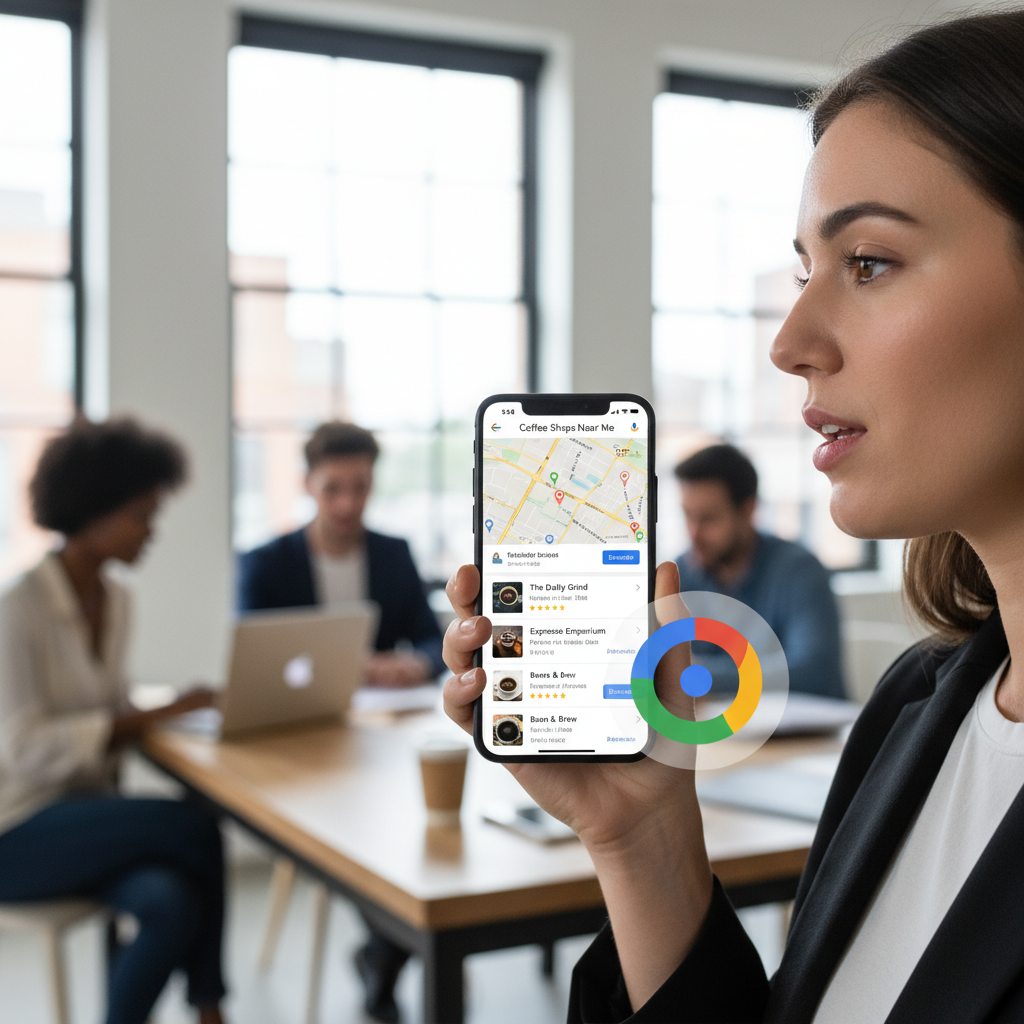
Voice search queries are often longer, more conversational, and question-based compared to traditional text searches. Users might ask, “What’s the best Italian restaurant near me?” or “Where can I find a plumber open now?” These natural language queries demand direct, unambiguous answers, often pulled directly from well-optimized content. Businesses that provide these clear answers are more likely to appear in Google Assistant’s spoken responses. Failing to adapt to this conversational search pattern means missing out on a growing segment of potential customers. The rise of smart speakers and mobile voice assistants means consumers expect instant, relevant local information.
The Evolution of Search Queries and User Behavior
The way people search has evolved dramatically with the advent of voice technology. Voice users typically seek quick answers and actionable information. They are often on the go, making immediate decisions about where to eat, shop, or find services. Understanding this user behavior is critical for crafting an effective local SEO strategy. Businesses must anticipate these conversational queries and structure their content to directly address them. This includes using natural language and focusing on the “who, what, when, where, why, and how” of their offerings.
Why Local Businesses Must Prioritize Voice Search Optimization
Prioritizing voice search optimization is no longer optional for local businesses; it’s a necessity for competitive advantage. Voice search drives local discovery and foot traffic, as many queries have a strong local intent. Appearing in voice search results, especially in position zero featured snippets, can dramatically increase visibility and credibility. It places your business directly in front of customers at the moment they need your services. Furthermore, as voice technology continues to integrate into daily life, its influence on consumer behavior will only grow, making early adoption a strategic imperative.
Developing a Google Assistant SEO Strategy for Position Zero Featured Snippets
To develop a successful Google Assistant SEO strategy for position zero featured snippets, businesses must focus on creating highly structured, direct answer content that explicitly addresses common user questions. Position zero, also known as the featured snippet, is the highly coveted box at the top of Google’s search results that provides a direct answer to a query. For voice search, Google Assistant often reads these snippets aloud as the primary answer.
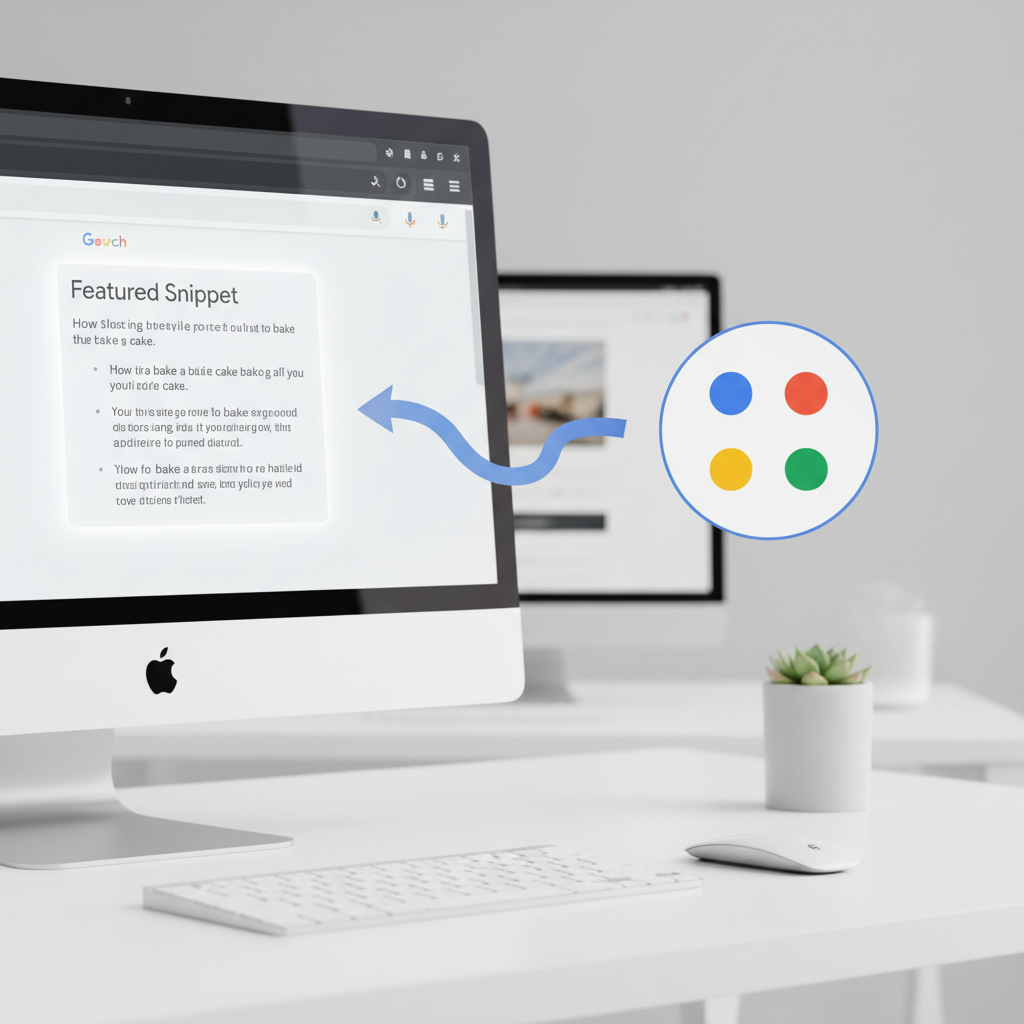
Achieving position zero requires more than just good SEO; it demands content designed for clarity and conciseness. Google’s algorithms favor content that directly answers a question without unnecessary jargon or lengthy introductions. This means structuring your web pages, especially service pages and FAQs, to provide immediate value. Think about the types of questions your target audience asks aloud and then craft content that serves as the perfect, succinct response. This strategic approach is fundamental for capturing voice search traffic.
Identifying Voice Search Keywords and Intent
Identifying relevant voice search keywords involves thinking like a conversational user. Unlike traditional keywords, voice queries are often full sentences and questions. Tools like Google Keyword Planner, AnswerThePublic, and even analyzing your current site’s search queries can reveal common questions. Focus on long-tail keywords that demonstrate clear local intent, such as “best coffee shop open now near [your city]” or “how to fix a leaky faucet in [your neighborhood].” Understanding the user’s intent behind these queries is paramount. Are they looking for information, a location, or a transaction? Tailoring your content to match this intent significantly increases your chances of ranking.
Structuring Content for Featured Snippets and Direct Answers
Structuring content effectively for featured snippets means adopting a question-and-answer format. Start with the question, then immediately follow with a concise, direct answer. Use clear headings (H2, H3) to break down information and bullet points or numbered lists to present data in an easily digestible manner. For example, if you’re a restaurant, an H3 might be “What are your opening hours?” followed by a simple list of daily times. This structured approach makes it easier for Google’s algorithms to identify and extract relevant information for featured snippets. Consider creating dedicated sections on your website that directly answer common questions about your products, services, and business operations. Many businesses find success by leveraging comprehensive Digital Marketing Services to refine their content strategy for voice search.
Optimizing FAQ Content for Voice Assistant Answers
Optimizing FAQ content for voice assistant answers 2026 is crucial because voice assistants frequently pull direct answers from well-structured FAQ sections to respond to user queries. An effective FAQ section acts as a direct communication channel between your business and voice search algorithms, providing clear, concise information that Google Assistant can easily interpret and relay.
To maximize your FAQ’s effectiveness, each question should be a natural language query, and each answer should be brief, informative, and to the point. Think about the common questions customers ask over the phone or in person. These are the exact queries voice search users will be asking. By preemptively answering these questions in a structured format, you significantly increase your chances of being the source for a voice assistant’s response. This approach not only helps with voice search but also improves overall user experience on your website.
Crafting Conversational Questions and Concise Answers
The key to optimizing FAQ content lies in crafting questions that mirror natural spoken language. Avoid overly formal or technical jargon. Instead, use phrases like “How do I book an appointment?” or “What are your delivery options?” The answers must be equally conversational and concise, ideally 40-80 words, providing the essential information without rambling. If an answer requires more detail, provide the direct answer first, then link to a more comprehensive page for further reading. This ensures voice assistants can quickly extract the core information.
Consider this comparison of FAQ content approaches:
| Traditional FAQ Approach | Voice Search Optimized FAQ Approach |
|---|---|
| “Service Provision Protocol?” | “How do I schedule a service?” |
| “Our service provision protocol involves…” (Long paragraph) | “You can schedule a service by calling us at [Phone Number] or booking online through our website.” (Direct, concise) |
| “Payment Modalities Accepted?” | “What payment methods do you accept?” |
| “We accept all major credit cards, debit cards, and secure online payment platforms.” (Clear, but could be more direct) | “We accept Visa, Mastercard, American Express, Discover, and PayPal.” (Specific, easy to read aloud) |
Implementing Schema Markup for FAQ Pages
Implementing schema markup specifically for FAQ pages is a powerful technique to signal to search engines that your content contains questions and answers. FAQPage schema markup helps Google understand the structure and intent of your content, making it easier for them to display your FAQs as rich results or directly use them for voice answers. This structured data essentially provides a roadmap for search engine crawlers. Correctly applied schema can significantly boost your visibility in voice search results by making your content more machine-readable. Many content management systems offer plugins or built-in features to easily add FAQ schema.
Mastering Near-Me Voice Search Optimization for Brick-and-Mortar Stores
Near-me voice search optimization for brick and mortar stores is essential for driving physical foot traffic, as a significant portion of voice queries include “near me” or local intent. To master this, businesses must ensure their Google Business Profile is meticulously optimized and consistent across all online directories, providing accurate and up-to-date information about their location, hours, and services.
Voice search users asking “coffee shops near me” or “shoe repair open now” expect immediate, hyper-local results. Google Assistant relies heavily on accurate location data to fulfill these requests. Therefore, your business’s presence on local listings and maps must be flawless. This involves not just claiming your Google Business Profile but actively managing it, responding to reviews, and ensuring all details are current. Inaccurate information can lead to missed opportunities and frustrated potential customers.
Optimizing Your Google Business Profile for Voice
Your Google Business Profile (GBP) is the cornerstone of local voice search optimization. Ensure every field is completely filled out, including your business name, address, phone number, website, hours of operation, and categories. Use specific, relevant categories that accurately describe your business. Crucially, add high-quality photos and encourage customers to leave reviews. Positive reviews with relevant keywords can significantly boost your local ranking. Regularly update your GBP with posts about offers, events, or changes to your business. This active management signals to Google that your business is relevant and current.
Leveraging Local Citations and Directory Listings
Local citations are mentions of your business’s name, address, and phone number (NAP) on other websites, even without a link back to your site. Consistency of your NAP across all online directories is paramount for voice search. Inconsistencies can confuse search engines and negatively impact your local ranking. Ensure your business is listed on major directories like Yelp, Yellow Pages, and industry-specific sites. These citations act as votes of confidence for your business’s legitimacy and location, helping Google Assistant accurately identify and recommend your brick-and-mortar store to “near me” searchers.
Geotargeting and Location-Specific Content
Creating geotargeted and location-specific content is another powerful strategy for near-me voice search. This involves creating web pages or blog posts that specifically mention your city, neighborhood, or even local landmarks. For example, a bakery might have a blog post titled “Best Artisan Bread in [Your Neighborhood]” or a service page detailing “Plumbing Services in [Your City Name].” This type of content helps Google understand the specific geographical areas your business serves, making it more likely to appear in relevant local voice searches. It directly addresses the local intent of many voice queries.
Implementing a Voice Search Local SEO Checklist for Small Businesses
Implementing a comprehensive voice search local SEO checklist for small businesses involves systematically reviewing and optimizing various aspects of your online presence, from website content to local listings, to ensure maximum visibility in voice search results. This checklist helps small businesses compete effectively by focusing on the specific requirements of voice-activated search engines.
A robust checklist ensures that no critical element is overlooked in the pursuit of voice search rankings. It provides a structured approach to a complex optimization process. By consistently applying these steps, small businesses can steadily improve their chances of appearing in Google Assistant’s spoken answers, driving more qualified leads and customers to their doors. The goal is to make your business the most obvious and helpful answer to a local voice query.
Key Elements for Voice Search Optimization
To optimize for voice search, small businesses should focus on several key elements:
* Google Business Profile Optimization: Complete all fields, use relevant categories, add photos, and manage reviews.
* Mobile-First Website Design: Ensure your website is fast, responsive, and provides an excellent user experience on mobile devices. Voice search is primarily mobile-driven.
* Schema Markup Implementation: Use structured data (e.g., FAQPage, LocalBusiness schema) to help search engines understand your content.
* Content Optimization for Q&A: Create content that directly answers common questions in a conversational tone.
* Local Citation Consistency: Maintain consistent NAP information across all online directories.
* Website Speed and Security: Fast loading times and an HTTPS connection are crucial ranking factors.
* Review Management: Actively solicit and respond to customer reviews on Google and other platforms.
Regular Audits and Performance Monitoring
Regular audits of your voice search local SEO efforts are essential for sustained success. This involves periodically reviewing your Google Business Profile, checking the consistency of your local citations, and analyzing your website’s performance. Tools like Google Search Console can help you monitor which queries are driving traffic to your site and identify opportunities for further optimization. Pay attention to how your content is performing in featured snippets. Monitoring your rankings for key voice search queries allows you to adapt your strategy as search trends evolve.
The Importance of Mobile-First Indexing and Page Speed
Mobile-first indexing means Google primarily uses the mobile version of your content for indexing and ranking. Since most voice searches originate from mobile devices, having a fast, mobile-friendly website is non-negotiable. Page speed is a critical ranking factor; slow-loading sites frustrate users and are less likely to be featured by voice assistants. Optimize images, leverage browser caching, and minimize code to improve your site’s loading speed. A seamless mobile experience is fundamental for capturing voice search users.
What is a featured snippet in Google Assistant voice search?
A featured snippet is a summary of an answer to a user’s query, displayed at the top of Google’s search results. For voice search, Google Assistant often reads these snippets aloud as the direct answer to a spoken question, making them highly valuable for visibility.
How important is my Google Business Profile for voice search?
Your Google Business Profile is critically important for voice search, especially for local businesses. It provides essential information like your address, hours, and phone number, which Google Assistant uses to answer “near me” queries and recommend local businesses.
Should I use natural language in my website content for voice search?
Yes, using natural, conversational language in your website content is highly recommended for voice search optimization. Voice queries are typically spoken in full sentences and questions, so your content should directly address these types of queries.
What is “position zero” in SEO?
“Position zero” refers to the featured snippet box that appears above the traditional organic search results on Google. It’s considered the most prominent spot because it provides a direct answer and is often read aloud by voice assistants.
How can schema markup help with voice search?
Schema markup helps search engines understand the context and meaning of your content. For voice search, applying schema (like FAQPage or LocalBusiness) makes it easier for Google Assistant to extract specific information and use it to answer user questions accurately.
Do I need to optimize for “near me” searches if I’m a brick-and-mortar store?
Absolutely. Optimizing for “near me” searches is vital for brick-and-mortar stores. A significant portion of voice searches includes local intent, and ensuring your business appears for these queries can directly drive foot traffic to your physical location.
Optimizing for Google Assistant voice search is a strategic imperative for local businesses aiming to thrive in the digital landscape. By focusing on clear, conversational content, meticulous Google Business Profile management, and structured data, businesses can significantly enhance their visibility. The future of local search is increasingly voice-driven, making proactive optimization a key differentiator.
Key takeaways for your voice search strategy:
* Prioritize conversational, question-based content that directly answers user queries.
* Ensure your Google Business Profile is fully optimized and consistently updated.
* Implement schema markup to help search engines understand your content’s structure.
* Focus on mobile-first design and fast page loading speeds for an optimal user experience.
* Regularly audit your local citations and online presence for consistency and accuracy.
Embrace these strategies to position your local business at the forefront of voice search, connecting with customers precisely when they need you. Explore how comprehensive digital marketing solutions can elevate your voice search presence and overall online success.