
Data Journalism Content Marketing Strategy For Link Building 2026
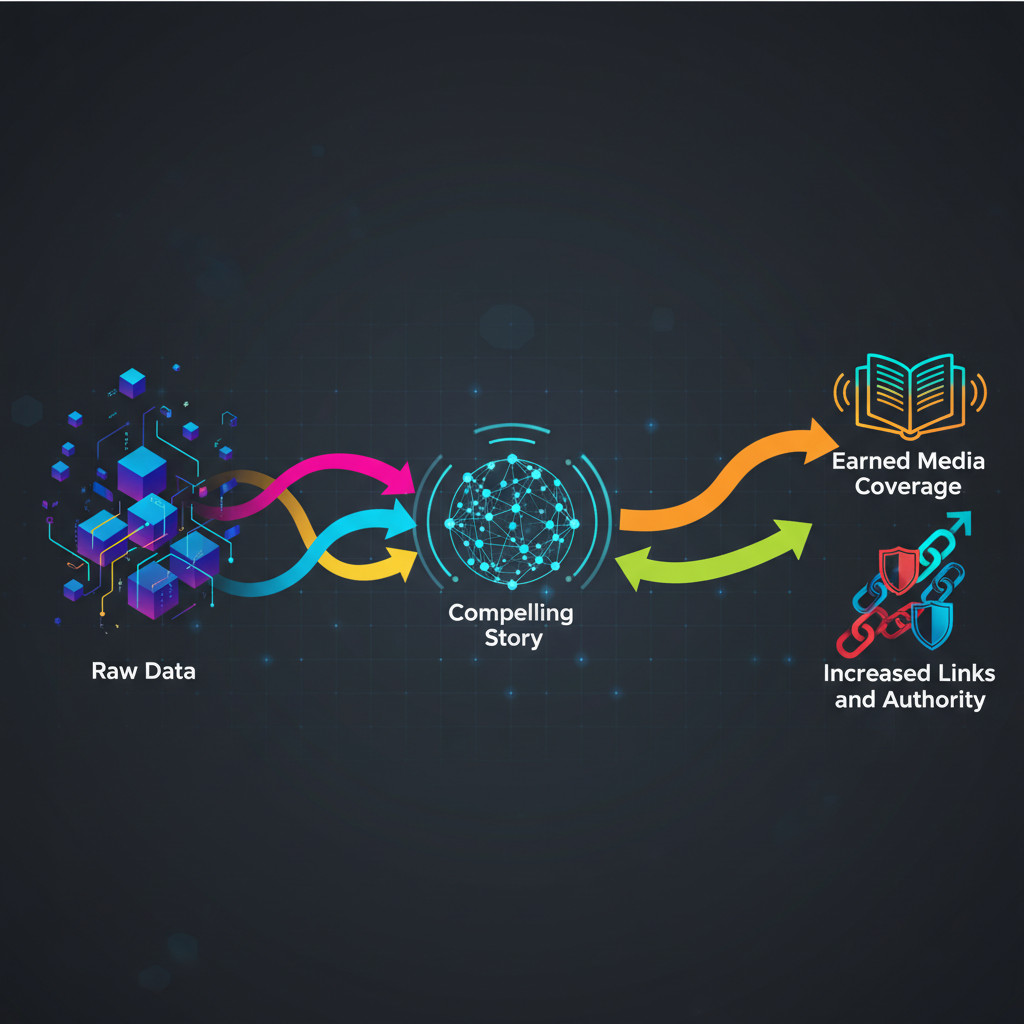
A data journalism content marketing strategy for link building leverages factual insights and compelling narratives to create authoritative content that attracts high-quality backlinks and media mentions. This approach combines rigorous data analysis with engaging storytelling, positioning brands as trusted sources within their industries. By transforming raw data into accessible and shareable content, businesses can significantly enhance their online visibility and domain authority. This strategy is particularly effective for driving digital PR campaigns and securing valuable editorial links.
Understanding the Power of Data Journalism in Content Marketing
Data journalism in content marketing harnesses data to uncover unique insights and present them through compelling narratives, significantly boosting content authority and link-building potential. This method moves beyond traditional content creation by grounding every piece in verifiable facts and figures. It allows brands to produce content that is not only informative but also highly credible and newsworthy. The inherent trustworthiness of data-driven stories makes them prime candidates for media coverage and academic citations.

What is Data Journalism and Why is it Essential for SEO?
Data journalism involves using data as the primary source for reporting and storytelling, transforming complex datasets into understandable and engaging content. For SEO, it is essential because it naturally generates unique, authoritative content that search engines value highly. Content based on original research or novel analysis stands out in a crowded digital landscape. This distinctiveness makes it more likely to be cited by other reputable websites, directly contributing to a stronger backlink profile. Moreover, data-driven pieces often answer specific queries, making them excellent candidates for featured snippets and AI answer boxes.
Comparing Data-Driven Content to Traditional Content Formats
Data-driven content offers distinct advantages over traditional content formats, particularly regarding its ability to attract links and media attention. While traditional content often relies on opinion or general knowledge, data-led content provides irrefutable evidence. This makes it a more reliable source for journalists, researchers, and other content creators. The table below highlights key differences:
| Feature | Data-Driven Content | Traditional Content |
|---|---|---|
| Source Material | Original research, proprietary data, public datasets | General knowledge, expert opinion, curated information |
| Credibility | High; verifiable facts and figures | Variable; depends on author authority |
| Link Potential | Very High; unique insights attract citations | Moderate; requires strong writing/unique perspective |
| Media Coverage | High; newsworthy findings | Lower; often less novel |
| SEO Value | Excellent; builds authority, earns diverse links | Good; addresses user intent, keyword optimization |
Data journalism content inherently possesses a higher perceived value due to its empirical foundation. This translates directly into improved link-building opportunities and enhanced brand reputation.
How to Create Data-Led Content That Earns Media Coverage and Links
Creating data-led content that earns media coverage and links involves a systematic process of identifying compelling data, analyzing it for unique insights, and then packaging those insights into highly shareable formats. The goal is to produce content so valuable and newsworthy that journalists and publishers naturally want to reference it. This process starts long before any writing begins, focusing heavily on data acquisition and validation.

Identifying Compelling Data Sources for Content Creation
The foundation of successful data-led content lies in identifying and accessing compelling data sources. These can range from publicly available datasets to proprietary information gathered through surveys or internal operations. Look for data that is relevant to your industry, addresses current trends, or uncovers surprising truths. Government databases, academic research, industry reports, and social media analytics are all rich potential sources. Furthermore, consider conducting original research to generate exclusive data. This proprietary data becomes a unique asset that no one else can replicate, significantly increasing its value for media and link building.
Structuring Data-Driven Stories for Maximum Impact and Shareability
Once data is acquired, structuring the story effectively is paramount to maximize its impact and shareability. Begin with a strong, attention-grabbing headline that highlights the key finding. The narrative should then guide the reader through the data, explaining its significance in a clear and concise manner. Use an inverted pyramid style, presenting the most important conclusions first, followed by supporting details and methodology.
Key elements for structuring data-driven stories:
* Catchy Headline: Summarizes the core insight.
* Strong Introduction: States the main finding and its relevance.
* Clear Methodology: Briefly explains how the data was collected and analyzed.
* Compelling Visualizations: Charts, graphs, and infographics that make data accessible.
* Contextual Analysis: Explains what the data means and why it matters.
* Actionable Insights: Provides takeaways or recommendations based on the data.
* Shareable Snippets: Easily quotable facts or statistics.
This structured approach ensures that the content is not only informative but also easy for busy journalists and readers to digest and reference.
Crafting Outreach Strategies for Data-Led Content Promotion
An effective outreach strategy is crucial for ensuring your data-led content earns the media coverage and links it deserves. Identify journalists, bloggers, and industry influencers who have previously covered topics related to your data. Personalize your outreach emails, highlighting the most compelling findings and explaining why your content is relevant to their audience. Provide clear links to the content and offer additional assets like custom graphics or expert commentary. Building relationships with key media contacts over time can lead to consistent coverage. Consider leveraging Digital Marketing Services to amplify your content’s reach. Distribute press releases to relevant media outlets and submit your findings to industry-specific publications. Promote your content across social media channels, tagging relevant organizations and individuals to increase visibility.
Proprietary Survey Data Content Strategy for Digital PR Campaigns
A proprietary survey data content strategy for digital PR campaigns involves conducting original research and leveraging the unique insights gained to create exclusive content that drives significant media attention and high-quality backlinks. This approach positions your brand as a thought leader and an original source of information within your industry. By owning the data, you eliminate competition for the same insights, making your content inherently more valuable and newsworthy.
Designing Effective Surveys for Unique Industry Insights
Designing effective surveys is the critical first step in generating proprietary data that yields unique industry insights. Clearly define your research objectives before crafting questions. Focus on identifying knowledge gaps in your industry or exploring emerging trends that haven’t been widely reported. Use a mix of question types, including multiple-choice, Likert scales, and open-ended questions, to gather both quantitative and qualitative data. Ensure your survey questions are unbiased, clear, and concise to avoid misinterpretation. Pilot testing your survey with a small group can help identify and rectify any issues before a full launch. Consider your target audience carefully and ensure your survey distribution method reaches them effectively.
Analyzing and Interpreting Proprietary Survey Results
Once survey data is collected, thorough analysis and interpretation are essential to extract meaningful insights. Look for patterns, correlations, and anomalies within the data. Statistical analysis can reveal significant trends that might not be immediately obvious. Beyond raw numbers, seek to understand the “why” behind the data points. What do these findings tell you about consumer behavior, industry challenges, or future opportunities? Visualizing the data through charts and graphs will make complex findings more accessible and impactful. The interpretation phase is where you transform raw numbers into a compelling narrative, highlighting the most surprising or impactful discoveries. These insights form the core of your data journalism piece.
Leveraging Exclusive Data for High-Impact Digital PR and Link Building
Exclusive proprietary data is a goldmine for high-impact digital PR and link building. Because your data is unique, it offers a fresh perspective that journalists and publishers are eager to cover. Develop a comprehensive digital PR strategy that targets relevant media outlets, industry blogs, and influencers. Craft compelling press releases that spotlight your most significant findings. Create various content assets from your survey data, such as:
* Full Report: A detailed document outlining methodology, findings, and analysis.
* Infographics: Visually appealing summaries of key statistics.
* Blog Posts: Articles exploring specific insights or trends.
* Social Media Snippets: Shareable facts and figures for platforms like X (formerly Twitter) and LinkedIn.
* Webinars/Presentations: Opportunities to discuss findings and engage with an audience.
Each piece of content serves as an opportunity to earn backlinks and media mentions. Position your brand as the go-to source for this unique information, encouraging citations and strengthening your authority.
Data Storytelling and Visualization Strategy for Content Marketing
A data storytelling and visualization strategy for content marketing transforms complex datasets into engaging, understandable narratives supported by compelling visuals, making content more memorable and shareable. This strategy moves beyond simply presenting data; it focuses on explaining what the data means, why it matters, and what insights can be drawn from it. Effective data storytelling makes abstract numbers relatable, capturing audience attention and fostering deeper engagement.
Principles of Effective Data Storytelling for Audience Engagement
Effective data storytelling involves weaving a narrative around your data to make it relatable and impactful for your audience. Start by identifying the core message or insight you want to convey. Who is your audience, and what do they care about? Frame your data in a way that addresses their interests or pain points. Use a clear beginning, middle, and end, just like any good story. The beginning introduces the problem or question, the middle presents the data and its findings, and the end offers conclusions or calls to action. Emphasize the human element where possible, showing how the data affects real people or businesses. This approach helps audiences connect emotionally with the information, making it more memorable and shareable.
Choosing the Right Data Visualizations to Enhance Content
Choosing the right data visualizations is crucial for enhancing content and making complex data easily digestible. Different types of data require different visual representations to be most effective. Bar charts are excellent for comparing discrete categories, while line graphs are ideal for showing trends over time. Pie charts can illustrate parts of a whole, though often better represented by bar charts for clarity. Scatter plots reveal relationships between two variables. For geographical data, maps are indispensable. Always select visualizations that clearly and accurately represent the data without distortion.
Consider these factors when choosing visualizations:
* Type of Data: Is it categorical, numerical, temporal, or geographical?
* Message: What specific insight do you want to highlight?
* Audience: How familiar are they with data interpretation?
* Complexity: How much information needs to be conveyed?
* Platform: Where will the visualization be published (web, print, mobile)?
High-quality, relevant visualizations significantly improve content comprehension and engagement.
Integrating Interactive Data Experiences for Deeper User Involvement
Integrating interactive data experiences allows for deeper user involvement, enabling audiences to explore data at their own pace and discover insights relevant to them. Interactive charts, maps, and dashboards can transform passive consumption into active engagement. For example, a user might filter data by region, industry, or time period, revealing personalized insights. Tools like Tableau Public, Flourish, or custom-built interactive elements can bring your data to life. These experiences not only make content more engaging but also increase time on page and reduce bounce rates, which are positive SEO signals. Furthermore, interactive content is highly shareable, encouraging users to share their own discoveries and contributing to organic promotion and link acquisition.
Digital PR with Data Journalism for AI Citation and Authority Building
Digital PR with data journalism for AI citation and authority building focuses on creating highly credible, fact-based content that is not only picked up by traditional media but also recognized and cited by artificial intelligence models. As AI becomes more integrated into search and content generation, being a primary, authoritative source of data-driven insights becomes increasingly valuable for long-term SEO and brand reputation. This strategy aims to establish your brand as an undeniable expert.
Optimizing Data-Led Content for AI Answer Boxes and Knowledge Panels
Optimizing data-led content for AI answer boxes and knowledge panels involves structuring your information in a way that AI systems can easily parse and understand. This means providing direct, concise answers to common questions related to your data. Use clear headings and subheadings, and present key statistics and findings in bullet points or numbered lists. Define important terms clearly within the content. For example, if your data reveals “The average click-through rate for email campaigns in Q1 increased by 15%,” ensure this specific finding is presented as a standalone, easily extractable sentence. Using schema markup (e.g., Article, FactCheck) can further help search engines and AI understand the context and authority of your data. The goal is to make your content the definitive source for specific data points, increasing its likelihood of being featured.
Building Domain Authority Through Strategic Data-Driven Partnerships
Building domain authority through strategic data-driven partnerships involves collaborating with other reputable organizations to produce and promote data journalism content. Partnering with academic institutions, industry associations, or complementary businesses can lend additional credibility and reach to your research. For example, co-publishing a report with a well-known university can significantly enhance the perceived authority of your data. These partnerships often lead to reciprocal linking opportunities and broader media coverage, as both parties promote the shared content. Such collaborations demonstrate expertise and a commitment to rigorous research, which search engines and AI models interpret as strong signals of authority. This collaborative approach expands your network and strengthens your brand’s position as a reliable information source.
Measuring the Impact of Data Journalism on Link Acquisition and Brand Reputation
Measuring the impact of data journalism on link acquisition and brand reputation is crucial for demonstrating ROI and refining future strategies. Track the number and quality of backlinks generated by your data-led content using SEO tools. Pay attention to the domain authority of linking sites and the relevance of their content. Monitor media mentions, social shares, and sentiment analysis to gauge brand reputation shifts. Beyond quantitative metrics, qualitative feedback from journalists and industry peers can provide valuable insights into the content’s perceived value. Look for instances where your data is cited in news articles, research papers, or industry reports. This comprehensive measurement approach helps you understand not only how many links you’ve acquired but also the overall impact on your brand’s authority and visibility in the digital ecosystem.
FAQ About Data Journalism and Link Building
What is data journalism in content marketing?
Data journalism in content marketing is the practice of using data as the primary source for creating compelling, fact-based stories and content. It involves collecting, analyzing, and visualizing data to uncover unique insights that resonate with an audience and attract media attention. This approach builds trust and authority for a brand.
How does data journalism help with link building?
Data journalism helps with link building by producing unique, authoritative, and newsworthy content that other websites want to cite. Original research, proprietary surveys, and novel data analyses provide valuable information that journalists, bloggers, and researchers naturally link to as a source. This organic process generates high-quality backlinks.
What kind of data is best for content marketing?
The best data for content marketing is unique, relevant to your industry, and offers novel insights. Proprietary survey data, internal company data, or fresh analyses of public datasets are highly effective. Data that addresses current trends or debunks common myths tends to generate significant interest and media coverage.
How can I make my data visualizations more effective?
To make data visualizations more effective, ensure they are clear, concise, and accurately represent the data. Choose the right chart type for your data and message. Use consistent branding, clear labels, and a clean design. Interactive elements can also enhance engagement, allowing users to explore data themselves.
What is digital PR with data journalism?
Digital PR with data journalism is a strategy where data-driven content is used as the cornerstone for public relations outreach. It involves creating newsworthy reports, infographics, or studies based on data, and then proactively pitching these findings to journalists and media outlets to secure coverage, mentions, and backlinks.
How can data journalism improve AI citation and authority?
Data journalism improves AI citation and authority by providing highly credible, factual information that AI models can easily identify and reference. By being the original source of unique data and presenting it clearly, your content becomes a trusted resource for AI systems, leading to increased visibility in search results and knowledge panels.
A robust data journalism content marketing strategy for link building is an indispensable asset for brands aiming to establish unparalleled authority and secure high-quality backlinks in today’s competitive digital landscape. By committing to data-led content, businesses can transform abstract numbers into compelling narratives that resonate with audiences and media alike.
Key takeaways for implementing this strategy:
* Prioritize unique data acquisition, including proprietary surveys, to create exclusive insights.
* Structure data-driven stories with clear narratives and strong visuals for maximum impact.
* Develop targeted digital PR campaigns to promote your data-led content to relevant media.
* Optimize content for AI understanding to enhance visibility in answer boxes and knowledge panels.
* Measure the comprehensive impact on link acquisition, media mentions, and brand reputation.
Embracing data journalism is not just about creating content; it’s about becoming a trusted source of truth, driving both SEO success and enduring brand credibility.