
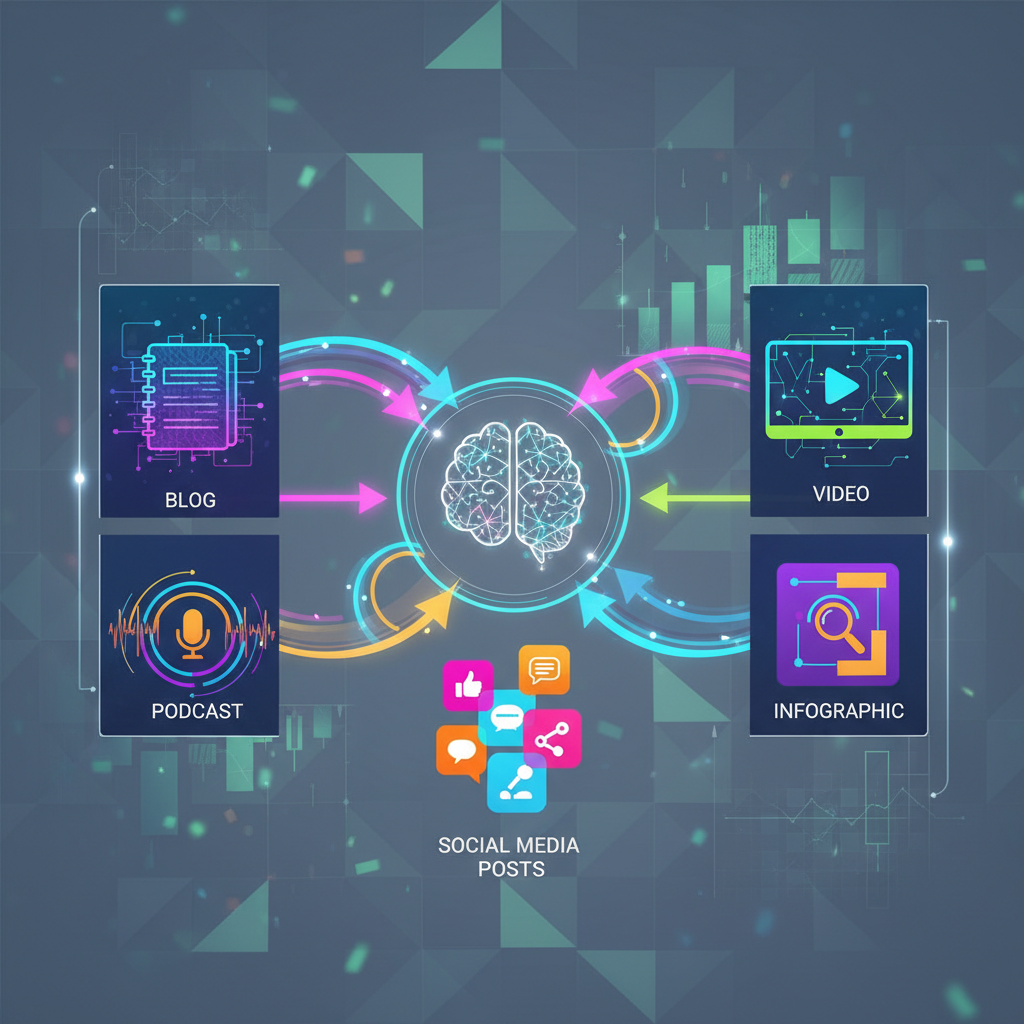
Content Repurposing Strategy To Maximize ROI Across Platforms 202
A robust content repurposing strategy is essential for maximizing return on investment (ROI) across various digital platforms. This approach involves transforming existing content into new formats to reach wider audiences and extend its lifespan. By strategically reusing and adapting your valuable assets, you can significantly enhance your marketing efficiency and impact without constantly creating new material from scratch. This article will guide you through developing an effective content repurposing framework for the modern digital landscape.
Understanding Content Atomization for Multi-Channel Marketing Efficiency
Content atomization is a strategic approach where a large piece of core content is broken down into smaller, more digestible, and platform-specific pieces. This method significantly boosts multi-channel marketing efficiency by ensuring your message resonates across various digital touchpoints. It allows marketers to extract maximum value from every single piece of content created.

The core idea behind a strong content atomization strategy for multi-channel marketing efficiency is to create once and publish everywhere. Instead of developing entirely new campaigns for each platform, you adapt existing high-value content. This approach not only saves time and resources but also reinforces your brand message consistently across your digital presence. For example, a comprehensive guide can become a series of social media posts, an infographic, or even a short video. The goal is to extend the reach and impact of your original work.
Defining Content Atomization for Digital Marketing
Content atomization refers to the process of deconstructing a primary piece of content into numerous smaller, distinct, and adaptable content assets. These smaller pieces are then optimized for distribution across various digital platforms and channels. This strategy is crucial for modern marketing, allowing brands to cater to diverse audience preferences and platform algorithms effectively. It ensures that no valuable insight or information goes unused.
Benefits of an Atomized Content Approach
Adopting an atomized content approach offers numerous advantages for businesses aiming to enhance their digital marketing efforts. Firstly, it drastically improves content visibility by tailoring formats for different platforms, from LinkedIn articles to Instagram Reels. Secondly, it boosts SEO by creating more indexed pages and varied content types that can rank for different keywords. Finally, it provides a consistent brand voice across all channels, building stronger brand recognition and trust with your audience. This strategic reuse also reduces the pressure to constantly generate entirely new ideas.
How to Repurpose One Blog Post into 10 Pieces of Content: A Practical Guide
Repurposing a single blog post into ten or more distinct pieces of content is a highly effective way to amplify your message and extend its lifecycle. This process involves identifying key themes, data points, and quotes within your original article and transforming them into new formats suitable for different platforms. It’s a cornerstone of any efficient content repurposing strategy. For more insights, check out our guide on Digital Marketing Services.

To understand how to repurpose one blog post into 10 pieces of content, begin by dissecting your original article. Look for statistics, actionable tips, strong opinions, or compelling narratives that can stand alone or be expanded upon. A well-structured blog post often contains several potential micro-content opportunities. The key is to think creatively about how each element can be presented in a fresh and engaging way to different audiences. This systematic approach ensures maximum leverage from your initial content investment.
Transforming Blog Content into Diverse Formats
The versatility of a well-written blog post makes it an ideal foundation for various content types. Here’s a breakdown of how you can diversify your output:
* Social Media Posts: Extract key quotes, statistics, or questions from your blog post. Create multiple posts for Twitter, LinkedIn, Facebook, and Instagram, each tailored to the platform’s best practices.
* Infographics: Visualize data, processes, or key takeaways from your blog post into an engaging infographic. These are highly shareable and excellent for visual learners.
* Short Videos/Reels: Turn a key tip or a list of points into a quick explainer video for TikTok, Instagram Reels, or YouTube Shorts. Add text overlays and trending audio for maximum engagement.
* Podcast Segments: Read a section of your blog post, discuss its implications, or interview an expert on its topic for a podcast episode or a short audio clip.
* Email Newsletter Snippets: Use summaries or direct excerpts from your blog post to entice subscribers to read the full article on your website.
* Presentations/Webinar Slides: Create a slide deck summarizing your blog post’s main points. This can be used for webinars, speaking engagements, or uploaded to platforms like SlideShare.
* Quizzes/Polls: Develop interactive content based on the blog’s themes to engage your audience and gather insights.
* Guest Post Pitches: Reframe a section of your blog post into a unique angle for a guest post on an industry-related website, linking back to your original article.
* E-books/Guides: If your blog post is part of a series or particularly in-depth, combine several related posts into a downloadable e-book or comprehensive guide.
* Case Studies: If your blog post discusses a problem and solution, consider turning it into a case study by adding specific client results and testimonials.
Strategic Content Mapping for Repurposing
Effective content repurposing requires a strategic content map. This involves outlining your original content, identifying potential derivative pieces, and mapping them to specific platforms and audience segments. A content map ensures that each repurposed piece serves a distinct purpose and reaches the right audience. It also helps in maintaining consistency in messaging while adapting the format. This systematic planning prevents content from becoming repetitive or irrelevant.
Streamlining Your Workflow: From Blog to Podcast to Short Video Content Repurposing
An efficient blog to podcast to short video content repurposing workflow is crucial for maximizing the reach and impact of your content across diverse media. This integrated approach ensures that a single piece of core content can be seamlessly transformed and distributed across audio and visual platforms. It reduces manual effort and accelerates content production cycles.
The process typically starts with a well-researched blog post as the foundational asset. From this blog post, you can extract key information, scripts, and talking points to develop a podcast episode. Subsequently, highlights, soundbites, or visual representations from the podcast can be further adapted into engaging short video content for platforms like YouTube Shorts, Instagram Reels, or TikTok. This structured workflow ensures that your message is consistent yet optimized for each medium, reaching different segments of your audience who prefer consuming content in various formats. Businesses looking to enhance their digital presence and offer comprehensive Digital Marketing Services often prioritize such integrated content strategies.
Developing a Cohesive Blog-to-Podcast Repurposing Strategy
Transforming a blog post into a podcast episode requires careful consideration of the medium’s unique characteristics. While the blog post provides the written narrative, the podcast needs a conversational tone and an engaging auditory experience.
Here’s a practical workflow:
1. Outline Extraction: Pull the main headings and subheadings from your blog post to form a podcast episode outline.
2. Script Adaptation: Convert key paragraphs and bullet points into speaking notes or a full script, ensuring a natural, conversational flow.
3. Add Personal Anecdotes: Introduce personal stories or examples that weren’t suitable for the blog but enhance the podcast’s relatability.
4. Interview Integration: Consider bringing in an expert or team member to discuss points from the blog, adding depth and diverse perspectives.
5. Call to Action: Include a clear call to action, perhaps linking back to the original blog post or a related resource.
Creating Engaging Short Video Content from Audio and Text
Short video content is highly effective for capturing attention in today’s fast-paced digital environment. Repurposing from a podcast or blog post into this format demands visual creativity and conciseness.
Consider these steps:
* Identify Key Soundbites: Listen to your podcast episode for compelling quotes, actionable tips, or surprising statistics that can form the basis of a short video.
* Visual Storytelling: Use animated text, relevant stock footage, screen recordings, or simple graphics to visually represent the spoken content.
* Add Captions: Always include captions or subtitles, as many users watch short videos without sound.
* Optimize for Platform: Tailor the video’s aspect ratio, length, and editing style for platforms like TikTok (vertical, fast cuts) or LinkedIn (slightly longer, professional).
* Music and Effects: Incorporate trending music or sound effects judiciously to enhance engagement without distracting from the message.
Leveraging AI-Assisted Content Repurposing Tools and Workflow Strategy
AI-assisted content repurposing tools are revolutionizing how marketers transform and distribute their content, significantly boosting efficiency and scale. These intelligent platforms can automate many of the tedious tasks associated with content adaptation, allowing teams to focus on strategy and creativity. Implementing an AI-assisted content repurposing tools and workflow strategy is no longer a luxury but a necessity for staying competitive.
Artificial intelligence can analyze existing content, identify key themes, summarize long-form articles, and even generate new content variations in different formats. This capability dramatically speeds up the repurposing process, making it possible to produce a high volume of diverse content from a single source. For example, AI can quickly turn a blog post into social media captions, email subject lines, or even initial video scripts. This automation frees up valuable human resources, enabling content creators to focus on higher-level strategic tasks and creative refinement.
Top AI Tools for Content Transformation
The market offers a growing array of AI tools designed to streamline content repurposing. These tools vary in functionality but generally aim to reduce manual effort and accelerate output.
Here are some categories of AI tools and their applications:
* Text Summarizers: Tools like Jasper (formerly Jarvis) or Copy.ai can condense lengthy blog posts into concise summaries suitable for social media or email intros.
* Video Generators: Platforms such as Pictory or Synthesys can convert text or audio into short videos with stock footage, voiceovers, and captions.
* Audio Transcribers: Services like Otter.ai or Happy Scribe accurately transcribe audio (e.g., podcasts) into text, providing a foundation for blog posts or articles.
* Social Media Content Creators: AI can generate multiple variations of social media posts from a single piece of content, optimizing for different platforms and tones.
* Image Generators: While not directly repurposing text, AI image generators can create visuals to accompany repurposed content, saving time on design.
Integrating AI into Your Repurposing Workflow
Successfully integrating AI into your content repurposing workflow requires a structured approach. It’s not about replacing human creativity but augmenting it.
Consider this workflow:
1. Content Audit: Use AI to analyze existing content for top-performing pieces and identify repurposing opportunities.
2. Initial Generation: Feed your core content (e.g., a blog post) into an AI tool to generate initial drafts of summaries, social posts, or video scripts.
3. Human Review and Refinement: Crucially, a human editor must review, refine, and add a unique brand voice to the AI-generated content. AI provides a starting point, not a final product.
4. Platform Optimization: Manually adjust the AI-generated content to fit the specific requirements and audience nuances of each target platform.
5. Performance Tracking: Monitor the performance of your AI-assisted repurposed content to inform future AI prompts and strategies.
This hybrid approach ensures efficiency while maintaining quality and brand authenticity.
Measuring Success and Optimizing Your Content Repurposing Efforts
Measuring the success of your content repurposing strategy is vital for understanding its effectiveness and identifying areas for optimization. Without clear metrics, it’s impossible to determine the true return on investment (ROI) from your repurposed content. This involves tracking engagement, reach, conversions, and the overall efficiency gains achieved through your efforts.
To truly optimize your repurposing efforts, you must move beyond simply creating content and delve into its performance data. This means regularly reviewing analytics from all platforms where your repurposed content lives. By understanding which formats and channels yield the best results, you can refine your strategy, allocate resources more effectively, and continuously improve your content’s impact. This iterative process ensures that your content repurposing becomes a lean, data-driven operation that consistently delivers value.
Key Metrics for Repurposed Content ROI
Evaluating the ROI of your repurposed content requires tracking a variety of metrics across different platforms. These metrics provide insights into how well your content is performing and its contribution to your overall marketing goals.
Here’s a table outlining key metrics and their relevance:
| Metric Category | Specific Metrics to Track | Why it Matters for Repurposing |
| :————– | :———————— | :—————————– |
| Reach & Awareness | Impressions, Views, Unique Visitors, Follower Growth | Indicates how many people are seeing your repurposed content and expanding your audience. |
| Engagement | Likes, Shares, Comments, Time on Page/Video, Podcast Downloads, Click-Through Rate (CTR) | Shows how well your content resonates with the audience and encourages interaction. |
| Conversions | Leads Generated, Sales, Sign-ups, Downloads (e.g., e-books), Form Submissions | Directly measures the business impact and ROI of your repurposed assets. |
| Efficiency | Time Saved, Cost Reduction per Content Piece, Content Production Volume | Quantifies the operational benefits of repurposing compared to creating all new content. |
| SEO Performance | Keyword Rankings, Organic Traffic, Backlinks Acquired | For repurposed blog posts or articles, indicates improved search visibility. |
Iterative Optimization for Continuous Improvement
Optimization is an ongoing process that refines your content repurposing strategy based on performance data. It involves making data-driven adjustments to your workflow, content formats, and distribution channels.
Steps for iterative optimization:
1. Analyze Performance Reports: Regularly review analytics dashboards for all repurposed content. Look for trends, top-performing pieces, and underperforming assets.
2. Identify Patterns: Determine which content formats (e.g., short video, infographic) and platforms (e.g., LinkedIn, TikTok) yield the highest engagement or conversion rates for specific topics.
3. A/B Testing: Experiment with different headlines, visuals, calls to action, or posting times for your repurposed content to see what resonates best.
4. Refine Workflow: Based on insights, adjust your blog to podcast to short video content repurposing workflow. For instance, if short videos perform exceptionally well, allocate more resources to that format.
5. Update Content: Periodically refresh older repurposed content with new data or perspectives to maintain its relevance and extend its lifespan further. This keeps your content fresh and continuously valuable to your audience.
What is content repurposing?
Content repurposing is the strategic process of transforming existing content into different formats to maximize its reach, impact, and lifespan across various platforms. It allows marketers to get more value from their original creations by adapting them for new audiences and channels.
Why is content repurposing important for ROI?
Content repurposing is crucial for ROI because it extends the value of your initial content investment. By adapting existing assets, you save time and resources compared to creating entirely new content, while simultaneously reaching wider audiences and reinforcing your message across multiple touchpoints.
How can AI assist in content repurposing?
AI can significantly assist in content repurposing by automating tasks like summarization, transcription, and generating initial drafts for different formats. AI tools can analyze content, identify key points, and create variations, speeding up the workflow and allowing human creators to focus on refinement and strategy.
What is content atomization?
Content atomization is a strategy where a large, foundational piece of content is broken down into numerous smaller, distinct, and platform-specific pieces. These “atoms” of content are then distributed across various channels to maximize reach and engagement.
Can one blog post really become 10 pieces of content?
Yes, absolutely. A single blog post can be broken down into numerous pieces like social media updates, infographics, short videos, podcast snippets, email excerpts, and even presentation slides. Each element can be extracted and adapted to suit different platforms and audience consumption preferences.
What’s a typical workflow for repurposing a blog to video?
A typical workflow involves extracting key points and statistics from the blog post, outlining a script for a short video, selecting appropriate visuals (stock footage, graphics), recording a voiceover, adding text overlays, and then editing it for platforms like YouTube Shorts or Instagram Reels.
Embracing a robust content repurposing strategy is no longer optional but a fundamental pillar of effective digital marketing. By transforming your core content into diverse formats, you unlock unparalleled efficiency and significantly amplify your reach. From atomizing a single blog post into dozens of micro-content pieces to leveraging AI for rapid transformation, the opportunities to maximize your ROI are vast.
Key takeaways for your content strategy:
* Prioritize a core piece of content, then systematically break it down.
* Utilize a structured workflow for transforming content across platforms.
* Integrate AI tools to automate repetitive tasks and scale your efforts.
* Continuously measure performance to optimize and refine your strategy.
* Focus on delivering consistent value in varied formats to your audience.
Start applying these principles today to extend the life and impact of your valuable content, ensuring every piece works harder for your brand.