
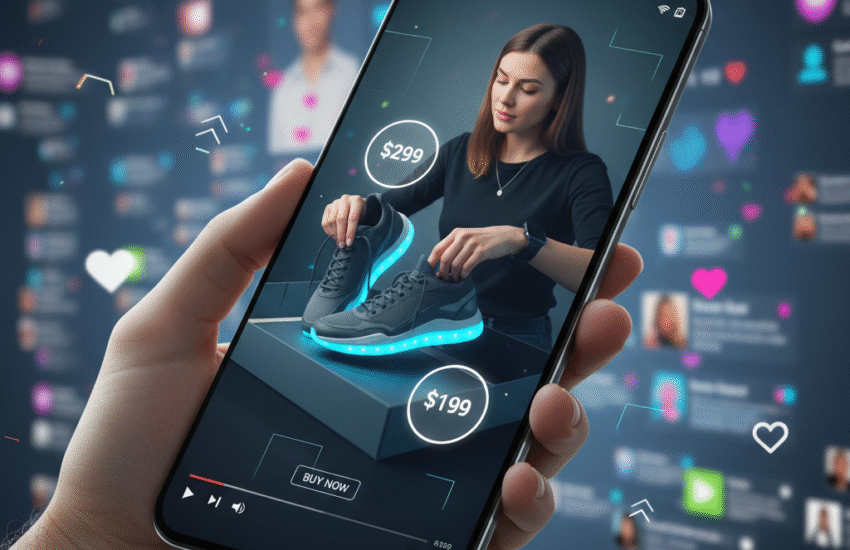
Shoppable Video Strategy: The Untapped Goldmine for Social Commerce
I remember staring at our analytics a few years back, scratching my head. We were pumping out incredible video content – high production value, engaging stories, all the bells and whistles. Yet, when it came to direct sales, the numbers just weren’t moving the needle the way I expected. It felt like we were throwing parties everyone loved, but nobody was buying the merchandise. Then, I stumbled into the world of shoppable video, and everything clicked. It wasn’t just about showing products; it was about selling them right there, in the moment, transforming passive viewers into active buyers. This revelation completely reshaped our approach to digital marketing and unlocked a powerful new stream of revenue.
In this post, you’ll discover how to build a robust shoppable video strategy, learn why an interactive video marketing approach is now non-negotiable for modern brands, and get actionable steps to drive sales with interactive video — backed by real-world examples and my own battlefield-tested insights. We’ll dive deep into everything from creating compelling short-form content for Instagram to implementing a sophisticated native in-feed conversion strategy for social commerce across various platforms.
Why Your Videos Need a Direct Path to Purchase

The digital landscape is a noisy place, and consumer attention is a precious commodity. We’re past the days where a pretty product shot and a link in bio were enough. Today, people want instant gratification, a seamless journey from discovery to purchase. This is precisely why a strong shoppable video strategy isn’t just a nice-to-have; it’s a critical component of any modern ecommerce video strategy. Businesses that fail to adapt risk being left behind in a rapidly evolving market where convenience dictates consumer behavior.
Think about it: how many times have you seen something you loved on a social feed, only to forget about it by the time you navigated to the brand’s website? This friction is a conversion killer, a chasm between interest and action. Shoppable video content strategy eliminates that friction, turning passive viewers into active buyers by embedding purchase points directly within the video itself. It’s about meeting your customers where they are, in the midst of their in-feed shopping experience, and making it incredibly easy for them to act on impulse. This streamlined approach not only boosts immediate sales but also significantly enhances the overall customer journey, fostering loyalty and repeat business. By integrating direct purchase options, brands can capitalize on fleeting moments of interest, transforming content consumption into tangible revenue.
Crafting a Powerful Shoppable Video Strategy for Social Media Feeds

A shoppable video content strategy for social media feeds is about integrating direct purchase opportunities within your video content, allowing viewers to buy products without leaving their current social platform or video experience. This transforms passive viewing into an active, transactional engagement, significantly shortening the sales funnel and enhancing the overall customer journey. It’s a fundamental shift from traditional advertising to a more integrated, user-centric commerce model.
This approach is particularly potent on platforms like Instagram, TikTok, and YouTube, where users are already accustomed to consuming video content as a primary form of entertainment and information. By implementing shoppable video on social feeds, you’re not just entertaining; you’re creating a native in-feed conversion strategy for social commerce. It’s about making every scroll a potential sale, turning your video content into a powerful sales engine. This strategy leverages the inherent virality and engagement of social media, allowing brands to tap into new revenue streams and connect with audiences in a more direct and impactful way. The goal is to make the buying process feel as natural and effortless as scrolling through a feed.
Understanding the Core of Social Commerce Video
Social commerce video is more than just posting product videos; it’s about creating an integrated shopping experience directly within social platforms. This means embedding product tags, clickable links, or even direct checkout functionalities into your videos, allowing viewers to seamlessly add items to a cart or make a purchase as they watch. It’s the evolution of content, transforming entertainment into immediate opportunity. The rise of video shopping trends has highlighted the consumer’s desire for instant gratification and a frictionless path to purchase. Brands that embrace this understand that the video itself becomes a storefront, a dynamic catalog where products are not just displayed but actively sold.
The goal is to reduce friction. If a viewer sees a product they love in your video, they shouldn’t have to jump through hoops to find it. This direct path to purchase is what defines effective social commerce video and separates it from traditional video marketing. It’s about leveraging the inherent virality and engagement of social media for direct sales, building trust through authentic content, and providing an unparalleled in-feed shopping experience. For instance, a beauty brand might showcase a makeup tutorial where viewers can tap on each product used in real-time, adding them to their cart without ever leaving the video player. This seamless integration is key to unlocking the full potential of video content monetization.
How to Create Shoppable Short-Form Video for Instagram
To create shoppable short-form video for Instagram, focus on visually appealing, concise content that highlights a single product or a small collection. Instagram’s audience thrives on quick, engaging visuals, so aim for videos under 30-60 seconds that grab attention immediately. Utilize Instagram’s native shopping features, such as product tags in Reels and Stories, or link stickers that direct users to product pages. The key is to make the call to action clear and the product easily identifiable within the dynamic content. For example, a fashion brand could create a “Get the Look” Reel, tagging each clothing item as it appears, allowing viewers to tap and shop instantly.
Consider using user-generated content (UGC) with product tags to build trust and authenticity. When people see real individuals using your products in everyday scenarios, it resonates more deeply than polished ads. This shoppable UGC strategy for ecommerce product pages can be incredibly effective, as it taps into social proof. Optimizing shoppable video for mobile is paramount here, as most Instagram consumption happens on smartphones. Ensure your tags are easily tappable, your product pages load quickly, and the entire checkout process is streamlined for small screens. High-quality visuals, clear audio, and compelling storytelling, even in short bursts, will significantly enhance your social media selling efforts on Instagram.
Developing a Shoppable Content Strategy for YouTube and TikTok
For YouTube and TikTok, a shoppable content strategy requires adapting to each platform’s unique audience and features. On YouTube, leverage end screens, info cards, and video descriptions to link directly to products, or explore YouTube Shopping integrations for a more embedded experience. Longer-form content on YouTube allows for detailed product reviews, unboxings, and tutorials, where multiple products can be showcased and linked. For TikTok, focus on highly engaging, trend-driven content with product links in bios or through TikTok Shop features. TikTok’s algorithm favors authenticity and rapid consumption, so quick cuts, popular sounds, and relatable scenarios are crucial for product discovery video.
Live shopping video is particularly effective on both platforms, creating a real-time, interactive selling environment. Brands can host Q&A sessions, product demonstrations, and exclusive launches, allowing viewers to purchase items directly as they watch. This creates a sense of urgency and community, tapping into the latest video shopping trends. Consider collaborating with influencers for product discovery video content, as their authentic endorsements can significantly boost engagement and sales. For instance, a tech reviewer on YouTube could demonstrate a new gadget, with clickable links appearing as they highlight features. On TikTok, a creator might participate in a viral challenge while subtly featuring a product, linking it directly in their video. The key is to make the shopping experience feel organic to the platform, enhancing the in-feed shopping experience rather than disrupting it.
Implementing Shoppable UGC Strategy for Ecommerce Product Pages
A shoppable UGC strategy for ecommerce product pages involves curating customer-created videos and embedding them directly onto your product pages with clickable product tags. This builds immense social proof and allows potential buyers to see products in real-world scenarios, often leading to higher conversion rates. It’s about leveraging your community as your best salespeople. Instead of just static images, imagine a customer seeing a video review of a dress on your product page, where they can tap directly on the dress in the video to add it to their cart. This adds a dynamic, trustworthy layer to the traditional product page.
The authenticity of user-generated content is unmatched. When customers see other customers loving and using your products, it creates a powerful sense of trust and desire. This is especially true for items like apparel, cosmetics, or home goods, where seeing the product in action by someone relatable can be the deciding factor. Tools for creating shoppable social videos can help you easily tag products within these UGC submissions, turning every customer testimonial into a direct sales opportunity. Platforms like Loox, Yotpo, or even custom solutions can integrate these videos seamlessly, providing a richer, more engaging in-feed shopping experience directly on your owned properties. This not only boosts conversions but also encourages more customers to submit their own content, creating a virtuous cycle of authentic marketing and video content monetization.
Measuring ROI of Shoppable Video Campaigns
Measuring ROI of shoppable video campaigns involves tracking key metrics such as click-through rates on product tags, conversion rates from video views to purchases, average order value, and overall revenue generated directly from shoppable video content. It’s crucial to use robust analytics to attribute sales accurately back to your shoppable efforts. Beyond direct sales, also consider softer metrics like increased engagement, time spent watching, brand sentiment, and social shares. These contribute to long-term brand building and can indirectly impact future sales. A comprehensive approach to analytics will reveal the true impact of your video content monetization efforts and help refine your shoppable video strategy.
To effectively measure, integrate tracking pixels and UTM parameters into all your shoppable links. Monitor how different video formats, product placements, and calls to action perform. For example, A/B test two versions of a shoppable Reel – one with a direct “Shop Now” tag and another with a more subtle “Learn More” tag – to see which drives higher conversions. Analyze customer journey paths to understand where friction points might exist after the click. This data-driven approach is essential for optimizing shoppable video for mobile and ensuring your interactive video marketing efforts are truly paying off. Understanding these metrics allows you to continuously refine your approach, ensuring that every video contributes meaningfully to your bottom line and strengthens your ecommerce video strategy.
| Feature | Traditional Product Video | Shoppable Video |
| :—————– | :———————— | :———————— |
| Viewer Action | Watch, then navigate | Watch, click, buy |
| Sales Funnel | Longer, more steps | Shorter, direct |
| Engagement | Passive | Interactive, transactional |
| Conversion Rate | Lower | Higher (potential) |
| Friction | High | Low |
Best Practices for Shoppable Video Content
The best practices for shoppable video content include keeping videos concise and engaging, clearly showcasing the product, using high-quality visuals and audio, and ensuring a seamless user experience from click to purchase. Always optimize your videos for mobile viewing and test your shoppable links regularly to prevent broken paths. Remember, the goal is to make the buying process as effortless as possible, so any technical glitch can derail a potential sale.
Furthermore, integrate strong calls to action (CTAs) that guide viewers to the purchase point without being overly pushy. Think about the narrative – tell a story, solve a problem, or demonstrate a benefit. This makes the shopping experience feel less like an advertisement and more like a helpful recommendation. For instance, instead of just showing a product, demonstrate how it solves a common problem or enhances a lifestyle. This approach is key to driving sales with interactive video. Utilize features like countdown timers for limited-time offers or interactive polls to engage viewers and collect valuable feedback. For those looking to elevate their overall digital presence, understanding comprehensive Digital Marketing strategies, including SEO, ASO, and SMO, can provide a significant competitive edge, ensuring your shoppable video strategy is part of a larger, cohesive marketing ecosystem.
PART 6: Real-world case study with Situation/Action/Result
How “StyleSavvy” Boosted Sales by 30% with Live Shopping Video
Situation: StyleSavvy, a boutique fashion retailer, struggled with converting their highly engaging social media fashion haul videos into direct sales. While their videos garnered thousands of views and positive comments, the path from discovery to purchase was clunky, often involving multiple clicks and searches on their website. Viewers would express interest, but the friction of leaving the platform to find the item often led to abandonment. Their existing video content monetization wasn’t truly optimized, missing out on the immediate impulse purchase opportunities that social media offered. They knew their audience loved their content, but the disconnect between engagement and conversion was a significant challenge.
Action: Recognizing the rise of video shopping trends and the potential of live shopping video, StyleSavvy pivoted its shoppable video strategy. They initiated weekly “Style & Steals” live streams on Instagram and TikTok, featuring new arrivals, styling tips, and limited-time offers. During these live sessions, they used interactive video marketing tools to display product tags directly on screen, allowing viewers to tap and buy instantly without leaving the live stream. They actively engaged with comments, answered questions about sizing and fit in real-time, and created a sense of urgency with flash sales and exclusive discounts. To further enhance the in-feed shopping experience, they integrated a chatbot for common queries and offered personalized styling advice during the stream. This comprehensive approach to implementing shoppable video on social feeds transformed their casual viewership into a dynamic sales channel.
Result: Within three months of launching their new live shopping video initiative, StyleSavvy saw a remarkable 30% increase in direct sales attributed specifically to their shoppable video campaigns. Their average order value (AOV) for live stream purchases was 15% higher than their traditional online sales, indicating that the interactive nature encouraged larger basket sizes. They also reported a significant boost in product discovery video engagement, with viewers spending an average of 2x longer on their live streams compared to pre-shoppable videos, demonstrating the power of driving sales with interactive video. The native in-feed conversion strategy for social commerce proved to be a game-changer, not only increasing revenue but also fostering a stronger, more engaged community around the brand. This success story stands as a prime example of successful shoppable video strategy.
Mistakes That Are Costing You Results

Even with the best intentions, common pitfalls can undermine your shoppable video strategy. Avoiding these mistakes is crucial for maximizing your ROI and ensuring a seamless in-feed shopping experience.
Ignoring Mobile Optimization
Many businesses still create shoppable videos that look great on a desktop but fall apart on mobile. Tiny product tags, slow-loading product pages, and non-responsive designs kill conversions. Given that over 70% of social media consumption happens on mobile devices, neglecting this aspect is a fatal flaw. Users expect speed and ease, and any friction will lead them to abandon their purchase.
What to do instead: Always design and test your shoppable videos with a mobile-first mindset. Ensure product tags are large enough to tap comfortably with a thumb, links lead to fully mobile-optimized product pages, and video quality is adapted for various mobile network speeds without sacrificing clarity. Prioritize fast loading times for product pages, as even a few seconds of delay can result in significant drop-off. This is a core component of best practices for shoppable video content.
Over-Complicating the Purchase Process
Adding too many steps between the video and the checkout is a surefire way to lose customers. If a viewer has to click through multiple pages, re-enter information, or fill out extensive forms, they’ll abandon their cart. The magic of shoppable video lies in its immediacy; disrupting that flow negates its primary benefit.
What to do instead: Strive for a one-click or two-click purchase experience. Leverage social media selling features that allow for in-app checkout or direct links to a pre-filled cart on your website. The less friction, the better. Consider express checkout options or integrations with digital wallets. The goal of implementing shoppable video on social feeds is to make the journey from discovery to purchase as smooth and instantaneous as possible.
Lack of Clear Call to Action
Even with shoppable features, viewers need to be told what to do. Assuming they’ll instinctively know to click a tag is a rookie mistake. In the crowded digital space, clarity is king, and a vague or absent CTA leaves potential buyers confused and inactive.
What to do instead: Verbally and visually guide your audience. Use phrases like “Tap to shop now!” or “Click the product tag to add to cart!” in your video and accompanying text. Incorporate animated arrows or highlights pointing to the shoppable elements. Make it impossible to miss the opportunity. A strong, explicit CTA is vital for driving sales with interactive video and converting interest into action.
Neglecting Analytics and A/B Testing
Launching shoppable videos without tracking their performance or experimenting with different approaches is like flying blind. You won’t know what’s working, what’s not, or why. This oversight prevents continuous improvement and wastes valuable resources.
What to do instead: Implement robust tracking for every shoppable video campaign. A/B test different video formats, CTAs, product placements, and even price points within your videos. Use the data to continuously refine and optimize your shoppable video strategy. Pay attention to metrics like click-through rates on product tags, conversion rates, and time spent watching to understand viewer behavior and improve your video content monetization efforts. This iterative process is key to long-term success.
Frequently Asked Questions

What is shoppable video content strategy?
Shoppable video content strategy is a marketing approach that integrates direct purchasing opportunities within video content, allowing viewers to buy products or services directly from the video itself. It’s designed to shorten the customer journey and increase conversions by removing friction between discovery and purchase, creating a seamless in-feed shopping experience.
How does shoppable video content work on social media feeds?
On social media feeds, shoppable video content typically works by embedding clickable product tags, links, or direct checkout functionalities within the video. Viewers can tap on these elements as they watch, instantly accessing product details or adding items to a cart, often without leaving the social platform. This transforms passive viewing into active social media selling.
Why is a shoppable video strategy important for businesses?
A shoppable video strategy is crucial for businesses because it significantly enhances the in-feed shopping experience, reduces customer friction, and accelerates the sales cycle. It capitalizes on immediate interest, turning passive viewers into active buyers, and is a powerful tool for video content monetization and social media selling, ultimately boosting revenue and customer satisfaction.
What are the benefits of using shoppable video in social commerce?
The benefits of using shoppable video in social commerce include increased conversion rates, higher engagement, improved product discovery video potential, and a more seamless customer journey. It allows businesses to meet customers where they are, leveraging the power of interactive video marketing to drive sales with interactive video and capitalize on video shopping trends.
How can businesses effectively implement shoppable video content?
Businesses can effectively implement shoppable video on social feeds by focusing on engaging, short-form videos, clearly showcasing products, utilizing native social media shopping tools, and optimizing shoppable video for mobile. It’s also vital to track performance metrics and continuously refine the strategy based on data and consumer feedback, ensuring a robust ecommerce video strategy.
Why I Disagree With the “Always Go High-Production” Mantra
Most people in content creation will tell you that to succeed with video, especially shoppable video, you need a massive budget and Hollywood-level production. I think that’s wrong because my experience has shown that authenticity and relevance trump polish every single time. A raw, genuine product discovery video from a real person, even if shot on a phone, often performs better than a perfectly lit, overly scripted commercial. People crave realness, especially in social commerce video. The era of perfectly curated, unattainable imagery is fading, replaced by a demand for relatable, trustworthy content.
The key isn’t perfection; it’s connection. Focus on solving a problem, demonstrating a real benefit, or simply sharing an honest experience. That’s how you build trust and drive sales with interactive video, not by spending a fortune on a video that feels too slick to be true. Think about the success of TikTok creators – their content is often spontaneous, unpolished, and highly effective because it feels genuine. This approach is fundamental to a successful shoppable video strategy that truly resonates with modern consumers and drives authentic video content monetization.
Pick one thing from this list and try it this week. That’s it. You’ll see the difference.