
The Ultimate Guide to Self Serve Buyer Journey Content
Self serve buyer journey content empowers prospects to research, evaluate, and decide on their own terms—without direct sales interaction. This approach meets modern B2B buyers who prefer independent research before engaging with a sales team. By delivering the right information at each stage, you accelerate deals and build trust.
What Is Self Serve Buyer Journey Content and Why Does It Matter?
Self serve buyer journey content refers to educational, decision-enabling materials that buyers access independently online. Unlike traditional sales-led approaches, this content lets prospects move through awareness, consideration, and decision stages at their own pace.
The Rise of Independent B2B Research
Today, 70% of B2B buyers complete their research before contacting sales. They read blogs, watch demos, and compare vendors alone. Your B2B buyer journey content must match this behavior. If it doesn’t, you lose deals to competitors who provide clear, accessible answers. For more insights, check out our guide on Digital Marketing Services.
Key Characteristics of Effective Self-Serve Content
Great self-serve content is scannable, actionable, and gated only when necessary. It answers specific questions like “How does this solve my problem?” or “What does implementation look like?” It avoids fluff. Every page should move a buyer closer to a decision.
How to Map B2B Buyer Journey Content to Each Stage
Mapping content to the buyer journey means creating distinct assets for awareness, consideration, and decision phases. Each stage requires different formats, depth, and calls to action. For more insights, check out our guide on Digital Marketing Services.
Awareness Stage: Problem-First Resources
At the top of the funnel, buyers don’t know you exist. They search for pain points. Create blog posts, checklists, and industry reports that diagnose their challenges. For example, “5 Signs Your CRM Data Is Hurting Sales” attracts early-stage visitors.
Consideration Stage: Solution Comparison Content
Once buyers understand their problem, they evaluate options. Use comparison guides, case studies, and webinars. A table comparing your solution against competitors helps buyers shortlist. This is where self-service sales content shines—it replaces initial sales calls.
| Content Type | Awareness Stage | Consideration Stage | Decision Stage |
|---|---|---|---|
| Blog Posts | Yes | No | No |
| Comparison Guides | No | Yes | Yes |
| Product Demos | No | No | Yes |
| Case Studies | No | Yes | Yes |
Decision Stage: Proof and Pricing Clarity
In the final stage, buyers need confidence. Provide ROI calculators, pricing pages, and customer testimonials. Remove friction. If a buyer must email for pricing, you break the self-serve flow. Transparency here builds trust.
Building a Lead Nurturing Content Strategy for Self-Serve Buyers
A lead nurturing content strategy for self-serve buyers uses automated email sequences, on-site recommendations, and progressive profiling. The goal is to deliver the next logical piece of content without human intervention. For more insights, check out our guide on Digital Marketing Services.
Automating Personalized Content Paths
Use behavior triggers. If a visitor downloads a comparison guide, send them a case study two days later. If they watch a demo video, offer a free trial. This mimics a sales rep’s intuition but runs 24/7. Tools like HubSpot or Marketo make this scalable.
Balancing Gated and Ungated Content
Not all content should be gated. Ungated blog posts build trust. Gated assets like white papers capture leads. The rule: gate content that provides high value and signals purchase intent. For example, a “ROI Calculator” is worth an email address. A “Top 10 Tips” article is not.
Scoring Engagement Without Sales Intervention
Track page visits, time on page, and content downloads. Assign points to each action. When a lead reaches a threshold, notify sales or trigger a personalized email. This keeps your lead nurturing content strategy efficient and respectful of buyer autonomy.
Creating Self-Service Sales Content That Converts Without Reps
Self-service sales content replaces the traditional sales pitch with on-demand resources. It answers objections, demonstrates value, and guides buyers to purchase—all without a phone call.
The Anatomy of a High-Converting Demo Page
A demo page should include a short explainer video, key feature highlights, and a clear CTA. Avoid overwhelming text. Use bullet points to list benefits: For more insights, check out our guide on Digital Marketing Services.
– Immediate value: Show the first result a buyer sees after setup.
– Social proof: Embed a 30-second customer testimonial.
– Risk reversal: Offer a money-back guarantee or free trial.
Interactive Tools That Drive Decisions
Calculators, configurators, and self-assessments engage buyers actively. For example, a “Total Cost of Ownership” calculator lets prospects input their data and see personalized savings. This is powerful self-service sales content because it creates ownership of the result.
FAQ Pages That Answer Objections
A comprehensive FAQ page handles 80% of common sales questions. Structure it by buyer stage. Include pricing questions, implementation timelines, and integration details. This reduces inbound calls and speeds up the buyer journey.
Tailoring B2B Content for Buying Committees Across Roles
B2B content for buying committees must address multiple stakeholders: end users, managers, and executives. Each role has different priorities. Your content must speak to all of them without alienating any.
Content for End Users: Practical and Detailed
End users care about daily workflow. Provide tutorials, user guides, and feature deep dives. They want to know, “Will this make my job easier?” Use screenshots and step-by-step instructions. Avoid jargon that hides functionality. For more insights, check out our guide on Digital Marketing Services.
Content for Managers: ROI and Efficiency
Managers focus on team productivity and budget. Create case studies with metrics like “Reduced onboarding time by 40%” or “Saved 10 hours per week.” Comparison matrices help them justify their choice to superiors. This is where B2B content for buying committees must be data-rich.
Content for Executives: Strategic Impact
Executives care about competitive advantage, scalability, and long-term value. Provide white papers, analyst reports, and executive summaries. Use one-page briefs that highlight top-line numbers. Avoid technical details. They want the big picture.
Measuring the Impact of Your Self-Serve Content Funnel
Measuring success requires tracking content consumption, lead progression, and revenue attribution. Without metrics, you cannot optimize your self serve buyer journey content for better results. For more insights, check out our guide on Digital Marketing Services.
Key Metrics to Track
Monitor these indicators monthly:
– Content completion rate: Percentage of visitors who finish a piece of content.
– Lead conversion rate: How many content consumers become qualified leads.
– Time-to-close: Compare self-serve leads vs. sales-assisted leads.
Using Attribution Models Correctly
First-touch attribution credits awareness content. Last-touch credits decision content. For self-serve journeys, use multi-touch attribution. This reveals which assets truly influence buying committees. Adjust your B2B buyer journey content based on these insights.
A/B Testing Your Content Assets
Test headlines, CTAs, and content formats. For example, compare a video demo vs. a written guide for the same topic. Run tests for two weeks minimum. Small changes can lift conversion rates by 20% or more. Always test one variable at a time.
What is self serve buyer journey content?
Self serve buyer journey content is educational material that allows B2B buyers to research, evaluate, and decide independently without speaking to sales. It includes blogs, comparison guides, demos, and case studies tailored to each buying stage.
How does B2B buyer journey content differ from B2C content?
B2B buyer journey content targets longer sales cycles, multiple stakeholders, and higher price points. It requires deeper technical detail, ROI proof, and content for buying committees. B2C content focuses on emotion and impulse decisions.
What is the best lead nurturing content strategy for self-serve buyers?
The best strategy uses automated email sequences triggered by buyer behavior. Deliver content in logical order: problem → solution → proof → pricing. Use progressive profiling to gather data without overwhelming the buyer.
Can self-service sales content replace sales reps entirely?
Not entirely, but it handles 70-80% of the buyer journey. Self-service sales content replaces initial discovery calls and product demos. Sales reps focus on high-value conversations, complex negotiations, and closing deals.
How do I create B2B content for buying committees with conflicting needs?
Create role-specific content sections within the same asset. For example, a product page can have tabs labeled “For End Users,” “For Managers,” and “For Executives.” This lets each stakeholder find relevant information quickly.
What metrics prove self-serve content is working?
Track content completion rates, lead conversion rates, and time-to-close. Compare self-serve leads against sales-assisted leads. Lower cost-per-lead and higher close rates indicate effective self-serve content.
How often should I update self serve buyer journey content?
Review content quarterly. Update statistics, pricing, and competitor comparisons every six months. Refresh blog posts annually. Stale content hurts credibility and search rankings.
Wrapping Up: Make Self-Serve Your Competitive Advantage
Self-serve buyer journey content is no longer optional—it is expected. B2B buyers demand autonomy, and your content must deliver it.
– Map content to awareness, consideration, and decision stages
– Automate nurturing with behavior-triggered sequences
– Create role-specific assets for buying committees
– Measure relentlessly and optimize based on data
Start by auditing your current content. Identify gaps where buyers get stuck. Then build the resources they need. If you need expert help crafting a complete self-serve content ecosystem, explore our Digital Marketing Services to accelerate your strategy.
Title: Self Serve Buyer Journey Content: The Complete Guide for B2B
Meta: Learn how to create self serve buyer journey content that converts. Map B2B buyer journey content, build a lead nurturing strategy, and empower buying committees. Start today.
Slug: self-serve-buyer-journey-content-guide
Tags: self-serve content, B2B buyer journey, lead nurturing, content strategy, buying committees
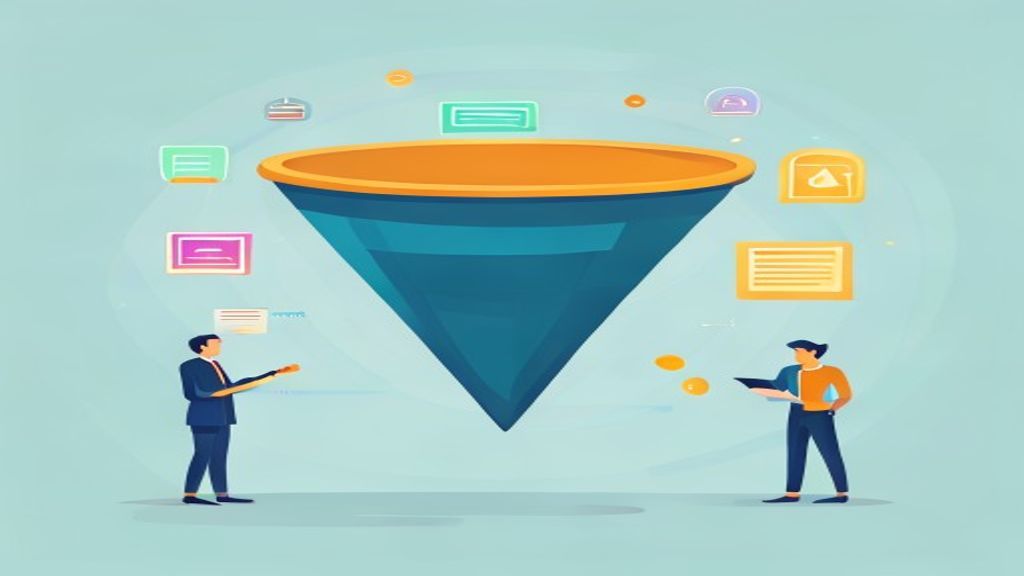
ImagePrompt: A clean, modern illustration showing a B2B buyer journey funnel with three stages—awareness, consideration, decision—and icons for blog posts, comparison guides, and demo videos flowing through each stage.
, comparison guides, demos, and case studies tailored to each buying stage.
To maximize impact, ensure each piece of content includes a clear, low-friction next step. For a blog post, that might be a link to a related comparison guide. For a demo video, a direct call-to-action to start a free trial. This creates a seamless, self-guided path from first click to purchase decision.
How do I align self-serve content with sales team handoffs?
Create a clear trigger for handoff, such as a demo request or a pricing page visit. When a buyer self-selects into a high-intent action, route them to a sales rep with full context of their content consumption history. This ensures the rep picks up the conversation without repeating information the buyer already learned on their own.
What is the role of interactive content in the self-serve journey?
Interactive content—like ROI calculators, product configurators, and assessment tools—accelerates the decision stage. It lets buyers personalize the value proposition to their specific situation. These tools also capture rich first-party data that fuels personalized follow-up content and sales conversations.
How do I prevent content fatigue in a long self-serve cycle?
Use progressive content gates. Instead of asking for all information upfront, request one piece of data per content asset. Offer a content hub or resource library where buyers can explore at their own pace. Send digest emails that summarize key takeaways rather than overwhelming them with daily messages.
Should self-serve content include pricing information?
Yes, when possible. Transparent pricing is a hallmark of effective self-serve content. If your pricing is complex, offer a pricing calculator or a tiered comparison table. Buyers who can self-qualify on budget are more likely to convert without needing a sales call.
Closing Takeaway: Build a Self-Serve Content Engine That Scales
The most successful B2B companies treat self-serve buyer journey content as a living system, not a one-time project. It requires continuous testing, feedback loops, and cross-functional alignment between marketing, sales, and product teams.
Your goal is not to eliminate human touchpoints but to make every interaction more valuable. When buyers can educate themselves on their terms, they arrive at sales conversations informed, qualified, and ready to buy. That is the power of a well-crafted self-serve content strategy.
Start small. Pick one buyer persona and one stage of the journey. Build three pieces of content that connect logically. Measure the results. Then expand. Over time, you will create a content ecosystem that works 24/7 to attract, nurture, and convert your ideal customers.
Title: Self Serve Buyer Journey Content: The Complete Guide for B2B
Meta: Learn how to create self serve buyer journey content that converts. Map B2B buyer journey content, build a lead nurturing strategy, and empower buying committees. Start today.
Slug: self-serve-buyer-journey-content-guide
Tags: self-serve content, B2B buyer journey, lead nurturing, content strategy, buying committees
ImagePrompt: A clean, modern illustration showing a B2B buyer journey funnel with three stages—awareness, consideration, decision—and icons for blog posts, comparison guides, and demo videos flowing through each stage.