
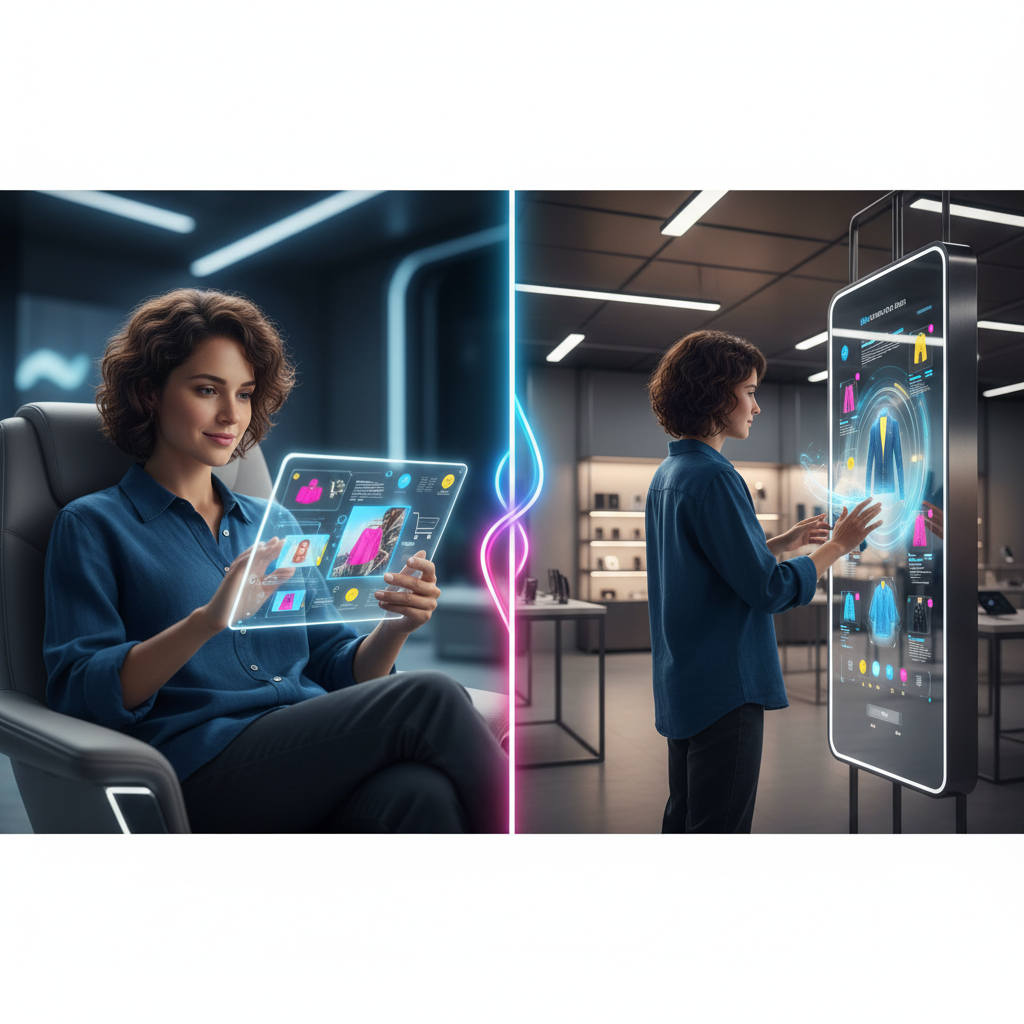
Phygital Retail Marketing Strategy For Brand Experiences 2026
The phygital retail marketing strategy for brand experiences seamlessly blends digital and physical touchpoints to create cohesive and immersive customer journeys. This innovative approach recognizes that modern consumers expect fluid interactions, moving effortlessly between online browsing and in-store engagement. By integrating the best aspects of both worlds, brands can deliver richer, more personalized experiences that foster deeper connections and drive loyalty. Phygital strategies are essential for capturing attention in a crowded marketplace, ensuring every customer interaction, whether digital or physical, feels connected and valuable.
Understanding Phygital Retail Marketing for Brands
Phygital retail marketing for brands integrates digital technologies into physical spaces and vice versa, creating a unified customer experience. This strategy acknowledges that consumers no longer distinguish sharply between online and offline channels, expecting a consistent and personalized journey across all touchpoints. It focuses on leveraging the strengths of both realms to enhance engagement and drive conversions.

The core idea behind a phygital retail marketing strategy for brand experiences is to merge the immediacy and tangibility of physical stores with the data-driven personalization and convenience of digital platforms. For example, a customer might browse products online, receive personalized recommendations, and then visit a physical store to experience those items firsthand, perhaps using interactive displays or smart mirrors. This seamless transition enriches the customer journey, making it more engaging and relevant. Brands that successfully implement phygital strategies often see improved customer satisfaction and increased sales.
Defining Phygital and Its Importance in Modern Retail
Phygital refers to the convergence of the physical and digital worlds, creating a hybrid experience. In retail, it means using digital tools to enhance the in-store experience and using physical spaces to complement online interactions. Its importance lies in meeting evolving consumer expectations for convenience, personalization, and immersive brand engagement. Consumers today seek more than just transactions; they desire experiences that resonate with their lifestyles.
Key Pillars of a Successful Phygital Strategy
A robust phygital strategy rests on several foundational pillars. These include seamless data integration, personalized customer journeys, interactive in-store technologies, and agile marketing campaigns. Each pillar supports the overall goal of creating a unified and compelling brand narrative across all channels. Without these elements, the phygital experience can feel disjointed and fail to deliver its full potential.
Crafting Impactful Phygital Customer Experience Marketing Campaign Ideas
Impactful phygital customer experience marketing campaign ideas bridge the gap between digital convenience and physical engagement, offering unique value propositions to consumers. These campaigns are designed to surprise and delight, encouraging deeper interaction with the brand. They often involve creative uses of technology within physical spaces, or physical elements that enhance digital outreach.
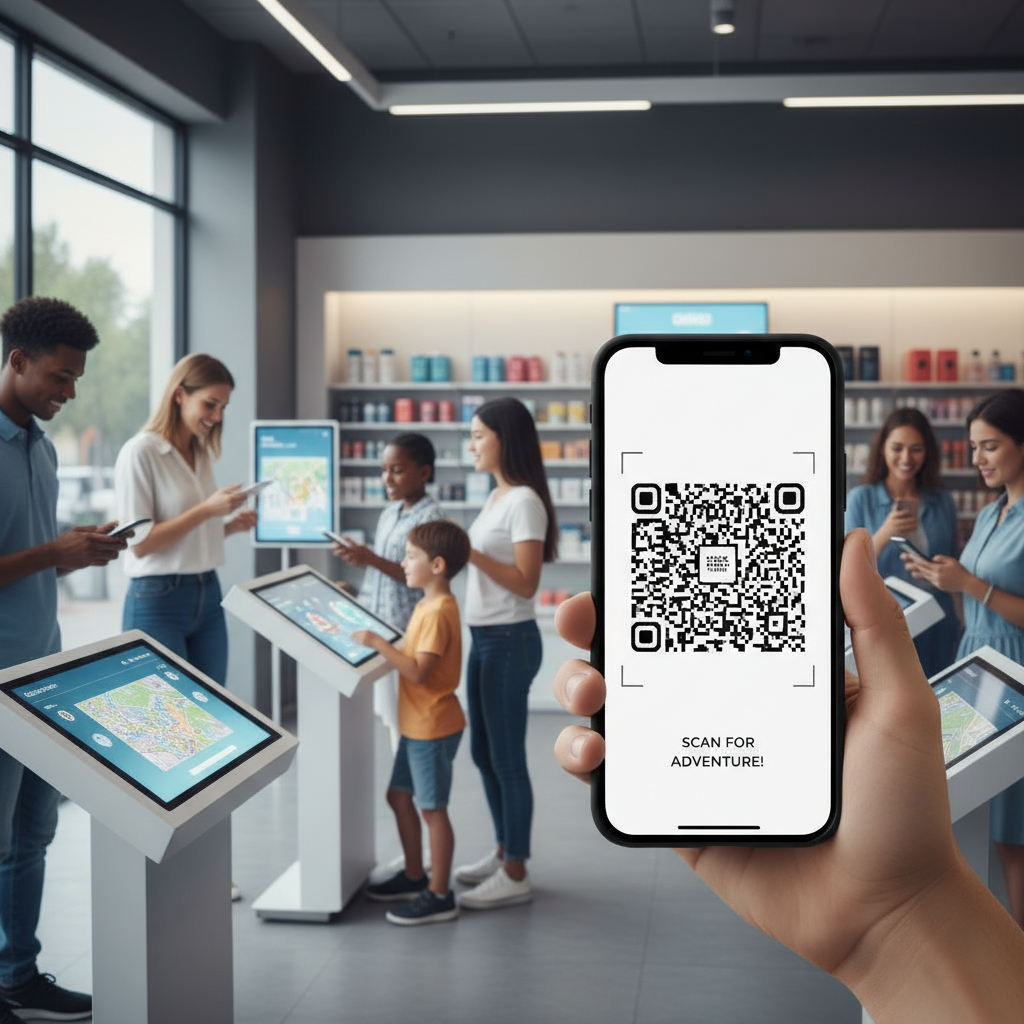
Effective phygital campaigns leverage technology to create memorable moments. Consider augmented reality (AR) filters that allow customers to virtually try on products at home before seeing them in-store. Or, imagine interactive store windows that respond to passersby, offering personalized product information or exclusive discounts via their smartphones. These campaigns transform passive browsing into active participation, making the brand experience more dynamic. The goal is to make every touchpoint feel purposeful and connected, reinforcing the brand’s presence in both the digital and physical lives of its customers.
Innovative Phygital Campaign Examples
Many brands are already excelling with innovative phygital campaigns. For instance, some retailers offer “click and collect” services, allowing online purchases to be picked up in-store, often with dedicated express lanes. Others use QR codes in their physical stores that link to product videos, customer reviews, or loyalty program sign-ups. Pop-up shops with integrated digital screens for custom orders or virtual try-ons also represent strong phygital approaches. These examples show how digital tools can enhance the physical shopping journey.
Designing Interactive In-Store Experiences
Designing interactive in-store experiences is crucial for a successful phygital retail marketing strategy for brand experiences. This involves incorporating elements like interactive touchscreens, smart mirrors, virtual reality (VR) product demonstrations, and personalized beacon-based notifications. These technologies transform traditional retail spaces into engaging hubs where customers can explore products in new and exciting ways. The aim is to provide entertainment, information, and a sense of discovery that cannot be replicated online. Such experiences encourage longer visits and deeper engagement with the brand’s offerings.
How to Connect Online and Offline Marketing Data for Brands
Connecting online and offline marketing data for brands is achieved through robust data integration platforms and consistent customer identifiers. This unification provides a holistic view of customer behavior, enabling more precise targeting and personalized experiences across all channels. Without this connection, brands operate with fragmented insights, missing opportunities to optimize their phygital retail marketing strategy for brand experiences.
Achieving true phygital marketing data unification for omnichannel brands requires a strategic approach. It involves using a Customer Data Platform (CDP) to consolidate information from various sources, such as e-commerce platforms, CRM systems, point-of-sale (POS) systems, loyalty programs, and in-store Wi-Fi analytics. By creating a single customer view, brands can track a customer’s journey from their initial online search to their in-store purchase and subsequent interactions. This unified data allows for highly targeted marketing messages, personalized product recommendations, and optimized inventory management. Understanding the complete customer journey is paramount for delivering consistent and relevant brand experiences.
Strategies for Data Integration and Unification
Several strategies facilitate the integration and unification of online and offline data. These include implementing universal customer IDs, utilizing cloud-based data warehouses, and employing advanced analytics tools. The goal is to break down data silos and create a centralized repository where all customer interactions are recorded and accessible. This foundation is critical for developing a truly omnichannel approach to marketing.
| Data Source Category | Examples of Online Data | Examples of Offline Data | Integration Method |
|---|---|---|---|
| Customer Interactions | Website visits, app usage, email opens, social media engagement | In-store purchases, loyalty card scans, event attendance, customer service calls | CDP, CRM, unified customer ID |
| Transactional Data | E-commerce orders, abandoned carts, digital subscriptions | POS transactions, returns, layaways | ERP, POS integration, data warehousing |
| Behavioral Data | Clickstream data, search queries, product views | In-store dwell time, product interaction (e.g., smart shelves), beacon data | Analytics platforms, IoT sensors, Wi-Fi tracking |
Leveraging Customer Data Platforms (CDPs)
Customer Data Platforms (CDPs) are instrumental in connecting online and offline marketing data for brands. A CDP collects and unifies customer data from all sources into a persistent, comprehensive profile for each individual. This enables marketers to gain a 360-degree view of their customers, segment audiences effectively, and activate personalized campaigns across various channels. For brands aiming to enhance their phygital retail marketing strategy for brand experiences, a CDP is a foundational technology. It empowers businesses to understand customer preferences and behaviors, leading to more relevant and impactful interactions. Marketing Miniac offers Digital Marketing Services that can help brands implement and optimize their data strategies for better customer insights.
In-Store Digital Experience Marketing Integration Strategy for Retailers
An effective in-store digital experience marketing integration strategy for retailers seamlessly weaves technology into the physical shopping environment, enhancing customer engagement and operational efficiency. This integration transforms traditional stores into dynamic, interactive spaces that complement online offerings. It focuses on using digital tools to provide information, personalization, and entertainment directly at the point of purchase.
The goal is to create a richer, more convenient, and personalized shopping journey that encourages customers to spend more time in the store and ultimately make a purchase. This can involve implementing interactive kiosks that provide detailed product information, endless aisle options, or customer reviews. Smart mirrors allow virtual try-ons, reducing fitting room queues and enhancing the shopping experience. Beacon technology can deliver personalized promotions or product suggestions directly to a customer’s smartphone as they browse specific sections. These integrations are vital for a modern phygital retail marketing strategy for brand experiences, ensuring the physical store remains a relevant and attractive destination in the digital age.
Technologies for Enhancing Physical Retail Spaces
A variety of technologies can enhance physical retail spaces. These include:
* Interactive Digital Signage: Displays that respond to touch or motion, offering dynamic content.
* Augmented Reality (AR): Apps or in-store mirrors that overlay digital information onto the real world.
* RFID and IoT Sensors: For inventory tracking, personalized product recommendations, and heat mapping customer movement.
* Mobile Apps with In-Store Features: Navigation, personalized offers, scan-and-go payment options.
* Self-Service Kiosks: For product lookup, ordering out-of-stock items, or checking loyalty points.
These tools help bridge the gap between the online convenience and the physical interaction, ensuring a comprehensive phygital customer experience marketing campaign.
Best Practices for Seamless Integration
For seamless integration, retailers must prioritize user-friendliness, reliability, and data security. Any digital tool introduced in-store should be intuitive for customers and staff alike. Regular maintenance and updates are essential to prevent technical glitches that could detract from the experience. Furthermore, ensuring the security of customer data collected through these digital touchpoints builds trust and protects privacy. Training staff on how to use and assist customers with new technologies is also critical for successful adoption and a smooth phygital retail marketing strategy for brand experiences.
Phygital Marketing Data Unification for Omnichannel Brands
Phygital marketing data unification for omnichannel brands involves consolidating all customer interaction data, both online and offline, into a single, comprehensive profile. This integrated view allows brands to understand customer behavior across every touchpoint, enabling highly personalized and consistent experiences. Without unified data, brands struggle to deliver the seamless, connected journey that defines a true phygital retail marketing strategy for brand experiences.
The process of data unification is complex but essential for modern retail. It requires robust technological infrastructure, including advanced analytics and a centralized data repository like a Customer Data Platform (CDP). By bringing together data from e-commerce platforms, social media, loyalty programs, in-store purchases, website visits, and customer service interactions, brands can gain deep insights into individual preferences and purchasing patterns. This unified data empowers marketers to create targeted campaigns, optimize inventory, and personalize communications, ensuring that every customer interaction, whether digital or physical, is relevant and impactful. It’s the backbone of any successful omnichannel strategy.
Benefits of a Single Customer View
A single customer view offers numerous benefits for omnichannel brands. It enables personalized marketing messages, improved customer service, more accurate forecasting, and enhanced customer loyalty. By understanding the entire customer journey, brands can identify pain points and optimize touchpoints, leading to a more satisfying and efficient experience. This holistic perspective is invaluable for refining a phygital retail marketing strategy for brand experiences.
Key benefits include:
1. Enhanced Personalization: Tailoring offers and content based on combined online and offline history.
2. Improved Customer Service: Agents have a complete history of interactions, leading to faster, more informed support.
3. Optimized Marketing Spend: More precise targeting reduces wasted ad impressions and increases ROI.
4. Better Inventory Management: Predicting demand more accurately by understanding cross-channel purchasing habits.
5. Stronger Brand Loyalty: Consistent and personalized experiences foster trust and repeat business.
Tools and Technologies for Data Unification
Effective data unification relies on specialized tools and technologies. CDPs are at the forefront, designed specifically to collect, unify, and activate customer data. Other essential tools include CRM systems for managing customer relationships, data warehouses for storing large volumes of information, and business intelligence (BI) platforms for analyzing insights. Integrating these systems is crucial for achieving a truly unified data environment. This technological ecosystem supports the intricate needs of a phygital retail marketing strategy for brand experiences.
Measuring ROI and Optimizing Phygital Strategies
Measuring the return on investment (ROI) and continuously optimizing phygital retail marketing strategy for brand experiences is crucial for long-term success. This involves tracking key performance indicators (KPIs) across both online and offline channels and using data analytics to refine strategies. Effective measurement ensures that resources are allocated efficiently and that campaigns are delivering tangible results.
Optimizing phygital strategies is an ongoing process that requires continuous monitoring and adaptation. Brands must analyze how digital interventions impact in-store traffic, conversion rates, and average transaction values. Similarly, they need to assess how physical experiences drive online engagement, app downloads, or social media mentions. A/B testing different phygital elements, such as interactive display content or personalized beacon offers, can provide valuable insights into what resonates most with customers. By regularly reviewing performance data and iterating on their approach, brands can ensure their phygital customer experience marketing campaign ideas remain fresh, relevant, and highly effective.
Key Performance Indicators for Phygital Campaigns
Measuring the success of phygital campaigns requires a blend of traditional retail metrics and digital analytics. Key KPIs include:
* In-store traffic driven by digital ads: Tracking unique visitors after exposure to online campaigns.
* Online conversion rates influenced by in-store experiences: Measuring online purchases by customers who recently visited a physical store.
* Average Order Value (AOV) across channels: Analyzing whether phygital experiences lead to higher spending.
* Customer lifetime value (CLTV): Assessing the long-term impact of integrated experiences on customer loyalty.
* Engagement rates with in-store digital tools: Monitoring interactions with kiosks, AR mirrors, or smart displays.
* Social media mentions and user-generated content: Tracking brand buzz related to phygital initiatives.
These metrics provide a comprehensive view of a phygital retail marketing strategy for brand experiences effectiveness.
Iterative Optimization and A/B Testing
Iterative optimization and A/B testing are fundamental to refining phygital strategies. This involves making small, controlled changes to specific elements of a campaign and comparing their performance. For example, a brand might test two different interactive display messages in-store to see which one drives more engagement. Or, they could compare two versions of a personalized mobile offer triggered by beacon technology. By systematically testing and analyzing the results, brands can identify what works best and continuously improve their phygital customer experience marketing campaign ideas. This data-driven approach ensures that strategies evolve based on real customer behavior, leading to enhanced ROI and a stronger brand presence.
What is a phygital retail marketing strategy?
A phygital retail marketing strategy is an approach that combines digital and physical elements to create a seamless and integrated customer experience. It aims to leverage the strengths of both online and offline channels, providing convenience, personalization, and immersive interactions for consumers. This strategy is crucial for meeting modern customer expectations in retail.
How can brands connect online and offline marketing data?
Brands can connect online and offline marketing data by using a Customer Data Platform (CDP) to unify information from various sources like e-commerce, CRM, and POS systems. Implementing universal customer IDs and leveraging advanced analytics also helps create a single, comprehensive view of the customer journey across all touchpoints.
What are some examples of phygital customer experience marketing campaign ideas?
Examples include interactive digital signage in stores that responds to customers, augmented reality (AR) apps for virtual product try-ons, “click and collect” services, and personalized promotions delivered via beacon technology in physical locations. These campaigns aim to blend digital convenience with physical engagement.
Why is in-store digital experience marketing integration important?
In-store digital experience marketing integration is important because it enhances the physical shopping environment, making it more interactive, personalized, and convenient. It helps retailers attract and retain customers by offering unique experiences that cannot be replicated online, thereby driving engagement and sales.
What is phygital marketing data unification?
Phygital marketing data unification is the process of consolidating all customer data, both from online and offline interactions, into a single, centralized profile. This unified view provides a holistic understanding of customer behavior, enabling brands to deliver consistent, personalized, and relevant experiences across all channels.
How do you measure the ROI of a phygital strategy?
Measuring the ROI of a phygital strategy involves tracking KPIs such as increased in-store traffic from digital campaigns, online conversion rates influenced by physical visits, average order value across channels, and customer lifetime value. Analyzing engagement with in-store digital tools and social media mentions also helps assess effectiveness.
The evolution of retail demands a sophisticated approach that acknowledges the blurred lines between digital and physical consumer interactions. A well-executed phygital retail marketing strategy for brand experiences is no longer an option but a necessity for brands aiming to thrive.
Key takeaways for brands include:
* Seamless Integration: Prioritize connecting online and offline data to create a unified customer view.
* Customer-Centric Design: Develop campaigns and in-store experiences that genuinely enhance the customer journey.
* Technological Adoption: Embrace tools like CDPs, AR, and interactive displays to bridge the physical and digital.
* Continuous Optimization: Regularly measure performance, analyze data, and iterate on strategies to maximize ROI.
* Personalization at Scale: Leverage unified data to deliver highly relevant messages and offers across all touchpoints.
By embracing phygital, brands can cultivate deeper customer relationships, foster loyalty, and create memorable experiences that resonate long after a purchase. Begin transforming your brand’s customer journey today.